
Romani Holocaust
Genocide of European Roma and Sinti by Nazi Germany.

Globetrotter19 · CC BY-SA 3.0
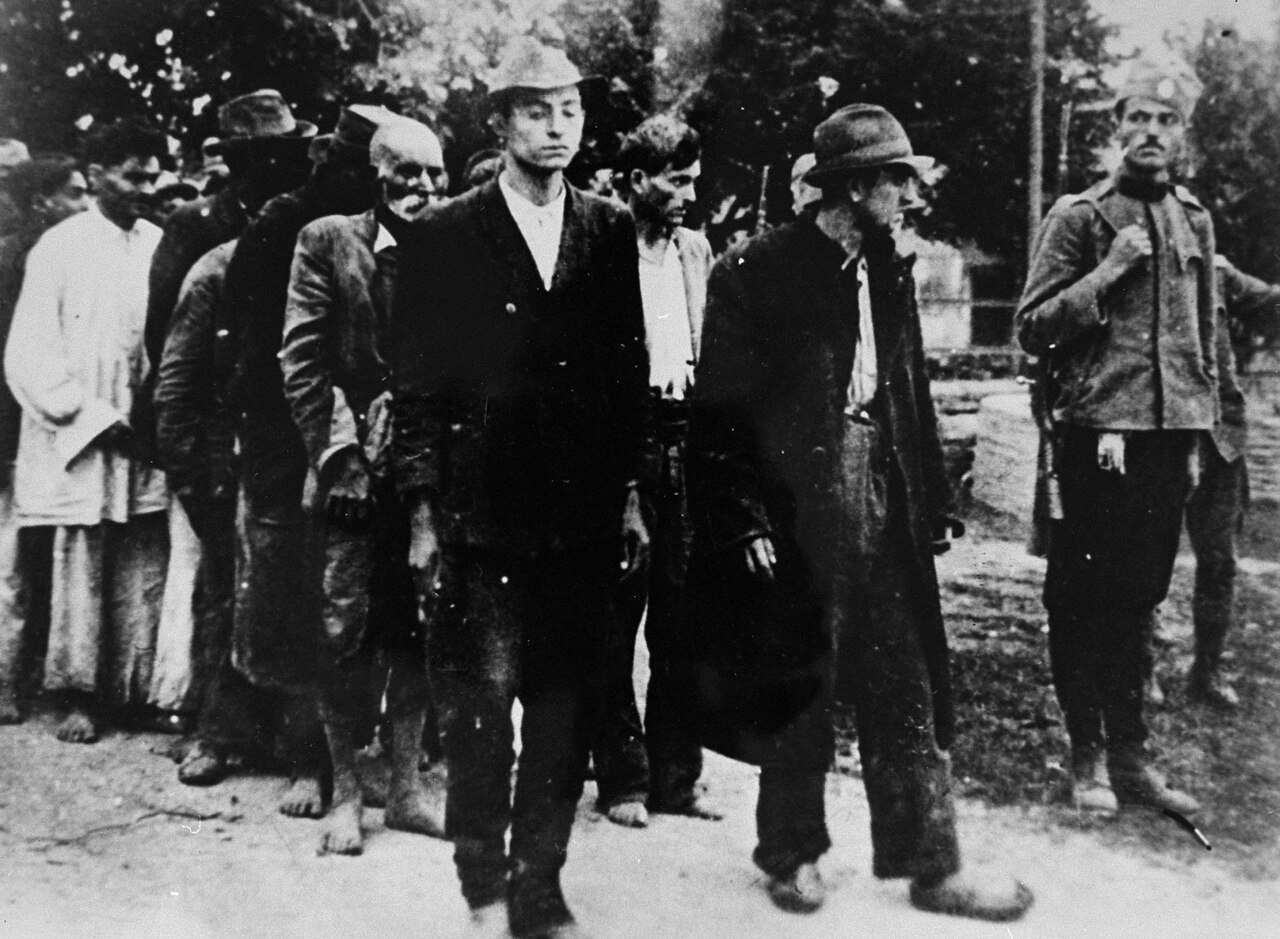
The Romani Holocaust, called the Porajmos, targeted Europe’s Roma and Sinti people during World War II. Nazi Germany began persecuting these groups in 1933, using forced internment and compulsory sterilization. Authorities subjected Roma to incarceration, forced labor, deportation, and mass murder in concentration and extermination camps. On 14 November 1935, a supplementary decree to the Nuremberg Laws, issued under Adolf Hitler, classified Roma as “enemies of the race-based state,” equating them with Jews. Historians estimate that between 250,000 and 500,000 Romani and Sinti were killed by Nazi Germans and their collaborators.
West Germany formally recognized the genocide against Sinti and Roma in 1982. Poland declared August 2 a day of commemoration for the Romani genocide in 2011.
Within the Nazi state, persecution and later extermination focused on sedentary “Gypsy mongrels.” In December 1942, Heinrich Himmler ordered the deportation of all Sinti and Roma from the Greater Germanic Reich, mostly to the Gypsy concentration camp at Auschwitz-Birkenau. Others were sent from Nazi-occupied Western Europe. Of the approximately 23,000 European Roma and Sinti sent there, about 21,000 died. In areas without systematic registration, such as German-occupied Eastern and Southeastern Europe, Roma deemed “vagabonds”—including refugees and displaced persons—were killed in massacres by German military, police, and SS task forces, as well as in armed resistance against the occupation.
Romani women suffered rape and sexual abuse by Nazi guards and officials. The Nazis also exploited and enslaved Roma, forcing them into slave labor in German factories and workshops.
Before 1933, anti-Romani discrimination had deep roots. In the late 19th century, scientific racism and Social Darwinism gave pseudoscientific justifications for prejudice against Jews and Roma. Proponents argued that races had separate biological origins and created a racial hierarchy, defining minority groups as “other.” Industrial modernization also disrupted Roma traditional crafts and artisan work, leading to social marginalization.
Under the German Empire and Weimar Republic, anti-Romani policies intensified. In 1899, Munich’s Imperial Police Headquarters set up an Information Service on Romani, keeping records and surveillance.
Quick Facts
- Title
- Romani Holocaust
- Partof
- World War II
- Location
- German-occupied Europe
- Date
- 1939–1945
- Fatalities
- 130,000 / 250,000 - 500,000 / 1,500,000
- Perps
- Nazi Germany and its allies and collaborators, Vichy France
- Motive
- Antiziganism, Germanisation, Pan-Germanism, Racism, Nazi racial policy
Facts from the source article.
Lore & Background
The Romani Holocaust, or Porajmos, began with Nazi persecution in 1933, escalating after the 1935 Nuremberg Laws classified Roma as 'enemies of the race-based state' on 14 November 1935. The Nazis established the Racial Hygiene and Demographic Biology Research Unit in 1936, headed by Robert Ritter, to study the 'Gypsy question' and provide data for a Reich 'Gypsy law.' This unit concluded that most Romani posed a danger to German racial purity and should be deported or eliminated. In December 1942, Heinrich Himmler ordered the deportation of all Sinti and Roma from the Greater Germanic Reich, with most sent to the Gypsy concentration camp at Auschwitz-Birkenau. Approximately 21,000 of the 23,000 European Roma and Sinti sent there did not survive.
Reader's Guide
The Romani Holocaust represents a major but often overlooked genocide of the 20th century. Nazi Germany systematically targeted Roma and Sinti through forcible internment, compulsory sterilization, forced labor, and mass murder in concentration and extermination camps. The 1935 supplementary decree to the Nuremberg Laws placed Roma in the same category as Jews, leading to parallel fates. Historians estimate between 250,000 and 500,000 Romani and Sinti were killed. Romani women were subjected to rape and sexual abuse by Nazi guards, and the population was exploited for slave labor in German factories. In 1982, West Germany formally recognized the genocide against Sinti and Roma. In 2011, Poland officially declared August 2nd as a day of commemoration. The legacy includes ongoing recognition efforts and the need to remember the victims of racial pseudoscience and state-sponsored persecution.
Did You Know?
- Under a 1935 supplementary decree to the Nuremberg Laws, Romani people were classified as 'enemies of the race-based state,' placing them in the same category as Jews.
- In 1982, West Germany formally recognized that Nazi Germany had committed genocide against Sinti and Roma people.
Ideological and Legal Foundations of Anti-Romani Persecution
The persecution of Roma and Sinti under Nazi rule did not emerge in a vacuum. In the late nineteenth century, German intellectuals and policymakers drew on Social Darwinism and the broader framework of scientific racism to construct a hierarchy of peoples, positioning certain minority groups as biologically inferior. This pseudoscientific worldview gave state actors a veneer of legitimacy for discriminatory measures. When Adolf Hitler's regime consolidated power, it built directly on these foundations. A supplementary decree to the Nuremberg Laws, issued on 26 November 1935, formally classified Roma as "enemies of the race-based state," placing them in the same legal category as Jews. From that point forward, the trajectory of anti-Romani policy moved from social exclusion toward systematic extermination, mirroring the fate of European Jewry. The ideological groundwork had been laid decades earlier, but the 1935 decree marked the decisive legal turning point that made genocide a matter of state policy rather than local prejudice.
Mechanisms of Persecution and Mass Murder
Once the legal architecture was in place, the machinery of persecution escalated rapidly. German authorities subjected Roma and Sinti to arbitrary incarceration, compulsory sterilization, forced labor in factories and workshops, and deportation to concentration and extermination camps. In December 1942, Heinrich Himmler issued an order mandating the removal of all Sinti and Roma from the Greater Germanic Reich. The vast majority were transported to a dedicated Gypsy concentration camp at Auschwitz-Birkenau, where approximately 21,000 of the 23,000 European Roma and Sinti sent to that site perished. Additional victims were deported from Nazi-occupied Western Europe to the same camp. Beyond the camps, in German-occupied areas of Eastern and Southeastern Europe where systematic registration had not been implemented, Roma were killed in mass shootings carried out by military units, police formations, and SS task forces. Some were also killed during armed resistance against the occupation. Romani women faced rape and sexual abuse by guards and officials, adding a layer of gendered violence to the broader campaign of destruction.
State Surveillance and Segregation Before the Nazi Era
Long before the Nuremberg Laws, German state institutions had already built an extensive apparatus for monitoring and controlling Roma communities. In 1899, the Imperial Police Headquarters in Munich created a dedicated Information Service that maintained identification cards, fingerprints, and photographs of Roma individuals while conducting continuous surveillance. Prussia followed in 1904 with a resolution regulating the movement of Roma, and in 1911 the Bavarian Ministry of the Interior convened a conference to coordinate anti-Romani measures. During the Weimar Republic, Roma were barred from public swimming pools, parks, and recreational spaces, and were widely portrayed as criminals and spies. The 1926 Bavarian law targeting "Gypsies, Vagrants, and the Workshy" became the national standard by 1929 and served as a model for neighboring countries. In 1927, Prussia required all Roma to carry identity cards, processing eight thousand individuals with mandatory fingerprinting. By 1929, the Centre for the Fight Against Gypsies in Germany was operational, enforcing travel restrictions and permitting arbitrary detention. These measures collectively established a bureaucratic infrastructure of racial control that the Nazi regime would later expand into genocide.
Recognition, Commemoration, and the Scale of Loss
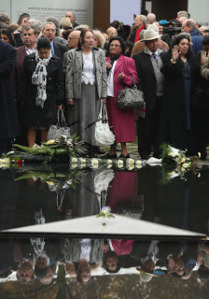
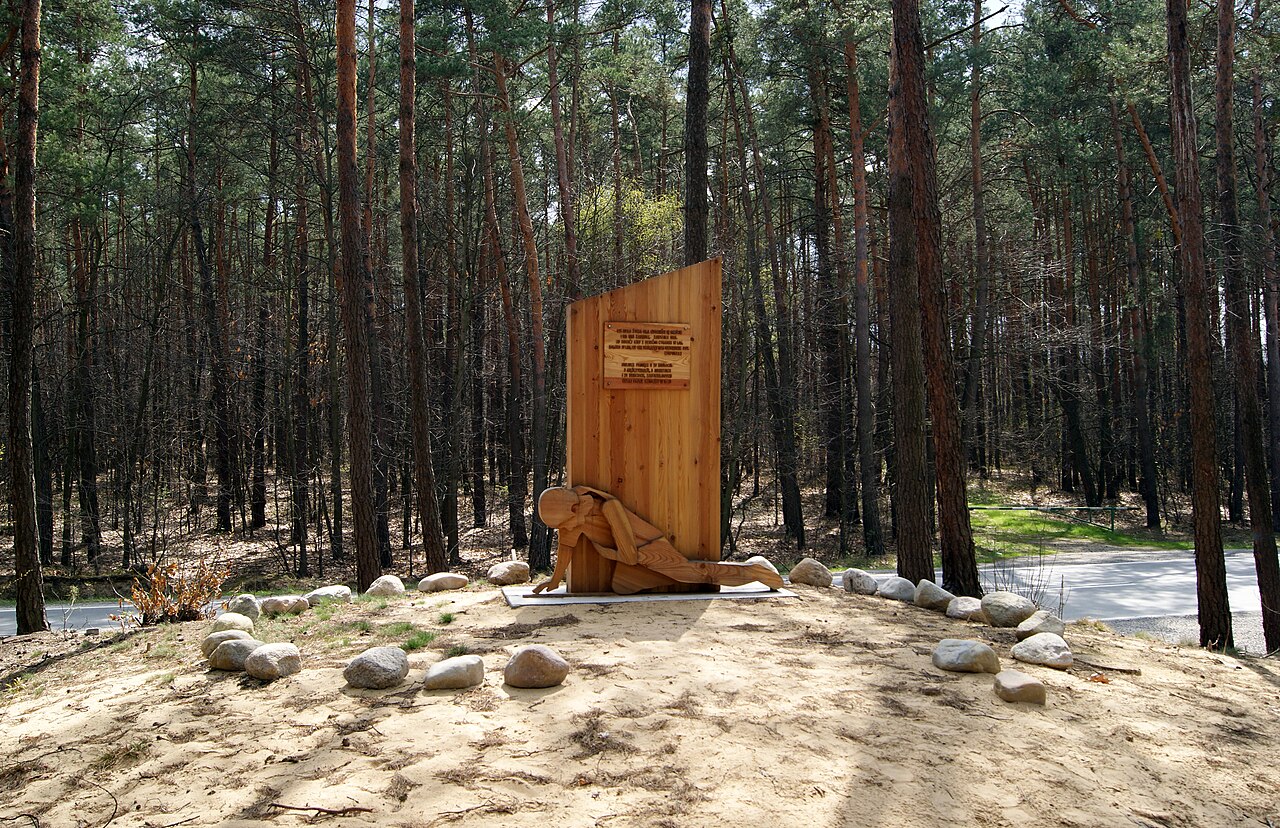
The full scope of the Romani Holocaust remained largely unacknowledged for decades after the war. It was not until 1982 that West Germany formally recognized that Nazi Germany had committed genocide against Sinti and Roma people, a legal and moral acknowledgment that came nearly four decades after the camps were liberated. In 2011, Poland took a further step by officially designating August 2nd as the national day of commemoration for the Romani genocide, ensuring that the memory of the victims would be embedded in the country's civic calendar. Historians estimate that between 250,000 and 500,000 Roma and Sinti were killed by Nazi Germany and its collaborators across occupied Europe. The wide range of this estimate reflects the difficulty of documenting a genocide that, in many regions, was carried out through mass shootings and ad hoc killings rather than the systematic registration processes applied to other victim groups. The Porajmos, as the Romani community names it, stands as a testament to the devastating consequences of racial pseudoscience when adopted as state policy, and to the long struggle for the victims' suffering to be fully recognized in the historical record.
Gallery

Frequently Asked Questions
What is the Romani Holocaust (Porajmos)?
The Romani Holocaust, known as the Porajmos, was the systematic genocide of Roma and Sinti communities across Europe carried out by Nazi Germany during World War II. It encompassed forced internment, compulsory sterilization, deportation, and mass murder in concentration and extermination camps.
When did Nazi persecution of Roma and Sinti begin?
Persecution under the Nazi regime started as early as 1933, with forced internment and compulsory sterilization already in effect. A major legal escalation came on 14 November 1935, when a supplementary decree to the Nuremberg Laws formally branded Roma as racial enemies of the state.
How many Roma and Sinti were killed in the Porajmos?
Historians generally place the death toll between 250,000 and 500,000 individuals from Roma and Sinti communities. The precise number remains uncertain because records from the period are incomplete and fragmented.
How did Nazi law classify Roma relative to Jews?
The 1935 supplementary decree to the Nuremberg Laws placed Roma in the same legal category as Jews, designating them as enemies of the race-based state. This classification provided the legal groundwork for their incarceration, forced labor, deportation, and eventual mass killing.
Where did the Romani Holocaust take place?
The Porajmos affected Roma and Sinti communities from various regions across Europe during the 1940s. Victims were ultimately transported to Nazi concentration and extermination camps, where they faced forced labor and systematic murder.
More in World War Ii Topics 1-17
Spotted an error? Know more?
Reader corrections go straight into our review queue. Suggest an edit · How this site is sourced