
Rescue of Jews during the Holocaust
Non-Jews risked their lives to hide Jews from Nazi extermination.

Kim Bach · CC BY-SA 4.0
During World War II, certain people and organizations aided Jews and others fleeing the genocide carried out by Nazi Germany. For Jews trying to go into hiding, the cooperation—or at least the lack of open resistance—of the local population was crucial, though this was often missing in Eastern Europe. Those who hid relied on help from non-Jews. Survival depended heavily on factors like having money, personal ties to non-Jews, a non-Jewish appearance, fluency in the local language, determination, and luck. Jews in hiding were pursued with the help of local collaborators, and rewards were offered for turning them in. People who sheltered them sometimes faced the death penalty, especially in Eastern Europe, including Poland. The reasons rescuers helped ranged from genuine altruism to expecting sexual favors or material benefits; it was not rare for helpers to betray or kill Jews once their money was gone.
Across Nazi-occupied Europe, non-Jews hid or saved Jews. The Catholic Church and the Vatican opposed the systematic killing of Jews, and in Italy, the Fascist government enacted anti-Jewish laws and interned Jews, while Mussolini's Italian Social Republic later collaborated in deportations. Many diplomats worked to help Jews escape, for instance by issuing documents that allowed safe passage.
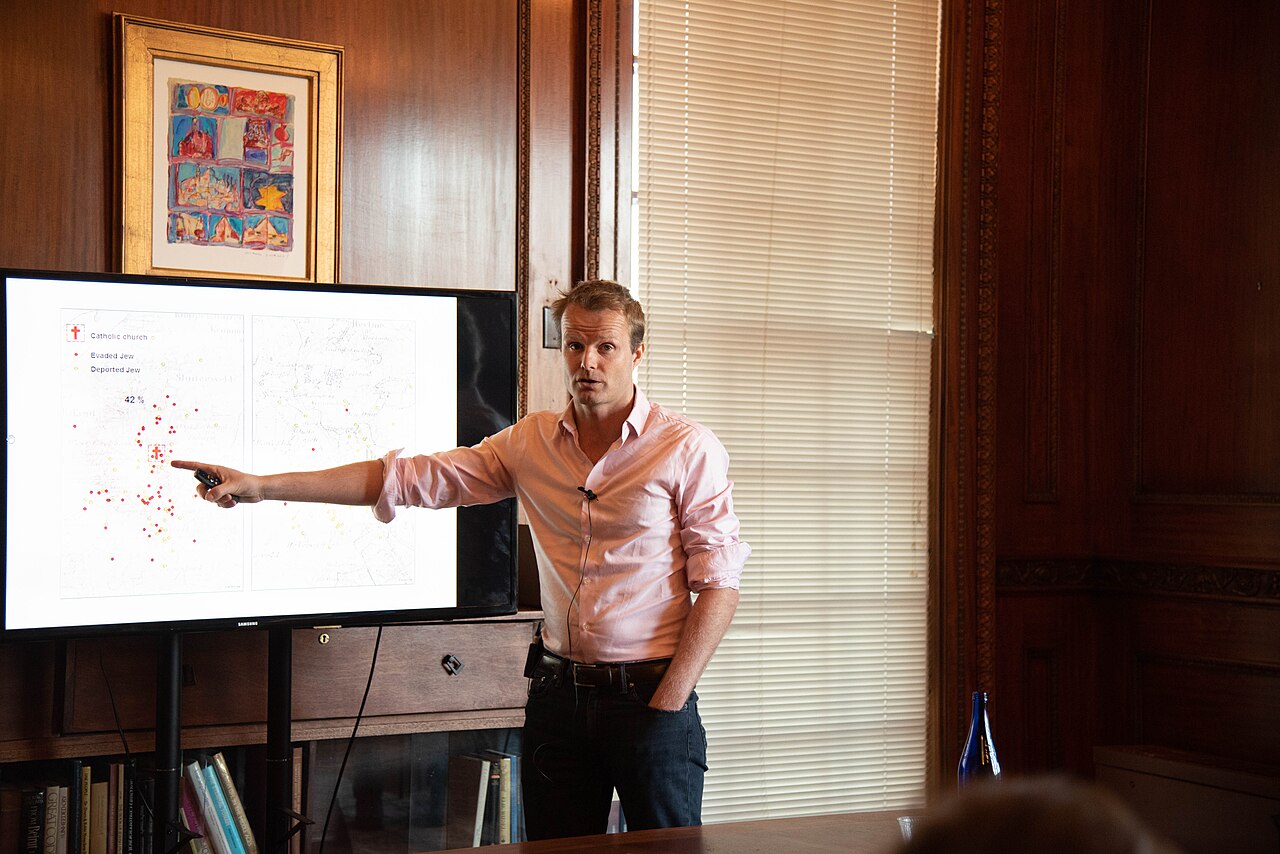
Since 1953, Israel’s Holocaust memorial, Yad Vashem, has recognized 26,973 people as Righteous among the Nations. This recognition, overseen by an Israeli Supreme Court justice, honors non-Jews who risked their lives during the Holocaust to save Jews from Nazi extermination.
**Poland**
Poland had a very large Jewish population. According to Norman Davies, more Jews were both killed and rescued in Poland than in any other country, with the rescue figure usually estimated between 100,000 and 150,000. The memorial at Bełżec extermination camp commemorates 600,000 murdered Jews and 1,500 Poles who tried to save them. A total of 6,532 men and women—more than from any other nation—have been recognized as rescuers by Yad Vashem, making up the largest national group. Martin Gilbert wrote that “Poles who risked their own lives to save the Jews were indeed the exception.
- Polish rescuers killed
- Estimates vary, but some sources suggest hundreds of Polish rescuers lost their lives while aiding Jews
- Lados group passports
- About 10,000 passports issued, saving an estimated 2,000–3,000 Jews
Lore & Background
Jews were hidden or saved by non-Jews throughout Nazi-occupied Europe. The Catholic Church and Vatican opposed the systemic murder of Jews, and in Italy the Fascist government enacted anti-Jewish laws and interned Jews, while Mussolini's Italian Social Republic later collaborated in deportations. Many diplomats were involved in efforts to help Jews escape, such as by providing documents that allowed safe transit. In Poland, the council to Aid Jews – Rada Pomocy Żydom (codename Żegota) – was established in late 1942 in co-operation with church groups, saving thousands.
Reader's Guide
The rescue of Jews during the Holocaust demonstrates both the extreme risks taken by some non-Jews and the complex motivations behind their actions. In Poland, the death penalty was threatened for individuals hiding Jews and their families, yet over 6,500 Poles have been recognized as Righteous among the Nations, the largest national contingent. The Żegota organization, founded by Catholic and socialist activists, saved thousands, particularly children. However, rescuers' motivations varied widely, from altruism to expecting material gain, and some helpers betrayed or murdered Jews when money ran out. The legacy is preserved by Yad Vashem, which since 1953 has recognized 26,973 individuals as Righteous among the Nations, honoring non-Jews who risked their lives during the Holocaust to save Jews from extermination by Nazi Germany. The story also includes diplomats like those in the Ładoś Group, who produced illegal Latin American passports, saving over 3,000 Jews.
Did You Know?
- In Poland, the death penalty was sometimes enforced on people hiding Jews, and 700 Polish rescuers officially recognized as Righteous lost their lives.
- On the Greek island of Zakynthos, the mayor and bishop presented the Germans with a list of only two names—their own—and all 275 Jews survived.
- The Ładoś Group, a group of Polish diplomats and Jewish activists in Switzerland, produced illegal Latin American passports that saved over 3,000 Jews.
- Princess Alice of Battenberg and Greece, mother of Prince Philip, sheltered Jewish refugees in occupied Athens and is recognized as Righteous among the Nations.
The Leak and the Chain of Alarm
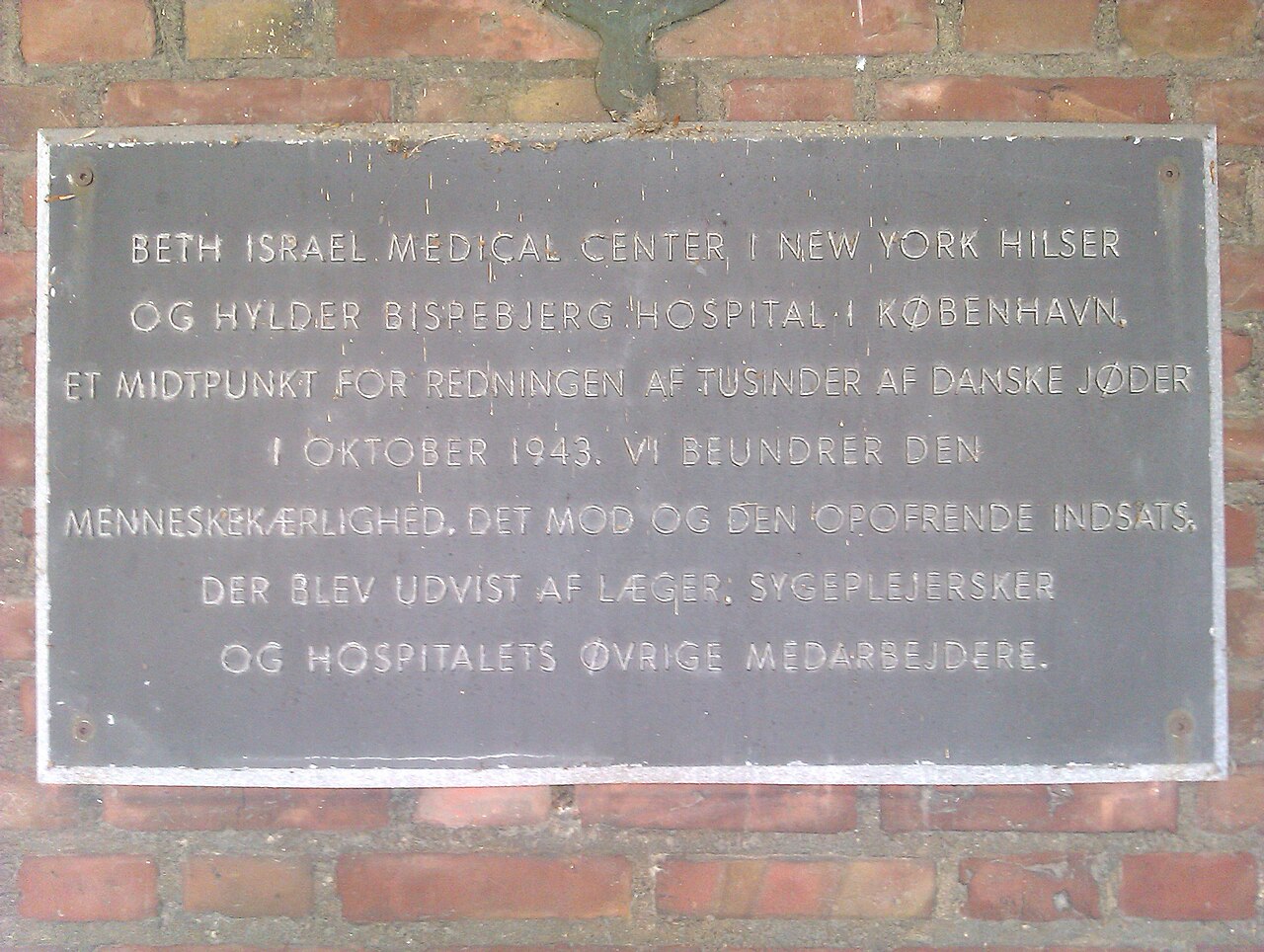
The rescue of Denmark's Jewish community began with a single act of conscience rather than a coordinated plan. On September 28, 1943, German diplomat Georg Ferdinand Duckwitz—who had already attempted in vain to secure Swedish safe harbor for Danish Jews—leaked Hitler's imminent deportation order to Hans Hedtoft, chairman of the Danish Social Democratic Party. Hedtoft swiftly contacted the Danish Resistance Movement and C. B. Henriques, head of the Jewish community, who in turn alerted acting chief rabbi Marcus Melchior. By the early morning of September 29, the eve of Rosh Hashanah, Danish Jews were being urged to scatter into hiding and warn every friend and relative they could reach. The German move also galvanized the Danish state church and every political party except the pro-Nazi NSWPD to publicly denounce the operation and pledge solidarity with Jewish citizens. Bishops issued a pastoral letter to be read aloud in every church the following Sunday. In the chaotic first days, civil servants across multiple ministries independently reached out to friends, who then combed telephone directories to warn anyone with a Jewish-sounding name. Most Danish Jews spent days or weeks in uncertain hiding, unaware that a full evacuation was being organized.
Sweden's Open Door and the Crossing
Sweden's willingness to receive Danish Jews was not spontaneous. When martial law was introduced in Denmark on August 29, the Swedish Ministry for Foreign Affairs recognized the immediate danger. On August 31, Chief Legal Officer Gösta Engzell—himself a delegate at the 1938 Évian Conference on Jewish refugees—authorized the Swedish ambassador in Copenhagen to issue passports to Danish Jews. By October 2, the Swedish government had officially declared its borders open to all Danish Jews. The actual crossings over the Øresund strait from Zealand were varied and often improvised. Some refugees traveled in large fishing boats of up to 20 tons; others squeezed into rowboats or kayaks. The ketch Albatros and the lighthouse tender Gerda III were among the vessels used. For the very young, elderly, or infirm too weak for a rough sea passage, operatives broke into empty freight cars sealed by the Nazis, smuggled refugees aboard, and resealed the cars with forged or stolen seals to defeat further inspection. The average crossing took under an hour on the choppy winter sea. Fishermen charged between 1,000 and as much as 50,000 Danish kroner per person, with the Danish Resistance Movement financing much of the operation from wealthy donors. The total cost is estimated at around 20 million kroner.
Niels Bohr's Personal Stand
The Danish physicist Niels Bohr, whose mother was Jewish, made a determined personal stand for his fellow countrymen during the crisis. After a persuasive phone call from Greta Garbo, who knew Bohr personally, King Gustaf V granted him an audience. Bohr was spirited to Sweden together with his wife on September 29. Upon arrival, Swedish government representatives informed him he must immediately board an aircraft for the United States, where he was expected to work on the top-secret Manhattan Project. Bohr flatly refused. He told the officials—and eventually the king himself—that until Sweden broadcast over its airwaves and published through its press a declaration that its borders were open to receive the Danish Jews, he was not going anywhere. Bohr later recounted these events in his memoirs. The historian Richard Rhodes has noted that on September 30, Bohr pressed his case directly. His condition was not a political demand but a moral one: the public announcement would signal to the Danish people that their Jewish neighbors had a genuine destination, transforming a desperate hiding operation into a rescue with a destination.
Survival and Historical Significance
The rescue stands as one of the largest acts of collective resistance to Nazi aggression in any country occupied by Germany during the Second World War. Working together, the Danish Resistance Movement and countless ordinary Danish citizens managed to evacuate 7,500 of Denmark's 8,000 Jews, along with 686 non-Jewish spouses, by sea to neutral Sweden. The result was extraordinary: 99 percent of Denmark's Jewish population survived the Holocaust. This remarkable figure was further bolstered by Danish intercession on behalf of the 464 Jews who were nonetheless captured and deported to the Theresienstadt concentration camp in the Protectorate of Bohemia and Moravia. The rescue was not the work of a single government or organization but a mosaic of individual courage: fishermen who risked their lives crossing the Øresund, civil servants who combed phone books, clergy who issued pastoral letters, wealthy donors who funded the operation, and a foreign government that opened its borders. Together, these disparate efforts produced a survival rate that remains a singular achievement in the history of the Holocaust.
Gallery
Frequently Asked Questions
Who were the rescuers of Jews during the Holocaust?
Rescuers ranged from ordinary citizens who sheltered families in their homes to organized groups like the Lado Group, which forged roughly 10,000 passports and is credited with saving an estimated 2,000 to 3,000 Jewish lives. In places like Poland, hundreds of non-Jewish individuals paid for their aid with their own lives.
What factors determined whether a Jewish person in hiding survived?
Survival hinged on a combination of practical and fortunate elements: having money, possessing personal connections to non-Jews, looking non-Jewish, speaking the local language fluently, sheer determination, and plain luck. Without at least some of these advantages, the odds of evading capture were extremely slim.
Why was local population cooperation so critical for Jews trying to go into hiding?
A Jewish person in concealment was entirely dependent on neighbors and community members choosing not to report them or actively shielding them. In Eastern Europe, where such cooperation was often absent and local collaborators actively aided Nazi searches, the risk of discovery and execution was far greater.
How did the Lado Group's passport operation work?
Operating out of the Romanian legation in Paris, the Lado Group produced approximately 10,000 forged travel documents that allowed Jewish families to flee occupied territories. The effort is estimated to have saved between 2,000 and 3,000 lives, making it one of the largest coordinated rescue operations of the war.
What risks did non-Jewish rescuers face when hiding Jews?
Nazi authorities offered monetary rewards to informants and pursued those in hiding with the active help of local collaborators. In the harshest cases, entire families of rescuers were executed, and estimates suggest hundreds of Polish non-Jews lost their lives simply for aiding Jewish neighbors.
More in World War Ii Topics 1-17
Spotted an error? Know more?
Reader corrections go straight into our review queue. Suggest an edit · How this site is sourced