
Tunisian campaign
Allied campaign that defeated Axis forces in Tunisia.

Fawzi Demmane · CC BY-SA 4.0
The Tunisian campaign, sometimes called the Battle of Tunisia, was a string of battles in the North African campaign of World War II. It was fought in Tunisia between Axis and Allied forces from 8 November 1942 to 13 May 1943. The Allied side included British Imperial forces, a Greek contingent, and American and French corps. German and Italian troops, brought from the mainland and retreating into Tunisia after losing the Western Desert and facing Operation Torch, had some early wins. But heavy Allied attacks on their supply lines, combined with assaults from both the east and west, crushed the Axis. More than 260,000 German and Italian soldiers were captured, including most of the Afrika Korps.
**Background**
**Western Desert** The first two years of fighting in North Africa were plagued by constant supply shortages and transport issues. The North African coast has few good harbors. The British base at Alexandria on the Nile delta was about 2,100 km by road from the main Italian port at Tripoli in Libya. Smaller ports at Benghazi and Tobruk were 1,050 km and 640 km west of Alexandria, linked by the Litoranea Balbo highway running along a narrow coastal strip. The British and Italian navies were evenly matched and fought for control of the central Mediterranean, which limited supplies moving through Alexandria, Tripoli, Benghazi, and Tobruk. However, the British could still supply Egypt via the long Atlantic route around the Cape of Good Hope and through the Indian Ocean into the Red Sea. This chronic difficulty in supplying desert armies led to several indecisive victories for both sides and long, fruitless advances along the coast. The Italian 10th Army invaded Egypt in 1940, pushing 97 km into the country. That was over 1,600 km in a straight line from Tripoli, 600 km from Benghazi, and 320 km from Tobruk. The Western Desert Force fought a delaying action as it fell back to Mersa Matruh, then launched Operation Compass, a raid and counter-attack into Libya. The 10th Army was destroyed, and the WDF occupied El Agheila, about 970 km from Alexandria. After the German Afrika Korps arrived, the Axis counter-attacked in Operation Sonnenblume and reached the Egyptian border in April 1941, at the limit of their supply lines, but failed to take Tobruk.
Quick Facts
- Conflict
- Tunisian campaign
- Part Of
- the North African campaign of the Second World War
- Location
- French Tunisia
- Territory
- Tunisia returns to French administration
- Result
- Allied victory
Facts from the source article.
Lore & Background
The campaign began after the Allied Operation Torch landings in Algeria and Morocco on 8 November 1942, with the intention of advancing east to Tunis. The Allies faced a race to occupy Tunis before Axis forces could reinforce from Sicily and Sardinia, which held a significant number of aircraft at the end of October—though precise figures vary by source. The Allies were slow to respond to clear intelligence reports about the Axis reaction, and it was nearly two weeks after the landings before air and naval plans were made to interdict Axis sea transport to Tunis.
Reader's Guide
The Tunisian campaign was significant as it marked the final defeat of Axis forces in North Africa, ending the North African campaign. Over 260,000 German and Italian troops were taken as prisoners of war, including most of the Afrika Korps. The campaign demonstrated the importance of supply interdiction and coordinated Allied assaults from east and west. The Allied occupation of the whole North African coast opened the Mediterranean to Allied shipping, releasing the huge capacity required to maintain supplies via the Cape of Good Hope. This victory set the stage for the Allied invasion of Sicily and the Italian campaign. The campaign also highlighted the challenges of amphibious operations and the need for rapid response to enemy reinforcement, as the Allies initially underestimated the Axis appetite for and speed of intervention in Tunisia.
Did You Know?
- The campaign lasted from 17 November 1942 to 13 May 1943.
- The Allies consisted of British Imperial Forces, including a Greek contingent, with American and French corps.
- At the end of October 1942, Axis airfields in Sicily and Sardinia held 298 German and 574 Italian aircraft.
Position Within the Global War Architecture
The Tunisian campaign sits within a vast documented architecture of World War II that encompassed multiple theaters, distinct military operations, and a long catalogue of battles across the globe. The campaign is one node in a network that also included the Eastern Front, where a dedicated list of military operations was compiled separately, reflecting the sheer scale of that theatre. Alongside these operational frameworks, the war generated an enormous body of records spanning aircraft inventories, naval vessel rosters, ground vehicle specifications, and weapons catalogs for nearly every belligerent nation. The Tunisian campaign, as a North African operation, drew upon and contributed to this broader ecosystem of equipment, personnel, and strategic planning that defined the conflict as a whole.
Technological and Equipment Dimensions
The material landscape of World War II, within which the Tunisian campaign unfolded, was extraordinarily diverse. Aircraft inventories spanned propeller-driven fighters, early jet prototypes, helicopters, and even undersea-carried planes, with dedicated lists tracking the air forces of France, Britain, Italy, Japan, the Luftwaffe, Russia, and the United States. Naval assets ranged from aircraft carriers and battleships down to vessels under a thousand tons, including corvettes, destroyers, frigates, monitors, and mine-warfare craft. Ground forces fielded armoured fighting vehicles, tanks, and military engineer equipment, while infantry weapons, artillery, torpedoes, and guided missiles were catalogued by nation. The Tunisian campaign drew from this shared technological pool, with equipment losses recorded as a distinct category of wartime documentation.
The Human Dimension and Recognition
World War II produced a remarkable roster of individual achievement and sacrifice that contextualises campaigns like the Tunisian one. Flying aces were documented from over twenty nations, including Australia, Belgium, Canada, China, France, Germany, Japan, Poland, the Soviet Union, the United Kingdom, and the United States, with a separate list even for German jet aces. At the highest level of recognition, Medal of Honor recipients, Victoria Cross recipients, and Navy Cross recipients were catalogued, with a dedicated list for the Battle of Iwo Jima. Beyond combatants, the war involved spies, war correspondents, U-boat commanders, and even NFL players who served. Allied traitors and Japanese military specialists studying the USSR represent the intelligence and espionage layers that underpinned every campaign, including operations in North Africa.
Strategic Bombing and the Broader Context
The strategic bombing dimension of World War II, documented through dedicated lists for each targeted city, provides the wider strategic backdrop against which campaigns like the Tunisian one were fought. Operations targeted Berlin, Hamburg, Dresden, Cologne, Bremen, and numerous other German cities, as well as Bucharest, Ploiesti, Sofia, and Kobe. The bombing of Germany as a whole was tracked as a single category, alongside individual city strikes on Braunschweig, Duisburg, Essen, Friedrichshafen, Gelsenkirchen, Kassel, Leipzig, Lübeck, and Nordhausen. These aerial campaigns shaped the strategic environment in which ground operations in North Africa proceeded, illustrating how the war's multiple dimensions—air, sea, land, and strategic bombardment—were interwoven in a single global conflict.
Gallery
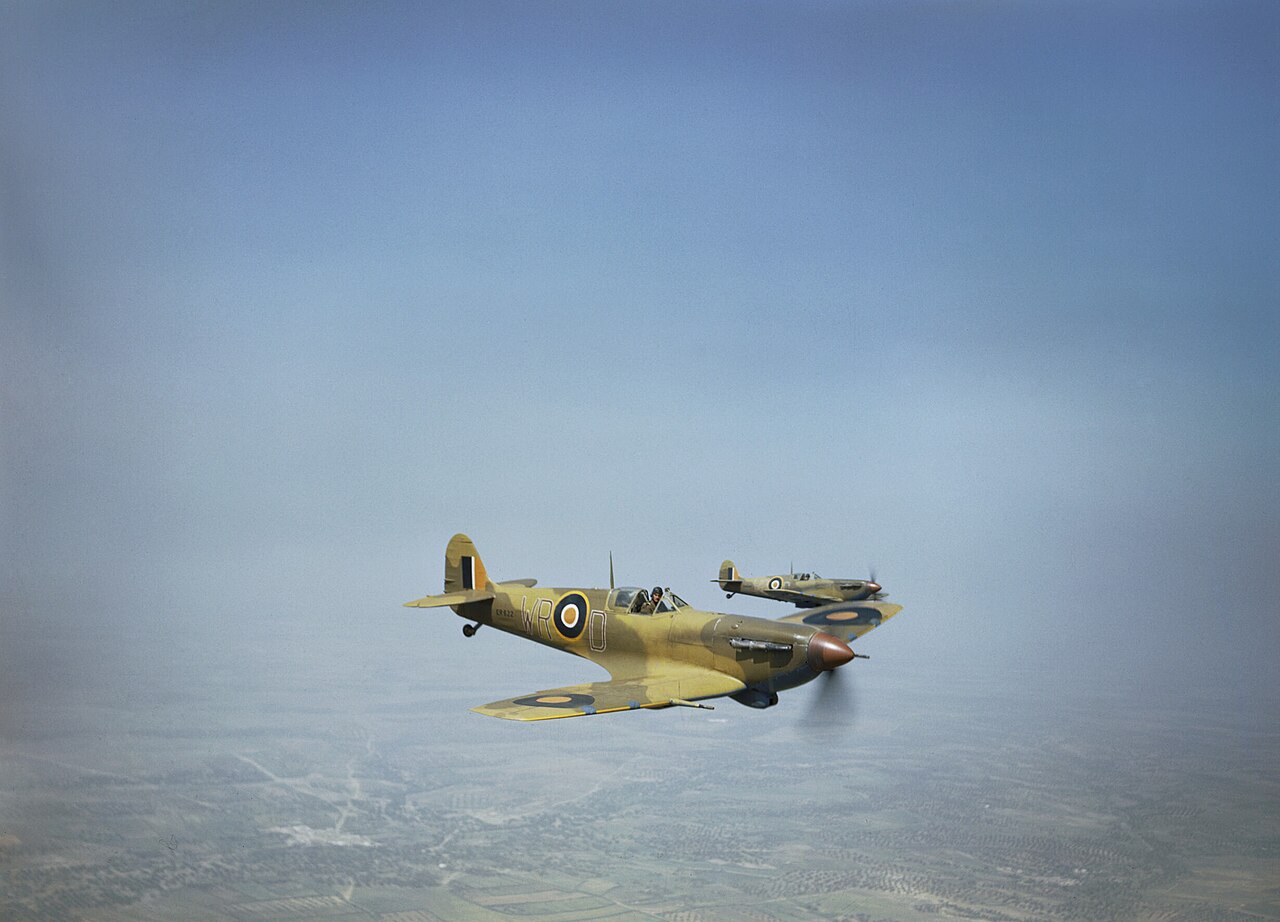
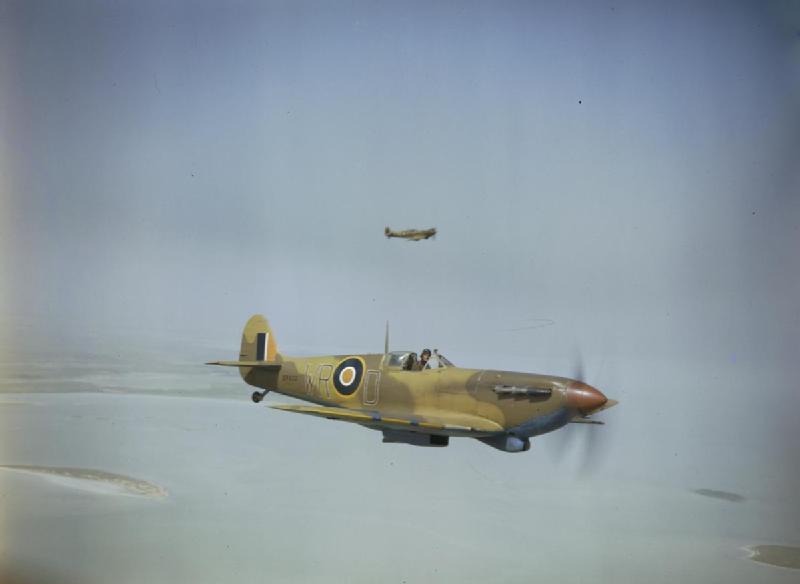
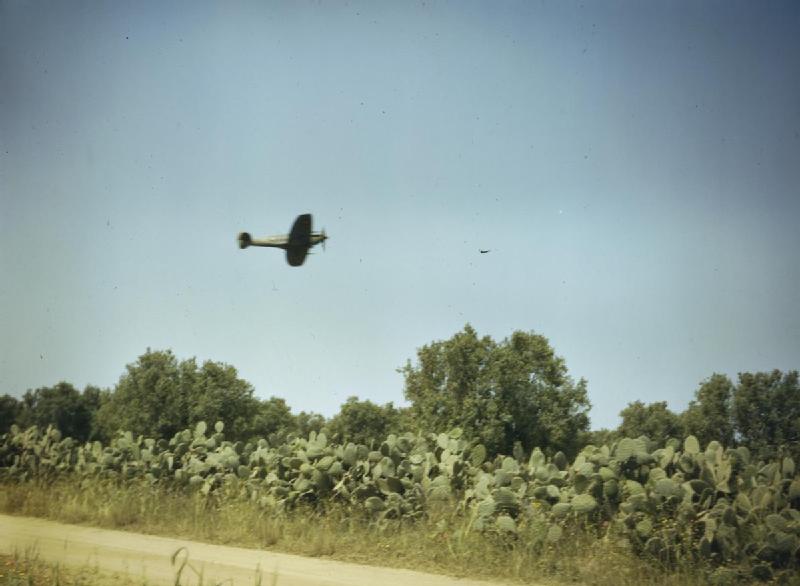

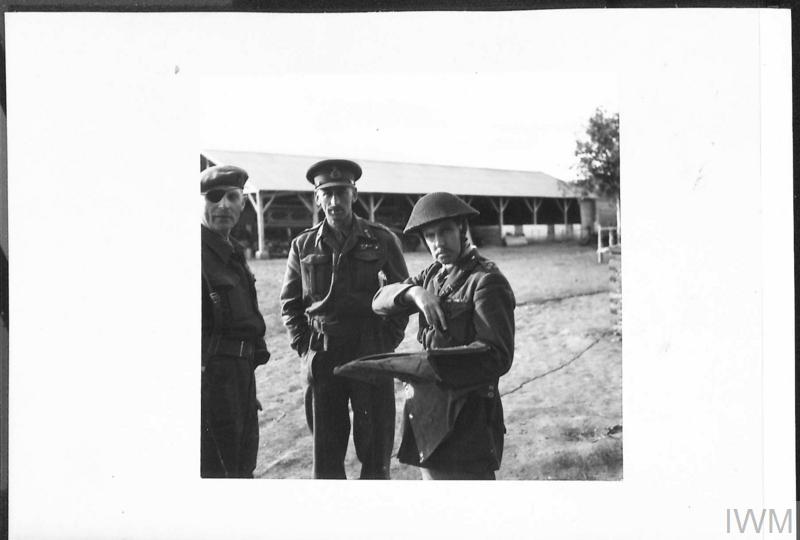
Frequently Asked Questions
What was the Tunisian Campaign?
The Tunisian Campaign was a series of battles in North Africa during World War II in which Allied forces worked to eliminate the last Axis foothold in the region. It ran from November 1942 through May 1943 and served as the final phase of the broader North African theater.
When did the Tunisian Campaign take place?
Fighting began on 8 November 1942 and ended on 13 May 1943, covering roughly six months of combat. It launched almost simultaneously with the Allied landings in French North Africa under Operation Torch.
Who fought on each side in the Tunisian Campaign?
The Allied coalition included British Imperial forces, a Greek contingent, and American and French corps, while the Axis side fielded German and Italian troops, including most of the Afrika Korps. Over 260,000 German and Italian soldiers were taken prisoner by the campaign's close.
How did the Tunisian Campaign end?
Allied forces squeezed the Axis from both the east and the west while relentlessly striking their supply lines, overwhelming the defenders in a pincer action. The campaign closed with the surrender of more than 260,000 Axis troops on 13 May 1943.
Why was the Tunisian Campaign important in World War II?
It removed the last major Axis presence in North Africa, opening the door for the Allied invasions of Sicily and Italy. The massive capture of over 260,000 enemy soldiers also demonstrated the effectiveness of combined Allied operations and severed Axis reinforcement routes into the Mediterranean.
More in World War Ii Topics 1-17
Spotted an error? Know more?
Reader corrections go straight into our review queue. Suggest an edit · How this site is sourced