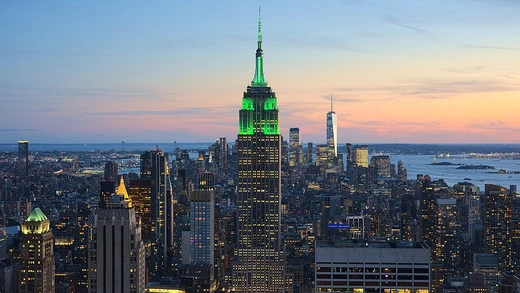
Toledo, Ohio
Major Midwest trade center and fifth-busiest Great Lakes port.

O'Reilly, Tom · Public domain
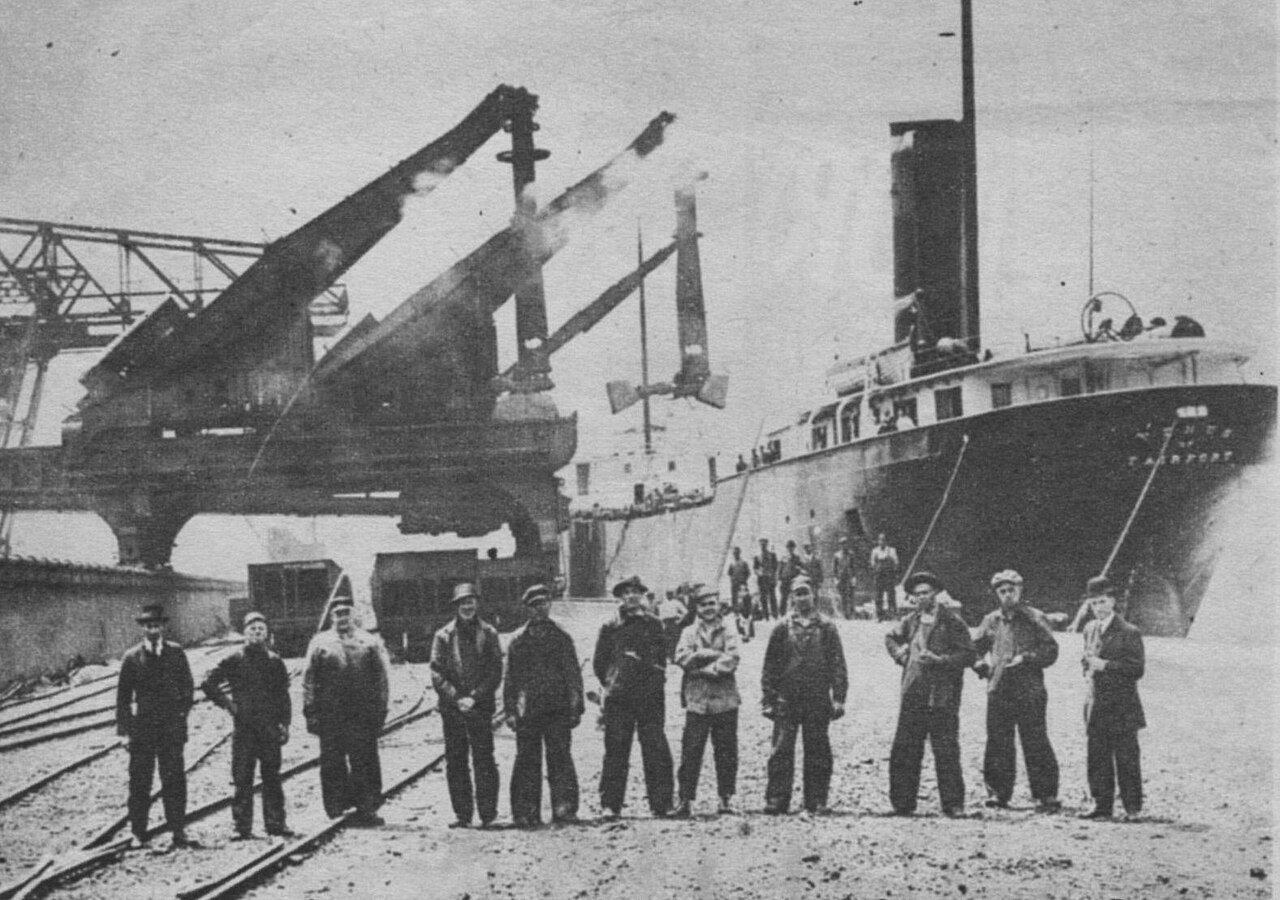
Toledo is the seat of Lucas County, Ohio, and sits at the western tip of Lake Erie on the Maumee River. With 270,871 people counted in the 2020 census, it ranks as Ohio’s fourth-largest city and the 88th-largest in the United States. Its metropolitan area holds about 601,000 residents. The city is a key Midwestern trade hub, and its port ranks fifth-busiest on the Great Lakes.
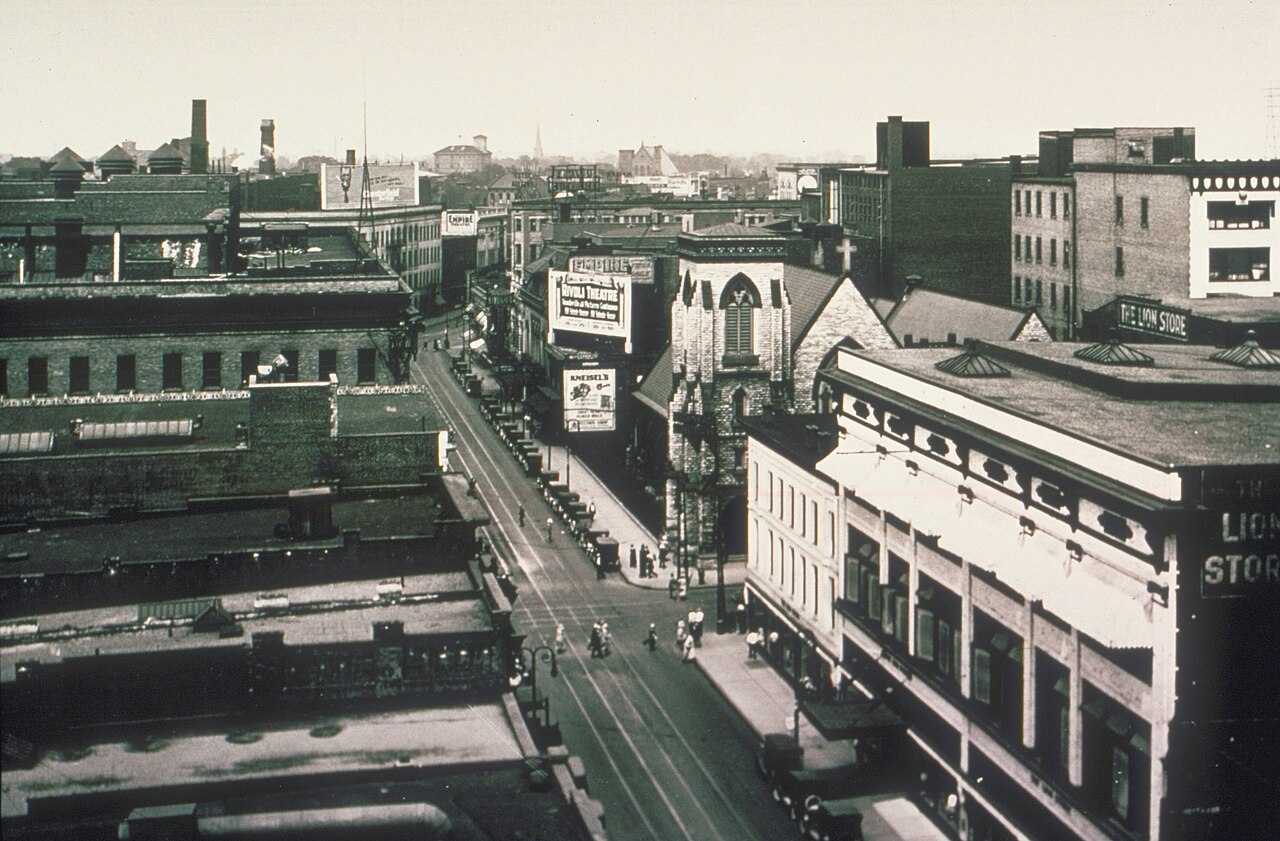
Founded in 1833 on the Maumee’s west bank, Toledo was first incorporated under the Michigan Territory. After the Toledo War ended, it was reincorporated in Ohio in 1837. Growth sped up following the Miami and Erie Canal’s completion in 1845, and the city also benefited from its spot on the rail line linking New York City and Chicago. The first glass manufacturers arrived in the 1880s, giving Toledo its nickname, “The Glass City.” Downtown has seen major revitalization, including a growing entertainment district, and the city is home to the University of Toledo.
The area was originally controlled by the Wyandot and the Council of Three Fires—the Ojibwe, Potawatomi, and Odawa. French traders set up posts there by 1680 for the fur trade. The Odawa moved from Manitoulin Island and the Bruce Peninsula, with some historical accounts noting French involvement, though the precise circumstances are debated among historians. They settled near Fort Detroit, about 60 miles north, and spread into northwest Ohio.
By the early 1700s, the Odawa occupied most of the Maumee River to its mouth, acting as middlemen between the French and western tribes. The Wyandot held central Ohio, while the Shawnee and Lenape lived in the south. When Toledo later paved its streets, surveys reportedly found semicircular earthworks, likely for stockades, though the exact number and locations are not reliably documented.
Around 1805, according to Charles E. Slocum, the U.S. military built Fort Industry as a temporary stockade at Swan Creek’s mouth, though no official records confirm this. The U.S. worked to replace Native populations with white settlers. The Treaty of Detroit (1807), signed by four tribes with Michigan Territory governor William Hull, ceded a large area of southeastern Michigan and northwestern Ohio, including the future site of Toledo. Odawa reserves in northwest Ohio were set aside for a limited time.
Quick Facts
- Nickname
- The Glass City
- Motto
- "Laborare est Orare" (To Work is to Pray)
- Blank Emblem Type
- Logo
- Established Title
- Founded
- Established Date
- 1837
Facts from the source article.
Lore & Background
The region was originally controlled by the Wyandot and the Council of Three Fires (Ojibwe, Potawatomi, and Odawa). French trading posts were established by 1680. They settled areas extending into northwest Ohio. By the early 18th century, the Odawa occupied most of the Maumee River to its mouth, serving as middlemen between the French and other tribes. The Wyandot held central Ohio, while the Shawnee and Lenape occupied southern areas. When the city prepared to pave its streets, surveys reportedly found semicircular earthworks, typical of mound-building peoples, though the exact number and locations are not reliably documented. In the 19th century, the American military built Fort Industry at the mouth of Swan Creek around 1805, though no official reports support earlier traditions.
Reader's Guide
Toledo's significance stems from its strategic location at the western end of Lake Erie and along the Maumee River, making it a key trade hub for the Midwest. Its port is the fifth-busiest on the Great Lakes, facilitating commerce. The city's growth was propelled by the Miami and Erie Canal, completed in 1843, which connected it to eastern markets, and later by railroads that made it a hub for several companies. The arrival of glass manufacturers in the 1880s earned Toledo the nickname 'The Glass City.' Downtown Toledo has undergone major revitalization efforts, including a growing entertainment district. The University of Toledo is located in the city. The Toledo War, though nearly bloodless, resolved a boundary dispute between Ohio and Michigan Territory, awarding the land to Ohio. The city's history also reflects the displacement of Native American tribes, including the Odawa, who were removed by 1839. Toledo's legacy is that of a transportation and industrial center that overcame early competition from neighboring towns to become a major urban area in Ohio.
Did You Know?
- Toledo was founded in 1833 on the west bank of the Maumee River and originally incorporated as part of the Michigan Territory.
- The only casualty of the Toledo War was a Michigan deputy sheriff stabbed in the leg with a penknife by Two Stickney.
- The city's nickname 'The Glass City' comes from the first glass manufacturers arriving in the 1880s.
- Prehistoric semicircular earthworks, typical of mound-building peoples, were found at two locations in Toledo.
Geography & Economic Identity
Toledo sits at the western tip of Lake Erie where the Maumee River meets the open water, granting it a natural advantage as a shipping hub. As the county seat of Lucas County, it anchors a metropolitan region of roughly 601,000 people and stands as Ohio's fourth-largest city, with a 2020 census count of 270,871 residents. Its port ranks as the fifth-busiest on the entire Great Lakes system, cementing Toledo's role as a critical trade artery for the broader Midwest. The city's position on the historic rail corridor linking New York City to Chicago further amplified its commercial reach during the nineteenth century. Today, downtown revitalization projects and an expanding entertainment district signal ongoing investment in the urban core, while the University of Toledo provides an academic anchor. The confluence of water, rail, and trade infrastructure has shaped Toledo's identity far beyond its modest population figures, making it a logistical linchpin for the region.
The Founding Dispute & Toledo War
Toledo's origins are tangled in territorial rivalry. The settlement was first incorporated in 1833 on the west bank of the Maumee River, but it was initially part of the Michigan Territory rather than Ohio. The two rival towns of Port Lawrence and Vistula had merged that same year to strengthen their bid for the Miami and Erie Canal terminus, choosing the name Toledo amid competing legends about who first suggested it. The broader dispute over a narrow strip of land stretching from the Indiana border to Lake Erie—now home to the city and suburbs like Sylvania and Oregon—escalated into the so-called Toledo War of 1835 to 1836, a largely bloodless confrontation between Ohio and the Michigan Territory. The conflict was ultimately resolved, and in 1837 Toledo was re-founded and properly incorporated within Ohio. This rocky birth, born from competing canal ambitions and territorial claims, set the stage for a city that would grow rapidly once the Miami and Erie Canal was completed in 1845.
Industrial Growth & the Glass City Legacy
The completion of the Miami and Erie Canal in 1845 transformed Toledo from a small canal-side settlement into a thriving commercial center. The waterway connected Cincinnati to Lake Erie, opening routes to eastern markets through the Erie Canal and Hudson River, and Toledo's location on the New York-to-Chicago rail line compounded its growth. By the 1880s, the first of what would become a wave of glass manufacturers arrived, drawn to the city's abundant raw materials and transportation infrastructure. Over the following decades, glassmaking became so deeply woven into the local economy and civic pride that Toledo earned the enduring nickname "The Glass City." This industrial identity shaped the city's character for generations. In more recent decades, downtown Toledo has undergone significant revitalization, including the development of a growing entertainment district that seeks to build on the city's layered heritage. The University of Toledo now serves as a modern pillar of the community, complementing the industrial legacy that once defined the skyline.
Indigenous Inhabitants & Displacement
Long before European contact, the Maumee River valley and its shores were home to the Wyandot and the peoples of the Council of Three Fires—the Ojibwe, Potawatomi, and Odawa. By the early 1700s, the Odawa controlled much of the river corridor down to its mouth, acting as intermediaries between French traders and tribes farther west and north. The French had established trading posts in the region by 1680 to exploit the fur trade, and they later invited Odawa bands from Manitoulin Island and the Bruce Peninsula to settle in the area. Prehistoric semicircular earthworks, likely stockades built by mound-building peoples, were still visible at street intersections in modern Toledo. The United States pursued a steady campaign of land acquisition through treaties, including the Treaty of Detroit in 1807, in which the four tribes ceded vast tracts of what became northwestern Ohio. Despite reserved lands, the final Odawa families departed in 1839 when Ottoke, grandson of Pontiac, led his band from the Maumee River's mouth to Indian Territory in Kansas.
Gallery
Frequently Asked Questions
Who is Toledo, Ohio?
Toledo is the county seat of Lucas County and Ohio's fourth-largest city, perched where the Maumee River flows into the western tip of Lake Erie. The 2020 census counted roughly 271,000 residents, placing it 88th among U.S. cities.
What is Toledo, Ohio known for?
It serves as a major Midwestern trade gateway, operating the fifth-busiest port on the entire Great Lakes system. That shipping infrastructure underpins a metro area of about 601,000 people who depend on the port for commerce and logistics.
How does Toledo, Ohio's story begin?
The settlement was first laid out in 1833 on the Maumee's west bank and incorporated under Michigan Territory. After the brief Toledo War dispute settled, Ohio formally reincorporated the city in 1837, and the arrival of the Miami and Erie Canal quickly fueled its growth.
Why is Toledo, Ohio important?
Sitting at the natural junction of the Maumee River and Lake Erie, it has functioned as a key chokepoint for Great Lakes commerce for nearly two centuries. That geographic advantage keeps it one of the region's most significant shipping and trade centers.
What is Toledo, Ohio's nickname and where exactly is it?
Locals call it "The Glass City," a nod to the glassmaking industry that helped shape its industrial character. Geographically, it anchors the western shore of Lake Erie in northwestern Ohio, built along the banks of the Maumee River.
More in Us Cities 1-17
Spotted an error? Know more?
Reader corrections go straight into our review queue. Suggest an edit · How this site is sourced