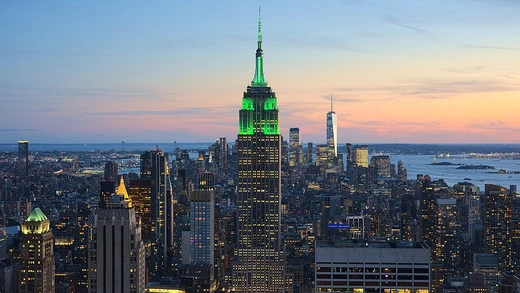
Savannah, Georgia
Georgia's first city, a historic port and cultural gem.

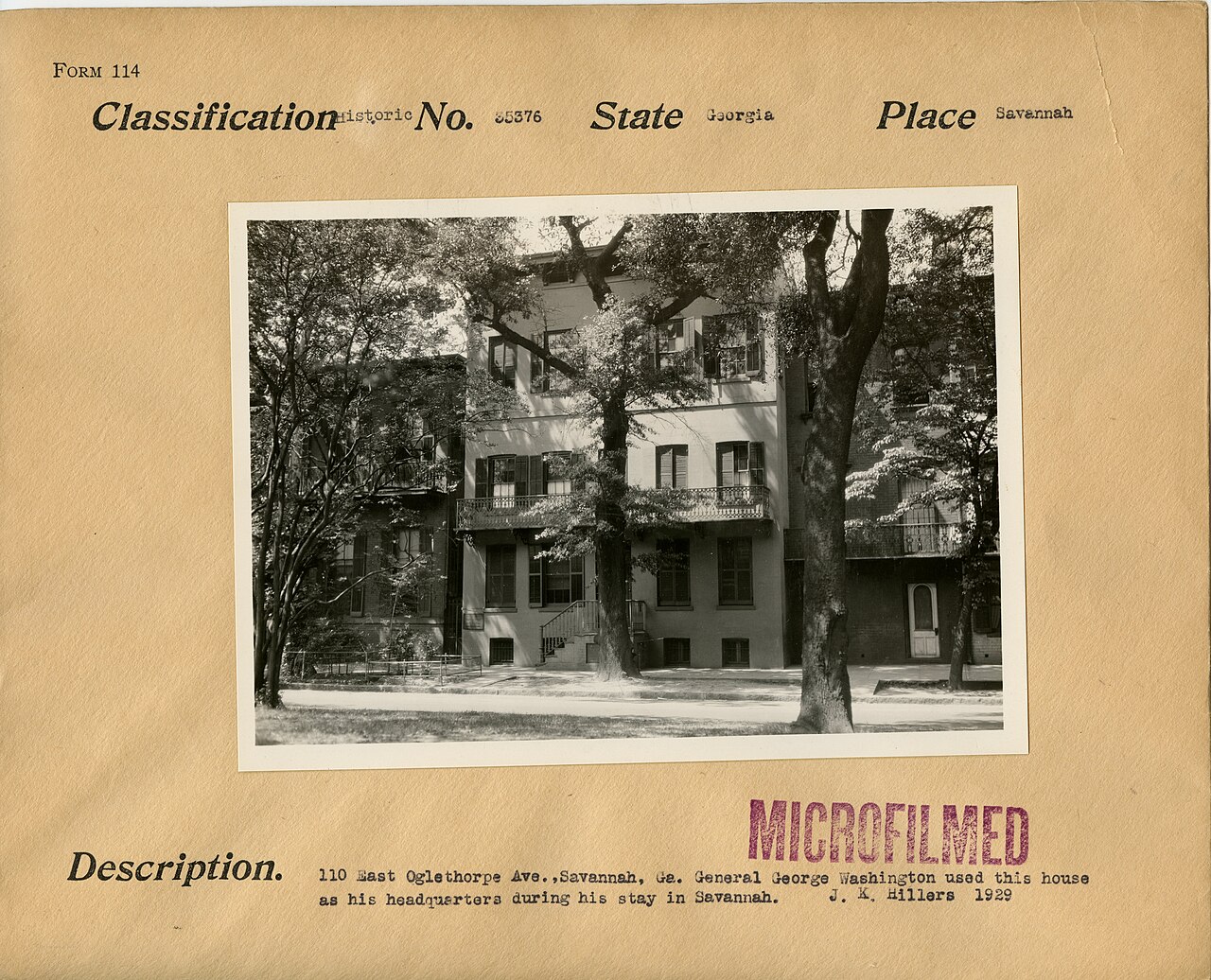
Department of Commerce. Bureau of Public Roads. 8/20/1949-4/1/1967 · Public domain
Savannah, the seat of Chatham County, Georgia, sits on the Savannah River and was founded in 1733, making it the state’s oldest city. It served as the capital of the colonial Province of Georgia and later as Georgia’s first state capital. A key port during the American Revolution and the Civil War, Savannah remains an industrial hub and a major Atlantic seaport. It is the most populous city in Coastal Georgia and the fifth-largest in the state, with a 2020 census count of 147,780 and an estimated 149,440 residents in 2025. The Savannah metropolitan area, home to roughly 438,000 people in 2025, ranks as Georgia’s third-largest metro region. Millions of tourists visit each year to explore its cobblestone streets, parks, and historic landmarks. Notable sites include the birthplace of Juliette Gordon Low, founder of the Girl Scouts of the USA; the Georgia Historical Society, the South’s oldest continuously operating historical society; the Telfair Academy of Arts and Sciences, one of the South’s first public museums; the First African Baptist Church, among the oldest African-American Baptist congregations in the country; Temple Mickve Israel, the third-oldest synagogue in the United States; and the Central of Georgia Railway roundhouse complex, the oldest surviving antebellum rail facility in the U.S., now a museum and visitor center. Downtown Savannah, encompassing the Savannah Historic District, its 22 parklike squares, and the Savannah Victorian Historic District, forms one of the largest National Historic Landmark Districts in the U.S., designated in 1966. The downtown area largely follows founder James Oglethorpe’s original town plan, known as the Oglethorpe Plan. During the 1996 Summer Olympics in Atlanta, Savannah hosted sailing competitions in nearby Wassaw Sound. On February 12, 1733, General James Oglethorpe and settlers from the ship *Anne* landed at Yamacraw Bluff, where they were met by Tomochichi of the Yamacraws and traders John and Mary Musgrove, who often interpreted. That day marked the founding of both Savannah and the colony of Georgia. In 1751, Savannah and the rest of Georgia became a Royal Colony, with Savannah as its capital. By the American Revolution, Savannah was the southernmost commercial port among the Thirteen Colonies. British forces captured the city in 1778, and a combined American and French force, including Haitians, failed to dislodge them at the Siege of Savannah the following year. The British did not leave until July 1782. In December 1804, the state legislature moved the capital to Milledgeville. A prosperous seaport throughout the 1800s, Savannah was the Confederacy’s sixth most populous city and a primary target of General William T. Sherman’s March to the Sea. On December 21, 1864, local officials negotiated a peaceful surrender to spare the city, and Union troops entered at dawn. The city’s name comes from the Savannah River, which likely derives from variant names for the Shawnee people, who migrated to the river in the 1680s. The Shawnee displaced the Westo and settled near present-day Augusta, Georgia. Their native name, Ša·wano·ki (meaning “southerners”), appeared in local variants such as Shawano, Savano, Savana, and Savannah. Another theory holds that “Savannah” refers to the river’s extensive marshlands, from the English term “savanna” (a tropical grassland), borrowed from Spanish *sabana*, itself from the Taino word *zabana*. Other suggestions trace the name to Algonquian words for “southerners,” “salt,” or *savanne*, meaning “muddy water” or “drowned prairie.” Savannah sits on the Savannah River, about 20 miles upstream from the Atlantic Ocean. According to the 2011 U.S. Census Bureau, the city covers 108.7 square miles, of which 103.1 square miles is land and 5.6 square miles (5.15%) is water. It is the primary port on the Savannah River and Georgia’s largest port, also near the U.S. Intracoastal Waterway. Georgia’s Ogeechee River flows into the Atlantic about 16 miles south of downtown, forming the city’s southern boundary. The city is prone to flooding due to heavy rainfall, low elevation near sea level, and a coastline shape that increases hurricane surge risk. Savannah currently uses five canals and has built several pumping stations to mitigate flash flooding. Savannah has a humid subtropical climate (Köppen Cfa), typical of the Deep South, with long, nearly tropical summers and short, mild winters. The city experiences only a few freezing days each year, and snow is rare. Its coastal location moderates extreme temperatures compared to inland Georgia. The highest recorded temperature was 105 °F (July 20, 1986, and July 12, 1879), and the lowest was 3 °F during the January 1985 Arctic outbreak. Summers are hot and humid, with frequent but brief thunderstorms.
Quick Facts
- Nickname
- "The Hostess City of the South"
- Founder
- James Oglethorpe
- Established Title
- Established
- Established Date
- 1733-02-12
- Settlement Type
- City
- Blank Emblem Type
- Logo
Facts from the source article.
Lore & Background
On February 12, 1733, General James Oglethorpe and settlers from the ship Anne landed at Yamacraw Bluff and were greeted by Tomochichi, the Yamacraws, and Indian traders John and Mary Musgrove. Mary Musgrove often served as an interpreter. The city of Savannah and the colony of Georgia were founded on that date. By the outbreak of the American Revolutionary War, Savannah had become the southernmost commercial port in the Thirteen Colonies. British troops took the city in 1778, and the following year, a combined force of American and French soldiers, including Haitians, failed to rout the British at the Siege of Savannah. The British did not leave the city until July 1782. In December 1804 the state legislature declared Milledgeville the new capital of Georgia. Savannah, a prosperous seaport throughout the nineteenth century, was the Confederacy's sixth most populous city and the prime objective of Major General William T. Sherman's March to the Sea. On December 21, 1864, local authorities negotiated a peaceful surrender to save Savannah from destruction, and Union troops marched into the city at dawn.
Reader's Guide
Savannah attracts millions of visitors each year to its cobblestone streets, parks, and notable historic buildings. These include the birthplace of Juliette Gordon Low (founder of the Girl Scouts of the USA), the Georgia Historical Society (the oldest continually operating historical society in the South), the Telfair Academy of Arts and Sciences (one of the South's first public museums), the First African Baptist Church (one of the oldest African-American Baptist congregations in the United States), Temple Mickve Israel (the third-oldest synagogue in the U.S.), and the Central of Georgia Railway roundhouse complex (now a museum and visitor center). Savannah's downtown area, which includes the Savannah Historic District, its 22 parklike squares, and the Savannah Victorian Historic District, is one of the largest National Historic Landmark Districts in the U.S., designated by the federal government in 1966. Downtown Savannah largely retains the founder James Oglethorpe's original town plan, a design known as the Oglethorpe Plan. During the 1996 Summer Olympics hosted by Atlanta, Savannah held sailing competitions in the nearby Wassaw Sound.
Did You Know?
- Savannah was named after the Savannah River, which probably derives from variant names for the Shawnee, a Native American people.
- The city is prone to flooding due to abundant rainfall, an elevation just above sea level, and the shape of the coastline.
- Savannah's climate is humid subtropical, with rare snowfall and extreme temperatures ranging from 105 °F to 3 °F.
- The first meteorological observations in Savannah probably occurred at Oglethorpe Barracks circa 1827.
Founding & Colonial Roots
Savannah's story begins on February 12, 1733, when General James Oglethorpe and settlers from the ship Anne landed at Yamacraw Bluff, greeted by Tomochichi, the Yamacraw people, and Indian traders John and Mary Musgrove, with Mary often serving as interpreter. That single landing established both the city and the colony of Georgia, making Savannah the oldest city in the state. By 1751 it had become the capital of a Royal Colony, a role it kept until the legislature relocated the state capital to Milledgeville in 1804. The city's name carries layered origins: the leading theory traces it to the Shawnee, whose word Ša·wano·ki meant 'southerners' and who had displaced the Westo at the river's fall line near present-day Augusta. Other explanations link it to the English 'savanna,' borrowed through Spanish from the Taino word for tropical grassland, or to Algonquian terms for 'muddy water.' Whatever the true root, Oglethorpe's original grid of streets and twenty-two parklike squares still defines the downtown layout, a design so enduring that it anchors one of the nation's largest National Historic Landmark Districts, federally designated in 1966.
Wars That Shaped the City
Savannah's strategic position on the river made it a prize in every major conflict that touched the American South. By the time the Revolutionary War erupted, it had grown into the southernmost commercial port among the Thirteen Colonies. British forces seized the city in 1778, and the following year a combined American, French, and Haitian army attempted to dislodge them in the Siege of Savannah, only to suffer defeat. The British garrison would not withdraw until July 1782. Nearly a century later, Savannah's prosperity as a nineteenth-century seaport made it the Confederacy's sixth-largest city and the ultimate target of Major General William T. Sherman's March to the Sea. On December 21, 1864, local officials arranged a peaceful handover to keep the city from being destroyed, and Union soldiers entered at first light. The contrast between those two occupations—British troops holding a colonial port for four years and Sherman's army arriving to a negotiated surrender—captures how much the city's military significance evolved across the long arc of American history, from colonial frontier to industrial Atlantic seaport.
A Living Museum of the South
Millions of visitors walk Savannah's cobblestone streets each year, drawn by a concentration of historic buildings that few American cities can match. The downtown area, encompassing the Savannah Historic District, its twenty-two parklike squares, and the Savannah Victorian Historic District, was designated a National Historic Landmark District in 1966 and ranks among the largest in the country. Within that boundary sit landmarks of extraordinary breadth: the birthplace of Juliette Gordon Low, who would go on to found the Girl Scouts of the USA; the Georgia Historical Society, the oldest continually operating historical society in the South; the Telfair Academy of Arts and Sciences, one of the region's earliest public museums; the First African Baptist Church, among the oldest African-American Baptist congregations in the nation; and Temple Mickve Israel, the third-oldest synagogue in the United States. The Central of Georgia Railway roundhouse complex, the oldest standing antebellum rail facility in the country, now serves as a museum and visitor center. Together these sites make Savannah less a single historic landmark than a layered, walkable archive of Southern life.
River, Rain, and the Rhythm of the Coast
Savannah sits roughly twenty miles upriver from the Atlantic, perched on the Savannah River with the Ogeechee River marking its southern boundary sixteen miles south of downtown. The city spans 108.7 square miles, of which just over five percent is water, and it serves as the primary port on the Savannah River and the largest port in Georgia, sitting near the U.S. Intracoastal Waterway. Its climate is humid subtropical, bringing long, almost tropical summers with frequent brief thunderstorms and short, mild winters in which January's average high hovers near sixty-one degrees. Snow is rare, and while roughly twenty-one days per year see lows below freezing, some seasons bring fewer than ten such nights; the January 1985 Arctic outbreak drove the mercury to a record three degrees. The city's low elevation, heavy rainfall, and open coastline make it vulnerable to flooding and hurricane surge; five canals and a network of pumping stations work to mitigate flash flooding. Half of Savannah's annual precipitation falls between June and September, and summer dewpoints routinely sit in the high sixties to low seventies, giving the air a persistent, heavy warmth that defines the Deep South experience.
Gallery
Frequently Asked Questions
Who is Savannah, Georgia?
Savannah is the oldest city in the state of Georgia, established back in 1733 along the Savannah River. It serves as the county seat of Chatham County and is home to roughly 147,780 residents.
What is Savannah, Georgia known for?
The city operates as a major Atlantic port and industrial center, giving it significant economic weight in the region. Historically, it also held political power as the capital of the colonial Province of Georgia and later as the state's first capital.
Why is Savannah, Georgia important?
The city played a pivotal military role during both the American Revolution and the Civil War, cementing its place in American history. Its riverside position also made it a long-standing trade and shipping gateway for the region.
What's Savannah, Georgia's origin story?
General James Oglethorpe founded the settlement on February 12, 1733, creating what would become Georgia's first permanent city. Its location on the Savannah River made it a natural choice for a colonial outpost and eventual state capital.
More in Us Cities 1-17
Spotted an error? Know more?
Reader corrections go straight into our review queue. Suggest an edit · How this site is sourced