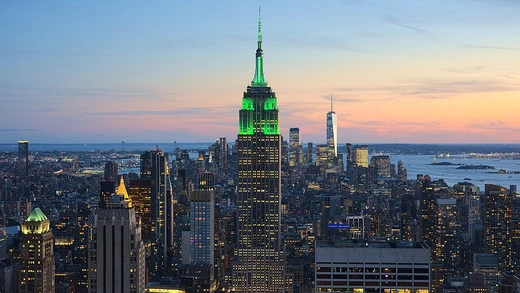
Spokane, Washington
Economic and cultural hub of the Inland Northwest.

Unknown author · Public domain
Spokane is a city in and the county seat of Spokane County in the U.S. state of Washington. It lies along the Spokane River, adjacent to the Selkirk Mountains and west of the Rocky Mountain foothills. Spokane is the most populous city in eastern Washington and the second-most populous city in all of Washington, with a population of 228,989 at the 2020 census. It is the economic and cultural center of the Inland Northwest, known as the birthplace of Father's Day and locally by the nickname 'Lilac City,' while also being home to the world's largest basketball tournament, the Spokane Hoopfest, which has earned the city the promotional nickname 'Hooptown USA.'
Quick Facts
- Native Name
- sƛ̓x̌etkʷ
- Named For
- Spokane people
- Nickname
- The Lilac City
- Motto
- Creative by Nature
- Blank Emblem Type
- Logo
Facts from the source article.
Lore & Background
The first people to live in the area were the Spokane tribe, whose name means 'children of the sun' in Salishan. David Thompson explored the area with the westward expansion and establishment of the North West Company's Spokane House in 1810, which was an early European settlement in the region, though not the first in Washington. Completion of the Northern Pacific Railway's transcontinental line reached Spokane in 1881, bringing many settlers, and the city was officially incorporated that year under the name Spokane Falls, re-incorporated under its current name ten years later. (The railroad itself was completed in 1883.) In the late 19th century, gold and silver were discovered in the Inland Northwest, and the local economy depended on mining, timber, and agriculture until the 1980s. Spokane hosted the first environmentally themed World's fair at Expo '74.
Reader's Guide
Spokane's significance lies in its role as the economic and cultural center of the Inland Northwest, a region it has served since the establishment of the Spokane House trading post in 1810. The city's development was spurred by the Northern Pacific Railway and the discovery of gold and silver, shaping an economy based on mining, timber, and agriculture until the late 20th century. Its legacy includes hosting Expo '74, the first environmentally themed World's fair, and being the birthplace of Father's Day. The city is also known for the Spokane Hoopfest, the world's largest basketball tournament. Architecturally, many downtown Romanesque Revival-style buildings were designed by Kirtland Cutter after the Great Spokane Fire of 1889. Spokane is home to Gonzaga University (established 1887) and Whitworth University (founded 1890, moved to north Spokane in 1914), and its professional sports teams include the Spokane Indians, Spokane Chiefs, Spokane Velocity, and Spokane Zephyr FC.
Indigenous Roots & the Fur Trade Era
The land now known as Spokane was home to hunter-gatherers whose presence stretches back roughly 8,000 to 13,000 years, sustained by abundant fish and game. The Spokane tribe, whose name translates to "children of the sun" in the Salishan language, are believed to be either direct descendants of those earliest inhabitants or descendants of peoples from the Great Plains. When early white explorers arrived, the Spokanes told them their ancestors had come "up North." In the early 1800s, the first white men the Spokanes encountered were two fur trappers sent by the Northwest Fur Company, whom the tribe regarded as sacred and housed in the Colville River valley through the winter. Explorer-geographer David Thompson, heading the North West Company's Columbia Department, pushed further south and west in search of furs. He dispatched trappers Jacques Raphael Finlay and Finan McDonald to build a trading post at the confluence of the Little Spokane and Spokane rivers. Established in 1810, the Spokane House operated until 1826 and served as the headquarters for the fur trade between the Rocky and Cascade mountains for sixteen years, making it the first enduring European settlement of significance in what would become Washington state.
From Railroad Boom to Industrial Heartland
The arrival of the Northern Pacific Railway in 1881 transformed the Spokane area from a frontier outpost into a magnet for American settlers seeking opportunity. That same year, the community was officially incorporated under the name Spokane Falls, though it would be re-incorporated under its current name a decade later. The late nineteenth century brought a wave of mineral wealth as gold and silver were discovered across the Inland Northwest, and for well over a century the local economy ran on mining, timber, and agriculture. A defining turning point came with the Great Spokane Fire of 1889, which ravaged much of the downtown commercial district. In the aftermath, architect Kirtland Cutter designed many of the older Romanesque Revival-style buildings that still define the downtown skyline today. By the 1980s, the old extractive economy had given way, but the city had already cemented its identity as the economic and cultural hub of the Inland Northwest. With a 2020 census population of 228,989, Spokane stands as the most populous city in eastern Washington and the second-largest in the state after Seattle, while its metropolitan area is home to an estimated 605,000 residents.
Cultural Identity & the Built Heritage
Spokane carries a rich tapestry of nicknames and cultural claims. Locally, it is affectionately called the "Lilac City," while its official moniker is "Hooptown USA," a nod to the Spokane Hoopfest, billed as the world's largest basketball tournament. The city also holds the distinction of being the birthplace of Father's Day. In 1974, Spokane hosted Expo '74, the first World's Fair themed around environmental issues. The downtown landscape is dotted with landmarks that reflect its layered history: the Davenport Hotel, the Fox and Bing Crosby theaters, and the Smithsonian-affiliated Northwest Museum of Arts and Culture. Green spaces like the Riverfront and Manito parks offer outdoor recreation along the Spokane River. The spiritual life of the city is anchored by the Cathedral of Our Lady of Lourdes, seat of the Roman Catholic Diocese, and the Cathedral of St. John the Evangelist for the Episcopal Diocese, while the Spokane Washington Temple serves the Church of Jesus Christ of Latter-day Saints. Higher education is represented by Gonzaga University, founded in 1887 by the Jesuits, and the private Presbyterian Whitworth University, established three years later and relocated to north Spokane in 1914.
Sports, Media & the Wider Inland Northwest
Spokane's sporting culture is remarkably diverse. The Gonzaga Bulldogs compete at the Division I level in collegiate basketball, while the Spokane Indians play Minor League Baseball, the Spokane Chiefs compete in the Western Hockey League, the Spokane Velocity play in USL League One, and the women's Spokane Zephyr FC compete in the USL Super League. The city's aviation infrastructure is equally notable: Spokane International Airport sits just five miles west of downtown, and nearby Fairchild Air Force Base adds a military dimension to the region's air travel. The Inland Northwest is well connected by road, with I-90 linking Spokane 280 miles east to Seattle and 279 miles southwest to Calgary, while the city sits just twenty miles west of the Idaho state line and 110 miles south of the Canadian border. As of 2010, The Spokesman-Review, the region's major daily newspaper, maintained a daily circulation exceeding 76,000 readers, underscoring the city's role as a media and information hub for the broader area.
Gallery
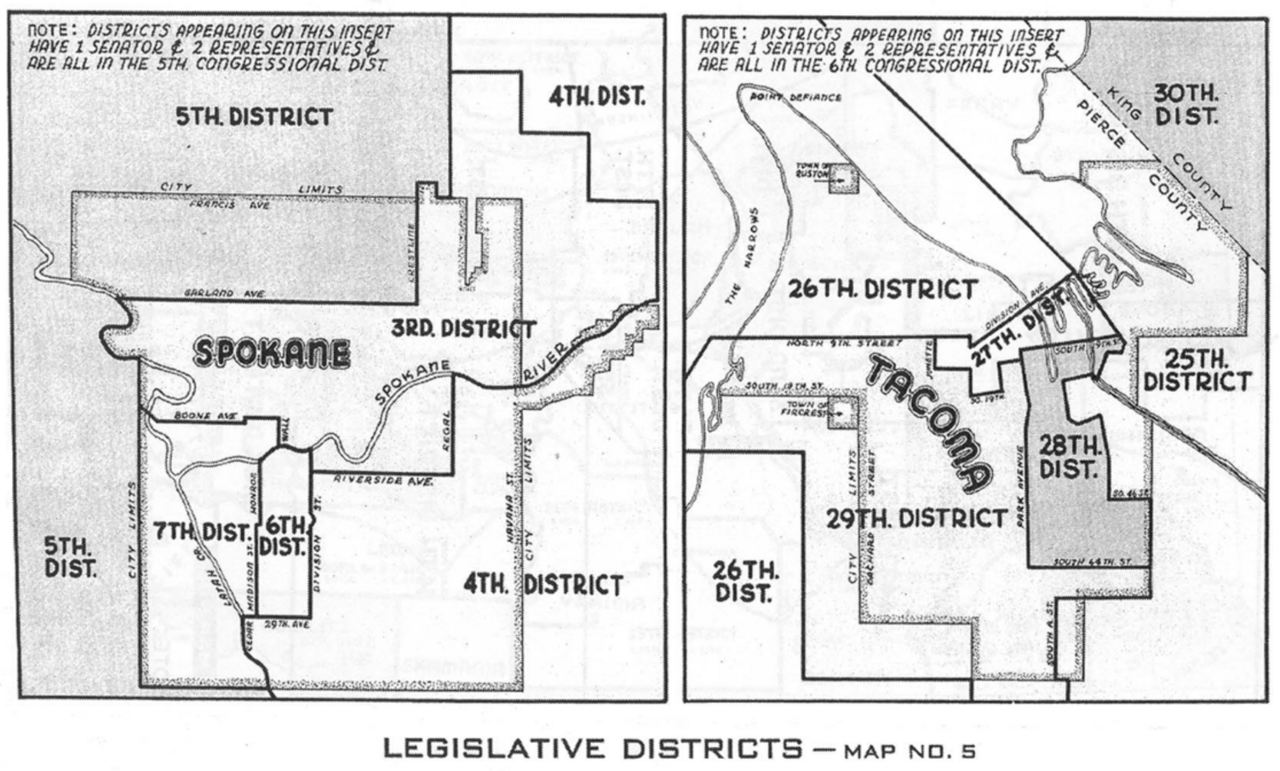
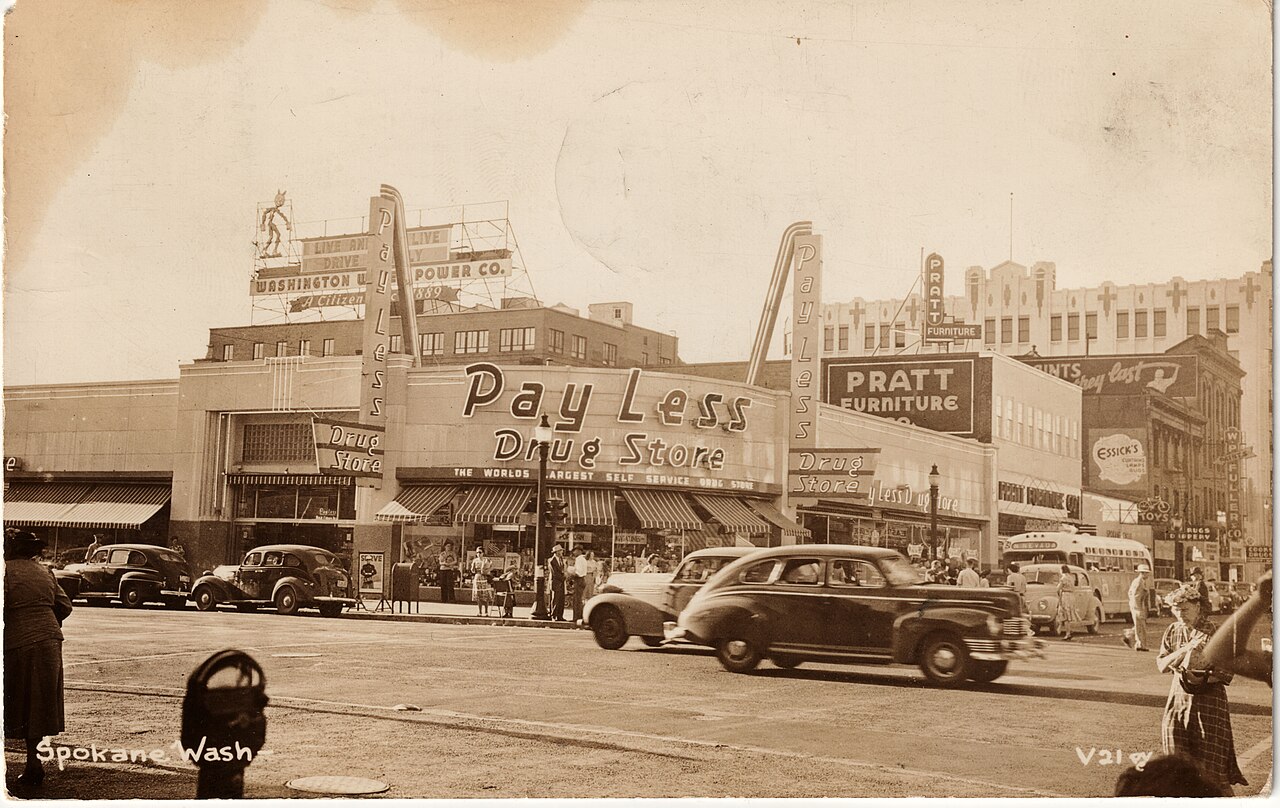
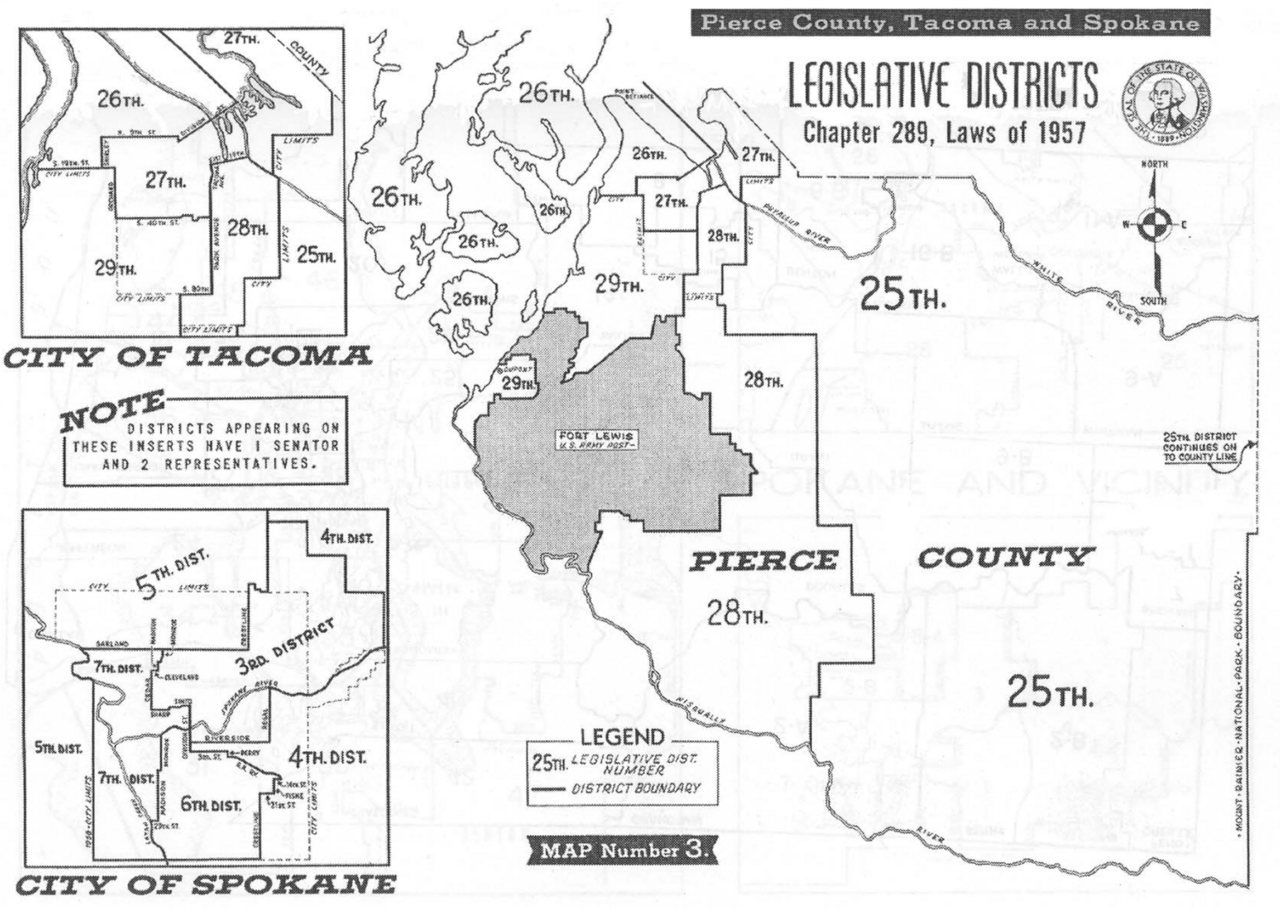
Frequently Asked Questions
Who is Spokane, Washington?
Spokane is the county seat of Spokane County and the most populous city in eastern Washington, nestled along the Spokane River at the foot of the Selkirk Mountains. It ranks as the second-largest city in the state of Washington.
What is Spokane, Washington's role in the region?
Spokane functions as the primary economic and cultural anchor for the entire Inland Northwest. It serves as the commercial, educational, and social hub that ties together the surrounding communities of eastern Washington.
What are Spokane, Washington's signature traits?
The city is affectionately called the "Lilac City" and is credited as the original birthplace of Father's Day. It also hosts the Spokane Hoopfest, widely recognized as the world's largest basketball tournament.
How large is Spokane, Washington's community?
The city proper recorded roughly 229,000 residents at the 2020 census, while the broader metropolitan area encompasses approximately 585,000 people.
Why is Spokane, Washington important?
As the dominant economic and cultural center of the Inland Northwest, Spokane drives the region's commerce, civic life, and identity. Its status as Washington's second-most populous city gives it outsized influence across the Pacific Northwest.
More in Us Cities 1-17
Spotted an error? Know more?
Reader corrections go straight into our review queue. Suggest an edit · How this site is sourced