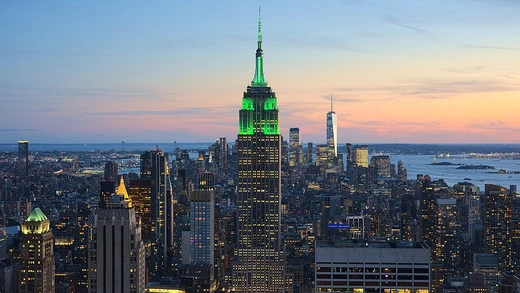
Santa Fe, New Mexico
Oldest state capital in the U.S., founded in 1610.

Netherzone · CC BY-SA 4.0
Santa Fe is the capital of New Mexico. Founded in 1610 as the capital of the Spanish province of Nuevo México, it holds the title of the oldest state capital in the United States. The city sits at the base of the Sangre de Cristo Mountains, and at approximately 7,000 feet (2,134 meters) above sea level, it is the highest-elevation state capital in the country. (Note: While earlier European settlements like San Gabriel and San Juan Pueblo were established in 1598, Santa Fe is the oldest continuously inhabited state capital.)
Quick Facts
- Native Name
- es · La Villa Real de la Santa Fe de San Francisco de Asís
- Settlement Type
- State capital
- Blank Emblem Type
- Coat of arms
- Etymology
- Spanish for "Holy Faith"
- Nickname
- The City Different
Facts from the source article.
Lore & Background
Before European colonization, the area around present-day Santa Fe was known to the Tewa peoples as Kháˀ Pʼoegeh ('white shell water place') and by the Navajo people as Yootó ('bead water place'). In 1598, Juan de Oñate established the area as Santa Fe de Nuevo México, a province of New Spain. The colonial governor Pedro de Peralta renamed the settlement La Villa Real de la Santa Fé de San Francisco de Asís in 1610 and designated it the capital of the province. The city prospered as a leading commercial and transportation hub, driven by trade routes such as El Camino Real de Tierra Adentro and the Santa Fe Trail.
Nuevo México became a territory of Mexico after Mexican independence from Spain in 1821, and Santa Fe remained the capital. It was ceded to the United States in 1848 following the Mexican–American War, and in 1851 Santa Fe was named the capital of the U.S. Territory of New Mexico; it became New Mexico's state capital in 1912. The city's development and character were impacted by Spanish, Mexican, and American periods. Santa Fe is known for its adobe-style Pueblo Revival and Territorial Revival architecture, much of which is preserved and protected.
Reader's Guide
Santa Fe's significance lies in its continuous role as a political and cultural center for over 400 years, blending indigenous, Spanish, and American influences. It is considered the cultural capital of the Southwestern United States and is widely regarded as one of the country's major art cities. In 2005, it became the first U.S. city inducted into the UNESCO Creative Cities Network. The city hosts more than 250 art galleries, a large concentration of museums, and three annual art events: the Santa Fe International Folk Art Market, the Traditional Spanish Colonial Market, and the Indian Market. One-tenth of all employment is related to artistic and cultural industries, with writers and authors making up the highest proportion of the labor force of any U.S. city. Cultural highlights include Santa Fe Plaza, Santa Fe Historic District, the Palace of the Governors, and Fiesta de Santa Fe. The city is also known for its contributions to New Mexican cuisine and New Mexico music. Among its many artistic institutions are the Georgia O'Keeffe Museum, the Chuck Jones Gallery, and the art collective Meow Wolf.
Did You Know?
- Santa Fe is the oldest state capital in the United States, founded in 1610.
- It is situated at the highest altitude of any U.S. state capital, with the state capitol building at 7,199 feet (2,194 m) and the city averaging approximately 7,000 feet (2,134 m).
- The city's original name was La Villa Real de la Santa Fe de San Francisco de Asís (Royal Town of the Holy Faith of Saint Francis of Assisi).
Indigenous Roots & Colonial Founding
Before European contact, the land that would become Santa Fe was home to Tanoan and Pueblo peoples who established villages along the Rio Grande and the Santa Fe River. The Tewa called the area Kháˀ Pʼoegeh, meaning 'white shell water place,' while the Navajo referred to it as Yootó, a compound of 'bead' and 'water place.' A cluster of Tewa dwellings centered on what is now the Plaza dates to sometime after 900 AD, with broader Tanoan settlement along the river spanning the mid-11th through mid-12th centuries. By the early 17th century, however, the site had been unoccupied for at least two centuries. Juan de Oñate's 1598 colonization effort established the province of Santa Fe de Nuevo México, though his harsh treatment of indigenous peoples led to his exile from the territory. It was Pedro de Peralta who, in 1607, laid out a new town at the base of the Sangre de Cristo Mountains and designated it the provincial capital in 1610. The 1680 Pueblo Revolt then expelled the Spanish for twelve years, with Pueblo peoples governing from the very Palace of the Governors before Diego de Vargas's contested reconquest in 1692.
A Capital Through the Ages
Santa Fe holds the distinction of being the oldest continuously serving state capital in the United States, a role it has held almost without interruption since 1610. Its full original name, La Villa Real de la Santa Fe de San Francisco de Asís, shortened over time to simply Santa Fe—Spanish for 'Holy Faith'—carries the imprint of its colonial origins. The city's political identity shifted with the tides of empire: it was Spain's provincial seat when the Mexican War of Independence erupted in 1810, became part of Mexican territory after 1821, was ceded to the United States following the Mexican–American War in 1848, and was formally named capital of the U.S. Territory of New Mexico in 1851. Statehood in 1912 cemented its position as New Mexico's capital. Throughout every regime—Spanish, Mexican, and American—Santa Fe remained the political and cultural nerve center of the region, absorbing each era's influence into its evolving character. Today it is the county seat of Santa Fe County, the fourth-largest city in the state with roughly 87,500 residents, and sits at 6,998 feet, the highest elevation of any U.S. state capital.
The Artistic Heart of the Southwest
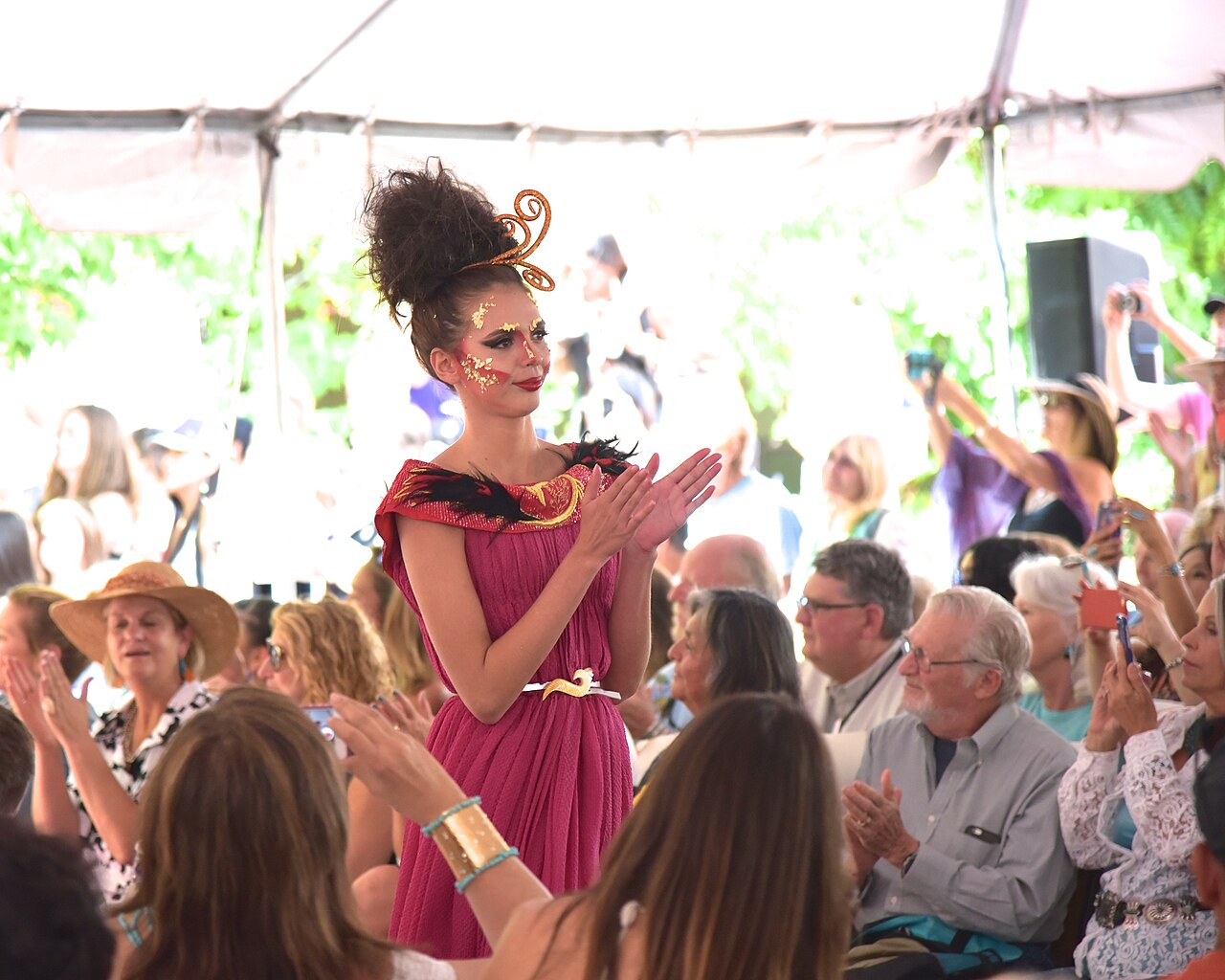
Santa Fe is widely recognized as the cultural capital of the Southwestern United States and one of the nation's premier art cities. In 2005 it became the first American city inducted into the UNESCO Creative Cities Network, a distinction reflecting the depth of its creative ecosystem. The city is home to more than 250 art galleries and a dense concentration of museums, including the Georgia O'Keeffe Museum, the Chuck Jones Gallery, and the immersive art collective Meow Wolf. Three major annual events draw artists and visitors from across the globe: the Santa Fe International Folk Art Market, the R/Traditional Spanish Colonial Market, and the Indian Market. The creative sector is not merely a tourist attraction but a structural pillar of the local economy—roughly one-tenth of all employment in the city is tied to artistic and cultural industries. Remarkably, writers and authors constitute the highest proportion of the labor force of any city in the United States, underscoring how deeply embedded the creative life is in Santa Fe's daily fabric.
Adobe Landscapes & Living Heritage
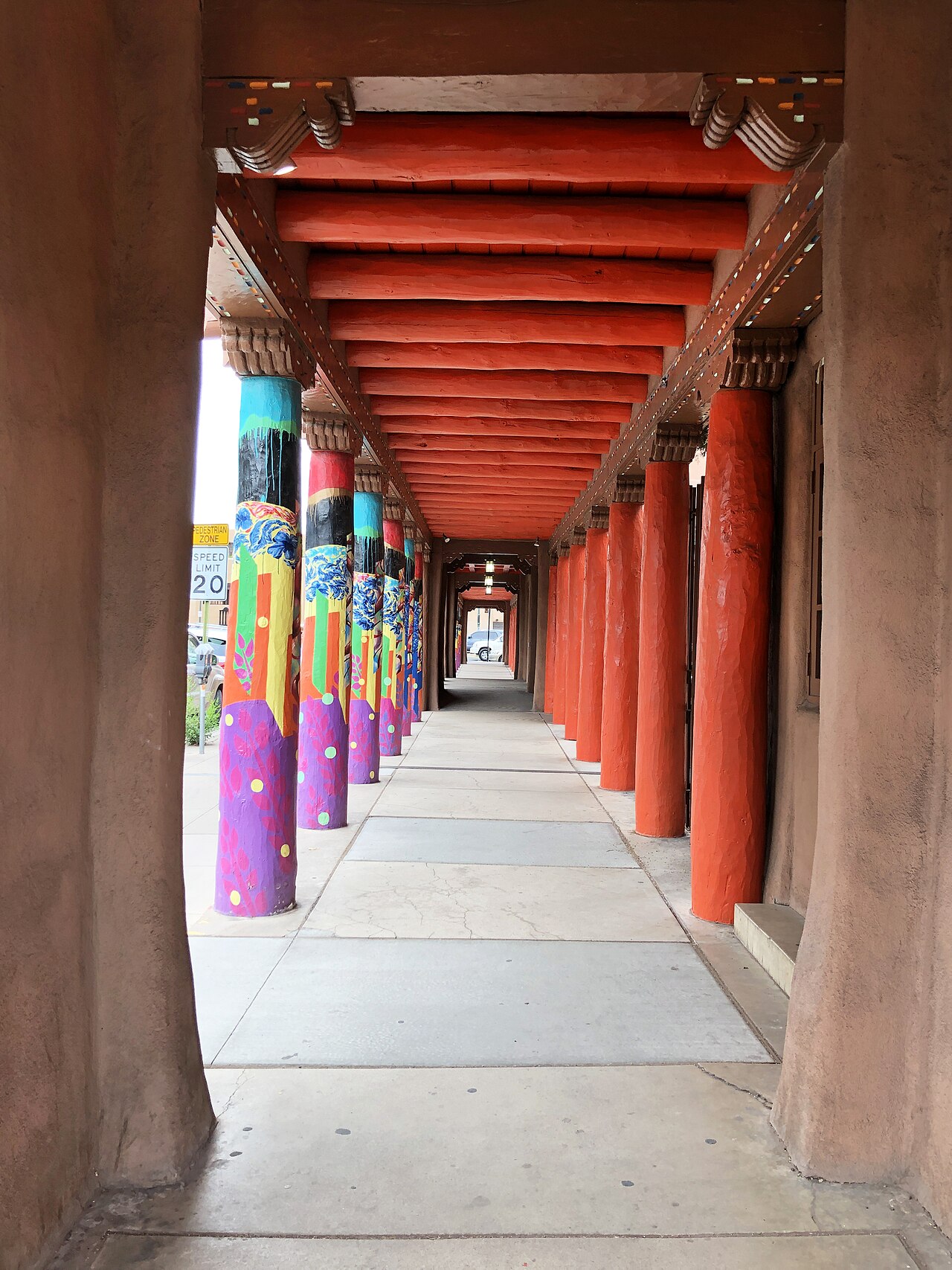
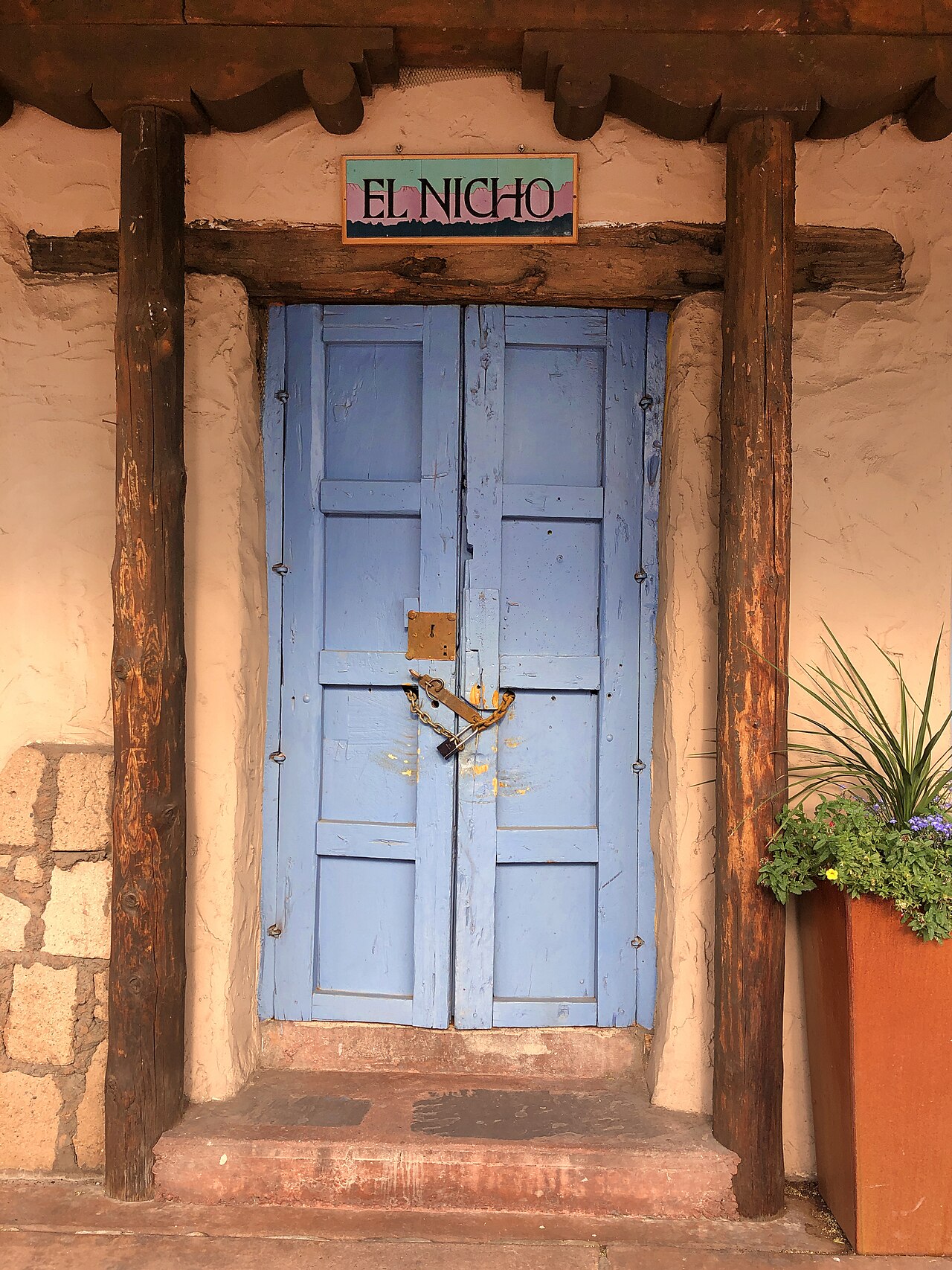
Walking through Santa Fe, the visual language of the city is unmistakable: thick-walled adobe structures in the Pueblo Revival and Territorial Revival styles dominate the skyline, much of it preserved and protected under local guidelines. The Santa Fe Plaza and the surrounding Historic District form the geographic and symbolic core of the city, anchored by the Palace of the Governors, a building that has witnessed Spanish colonial rule, Pueblo self-governance during the 1680–1692 revolt period, Mexican administration, and American territorial and state politics. The annual Fiesta de Santa Fe further binds the community to its layered past. Beyond the built environment, the city is celebrated for its distinctive New Mexican cuisine and its contributions to New Mexico music, both drawing on indigenous, Spanish, and American traditions that have interwoven over four centuries. Set at the foothills of the Sangre de Cristo Mountains at nearly 7,000 feet, the cityscape blends high-desert geography with a built heritage that feels simultaneously ancient and alive.
Gallery
Frequently Asked Questions
What is Santa Fe, New Mexico?
Santa Fe is the capital city of New Mexico, established in 1610 as the administrative seat of the Spanish province of Nuevo México. It is recognized as the oldest continuously inhabited state capital in the United States.
What makes Santa Fe, New Mexico unique among US cities?
Perched at the foot of the Sangre de Cristo Mountains at roughly 7,000 feet above sea level, it is the highest-elevation state capital in the country. Its Spanish colonial founding also gives it a heritage no other US capital can claim.
How did Santa Fe, New Mexico get its start?
Spanish settlers laid out the town in 1610 to serve as the governing center for the territory of Nuevo México. Although earlier European outposts such as San Juan Pueblo date to 1598, Santa Fe became the first and oldest state capital to remain in continuous use.
Why is Santa Fe, New Mexico important?
It functions as the political and governmental heart of New Mexico, housing the state capitol and its institutions. Its dual distinction as the oldest and highest state capital in the US makes it a notable landmark in both American history and geography.
Where exactly is Santa Fe, New Mexico located?
The city sits in northern New Mexico at the base of the Sangre de Cristo Mountains. The state capitol building rises to about 7,199 feet, while the broader city averages around 6,998 feet above sea level.
More in Us Cities 1-17
Spotted an error? Know more?
Reader corrections go straight into our review queue. Suggest an edit · How this site is sourced