
St. Augustine, Florida
Oldest continuously inhabited European settlement in the contiguous U.S.

Uncredited · Public domain
St. Augustine is a city in St. Johns County, Florida, on the Atlantic coast. Founded in 1565 by Spanish settlers, it is the oldest continuously inhabited European-established settlement in what is now the contiguous United States. The city served as the capital of Spanish Florida for over 200 years and later as a capital of British East Florida and the Florida Territory.
Quick Facts
- Native Name
- es · San Agustín
- Settlement Type
- City
- Nicknames
- Ancient City, Old City
- Named For
- Saint Augustine of Hippo
- Established Title
- Established
- Established Date
- 1565-09-08
- Founder
- Pedro Menéndez de Avilés
- Government Type
- Commissioner–manager
Facts from the source article.
Lore & Background
St. Augustine was founded on September 8, 1565, by Spanish admiral Pedro Menéndez de Avilés, Florida's first governor. He named the settlement San Agustín because his ships had first sighted land in Florida on August 28, the feast day of St. Augustine. The city was built on the former Timucua village of Seloy, chosen for its strategic location facing the waterways of St. Augustine bay. Before the Spanish arrived, the area was inhabited by the Timucua, who lived in villages along the St. Johns River, farming, fishing, hunting, and maintaining trade networks.
In 1586, English privateer Sir Francis Drake sacked and burned St. Augustine. In 1668, English buccaneer Robert Searle sacked the city, killing sixty people and pillaging public storehouses, churches, and houses. This raid spurred the Spanish Crown to strengthen the city's defenses, leading to the construction of a permanent masonry fortress beginning in 1672, which became Castillo de San Marcos. The city also served as the capital of British East Florida in 1763. After the 1783 Treaty of Paris returned Florida to Spain, St. Augustine became the capital of Spanish East Florida, beginning the Second Spanish Period.
Reader's Guide
St. Augustine's significance lies in its status as the oldest continuously inhabited European-established settlement in the contiguous United States, founded by Spanish admiral Pedro Menéndez de Avilés in 1565. It served as the capital of Spanish Florida for over 200 years and later as a capital of British East Florida and the Florida Territory. The city's historical character has made it a tourist attraction since the late 19th century. Key landmarks include the 17th-century Spanish fort Castillo de San Marcos and St. George Street, a major pedestrian street with over 30 historic houses and tourist attractions. The city was also the site of the first Thanksgiving Mass, celebrated by Father Francisco López de Mendoza Grajales, and the Mission Nombre de Dios, perhaps the first mission in what would become the continental United States. St. Augustine is part of Florida's First Coast region and the Jacksonville metropolitan area, with a population of 14,329 at the 2020 census.
Founding and the Race Against France
Pedro Menéndez de Avilés, who had been appointed Captain General of the Fleet of the Indies by King Philip II in 1560, was charged with exploring and settling Florida while eliminating the Huguenot French presence. Racing against French captain Jean Ribault, who was securing Fort Caroline, Menéndez's fleet finally sighted land on August 28, 1565—the feast day of St. Augustine of Hippo—which gave the new settlement its name. After a brief, inconclusive skirmish with four French vessels anchored at the mouth of the St. Johns River, Menéndez sailed south and on September 8 formally declared possession of the territory for Philip II. Father Francisco López de Mendoza Grajales, the expedition's chaplain, celebrated what is described as the first Thanksgiving Mass on the grounds. The founding of Mission Nombre de Dios at the landing point marked perhaps the first mission in what would become the continental United States. The site was selected for its strategic position facing the waterways of St. Augustine Bay, offering both abundant natural resources and strong defensive advantages.
Capital Across Three Empires
For more than two centuries, St. Augustine anchored the colonial administration of Spanish Florida as its capital. When Spain ceded the territory to Britain in 1763, the city transitioned seamlessly into the role of capital for British East Florida, and it retained that distinction after the 1783 Treaty of Versailles restored Spanish control in the so-called Second Spanish Period. Once Spain transferred Florida to the United States in 1819, the ratification of the Adams–Onís Treaty in 1821 designated St. Augustine as one of two alternating capitals of the Florida Territory, the other being Pensacola. That same year the Florida National Guard set up its headquarters in the city. In 1824, however, the territorial government relocated to Tallahassee, which became the permanent capital and ended St. Augustine's long run as a seat of governmental power. Despite losing that status, the city's layered sovereignty—Spanish, British, and American—gave it a distinctive political identity that set it apart from other Florida communities.
Indigenous Roots and Early Encounters
Long before Spanish sails appeared on the horizon, the Timucua people thrived in the St. Augustine area, establishing villages along the St. Johns River where they farmed, fished, hunted, and maintained trade networks with neighboring groups. Their communities were organized under hereditary chiefs and featured structured ceremonial life. The first European known to explore Florida's coasts was Juan Ponce de León, governor of Puerto Rico, who likely reached the vicinity of the future city around 1513 and named the peninsula La Florida, believing it to be an island. When Menéndez's expedition arrived in 1565, they built their settlement in the former Timucua village of Seloy, a location prized for its commanding view of the bay's waterways. The Franciscan mission, Mission Nombre de Dios, served the nearby Mocama villages—a Timucua subgroup—and became the center of an important chiefdom through the late 16th and 17th centuries, weaving European religious life into the existing Indigenous social fabric of the region.
Living History and Modern Identity
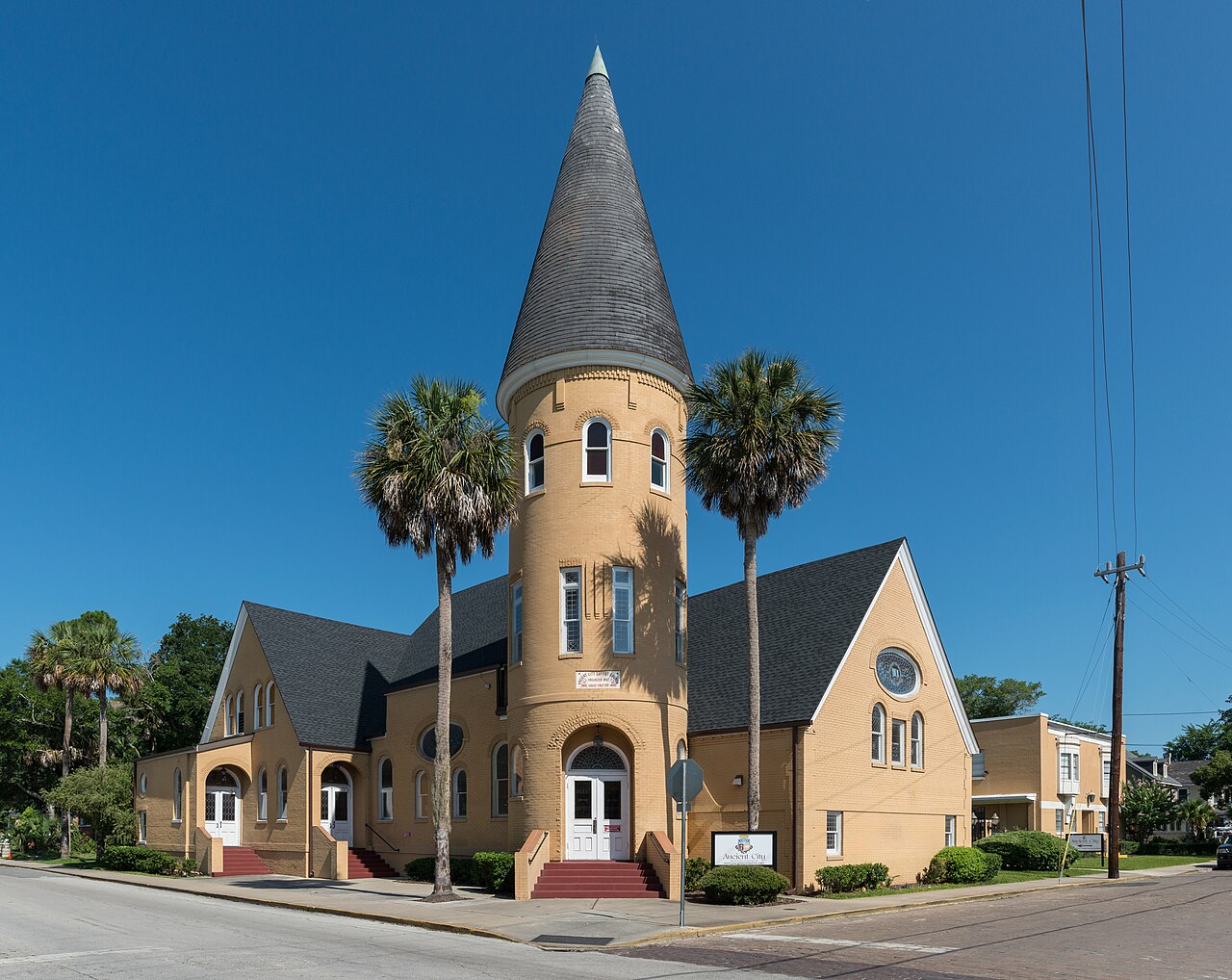
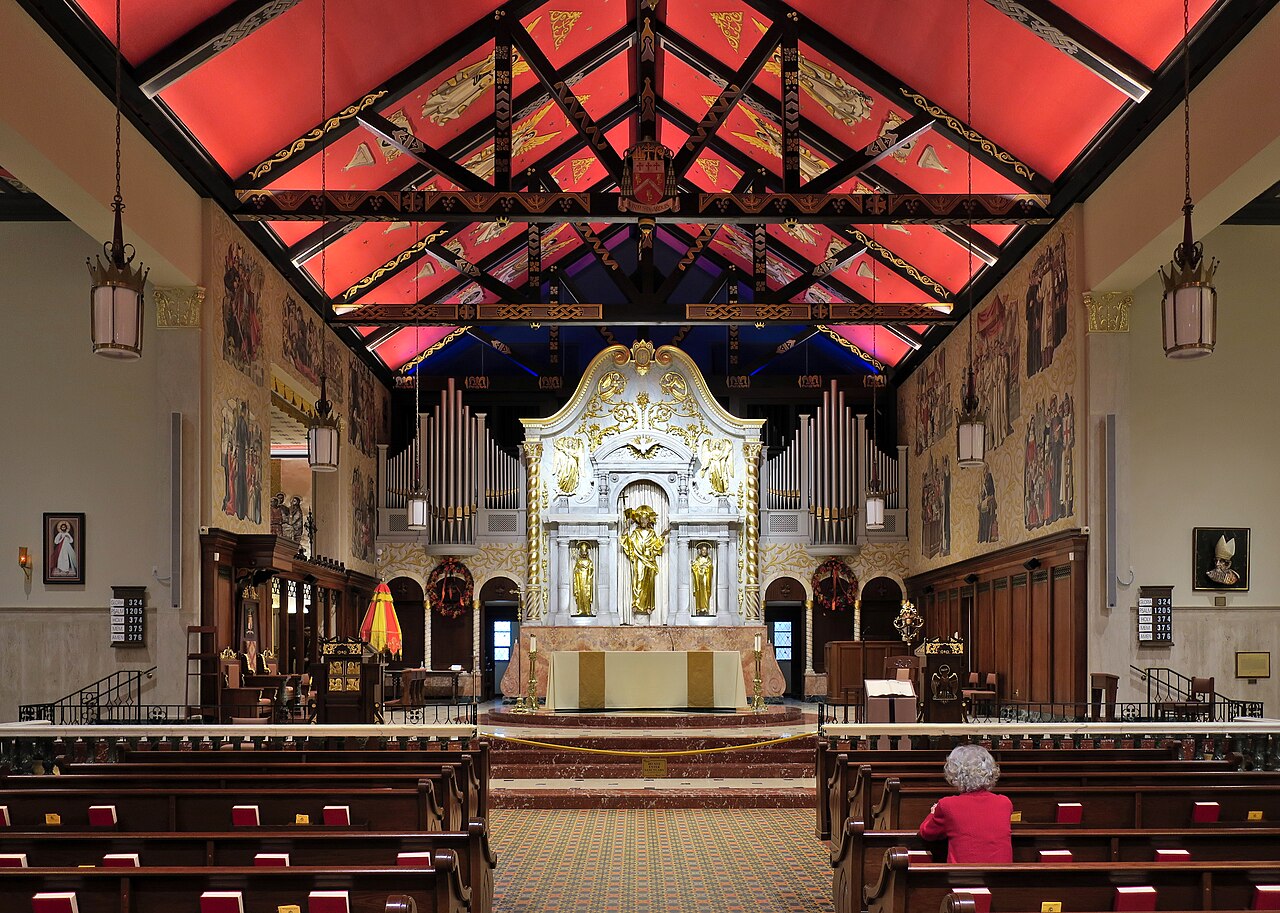
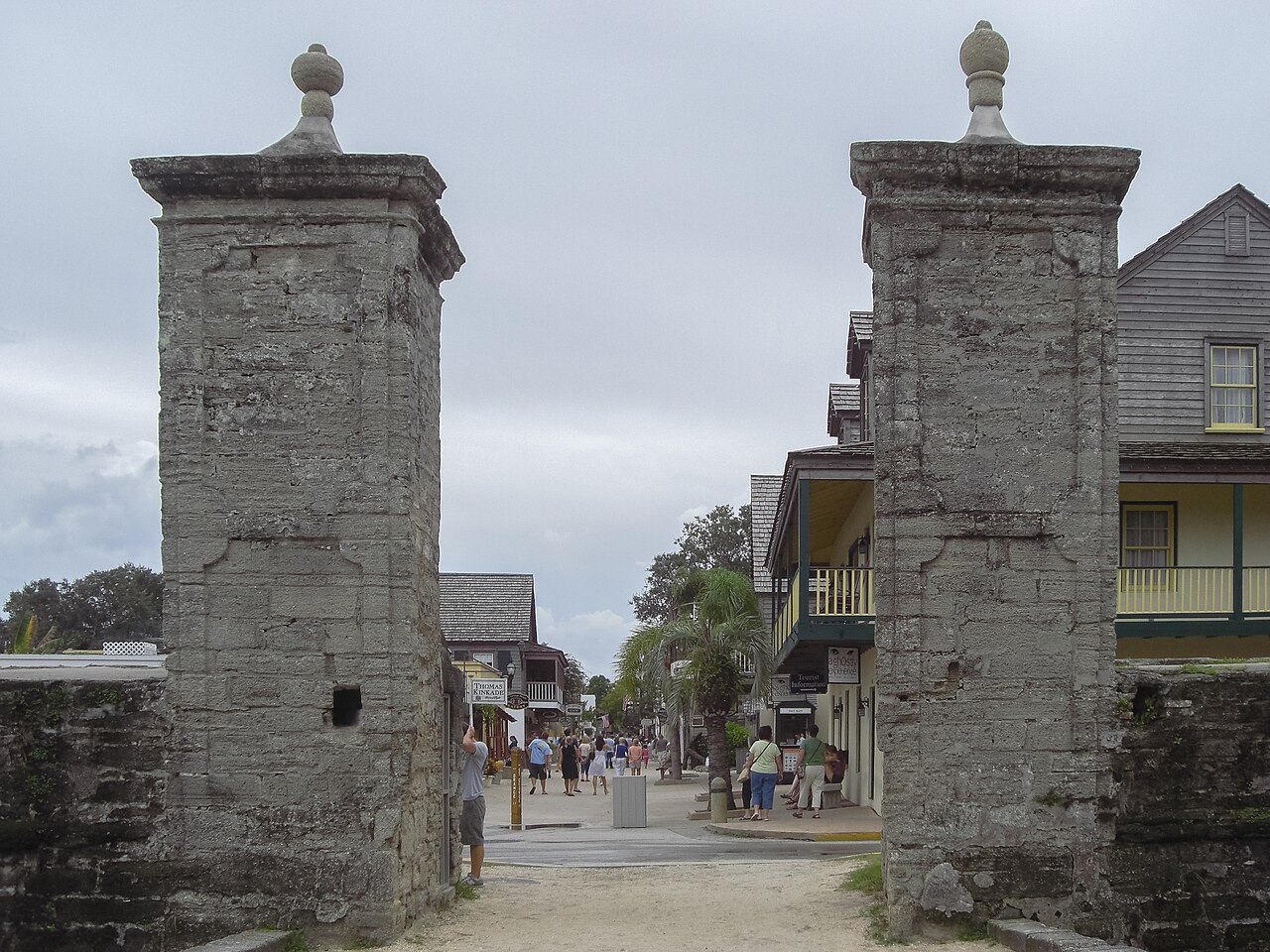
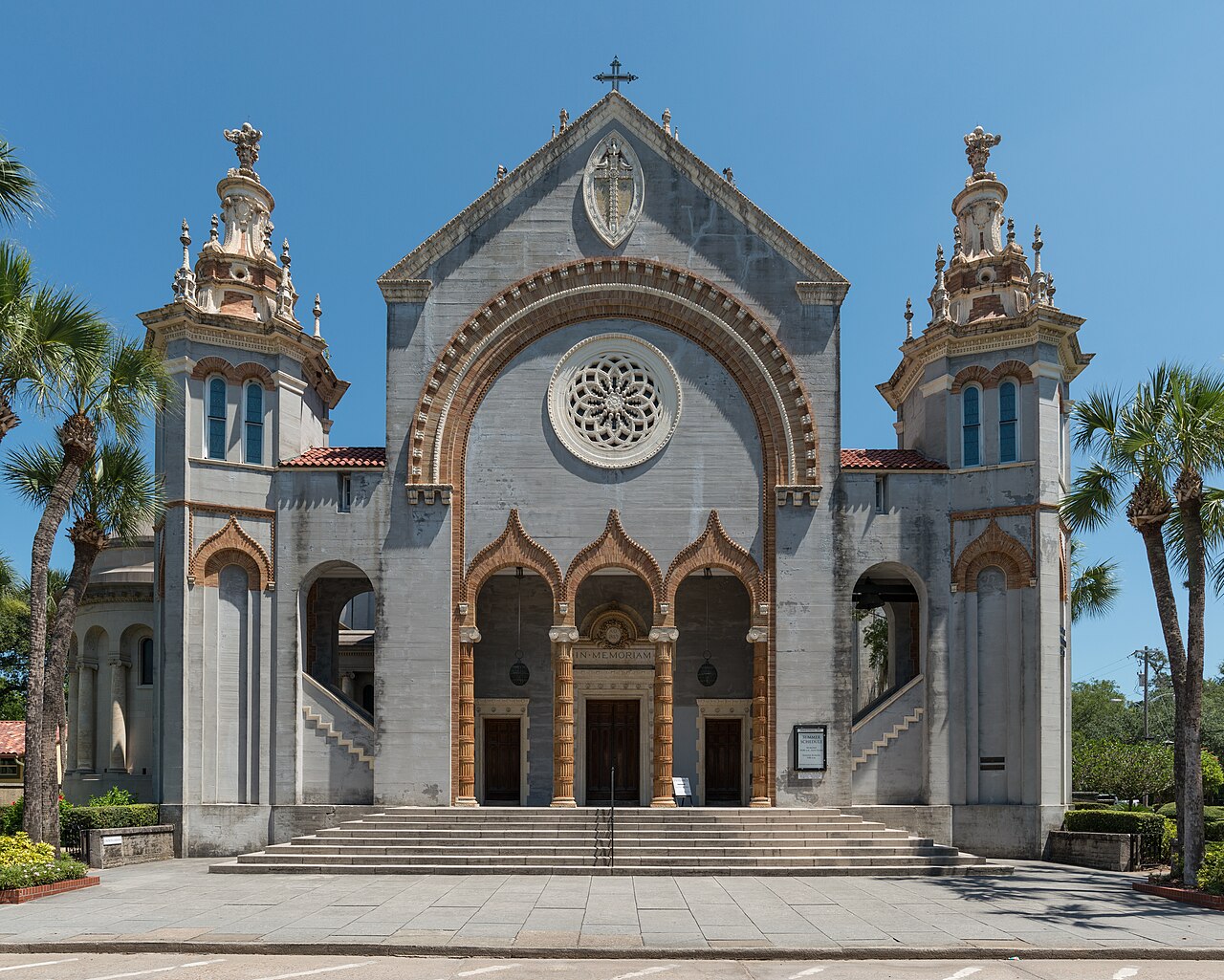
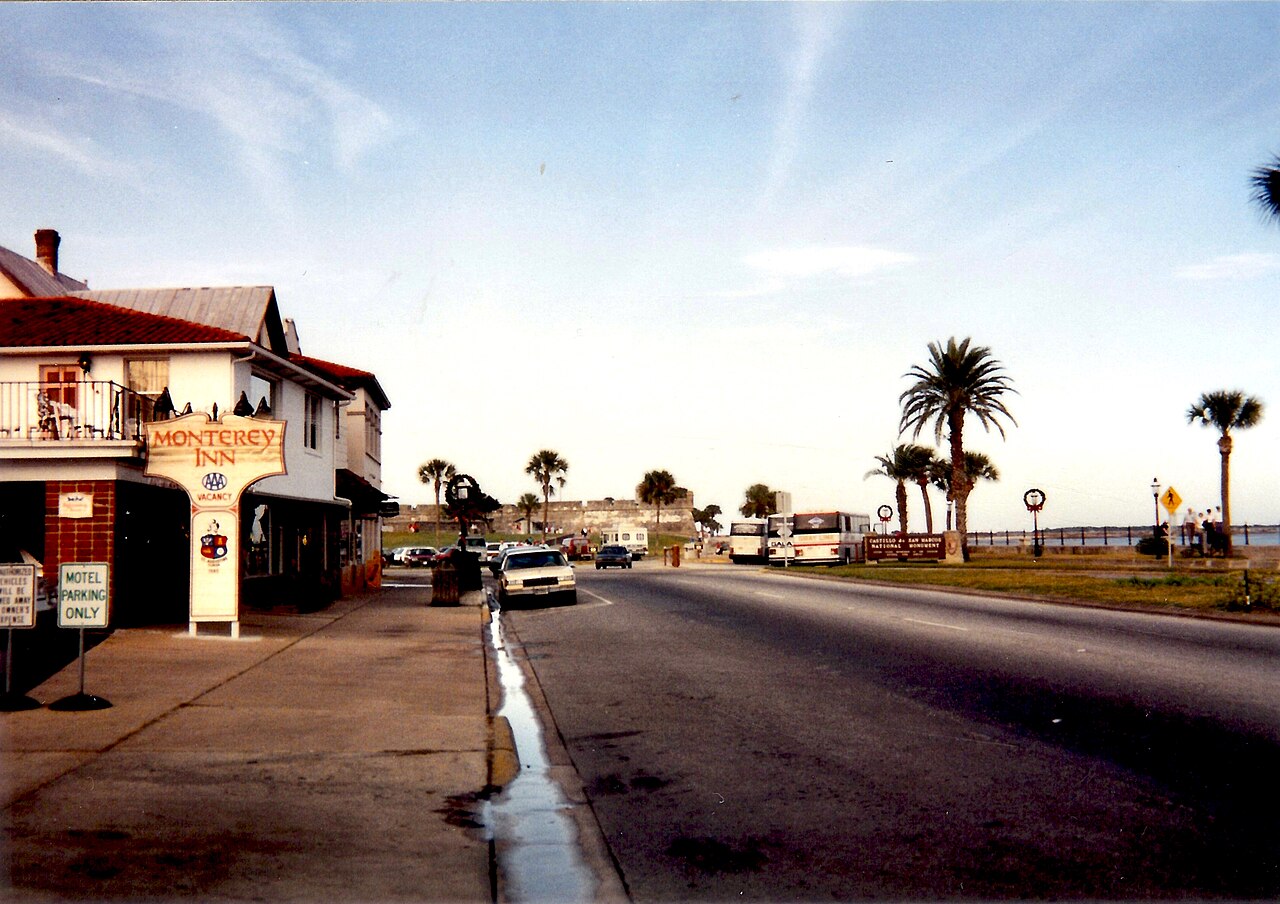
Since the late 19th century, St. Augustine's distinctive historical character has drawn visitors from across the country, transforming the city into one of Florida's premier tourist destinations. Castillo de San Marcos, a 17th-century Spanish fort, remains a major attraction, standing as a tangible link to the city's colonial past. St. George Street, a major pedestrian thoroughfare cutting through downtown, is lined with more than 30 historic houses and tourist attractions that showcase centuries of architectural and cultural layers. Today the city sits within Florida's First Coast region and the broader Jacksonville metropolitan area, roughly 40 miles south of downtown Jacksonville along the Atlantic coast of northeastern Florida. The 2020 census recorded a population of 14,329, up from 12,975 a decade earlier, reflecting modest but steady growth. As the county seat of St. Johns County, the city balances its role as a small administrative center with its far larger identity as a living museum of European settlement in the contiguous United States.
Gallery

Frequently Asked Questions
Why is St. Augustine, Florida considered so special?
It is the oldest continuously inhabited European-established settlement in the contiguous United States, a title it has held unbroken since 1565. That single fact makes it a cornerstone of American colonial history.
Who founded St. Augustine and when?
Spanish admiral Pedro Menéndez de Avilés established the settlement on September 8, 1565, acting on behalf of the Spanish Crown to claim the region. His expedition planted the first permanent European presence in what would become the lower 48 states.
What political role did St. Augustine play through the centuries?
The city served as the capital of Spanish Florida for well over two hundred years and later became the administrative seat for both British East Florida and the Florida Territory. In effect, it was the governing heart of the region across three successive colonial regimes.
Where is St. Augustine located geographically?
It sits on the Atlantic coast of Florida, within St. Johns County. Its harbor-facing position made it a natural strategic port for European powers seeking a foothold in the New World.
What is St. Augustine, Florida most known for today?
Visitors and history buffs associate it with its well-preserved colonial-era architecture, its famous fortifications, and its layered narrative of Spanish, British, and American rule. It is widely regarded as the living proof of the earliest European settlement in the contiguous U.S.
More in Us Cities 1-17
Spotted an error? Know more?
Reader corrections go straight into our review queue. Suggest an edit · How this site is sourced