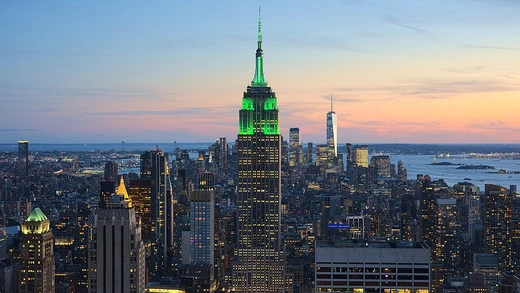
San Jose, California
Capital of Silicon Valley

Don DeBold from San Jose, CA, USA · CC BY 2.0
San Jose (officially the City of San José) is the biggest city in Northern California and the San Francisco Bay Area, ranking as the 13th most populous in the United States. As of 2025, its population is estimated at 989,814. The surrounding metropolitan area holds nearly two million people, and the larger combined statistical area—the fifth-largest in the country—exceeds nine million residents. Situated in the Santa Clara Valley along the southern edge of San Francisco Bay, the city spans 179.97 square miles and serves as the county seat of Santa Clara County. The area was originally inhabited by the Tamien nation of the Ohlone people long before Spanish arrival. San Jose was founded on November 29, 1777, as the Pueblo de San José de Guadalupe, making it the first city established in the Californias. It became part of Mexico in 1821 after the Mexican War of Independence, then was ceded to the United States in 1848 following the U.S. conquest of California during the Mexican-American War. After California achieved statehood two years later, San Jose served as the state’s first capital. Following World War II, the city experienced an economic boom, rapid population growth, and aggressive annexation of nearby communities in the 1950s and 1960s. The rise of the technology industry in Silicon Valley accelerated its shift from an agricultural center to an urbanized metropolitan area, leading Mayor Tom McEnery to adopt the current motto, "Capital of Silicon Valley," in 1988. The 1990 U.S. census showed San Jose had surpassed San Francisco in population, and by the early 2000s, the San Jose Metropolitan Area was California’s fastest-growing metropolitan economy. Today, San Jose is known for its innovation, cultural diversity, wealth, and sunny, mild Mediterranean climate. Major companies such as Cisco, eBay, Adobe, PayPal, NetApp, Cadence, and Zoom are headquartered here. The San Jose area is one of the wealthiest major metropolitan regions globally, ranking in 2017 as having the third-highest GDP per capita (after Zurich and Oslo) and the fifth-most expensive housing market. The city hosts one of the world’s largest overseas Vietnamese populations, a Hispanic community comprising over 30% of residents, historic ethnic enclaves like Japantown and Little Portugal, and the largest Sikh Gurdwara outside India. Educational and cultural institutions include San Jose State University, the Children’s Discovery Museum of San Jose, the Tech Interactive, the San Jose Museum of Art, the Winchester Mystery House, the Japanese American Museum of San Jose, Movimiento de Arte y Cultura Latino Americana, the Viet Museum, the Rosicrucian Egyptian Museum, Hayes Mansion, the San Jose Municipal Rose Garden, and the San Jose Center for the Performing Arts. Two major league sports teams—the San Jose Sharks and the San Jose Earthquakes—play their home games in the city. San Jose International Airport is the third-busiest in Northern California. VTA’s rail and bus networks, along with Amtrak, ACE, BART, and Caltrain services, connect San Jose to the broader region through hubs like Diridon Station. The city is named after its predecessor, which was eventually located in what is now the Plaza de César Chávez. In the 19th century, print publications used the spelling "San José" for both the city and its eponymous township. On December 11, 1943, the United States Board on Geographic Names ruled that the city’s name should be spelled "San Jose" based on local usage and the formal incorporated name. In the 1960s and 1970s, some residents and officials pushed for a return to the original spelling "San José," with an acute accent on the "e," to recognize the city’s Mexican origin and Mexican-American population. On June 2, 1969, the city adopted a flag designed by historian Clyde Arbuckle that prominently featured the inscription "SAN JOSÉ, CALIFORNIA." On June 16, 1970, San Jose State College officially adopted "San José" as the city’s name, including in the college’s own name. On August 20, 1974, the San Jose City Council approved a proposal by Catherine Linquist to rename the city "San José," but reversed the decision a week later under pressure from residents concerned about the cost of changing typewriters, documents, and signs. On April 3, 1979, the city council once again adopted "San José" as the spelling on the city seal, official stationery, office titles, and department names. As late as 2010, the 1965 city charter stated the municipal corporation’s name as "City of San Jose" without the accent mark, but later editions added it. By convention, the spelling "San José" is used only when the name appears in mixed upper- and lowercase letters, but not when spelled entirely in uppercase, as on the city logo. The accent reflects the Spanish version, and dropping accents in all-capital writing was once typical in Spanish. While the name is commonly spelled both with and without the acute accent, the city’s official guidelines indicate it should be spelled with the accent most of the time, with narrow exceptions such as in URLs, all-capital text, social media where the diacritical mark doesn’t render properly, and when part of another organization’s proper name (like the San Jose Chamber of Commerce) that has chosen not to use the accent. San Jose and most of the Santa Clara Valley have been home to the Tamien tribe of the Ohlone people since around 4,000 BC. The Tamien spoke the Tamyen language of the Ohlone language family. During the era of Spanish colonization and the subsequent building of Spanish missions...
Quick Facts
- Official Name
- City of San José
- Settlement Type
- City
- Flag Link
- Flag of San Jose, California
- Blank Emblem Size
- 150
- Motto
- Capital of Silicon Valley
- Blank Emblem Type
- Logo
Facts from the source article.
Lore & Background
Before the arrival of the Spanish, the area around San Jose was long inhabited by the Tamien nation of the Ohlone people. San Jose was founded on November 29, 1777, as the Pueblo de San José de Guadalupe, the first city founded in the Californias. It became a part of Mexico in 1821 after the Mexican War of Independence. Following the U.S. Conquest of California during the Mexican–American War, the territory was ceded to the United States in 1848. San Jose experienced an economic boom after World War II, with a rapid population growth and aggressive annexation of nearby communities in the 1950s and 1960s. The rapid growth of the technology industry in Silicon Valley further accelerated the city's transition from an agricultural center to an urbanized metropolitan area, prompting Mayor Tom McEnery to adopt San Jose's current motto, 'Capital of Silicon Valley', in 1988. Results of the 1990 U.S. census indicated that San Jose had surpassed San Francisco in population. By the early 2000s, the San Jose Metropolitan Area was California's fastest-growing metropolitan economy.
Reader's Guide
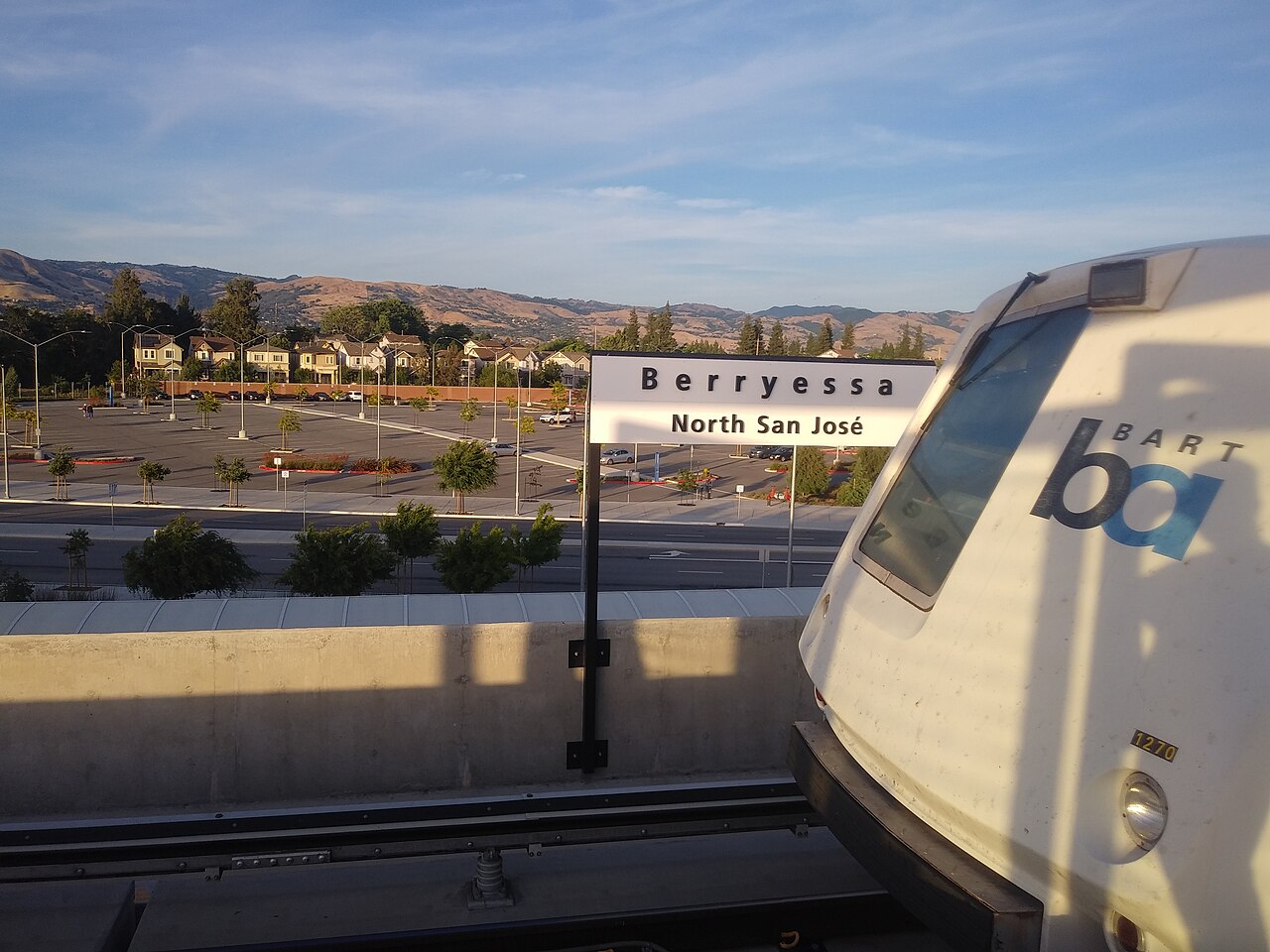
Today, San Jose is notable for its innovation, cultural diversity, affluence, and sunny and mild Mediterranean climate. Major companies including Cisco, eBay, Adobe, PayPal, NetApp, Cadence, and Zoom maintain their headquarters in San Jose. One of the wealthiest major metropolitan areas in the world, the San Jose area was ranked in 2017 as having the third-highest GDP per capita (after Zurich and Oslo) and the fifth-most expensive housing market. The city is home to one of the world's largest overseas Vietnamese populations, a Hispanic community that makes up over 30% of the city's residents, historic ethnic enclaves such as Japantown and Little Portugal, and the largest Sikh Gurdwara outside of India. Educational and cultural institutions in San Jose include San Jose State University, Children's Discovery Museum of San Jose, the Tech Interactive, the San Jose Museum of Art, Winchester Mystery House, the Japanese American Museum of San Jose, Movimiento de Arte y Cultura Latino Americana, the Viet Museum, Rosicrucian Egyptian Museum, Hayes Mansion, San Jose Municipal Rose Garden, and the San Jose Center for the Performing Arts. Two major league sports teams, the San Jose Sharks and the San Jose Earthquakes, play their home games in San Jose. San Jose International Airport is the third-busiest airport in Northern California. VTA's rail and bus networks, together with Amtrak, ACE, BART, and Caltrain services, connect San Jose to the broader region through hubs such as Diridon Station.
Did You Know?
- San Jose is the 13th-most populous city in the United States, not the 10th or 12th.
- The city's official name is City of San José, with an acute accent over the 'e' in most contexts.
- San Jose was the first civilian settlement founded in the Californias, on November 29, 1777.
- The city served as California's first capital after statehood.
- San Jose's motto, 'Capital of Silicon Valley', was adopted in 1988 by Mayor Tom McEnery.
From Ohlone Valley to First Capital
The Santa Clara Valley has been home to the Tamien nation of the Ohlone people since roughly 4,000 BC, long before any European presence. The arrival of Spanish colonization fundamentally disrupted Tamien life; from 1777 onward, most were forcibly enslaved at Mission Santa Clara de Asís or Mission San José, baptized, and educated as Catholic neophytes. The city itself was formally established on November 29, 1777, as the Pueblo de San José de Guadalupe, making it the first city founded in the Californias. Mexico's independence in 1821 brought the territory under Mexican governance, and the U.S. Conquest of California during the Mexican-American War ceded it to the United States in 1848. Two years after California achieved statehood, San Jose served as the state's first capital. The post-World War II era brought an economic boom, rapid population growth, and aggressive annexation of neighboring communities through the 1950s and 1960s, reshaping the city's boundaries and character.
Silicon Valley's Economic Engine
The rapid expansion of the technology industry in Silicon Valley transformed San Jose from an agricultural center into a major urbanized metropolitan area. In 1988, Mayor Tom McEnery adopted the city's current motto, "Capital of Silicon Valley," reflecting this new identity. Today, global technology giants including Cisco, eBay, Adobe, PayPal, NetApp, Cadence, and Zoom maintain their headquarters within the city's borders. The San Jose metropolitan area has consistently ranked among the wealthiest in the world; in 2017, it was noted for having the third-highest GDP per capita globally, trailing only Zurich and Oslo, while simultaneously holding the fifth-most expensive housing market. By the early 2000s, the San Jose Metropolitan Area was recognized as California's fastest-growing metropolitan economy. The 1990 U.S. census marked a symbolic milestone when San Jose's population surpassed that of San Francisco. With an estimated 989,814 residents as of 2025, the city ranks as the 13th-most populous in the United States, while its broader combined statistical area—the fifth-largest in the country—supports over nine million people.
A Living Cultural Mosaic
San Jose's cultural landscape reflects extraordinary diversity. The city is home to one of the world's largest overseas Vietnamese populations, and its Hispanic community constitutes over 30% of residents. Historic ethnic enclaves such as Japantown and Little Portugal anchor neighborhoods with deep roots, while the city also hosts the largest Sikh Gurdwara outside of India. Educational and cultural institutions further enrich the scene: San Jose State University serves as a major academic anchor, while venues like the Children's Discovery Museum, Tech Interactive, the San Jose Museum of Art, the Winchester Mystery House, the Japanese American Museum, Movimiento de Arte y Cultura Latino Americana, the Viet Museum, the Rosicrucian Egyptian Museum, Hayes Mansion, the San Jose Municipal Rose Garden, and the San Jose Center for the Performing Arts offer a wide range of experiences. In sports, the San Jose Sharks and San Jose Earthquakes represent the city in major league competition. San Jose International Airport ranks as the third-busiest in Northern California, and VTA's rail and bus networks, along with Amtrak, ACE, BART, and Caltrain services, connect residents to the broader region through hubs like Diridon Station.
The Accent Mark Controversy
The spelling of San Jose's name has been a source of recurring civic debate for decades. In 1943, the United States Board on Geographic Names ruled that the city should be spelled "San Jose" without the accent, citing local usage and the formal incorporated name. However, during the 1960s and 1970s, residents and officials pushed to restore the original "San José" spelling to honor the city's Mexican heritage and its Mexican-American population. In 1969, the city adopted a flag bearing the inscription "SAN JOSÉ, CALIFORNIA," and in 1970, San Jose State College officially used the accented form. A 1974 city council vote to rename the city "San José" was reversed just one week later after residents raised concerns about the cost of updating typewriters, documents, and signage. In 1979, the council again adopted the accented spelling for the city seal, official stationery, and department names. By convention, the accent appears in mixed-case writing but is dropped in all-caps contexts, and the city's official guidelines permit exceptions for URLs, social media, and organizations that have chosen the unaccented form.
Gallery
Frequently Asked Questions
Who is San Jose, California?
San Jose is the most populous city in both the San Francisco Bay Area and all of Northern California, ranking 13th among U.S. cities by population. It sits in the Santa Clara Valley along the southern edge of San Francisco Bay and holds the title of county seat for Santa Clara County.
What is San Jose, California known for?
Widely nicknamed the 'Capital of Silicon Valley,' San Jose functions as the region's primary tech and innovation hub, anchoring the global semiconductor and software industry. As county seat, it also carries the administrative weight of governing Santa Clara County.
Where does San Jose, California call home?
The city occupies the broad, fertile Santa Clara Valley, stretching along the southern shore of San Francisco Bay. Its location places it roughly 50 miles south of San Francisco proper, nestled between the Diablo Range to the east and the bay to the north.
Why is San Jose, California important to the wider story?
As the beating economic heart of Silicon Valley, San Jose drives a disproportionate share of the nation's technology, venture capital, and R&D output. Its roughly 971,000 residents (2023 estimate) make it the largest urban center in Northern California, giving it outsized cultural and political influence in the region.
More in Us Cities 1-17
Spotted an error? Know more?
Reader corrections go straight into our review queue. Suggest an edit · How this site is sourced