Sioux Falls, South Dakota
The most populous city in South Dakota, where the falls shaped history.

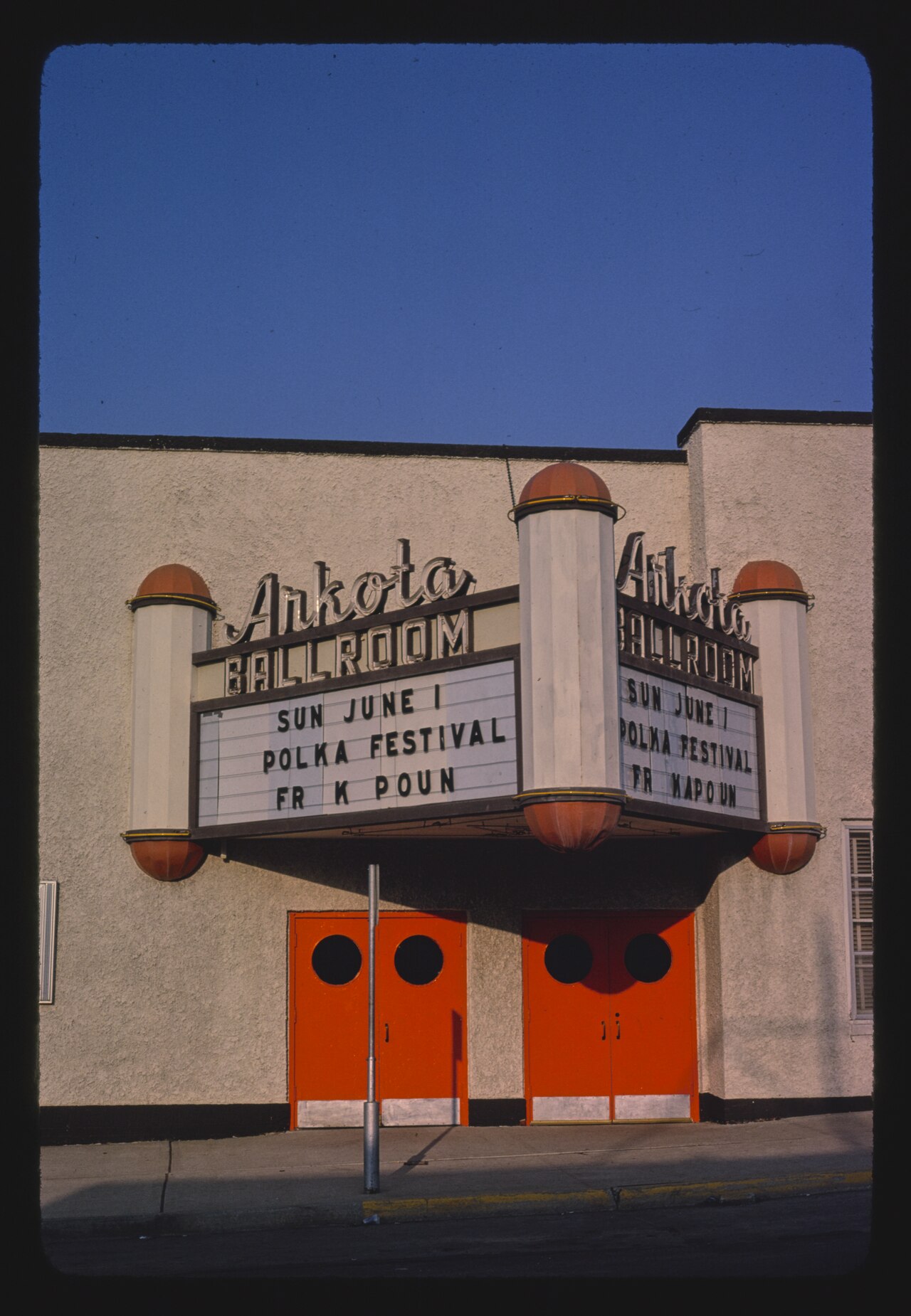
John Margolies · Public domain
Sioux Falls is the largest city in South Dakota and serves as the seat of Minnehaha County, with a portion extending into northern Lincoln County. At the 2020 census, its population stood at 192,517, with an estimated 209,289 residents in 2024. The broader metropolitan area, home to roughly 308,000 people, makes up over a third of the state’s total population. The city was chartered in 1856 along the Big Sioux River and sits on rolling terrain where Interstates 29 and 90 meet.
The city’s history is tied to the waterfalls on the Big Sioux River, which formed about 14,000 years ago during the last ice age. These falls drew Indigenous peoples, including the Ho-Chunk, Ioway, Otoe, Missouria, Omaha (and Ponca at the time), Quapaw, Kansa, Osage, Arikara, Sioux, and Cheyenne, who left burial mounds on nearby bluffs. They built fortified agricultural villages, and later settlers often rebuilt on those same sites. Today, Lakota, Dakota, and other Indigenous Americans live in Sioux Falls and across the state.
French explorers visited the area in the early 1700s. The first recorded American of European descent to see the falls was Philander Prescott, who camped there in December 1832. Captain James Allen led a military expedition from Fort Des Moines in 1844, and Jacob Ferris wrote about the falls in his 1856 book *The States and Territories of the Great West*. That same year, two groups—the Dakota Land Company of St. Paul and the Western Town Company of Dubuque, Iowa—each claimed 320 acres around the falls, drawn by its beauty and waterpower. They worked together for safety, building a turf barricade called “Fort Sod” in response to Native tribes defending their land. Seventeen men spent the first winter there, and the population grew to nearly 40 the next year.
Conflicts between Native Americans and white settlers were rare in Minnehaha County, but the Dakota War of 1862 in southwestern Minnesota led to the town’s evacuation in August 1862 after two local settlers were killed. Settlers and soldiers left for Yankton, and the abandoned townsite was looted and burned. Fort Dakota, a military post in what is now downtown, was established in May 1865. Many former settlers returned, and new arrivals followed. By 1873, the population reached 593, and a building boom began. The Village of Sioux Falls, covering 1,200 acres, was incorporated in 1876 and received a city charter from the Dakota Territorial legislature on March 3, 1883.
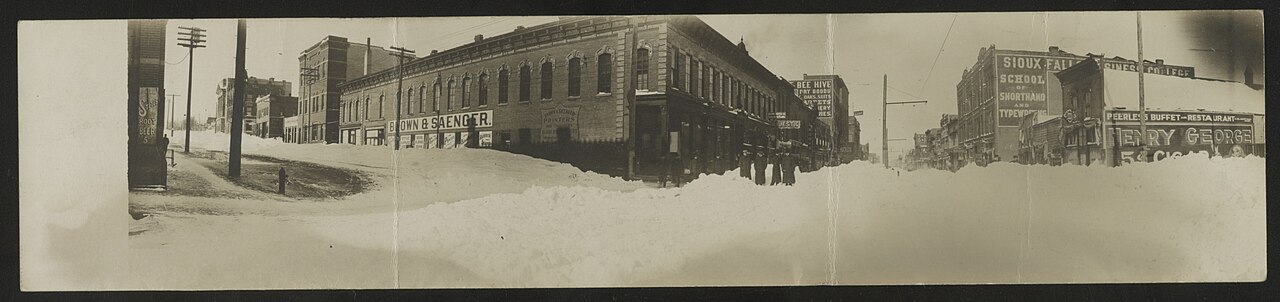
Railroads sparked the Dakota Boom of the 1880s, and Sioux Falls’ population jumped from 2,164 in 1880 to 10,167 in 1889. A grasshopper plague and national depression ended the boom by the early 1890s, and the city grew by only 89 people between 1890 and 1900. In the 1890s, Sioux Falls became known as the “Divorce Colony” because its permissive divorce laws and rail access attracted women seeking divorces. This lasted until South Dakota changed its residency requirements in 1908.
Prosperity returned with the John Morrell meatpacking plant in 1909, an airbase and military radio training school in 1942, and the completion of interstate highways in the early 1960s. Much early 20th-century growth came from agriculture-based industries like the Morrell plant and nearby stockyards, among the largest in the nation. In 1955, the city consolidated with neighboring South Sioux Falls, which had nearly 1,600 residents and was the county’s third-largest city. South Sioux Falls residents voted for consolidation on October 18, 1955, and Sioux Falls residents followed on November 15.
In 1981, Citibank moved its primary credit card center from New York City to Sioux Falls, taking advantage of relaxed state usury laws. Some credit this move for the city’s subsequent population and job growth, while others see it as part of a broader shift from an industrial economy to one focused on health care, finance, and retail. Since the late 1970s, the population has more than doubled, from 81,182 in 1980 to 192,517 in 2020. President Bill Clinton made his final stop of the 1996 campaign in Sioux Falls.
On September 10, 2019, three strong EF2 tornadoes hit the south side of Sioux Falls, damaging at least 37 buildings, including the Plaza 41 Shopping Center. One tornado struck the Avera Heart Hospital, damaging its roof and windows and injuring seven people, including a man who fractured his skull when thrown into an exterior wall. Another hit the commercial district near the Empire Mall, injuring a woman in her home. A third touched down in a suburban residential area, tearing roofs off houses. Total damage exceeded $5 million.
Quick Facts
- Nicknames
- Best Little City in America, Queen City of the West, The Heart of America
- Blank Emblem Type
- Logo
- Leader Title
- Mayor
- Leader Name
- Christine Erickson (R)
- Established Title
- Founded
- Established Date
- 1856
Facts from the source article.
Lore & Background
Sioux Falls's history revolves around the cascades of the Big Sioux River. The falls were created about 14,000 years ago during the last ice age. The lure of the falls has been a powerful influence. Ho-Chunk, Ioway, Otoe, Missouria, Omaha (and Ponca at the time), Quapaw, Kansa, Osage, Arikara, Sioux, and Cheyenne people first inhabited the region. French voyagers/explorers visited the area in the early 18th century. The first documented visit by an American of European descent was by Philander Prescott, who camped overnight at the falls in December 1832. Two separate groups, the Dakota Land Company of St. Paul and the Western Town Company of Dubuque, Iowa, organized in 1856 to claim the land around the falls. They built a temporary barricade of turf that they dubbed 'Fort Sod' in response to native tribes attempting to defend their land from the settlers. Although conflicts in Minnehaha County between Native Americans and white settlers were few, the Dakota War of 1862 engulfed nearby southwestern Minnesota. The town was evacuated in August 1862 when two local settlers were killed as a result of the conflict. The abandoned townsite was pillaged and burned. Fort Dakota, a military reservation established in present-day downtown, was established in May 1865. Many former settlers gradually returned and a new wave of settlers arrived in the following years. The Village of Sioux Falls was incorporated in 1876 and granted a city charter by the Dakota Territorial legislature on March 3, 1883. In the 1890s Sioux Falls became a destination for women seeking divorce, as it had some of the nation's most permissive divorce laws and was accessible by rail. It was known as the 'Divorce Colony' and remained a popular venue for divorces until South Dakota changed its residency requirements in 1908. In 1955 the city consolidated the neighboring incorporated city of South Sioux Falls. In 1981, to take advantage of recently relaxed state usury laws, Citibank relocated its primary credit card center from New York City to Sioux Falls. Then-President Bill Clinton made his final stop of the 1996 presidential campaign in Sioux Falls. On the night of September 10, 2019, the south side of Sioux Falls was hit by three strong EF2 tornadoes.
Reader's Guide
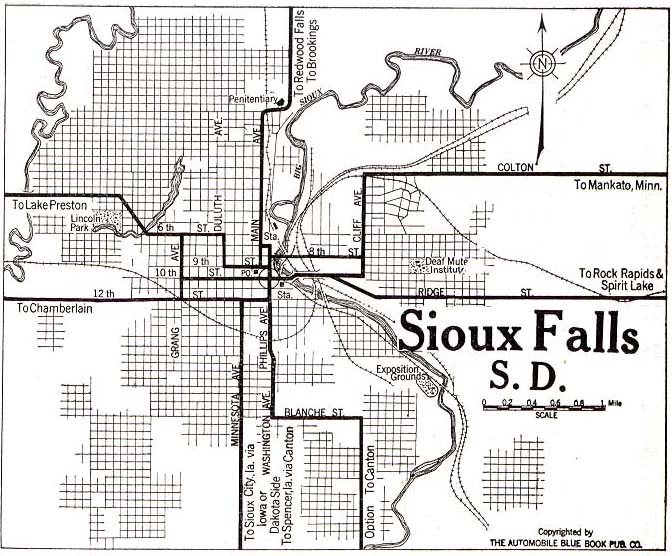
According to the United States Census Bureau, the city has an area of 73.47 sqmi, of which 72.96 sqmi is land and 0.51 sqmi is water. The city is in extreme eastern South Dakota, about 15 mi west of the Minnesota border. The Sioux Falls Metropolitan Statistical Area consists of four South Dakota counties (Lincoln, McCook, Minnehaha, and Turner) and one Minnesota county (Rock). The estimated population of this MSA in 2022 was 289,592. Due to its inland location and relatively high latitude, Sioux Falls has a humid continental climate (Köppen Dfa, bordering on Dwa) characterized by hot, humid summers and cold, dry winters.
Indigenous Roots and the Lure of the Falls
The cascades of the Big Sioux River, formed roughly 14,000 years ago during the last ice age, have long drawn people to this stretch of the upper Midwest. Numerous Indigenous nations—including the Ho-Chunk, Ioway, Otoe, Missouria, Omaha, Quapaw, Kansa, Osage, Arikara, Sioux, and Cheyenne—occupied the region in successive waves. They maintained agricultural societies, built fortified villages, and left behind burial mounds that still dot the high bluffs near the river. Later arrivals frequently rebuilt on sites already settled by earlier peoples. French voyagers and explorers visited in the early 1700s, but the first documented overnight stay by a person of European descent came in December 1832, when Philander Prescott camped at the falls. Captain James Allen led a military expedition out of Fort Des Moines in 1844, and Jacob Ferris described the site in his 1856 book, The States and Territories of the Great West. Today, Lakota, Dakota, and numerous other Indigenous Americans continue to call Sioux Falls home, both in urban neighborhoods and in reservation communities across the state.
From Dakota Boom to Divorce Colony to Finance Hub
The arrival of railroads in the 1880s triggered what became known as the great Dakota Boom, and Sioux Falls's population surged from roughly 2,164 in 1880 to over 10,000 by 1889. That explosive growth was cut short by a devastating grasshopper plague and a national depression, leaving the city nearly stagnant through the 1890s. Yet the decade still produced an unusual cultural phenomenon: Sioux Falls earned the nickname "Divorce Colony" because its permissive divorce statutes and easy rail access made it a magnet for women seeking to end marriages. The trend continued until South Dakota tightened residency rules in 1908. Economic revival came in stages—the John Morrell meat packing plant opened in 1909, an airbase and military communications training school appeared in 1942, and interstate highways were completed in the early 1960s. Then, in 1981, Citibank moved its primary credit card center from New York City to Sioux Falls, exploiting newly relaxed state usury laws. Many observers credit that single corporate decision as a catalyst for the city's broader shift away from heavy industry toward health care, finance, and retail trade.
A City That Keeps Growing
Sioux Falls stands as the most populous city in South Dakota, with a 2020 census count of 192,517 and a 2024 estimate approaching 209,000. Its metropolitan area, stretching across four South Dakota counties and one in Minnesota, holds an estimated 308,000 residents—more than a third of the entire state's population. The city's footprint covers 73.47 square miles in extreme eastern South Dakota, just 15 miles from the Minnesota border, and it sits at the junction of Interstates 29 and 90. Growth has been a defining theme: after the population more than doubled from 81,182 in 1980 to 192,517 in 2020, the city also absorbed its neighbor South Sioux Falls in 1955, when residents of both communities voted to consolidate. The metropolitan statistical area, which includes Lincoln, McCook, Minnehaha, and Turner counties in South Dakota plus Rock County in Minnesota, grew 4.6 percent between 2020 and 2022. Even President Bill Clinton chose Sioux Falls as the final stop of his 1996 presidential campaign, underscoring the city's growing national profile.
The Night the Sky Broke Open
On the evening of September 10, 2019, three powerful EF2 tornadoes tore across the south side of Sioux Falls in rapid succession, inflicting more than $5 million in damage. One of the twisters struck the Avera Heart Hospital, ripping sections of the roof and shattering windows; seven people were injured, including a man who suffered a fractured skull after being hurled into the building's exterior wall. A second tornado swept through the commercial district near the Empire Mall, injuring a woman inside her home, while a third touched down in a suburban residential neighborhood on the far south side, tearing roofs off houses. At least 37 buildings sustained severe damage, including the Plaza 41 Shopping Center. The event remains one of the most significant natural disasters in the city's modern history, a stark reminder that even a region known for its steady, quiet growth is not immune to the violent forces of the upper-Midwest atmosphere.
Gallery
Frequently Asked Questions
Who is Sioux Falls, South Dakota?
Sioux Falls is the largest city in South Dakota and the county seat of Minnehaha County, with a small portion of its territory reaching into northern Lincoln County. It sits along the Big Sioux River, where the water tumbles over a series of natural cascades.
What is Sioux Falls, South Dakota known for?
As the state's most populous city, Sioux Falls anchors South Dakota's economy, commerce, and population. It also occupies a strategic transportation crossroads at the intersection of Interstates 29 and 90, making it a key logistics hub for the region.
How did Sioux Falls, South Dakota come to be?
The community was chartered in 1856 on the river's banks, incorporated as a village in 1876, and received a full city charter in March 1883. Its name derives from the cascades on the Big Sioux River, which were carved roughly 14,000 years ago at the close of the last ice age.
Why is Sioux Falls, South Dakota important?
With a 2020 census count of about 192,517 residents and a metropolitan area exceeding 289,000, it is the demographic and commercial center of the state. Its position at the I-29 and I-90 junction gives it outsized influence on regional trade and travel.
What's Sioux Falls, South Dakota's origin story?
The dramatic river drops that gave the city its name were shaped by glacial activity around 14,000 years ago, long before any permanent settlement existed. European-American colonization followed, culminating in the 1856 chartering that officially established the community on those riverbanks.
More in Us Cities 1-17
Spotted an error? Know more?
Reader corrections go straight into our review queue. Suggest an edit · How this site is sourced