
Hebrew University of Jerusalem
Second-oldest Israeli university, co-founded by Einstein and Weizmann.

Unknown author · Public domain
The Hebrew University of Jerusalem (HUJI) is a public research institution in Israel, founded in July 1918 by a group including the Zionist Organization, with key figures such as Albert Einstein and Chaim Weizmann among its founders. It is one of Israel's oldest universities, established 30 years before the State of Israel itself. The university operates five affiliated teaching hospitals, seven faculties, over 100 research centers, and 315 academic departments. By 2018, one-third of all doctoral candidates in Israel were enrolled at HUJI. Its original board of governors did not include Sigmund Freud (who declined) or Martin Buber (who was not on the original board), and three Israeli prime ministers count among its alumni.
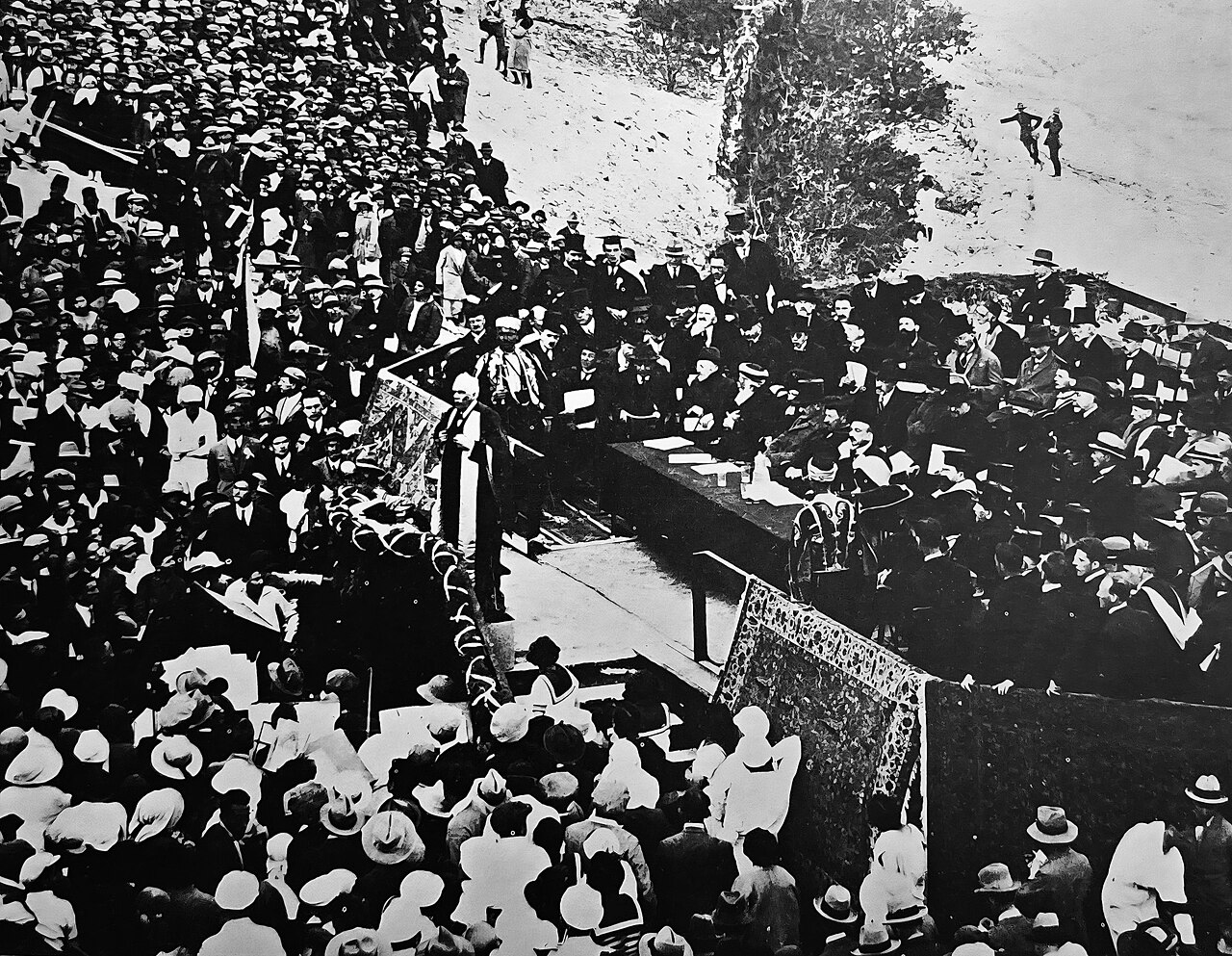
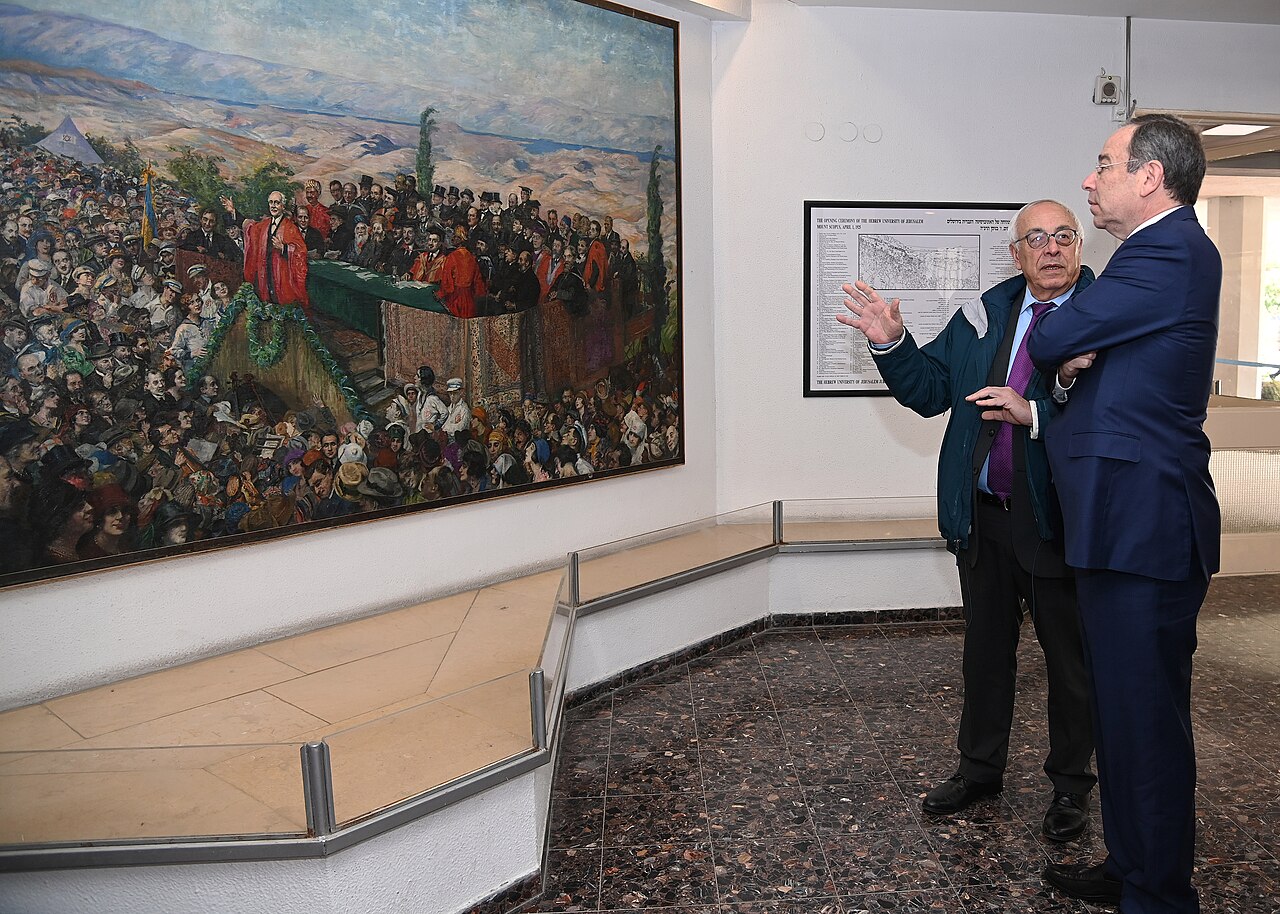
The idea for a Jewish university in the Land of Israel emerged from the Zionist movement, first proposed at the 1884 Kattowitz conference of Hovevei Zion and later by Hermann Schapira at the First Zionist Congress in 1897. The cornerstone was laid on 24 July 1918, and the Mount Scopus campus opened on 1 April 1925, with a ceremony attended by Jewish leaders, scholars, and British dignitaries such as the Earl of Balfour, Viscount Allenby, Winston Churchill, and Sir Herbert Samuel. Judah Magnes served as the university’s first chancellor from 1924 to 1935, then as president until 1948.
A key debate during the university’s planning was its official language. One faction, the “Germanists,” advocated for German and Arabic for non-Jewish subjects, arguing that Modern Hebrew lacked the technical vocabulary for academic discourse. The opposing side insisted on Hebrew, emphasizing its symbolic importance. The Hebrew advocates prevailed, and the university was designated a Hebrew institution. This decision also shaped its organizational structure, including which departments to establish. In 1919, Shmaryahu Levin consulted prominent Jewish scholars, including Ignaz Goldziher, whose suggestions—such as focusing on oriental languages, Jewish literature, and archaeology—were partly adopted.
By 1947, the university had grown into a major research and teaching center. After the 1948 Arab–Israeli War, attacks on convoys to Mount Scopus and the Hadassah medical convoy massacre—which killed 79 Jews, including doctors and nurses—cut off the campus from Israeli-controlled Jerusalem.
Quick Facts
- Established
- 24 July 1918
- Founders
- Albert Einstein / Chaim Weizmann
- Endowment
- US$515.4 million (2018)
- Budget
- US$802.4 million (2018)
- Rector
- Oron Shagrir
- President
- Tamir Sheafer
- Students
- 23,000
- Undergrad
- 12,500
- Postgrad
- 5,000
- Doctoral
- 2,200
- City
- Jerusalem and Rehovot
- Country
- Israel
Facts from the source article.
Lore & Background
The vision of a Jewish university in the Land of Israel was proposed as early as 1884 at the Kattowitz conference of the Hovevei Zion society and by Hermann Schapira at the First Zionist Congress of 1897. The cornerstone was laid on 24 July 1918, and the campus on Mount Scopus opened on 1 April 1925, attended by leaders including the Earl of Balfour, Winston Churchill, and Sir Herbert Samuel. The university's first chancellor was Judah Magnes, who served from 1924 to 1935 and then as president until 1948. A controversy over the official language saw the 'Germanists' propose German and Arabic for non-Jewish subjects, but Hebrew was chosen, with oriental languages, Jewish literature, and archaeology among the first subjects.
Reader's Guide
The Hebrew University of Jerusalem has played a central role in Israeli higher education and research since its founding. It was the first university in the region to offer a Bachelor of Social Work in Israel, established in 1958. During the 1948 Arab–Israeli War, the Mount Scopus campus was cut off after the Hadassah medical convoy massacre, leading to the construction of a new campus at Givat Ram, completed in 1958. After the Six-Day War in 1967, the university returned to Mount Scopus, which was rebuilt and became the main campus again by 1981. The university has been a target of terrorism, notably the 2002 bombing of the Frank Sinatra International Student Center cafeteria. In 2017, it launched a marijuana research centre. Until 2023, the world's largest library for Jewish studies, the National Library of Israel, was located on its Edmond J. Safra campus.
Did You Know?
- The Hebrew University was co-founded by Albert Einstein and Chaim Weizmann in July 1918.
- Sigmund Freud and Martin Buber were among its first board of governors.
A Vision Born in Exile
The dream of establishing a Jewish university in the Land of Israel stretched back to the late nineteenth century. As early as 1884, the Hovevei Zion society discussed the idea at their Kattowitz conference, and Hermann Schapira raised it again at the First Zionist Congress in 1897. That aspiration finally crystallized in July 1918, when Albert Einstein and Chaim Weizmann co-founded the institution that would become the Hebrew University of Jerusalem. The cornerstone was laid on 24 July of that year. Seven years later, on 1 April 1925, the Mount Scopus campus was formally opened at a grand ceremony drawing the Earl of Balfour, Viscount Allenby, Winston Churchill, and Sir Herbert Samuel alongside Jewish world leaders and scholars. Judah Magnes served as the first chancellor from 1924 to 1935, then transitioned to the presidency until 1948. The university thus predated the State of Israel by three decades, making it the second-oldest higher-education institution in the country, trailing only the Technion by six years.
A Hebrew Identity Forged in Debate
One of the most contentious questions during the university's conceptualization was what language would define its academic life. A faction known as the Germanists argued for a bilingual approach of German and Arabic for non-Jewish subjects, fearing that Modern Hebrew, still young, lacked the technical vocabulary for rigorous scholarship in fields beyond religion. Their opponents insisted that Hebrew was not merely a linguistic choice but a deeply symbolic one for the Jewish people, both inside and outside academia. The Hebrew side prevailed, and the institution was declared explicitly a Hebrew university. The question of what Hebrew character meant extended beyond language into organizational structure, departmental design, and research priorities. In 1919, Shmaryahu Levin consulted prominent Jewish European scholars for guidance. Ignaz Goldziher's recommendations were partially adopted, with oriental languages, Jewish literature, and archaeology among the earliest subjects offered. This foundational debate set the intellectual and cultural tone for everything that followed.
Scale, Distinction, and Global Reach
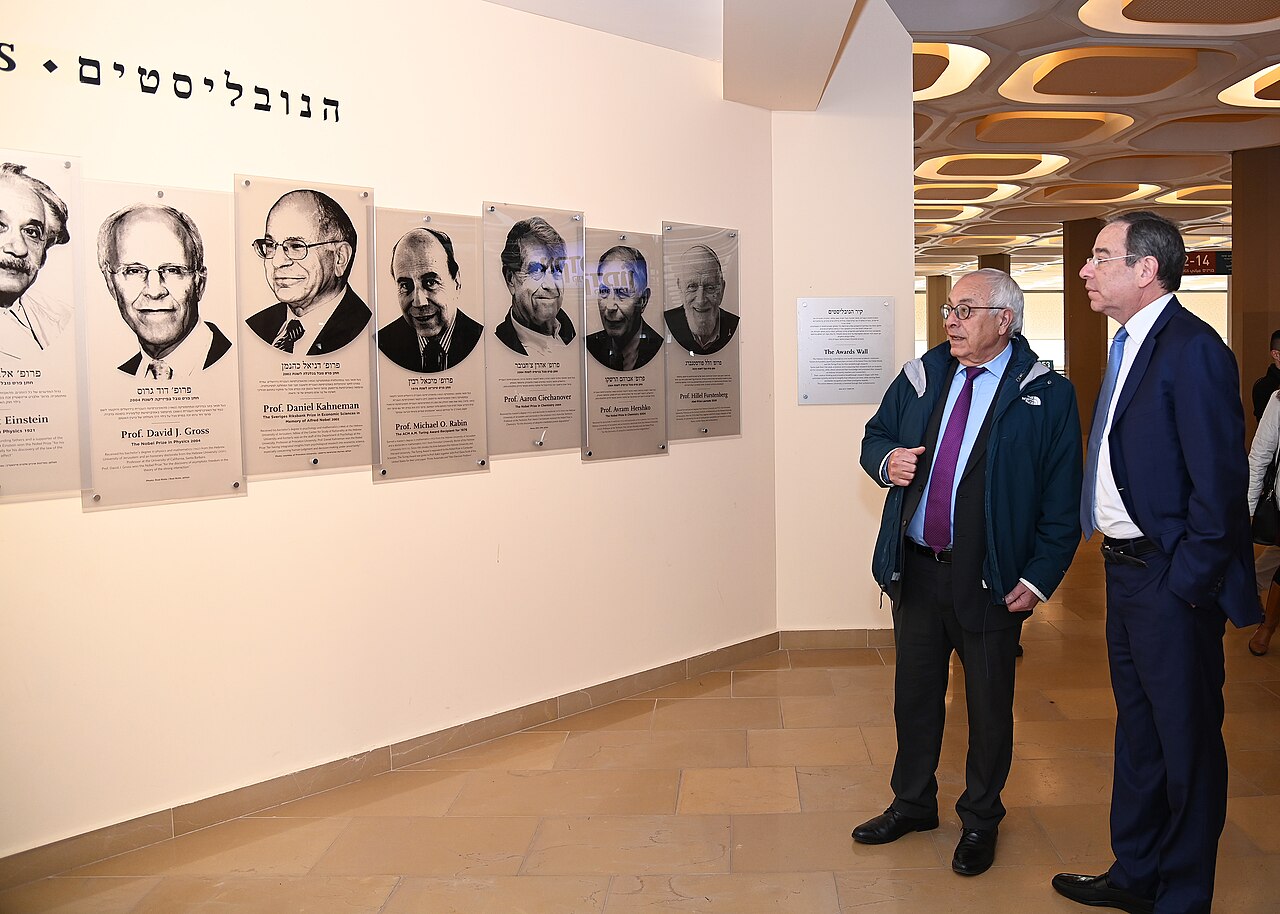
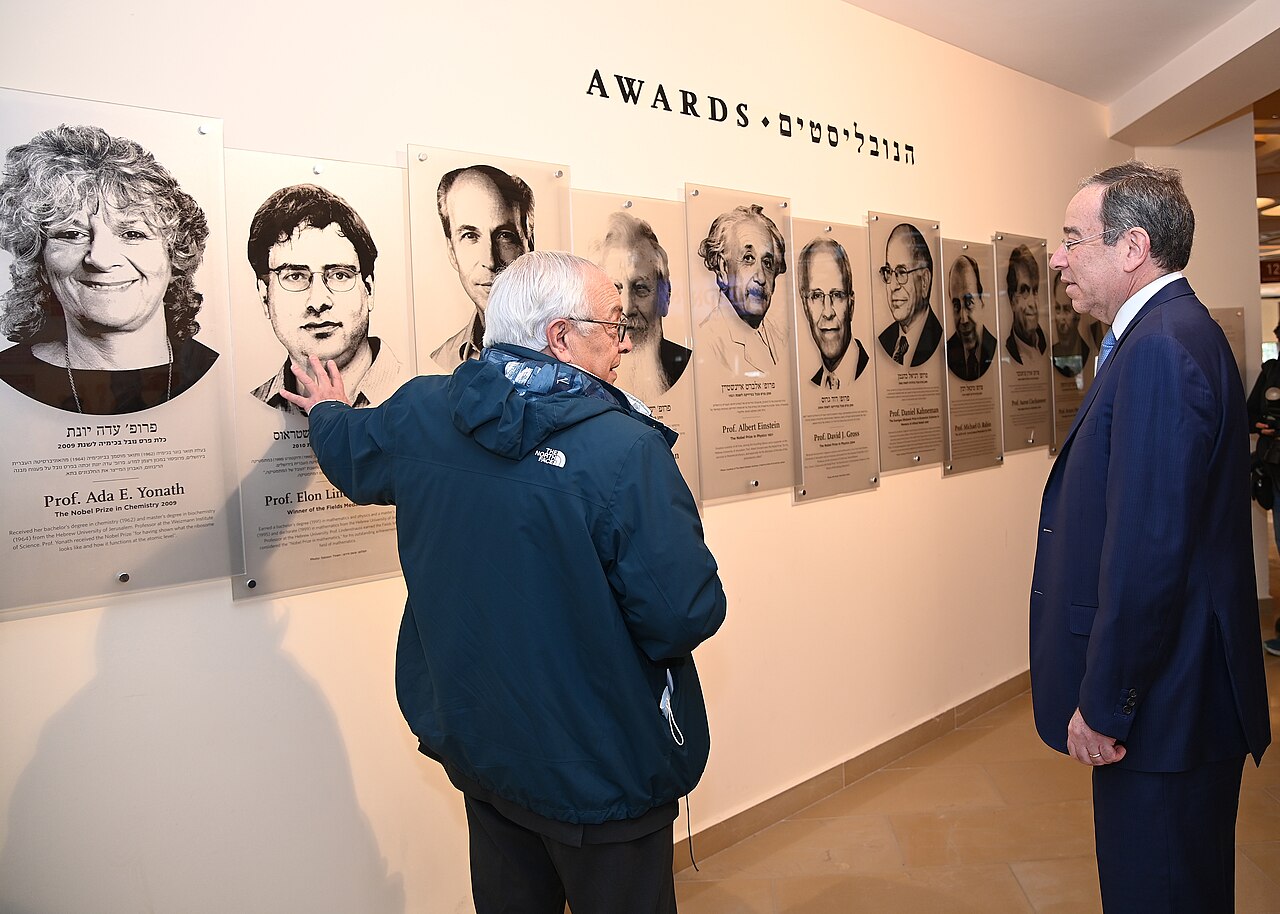
By the late 2010s, the Hebrew University had grown into a vast academic ecosystem. It operated five affiliated teaching hospitals, including the Hadassah Medical Center, housed seven faculties, maintained over 100 research centers, and contained 315 academic departments. Its student body was spread across three Jerusalem campuses and three additional sites in Rehovot, Rishon LeZion, and Eilat. The university's research output was staggering: as of 2018, roughly one-third of all doctoral candidates in Israel were enrolled there. Its roster of distinguished affiliates included 15 Nobel Prize winners split between alumni and faculty, two Fields Medalists, and three Turing Award recipients. Until 2023, the Edmond J. Safra campus in the Givat Ram neighborhood also hosted the National Library of Israel, which held the world's largest collection dedicated to Jewish studies. Four Israeli prime ministers counted themselves among the university's alumni, underscoring its deep entanglement with the nation's political and intellectual life.
Siege, Survival, and Rebuilding
The university's history is inseparable from the conflicts that shaped modern Israel. During the 1948 Arab-Israeli War, convoys linking the Israeli-held part of Jerusalem to the Mount Scopus campus came under attack. Abdul Kader Husseini, leading Arab forces in the city, threatened military action against the Hadassah Hospital. The April 1948 Hadassah medical convoy massacre killed 79 Jews, including doctors and nurses, and the campus was severed from the rest of the city. British soldier Jack Churchill organized the evacuation of 700 doctors, students, and patients. With Jordan denying Israeli access to Mount Scopus, a new campus was built at Givat Ram in western Jerusalem, completed in 1958, while classes temporarily scattered across 40 buildings around the city. After the Six-Day War of June 1967 reunified Jerusalem, the university returned to Mount Scopus, rebuilt and again serving as its main campus by 1981. On 31 July 2002, a bomb detonated in the Frank Sinatra International Student Center cafeteria during lunch, killing nine people. Each crisis tested the institution's endurance, yet it persisted and expanded.
Gallery
Frequently Asked Questions
What is the Hebrew University of Jerusalem?
It is a public research university based in Jerusalem, Israel, established in July 1918. As the second-oldest university in the country, it predates the founding of the State of Israel by three decades.
Who were the founders of Hebrew University of Jerusalem?
The university was co-founded in 1918 by a group that included the Zionist Organization, with Albert Einstein and Chaim Weizmann serving as prominent founding figures.
How many Nobel Prize winners are affiliated with Hebrew University of Jerusalem?
As of 2018, the institution counts 15 Nobel laureates among its affiliates, along with 2 Fields Medalists and 3 Turing Award recipients.
Where are Hebrew University of Jerusalem's campuses located?
The university operates three campuses within Jerusalem itself, plus additional sites in Rehovot, Rishon LeZion, and Eilat.
Why is Hebrew University of Jerusalem considered important?
By 2018, approximately one-third of all doctoral students in Israel were enrolled there, and the university runs five teaching hospitals, seven faculties, and more than 100 research centers.
More in Universities And Colleges 1-19
Spotted an error? Know more?
Reader corrections go straight into our review queue. Suggest an edit · How this site is sourced