
Harvard University
Oldest institution of higher learning in the United States.

Daderot · Public domain
Harvard University, a private Ivy League research institution located in Cambridge, Massachusetts, holds the distinction of being the oldest college in the United States. It was founded in 1636 and, three years later, was renamed Harvard College after its first major donor, a Puritan minister named John Harvard. The university’s reputation, financial resources, and academic rankings have cemented its status as one of the world’s most elite schools.
The Massachusetts General Court—the colonial legislature of the Massachusetts Bay Colony—authorized Harvard’s creation. It was founded with a Congregationalist orientation, and until the early 19th century, its presidents and tutors were required to be orthodox Congregationalists. The college initially trained Congregationalist ministers, and its curriculum and student body only gradually became secular during the 1700s. In 1780, the Massachusetts Constitution referred to the institution as a university, and a new medical school founded in 1782 was called the Medical Institution of Harvard University; this was a separate, new school, not simply a new name for the existing college. Harvard College subsequently became the label for the university’s undergraduate division.
By the 1800s, Harvard had grown into the leading academic and cultural hub for Boston’s elite. After the Civil War, President Charles William Eliot (in office from 1869 to 1909) oversaw the creation of multiple professional schools, turning Harvard into a modern research university. In 1900, it helped establish the Association of American Universities. Later, President James B. Conant guided the institution through the Great Depression and World War II, and after the war he made admissions more inclusive.
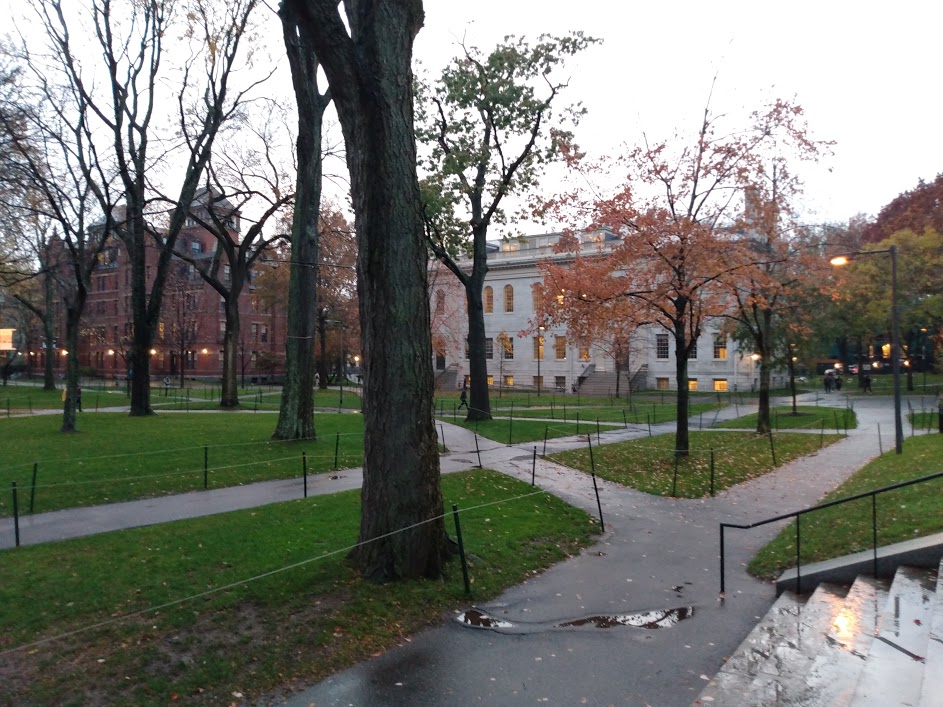
Today, Harvard comprises ten academic faculties plus a faculty attached to the Harvard Radcliffe Institute. The Faculty of Arts and Sciences oversees undergraduate and graduate programs across many fields, while the other faculties grant graduate and professional degrees. The university operates three campuses: the main 209‑acre (85‑hectare) site in Cambridge centered on Harvard Yard; an adjacent campus across the Charles River in Boston’s Allston neighborhood; and a medical campus in Boston’s Longwood Medical Area.
Quick Facts
- Latin Name
- Universitas Harvardiana
- Motto
- la · Veritas (Latin)
- Motto Eng
- "Truth"
- Free Label
- Newspaper
- Free
- The Harvard Crimson
- Established
- 1636-10-28
- Founders
- Massachusetts General Court
- Former Names
- Harvard College
- Religious Affiliation
- Nonsectarian
- Accreditation
- NECHE
- Endowment
- $55.7 billion (2025)
- Budget
- $6.7 billion (2025 Fiscal Year ending June 30)
Facts from the source article.
Lore & Background
Harvard was founded and authorized by the Massachusetts General Court, the governing legislature of colonial-era Massachusetts Bay Colony. It was founded with a Congregationalist orientation, and until the early 19th century, its presidents and tutors were required to be orthodox Congregationalists. The college initially trained Congregationalist ministers, and its curriculum and student body only gradually became secular during the 1700s. In 1780, the Constitution of Massachusetts referred to it as a university, and a new medical school established in 1782 was named the Medical Institution of Harvard University; this was a separate, new school, not simply a new name for the existing college. Harvard College soon became the name of the university's undergraduate division.
By the 19th century, Harvard had emerged as the most prominent academic and cultural institution among the Boston
Reader's Guide
Harvard University's significance lies in its status as the oldest institution of higher learning in the United States, founded in 1636. Its early purpose, as stated in a 1643 publication, was to advance learning and perpetuate it to posterity, particularly to avoid an illiterate ministry. Over centuries, Harvard evolved from a college training Congregational ministers into a modern research university, especially under President Charles William Eliot from 1869 to 1909, who developed multiple professional schools. Harvard co-founded the Association of American Universities in 1900. Its endowment, valued at $55.7 billion, makes it the wealthiest academic institution in the world, and its library, with more than 20 million volumes, is the world's largest academic library. The university's influence, wealth, and rankings have made it one of the most prestigious universities globally. Its legacy includes a shift from a Puritanical curriculum to a secularized one, and under President James B. Conant, liberalized admissions after World War II. Harvard's seal evolved from an early version emphasizing religious mission to one incorporating the motto VERITAS, reflecting its intellectual pursuits.
Did You Know?
- Harvard was founded in 1636 by a vote of the Great and General Court of the Massachusetts Bay Colony.
- In 1638, Harvard acquired English North America's first known printing press.
Origins in the Colonial Bay Colony
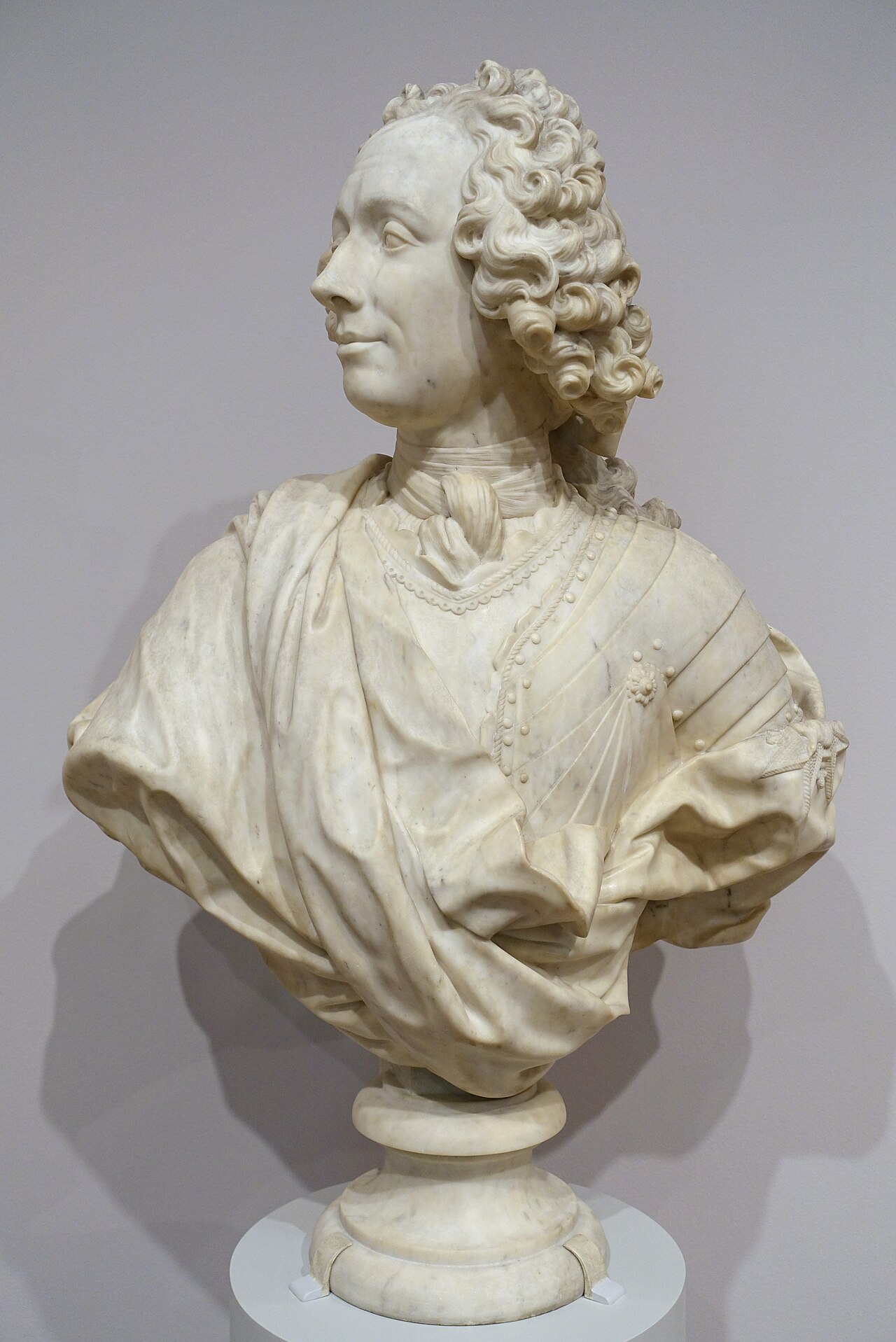
Harvard's story begins with a legislative vote in 1636 by the Great and General Court of the Massachusetts Bay Colony, making it the oldest institution of higher learning in what would become the United States. Its first headmaster, Nathaniel Eaton, assumed the role the following year, and by 1638 the young college had acquired what is recognized as English North America's first known printing press. That same year, Puritan clergyman John Harvard, on his deathbed, left the emerging institution £780 and a personal library of roughly 320 volumes; the college was subsequently renamed Harvard College in his honor. A 1643 publication articulated the college's founding purpose: to advance learning and pass it forward to future generations, fearing the day when their present ministers would lie in the dust and leave an illiterate ministry behind. The early curriculum drew heavily on the English university model, particularly that of the University of Cambridge, where many colonial leaders had studied before emigrating. Though never formally tied to any single Protestant denomination, the institution's academic life conformed to Puritan tenets, and it trained a steady stream of Congregational ministers for the colony's churches.
The Eliot Era and the Birth of a Research Powerhouse
Following the American Civil War, Harvard underwent a profound institutional metamorphosis under the long presidency of Charles William Eliot, who guided the university from 1869 to 1909. During those four decades, Eliot oversaw the creation of multiple professional schools, a structural expansion that converted what had been primarily a single undergraduate college into a full modern research university. The 19th century had already seen Harvard emerge as the most prominent academic and cultural institution among Boston's elite, and Eliot's reforms cemented that dominance on a national scale. In 1900, Harvard co-founded the Association of American Universities, an organization that would shape the research landscape of higher education across the country. The university's next major chapter came under James B. Conant, who steered Harvard through the economic devastation of the Great Depression and the upheaval of World War II. In the postwar period, Conant also liberalized the admissions process, broadening access to the institution. By the time of these transformations, the 1780 Massachusetts Constitution had already recognized the college as a university, and the 1782 establishment of a medical school had signaled the beginning of Harvard's multi-faceted academic identity.
A Campus Ecosystem and Unmatched Resources
Today, Harvard operates across three distinct campuses that together form a sprawling academic ecosystem. The main 209-acre campus sits in Cambridge, organized around the iconic Harvard Yard, while an adjoining site stretches into the Allston neighborhood of Boston just across the Charles River. A third, dedicated medical campus occupies Boston's Longwood Medical Area, serving the university's clinical and research programs. The academic structure is equally vast: ten separate faculties, plus one attached to the Harvard Radcliffe Institute, cover everything from the broad undergraduate and graduate disciplines housed in the Faculty of Arts and Sciences to specialized professional degrees offered by other schools. Behind this infrastructure stands one of the most extraordinary resource bases in global academia. Harvard's endowment, valued at $55.7 billion, makes it the wealthiest academic institution in the world. Its library system holds more than 20 million volumes, a collection that earns the distinction of being the largest academic library on the planet. Together, these assets—physical space, academic breadth, and financial depth—underpin Harvard's standing as one of the most prestigious universities anywhere.
From Puritan Chapel to Secular Icon
Harvard's identity has undergone a remarkable secular evolution over nearly four centuries. In its earliest decades, the college's mission was explicitly religious: a 1643 publication declared its purpose was to prevent leaving an illiterate ministry to the churches, and the curriculum conformed to Puritan tenets even though no single Protestant denomination was ever formally attached. The 1650 seal, bearing the motto IN CHRISTI GLORIAM and three open books on a square shield, captured that devotional character. The shift toward intellectual independence accelerated in the 18th century as the curriculum and student body gradually secularized, and in 1708 John Leverett became the first president who was not also a clergyman. The early 19th century brought further liberalization: Enlightenment ideas of reason and free will, championed by Congregational ministers, displaced more traditional Calvinist doctrine, and by 1807 liberal Samuel Webber had been elected president. In 1885, the Harvard Corporation adopted the Appleton Seal, designed by alumnus William Sumner Appleton, which replaced the earlier religious motto with VERITAS while retaining the phrase CHRISTO ET ECCLESIÆ as a nod to the institution's ecclesiastical origins—a deliberate attempt to harmonize Harvard's intellectual ambitions with its founding faith.
Gallery


Frequently Asked Questions
Who is Harvard University?
Harvard is a private Ivy League research university based in Cambridge, Massachusetts, and it holds the distinction of being the oldest institution of higher learning in the United States. It was chartered in 1636 by the Massachusetts General Court and subsequently renamed in honor of Puritan minister John Harvard, its first major benefactor.
What are Harvard University's powers and role?
Harvard functions as a premier research institution backed by an endowment of roughly $55.7 billion and library holdings that surpass 20 million volumes. Its role encompasses producing top-tier scholars, advancing frontier research, and influencing policy across a broad spectrum of academic fields.
Why is Harvard University important?
As the first college established in what would become the United States, Harvard laid the groundwork for American higher education back in 1636. Its centuries of academic distinction, enormous financial resources, and worldwide influence have made it a defining pillar of the Ivy League and a global benchmark for universities.
What is Harvard University's type and where is it located?
Harvard is classified as a private Ivy League research university, with its campus situated in Cambridge, Massachusetts, United States. Its founding was authorized by the colonial legislature of the Massachusetts Bay Colony, known as the Massachusetts General Court.
More in Universities And Colleges 1-19
Spotted an error? Know more?
Reader corrections go straight into our review queue. Suggest an edit · How this site is sourced