
Federal University of Rio de Janeiro
A public research university in Rio de Janeiro, Brazil, and one of the country's centers of excellence in teaching and research.

Estudante do IE-UFRJ · CC0
The Federal University of Rio de Janeiro (UFRJ) is a public research institution and the largest federal university in Brazil, recognized as a national hub for teaching and research. Its main campus is in Rio de Janeiro, with additional locations in ten other cities. As the country’s first official higher education institution, UFRJ has been in continuous operation since 1792, when its precursor, the Royal Academy of Artillery, Fortification and Design, was founded. The university offers 157 undergraduate and 580 postgraduate programs, and oversees seven museums—including the National Museum of Brazil—nine hospitals, hundreds of laboratories and research facilities, and forty-three libraries. Its history is deeply linked to Brazil’s ambition to build a modern, competitive, and just society. Notable alumni include economists Carlos Lessa and Mário Henrique Simonsen, Minister Marco Aurélio Mello, architect Oscar Niemeyer, philosopher Roberto Mangabeira Unger, educator Anísio Teixeira, engineer Benjamin Constant, writers Clarice Lispector, Jorge Amado, and Vinicius de Moraes, politicians Francisco Pereira Passos, Oswaldo Aranha, and Pedro Calmon, and physicians Carlos Chagas, Oswaldo Cruz, and Vital Brazil.
The university was created on September 7, 1920, by President Epitácio Pessoa under Law Decree 14343, initially named the University of Rio de Janeiro. It was formed from existing schools: the Polytechnic School (founded in 1792 as the Royal Academy of Artillery, Fortification and Design, later the Royal Military Academy), the National Faculty of Medicine (founded in 1808 as the Academy of Medicine and Surgery by Dom João VI), and the National Faculty of Law (created from the merger of the College of Legal and Social Sciences and the Free College of Law, recognized in 1891). Over time, additional schools were added, including the National School of Fine Arts and the National College of Philosophy. The university played a crucial role in shaping Brazil’s higher education system, serving as a model for later institutions.
In 1937, under Education Minister Gustavo Capanema, the institution was renamed the University of Brazil as part of a reform to control national education quality, influenced by the French model of state-controlled, professionally focused schools. The early 1950s saw the institutionalization of research, leading to research institutes, full-time faculty, specialized training, and partnerships with funding agencies. In 1958, the 150th anniversary of its medical school prompted structural reforms that increased faculty and student participation and improved efficiency. These reforms influenced national planning, communication industries, and government decisions. In 1965, under President Castelo Branco, the university gained full financial, didactic, and academic autonomy (an “autarchy”) and adopted its current name, following the standard for federal universities. This autonomy led to further restructuring to comply with the Law Decree of March 13, 1967.
Quick Facts
- Native Name
- Universidade Federal do Rio de Janeiro
- Motto
- A Universidade do Brasil
- Motto Eng
- "The University of Brazil"
- Established
- December 16, 1792 / (1792 · 12 · 16 years) (Royal Academy) / September 7, 1920 / (1920 · 9 · 7 years) (University)
- Budget
- R$3.8 billion (2020)
- Rector
- Roberto de Andrade Medronho
- Academic Staff
- 4,218 (2021)
- Administrative Staff
- 9,153 (2021)
- Students
- 69,200 (2021)
- Undergrad
- 53,500 (2021)
- Postgrad
- 15,700 (2021)
- City
- Rio de Janeiro
Facts from the source article.
Lore & Background
The Federal University of Rio de Janeiro is a direct descendant of Brazil's first higher education courses. Created on September 7, 1920 by president Epitácio Pessoa through the Law Decree 14343, the institution was initially named 'University of Rio de Janeiro'. In 1937, it changed its name to the 'University of Brazil'. In 1965, under the government of general Castelo Branco, the university achieved plain financial, didactic and academic autonomy and acquired its current name. In 2000, the rectory requested to the Federal Justice that the university's name was changed back to 'University of Brazil', and the request was deferred, so it is correct to address the university by either names.
Reader's Guide
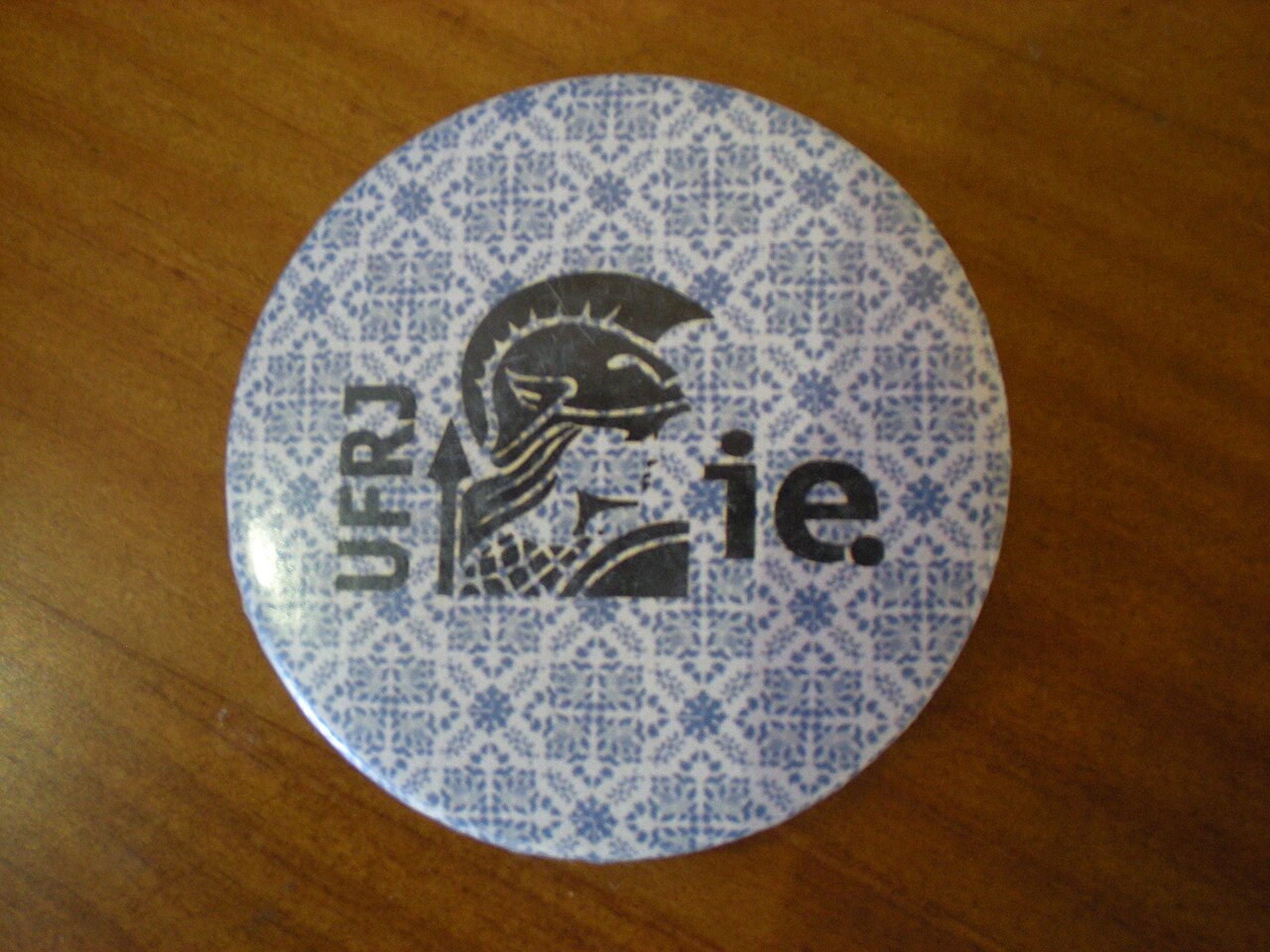
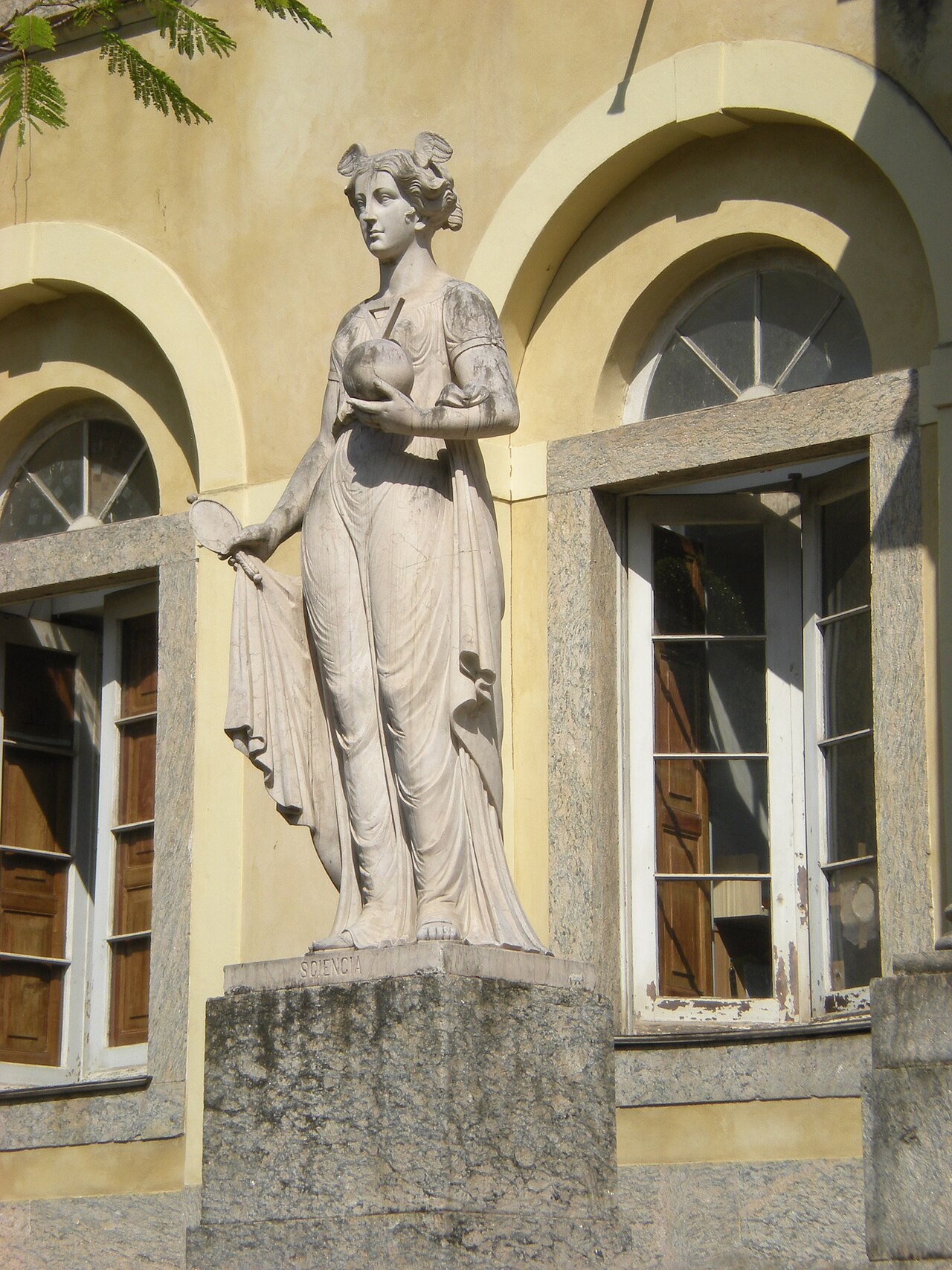
The UFRJ adopts the Roman goddess Minerva as its mascot. The university manages an ambitious program for extension courses, contributes heavily to Rio de Janeiro's public health with its nine college hospitals, and achieved a 'very good' evaluation and a maximum score in the Ministry of Education's General Index of College Courses in 2010.
Did You Know?
- The university's mascot is the Roman goddess Minerva, not an owl.
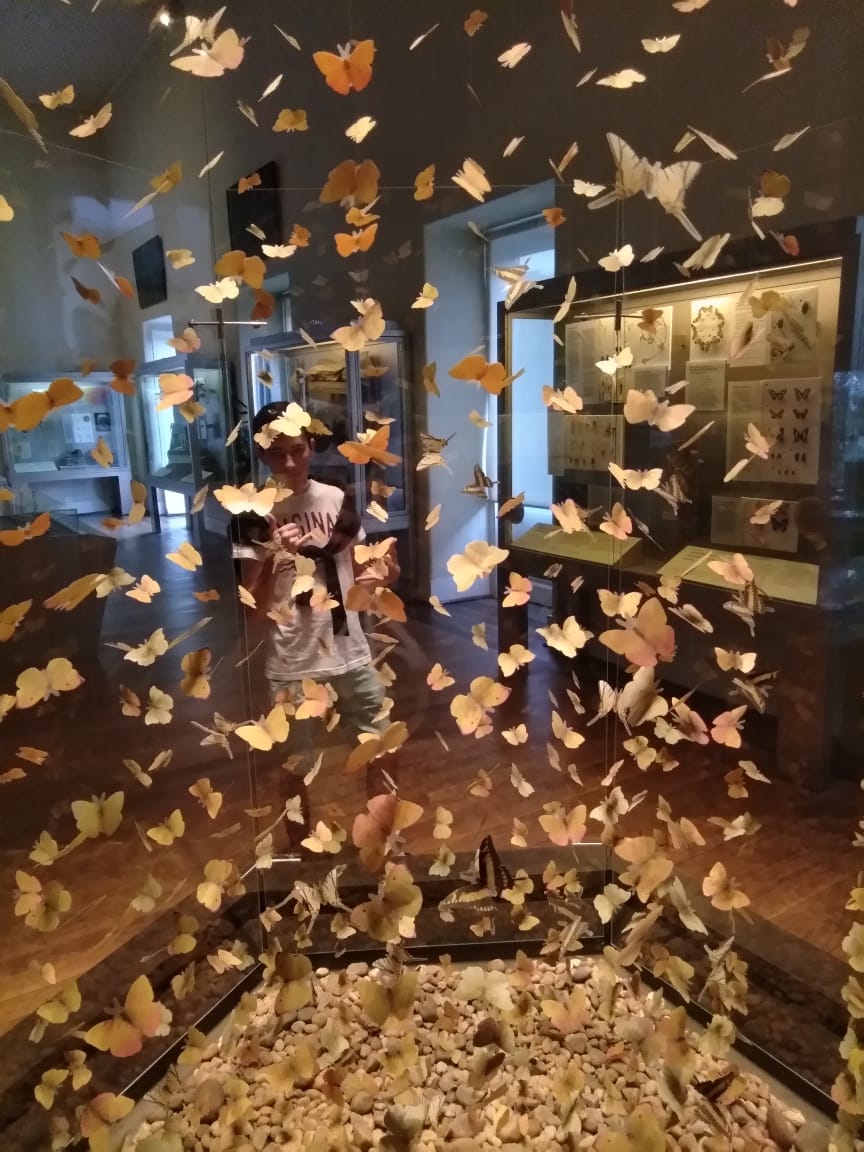
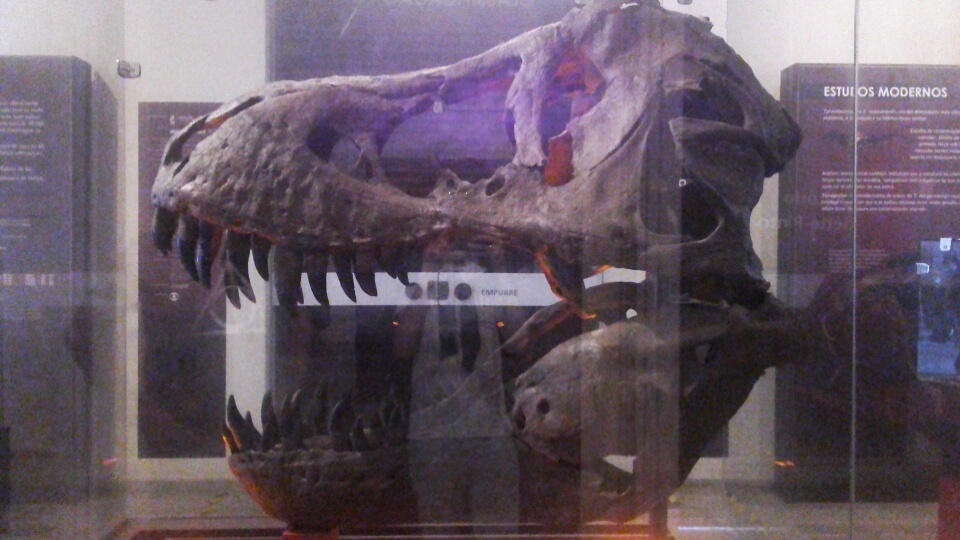
- UFRJ is responsible for seven museums, most notably the National Museum of Brazil.
Roots in Brazil's Intellectual Awakening
The Federal University of Rio de Janeiro stands as the oldest continuous higher education institution in Brazil, with its lineage stretching back to 1792. That year, under the reign of Portuguese Queen Maria I, the Royal Academy of Artillery, Fortification and Design was established—what would eventually evolve into the university's Polytechnic School. The Medicine School followed in 1808, when Dom João VI created the Academy of Medicine and Surgery, while the Law School emerged from the 1891 merger of two legal colleges. When president Epitácio Pessoa formally created the 'University of Rio de Janeiro' on September 7, 1920—Brazilian Independence Day—through Law Decree 14343, he was not founding something new but rather consolidating centuries of accumulated academic tradition. The institution also absorbed the National College of Fine Arts and the National College of Philosophy. Because of this deep-rooted history, UFRJ became the template upon which most of Brazil's subsequent universities were modeled, fulfilling an aspiration of the Brazilian intellectual elite that had persisted since the colonial era.
Forging Autonomy Through Reform
The path to UFRJ's current identity was marked by successive waves of institutional reform. In 1937, education minister Gustavo Capanema renamed the institution the 'University of Brazil,' reflecting a French-inspired model that emphasized state control and professional specialization over the German approach of academic freedom seen at the University of São Paulo. The early 1950s brought a pivotal shift as research became formally institutionalized, spawning dedicated institutes, full-time faculty positions, and partnerships with national and international funding bodies. The 150th anniversary of the Medicine School in 1958 catalyzed further structural debates, producing reform plans that set new benchmarks for national college planning and even influenced Brazilian communication industries and government decision-making. Finally, in 1965, under General Castelo Branco's government, the university secured what Brazilian law calls 'autarchy'—full financial, didactic, and academic independence—and adopted its present name. The subsequent restructuring to comply with the 1967 Law Decree was widely considered an extraordinarily bold move for a nation whose colonial heritage prized tradition and stability.
A Vast Ecosystem of Knowledge
UFRJ operates at a scale that makes it the largest federal university in Brazil and a recognized national center of excellence in both teaching and research. Its academic portfolio encompasses 157 undergraduate programs and 580 postgraduate courses, supported by hundreds of laboratories and research facilities. Beyond the classroom, the university is responsible for seven museums—including the National Museum of Brazil—nine hospitals, and forty-three libraries, creating an infrastructure that extends far beyond typical academic boundaries. While its main campus sits in Rio de Janeiro, satellite operations spread across ten additional cities, broadening its geographic and social reach. This sprawling network of institutions reflects the university's deep entanglement with Brazilian ambitions to build a modern, competitive, and just society. UFRJ also maintains an open-doors policy toward foreign scholars seeking to share or gain expertise, while offering its own teaching staff opportunities for internships and positions at external institutions. These international exchanges and partnerships generate reformist currents that typically coexist with the university's strong traditional foundations.
A Constellation of Distinguished Minds
The roll of names associated with UFRJ reads like a who's-who of Brazilian intellectual and public life. In economics, alumni include Carlos Lessa and Mário Henrique Simonsen; in law, Minister Marco Aurélio Mello; in architecture, the legendary Oscar Niemeyer; in philosophy and politics, Roberto Mangabeira Unger; in education, Anísio Teixeira; and in engineering, Benjamin Constant. The literary world owes much to the university as well, with Clarice Lispector, Jorge Amado, and Vinicius de Moraes all counted among its former students. In politics, figures such as Francisco Pereira Passos, Oswaldo Aranha, and Pedro Calmon passed through its halls. Perhaps most strikingly, the medical sciences produced three towering figures: Carlos Chagas, Oswaldo Cruz, and Vital Brazil. This extraordinary breadth—spanning the arts, sciences, law, medicine, and governance—testifies to the university's role as a crucible for Brazil's modern identity, producing minds who shaped the nation across virtually every domain of public and cultural life.
Gallery
Frequently Asked Questions
Who is the Federal University of Rio de Janeiro?
UFRJ is a public research university based in Rio de Janeiro, Brazil, and it holds the distinction of being the country's first officially established university. It is also the largest federal university in Brazil and a major hub for academic excellence.
When was the Federal University of Rio de Janeiro founded?
The institution was officially established on September 7, 1920, under the name University of Rio de Janeiro. Its academic lineage, however, stretches much further back, with origins traceable to 1792.
Why is the Federal University of Rio de Janeiro important?
As Brazil's first official university and its largest federal institution of higher education, UFRJ has long been a cornerstone of the nation's teaching and research landscape. It has produced influential figures across science, literature, and architecture who helped shape Brazilian culture.
Who are notable alumni of the Federal University of Rio de Janeiro?
The university's alumni roster includes iconic names such as architect Oscar Niemeyer, writer Clarice Lispector, novelist Jorge Amado, and scientists Carlos Chagas and Oswaldo Cruz. These figures span fields from literature to medicine, reflecting the breadth of UFRJ's academic legacy.
What is the motto of the Federal University of Rio de Janeiro?
The university's motto translates to "In a university, one teaches because one researches." This phrase encapsulates UFRJ's identity as a research-driven institution where scholarship and instruction are deeply intertwined.
More in Universities And Colleges 1-19
Spotted an error? Know more?
Reader corrections go straight into our review queue. Suggest an edit · How this site is sourced