
Delft University of Technology
Leading Dutch technical university since 1842

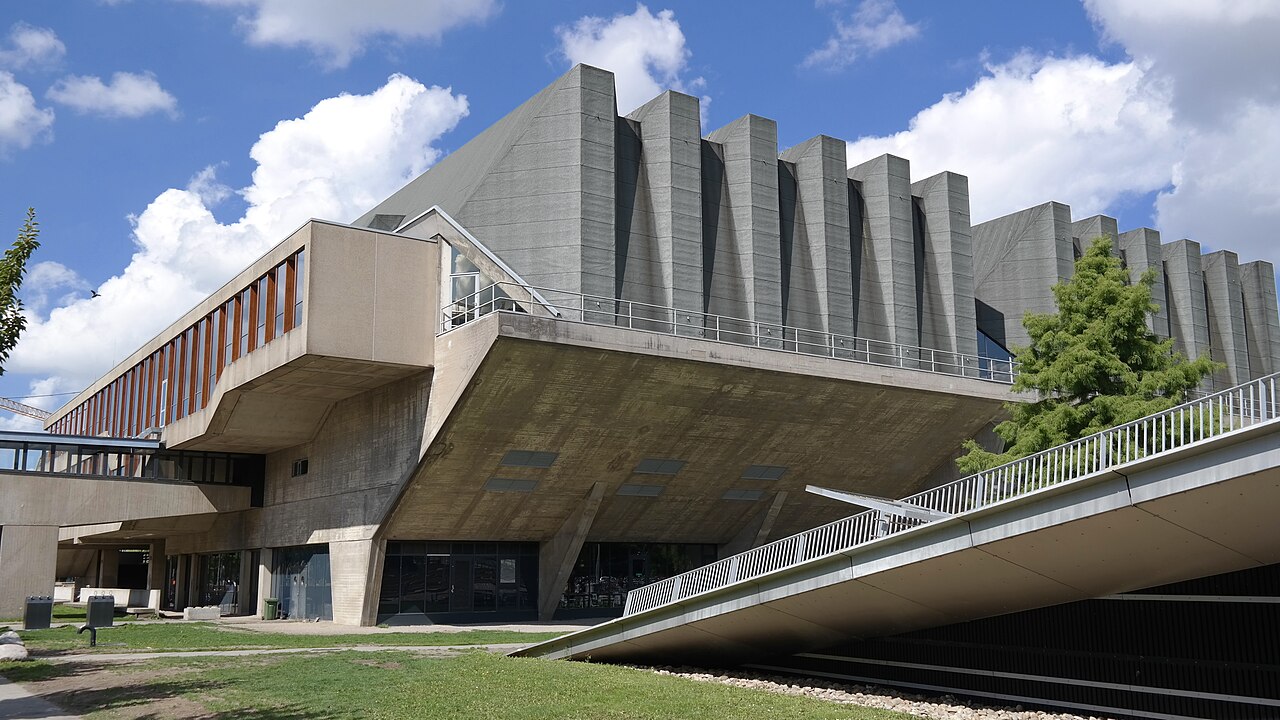
Ymblanter · CC BY-SA 4.0
TU Delft, officially the Delft University of Technology, is the Netherlands’ oldest and largest public technical university. Based in the city of Delft, its focus covers engineering, technology, computing, design, and the natural sciences. Widely regarded as a top technical institution in Europe, it regularly appears among the world’s best for architecture and engineering. In the 2024 QS World University Rankings, it placed third globally for architecture, 13th for Engineering & Technology, third for mechanical and aerospace engineering, third for civil and structural engineering, 11th for chemical engineering, and 12th for design. The university operates eight faculties and several research institutes, serving roughly 27,000 undergraduate and postgraduate students. Its workforce includes over 3,500 doctoral candidates and nearly 4,500 teaching, research, support, and management staff, among them more than 1,300 faculty members of all academic ranks in the Netherlands.
The institution traces its origins to 8 January 1842, when King William II founded it as a royal academy to train civil servants for the Dutch East Indies. Over time, it broadened its curriculum, becoming a polytechnic school in 1864 and gaining full university status as an institute of technology in 1905. It adopted its current name, Delft University of Technology, in 1986. Three Dutch Nobel laureates—Jacobus Henricus van 't Hoff, Heike Kamerlingh Onnes, and Simon van der Meer—have been associated with TU Delft. The university is also a member of several academic federations, including the IDEA League, CESAER, UNITECH International, the ENHANCE Alliance, LDE, and 4TU.
The Royal Academy phase lasted from 1842 to 1864. Its first director was Antoine Lipkens, who built the first Dutch optical telegraph. The academy initially occupied a building at Oude Delft 95. In 1863, a new law brought technical education under secondary education rules. A royal decree on 20 June 1864 dissolved the academy, replacing it with the Polytechnic School of Delft, which trained engineers and architects during the 19th-century industrial boom. On 22 May 1905, another act renamed the school the Technical College (Institute) of Delft, granting it university rights and the power to award academic degrees. Queen Wilhelmina officially opened the new institution on 10 July 1905. The first doctoral degree was awarded that same year. From 1924 until 1966, ceremonies were held in the Saint Hippolytus Chapel. Corporate rights were granted on 7 June 1956. During this period, most buildings were in Delft’s city center, with some along the river Schie in the Wippolder district. Student organizations flourished: the Delftsch Studenten Corps (founded 22 March 1848), the Delftsche Studenten Bond (30 October 1897), and the KSV Sanctus Virgilius (2 March 1898). In 1917, the Proof Garden for Technical Plantation—now the TU Delft Botanical Garden—was established by Gerrit van Iterson. The university also appointed its first female professor, Toos Korvezee.
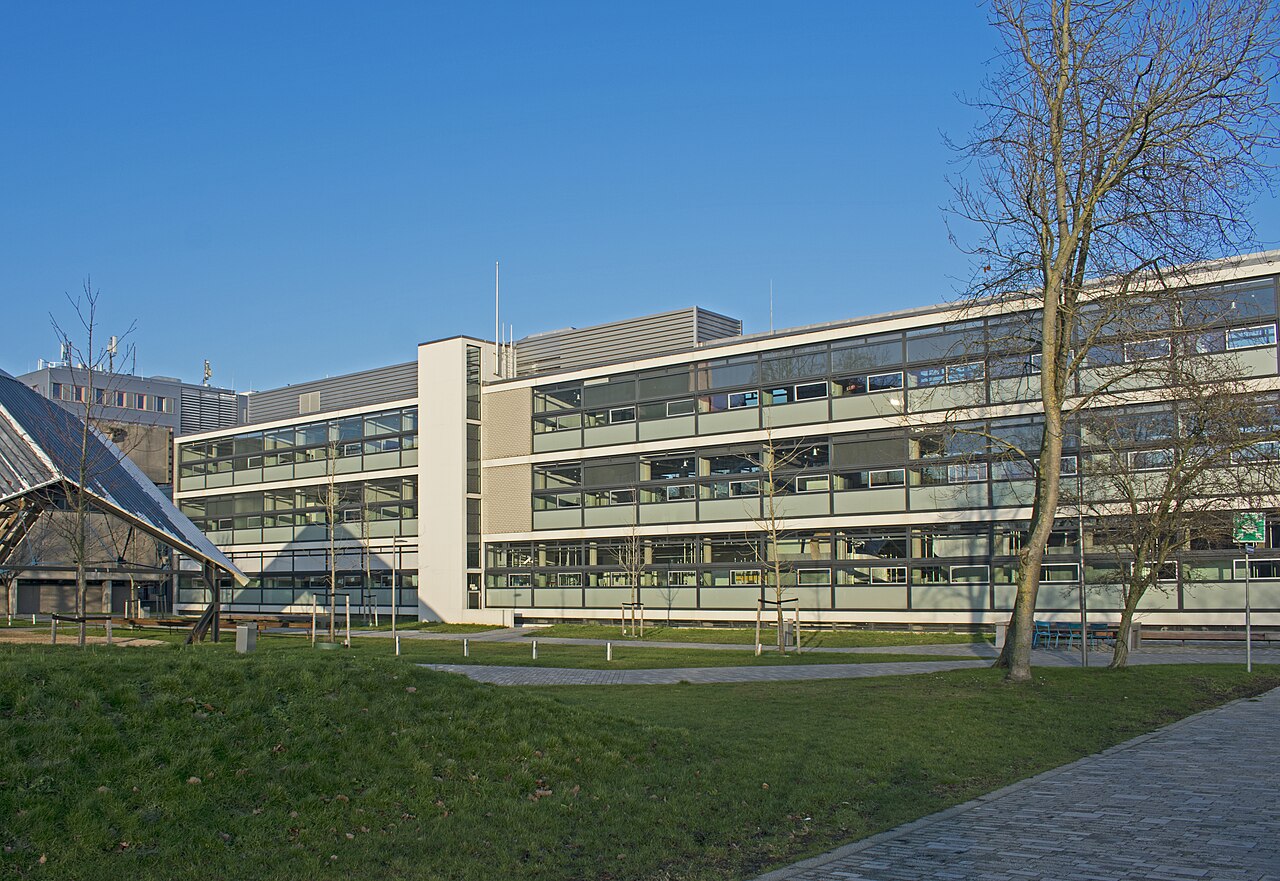
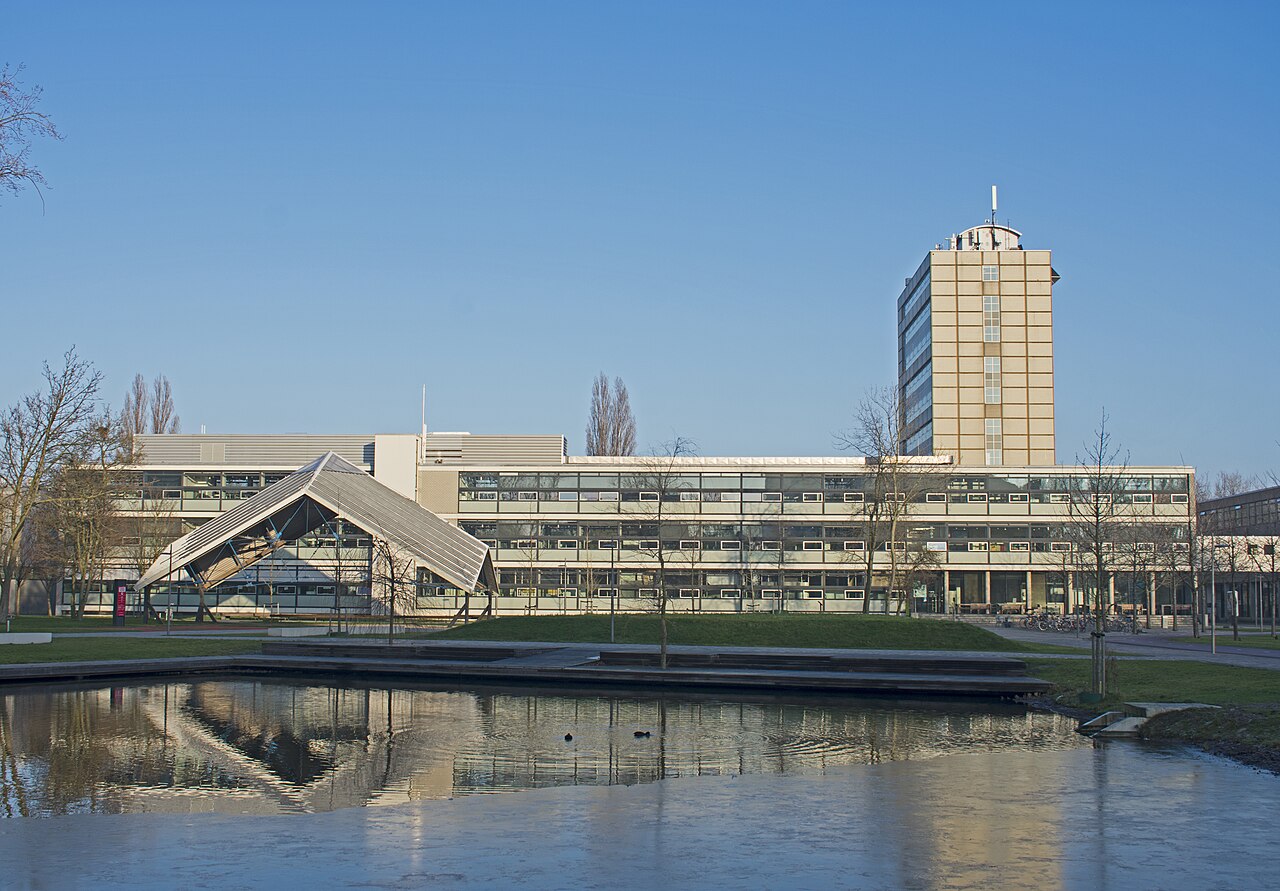
After World War II, TU Delft expanded rapidly. Studium Generale was introduced at all Dutch universities, including TU Delft, to promote open access to culture, technology, society, and science. In 1974, the first Reception Week for First Year Students (OWEE) was launched, becoming a lasting tradition. Since 2006, all university buildings have been located outside Delft’s historic center. The old Materials Science building was sold and demolished in 2007 to make way for a new Haagse Hogeschool building. Closer ties with Dutch universities of applied sciences led to several institutes moving to Delft in September 2009, settling near the university at the square between Rotterdamseweg and Leeghwaterstraat. In 2007, the three Dutch technical universities—TU Delft, TU Eindhoven, and the University of Twente—formed the 3TU federation. On 13 May 2008, a fire, likely caused by a short circuit in a coffee machine after a water pipe rupture, destroyed the Faculty of Architecture building. Collections stored on or above the second floor were lost.
Quick Facts
- Native Name
- nl · Technische Universiteit Delft
- Motto Eng
- Challenge the Future
- Established
- January 8, 1842
- Campus
- Urban (university town)
- Budget
- € 1,093 million (2024)
- President
- Ingrid Thijssen
- Rector
- Professor Hester Bijl
- Faculty
- 1,356 faculty members of all ranks (Docent, Assistant, Associate, and Full Professor; 2025)
- Administrative Staff
- 2,870 (2025) and 1,131 research staff (2025)
- Students
- 26,502 (2025)
- Undergrad
- 13,312 (2025)
- Postgrad
- 12,814 (2025)
Facts from the source article.
Lore & Background
The university was established on 8 January 1842 by King William II as a royal academy, with the primary purpose of training civil servants for work in the Dutch East Indies. The school expanded its research and education curriculum over time, becoming a polytechnic school in 1864 and an institute of technology (making it a full-fledged university) in 1905. It changed its name to Delft University of Technology in 1986. Dutch Nobel laureates Jacobus Henricus van 't Hoff, Heike Kamerlingh Onnes, and Simon van der Meer have been associated with TU Delft. TU Delft is a member of several university federations, including the IDEA League, CESAER, UNITECH International, ENHANCE Alliance, LDE, and 4TU.
Reader's Guide
History: Royal Academy (1842–1864) – founded by William II as Royal Academy for educating civilian engineers and apprentices. Polytechnic School (1864–1905) – replaced the Royal Academy. Institute of Technology (1905–1986) – granted university rights; first doctoral degree awarded in 1905. Delft University of Technology (1986–present) – name changed in 1986; faculties merged to 9 in 1997; all buildings outside city center since 2006. Logo: based on cyan, black, white; features a flame symbolizing Prometheus. Campus: Mekelpark opened in 2009, named after professor Jan Mekel.
Did You Know?
- TU Delft was founded on 8 January 1842 by King William II.
- The university's symbol is a flame, referencing Prometheus.
- The Faculty of Architecture building was destroyed by fire in 2008.
- The first female professor at TU Delft was Toos Korvezee.
From Royal Academy to Global Powerhouse
Born on 8 January 1842 by royal decree of King William II, the institution that would become TU Delft began life as a modest academy with a singular mission: producing competent civil engineers and trained apprentices to serve the Dutch nation, its industry, and the colonial administration of the Dutch East Indies. Its first director, Antoine Lipkens — himself the builder of the Netherlands' first optical telegraph — led the school from a building on Oude Delft 95. Over the following decades the academy outgrew its original scope. A 1863 act on technical education set the stage for its 1864 rebirth as the Polytechnic School of Delft, a response to the urgent demand for engineers and architects during the country's industrial surge. The decisive leap came on 22 May 1905, when a new act elevated the school to a full institute of technology with the right to confer academic degrees. Queen Wilhelmina herself attended the official opening on 10 July 1905, and that same year the first doctoral degree was awarded. The institution would not receive its current name, Delft University of Technology, until 1986 — a full 144 years after its founding.
A Consistently Elite Standing
As the oldest and largest public technical university in the Netherlands, TU Delft has carved out a reputation that extends well beyond its borders. The institution focuses its teaching and research across engineering, technology, computing, design, and the natural sciences, and it is widely regarded as one of the leading technical universities in all of Europe. Its global standing is reflected in the 2024 QS World University Rankings, where it placed third in the world for architecture and thirteenth for engineering and technology. Those headline figures are reinforced by subject-specific positions: third for mechanical and aerospace engineering, third for civil and structural engineering, eleventh for chemical engineering, and twelfth for design. The university's intellectual pedigree is further underscored by its association with three Dutch Nobel laureates — Jacobus Henricus van 't Hoff, Heike Kamerlingh Onnes, and Simon van der Meer — each of whom contributed to the broader scientific tradition that TU Delft helped sustain. Today the school belongs to a constellation of international university federations, including the IDEA League, CESAER, UNITECH International, the ENHANCE Alliance, LDE, and 4TU, cementing its role in a network of elite technical institutions.
A Living Academic Community
Behind the rankings and the history lies a vibrant, multi-layered community. TU Delft organizes its academic work across eight faculties and a cluster of dedicated research institutes, together educating roughly 27,000 undergraduate and postgraduate students. The research side is equally substantial: more than 3,500 doctoral candidates pursue their theses on campus, supported by close to 4,500 teaching, research, support, and management staff, among whom are over 1,300 faculty members spanning every academic rank. Student life has deep roots as well. The Delftsch Studenten Corps, founded on 22 March 1848 and housed in the distinctive Sociëteit Phoenix on Phoenixstraat, is the oldest of several long-standing student organizations, followed by the Delftsche Studenten Bond (1897) and KSV Sanctus Virgilius (1898). In 1917, Gerrit van Iterson established what is now the Botanical Garden of TU Delft, and the same era saw the appointment of Toos Korvezee as the university's first female professor. Since 1974, the tradition of OWEE — the reception week for first-year students — has marked the start of every academic year.
Resilience and Reinvention
The latter decades of the twentieth century and the twenty-first have been marked by both growth and dramatic disruption. After World War II, the university entered a period of rapid academic expansion, and the Studium Generale was introduced to broaden access to knowledge in culture, technology, society, and science. By 2006 every university building had been relocated outside Delft's historical city centre, and in 2009 several applied-science institutes from The Hague region and Rijswijk physically merged into the Delft campus near the square between Rotterdamseweg and Leeghwaterstraat. In 2007, TU Delft joined TU Eindhoven and the University of Twente to form the 3TU federation. Yet the most defining modern event was the fire of 13 May 2008, which destroyed the Faculty of Architecture building — likely triggered by a short circuit in a coffee machine caused by a ruptured water pipe. Collections on the second floor and above were lost, but the architecture library, thousands of books, maps, and iconic chairs designed by Gerrit Rietveld and Le Corbusier were saved. The faculty now occupies the university's former main building.
Gallery
Frequently Asked Questions
What is Delft University of Technology?
TU Delft is the Netherlands' oldest and largest public university dedicated to technical education and research. It is headquartered in the city of Delft and serves as the country's primary institution for engineering and applied science.
What fields does TU Delft specialize in?
The university's core disciplines cover engineering, technology, computing, design, and natural sciences. It is especially well known for its architecture, mechanical engineering, and civil engineering programs.
How does TU Delft rank in global university lists?
In the 2024 QS World University Rankings, TU Delft holds the 2nd spot worldwide for Architecture & Built Environment and the 13th for Engineering & Technology. It also ranks 3rd in both Mechanical/Aeronautical/Manufacturing Engineering and Civil/Structural Engineering.
Why is TU Delft considered so important?
As the longest-running and largest public technical university in the Netherlands, it has been a driving force behind the country's engineering and technological development for well over a century. Its sustained presence in the top global rankings cements its status as one of Europe's leading technical institutions.
Where is Delft University of Technology located?
The campus sits in the city of Delft, in the province of South Holland, Netherlands. The historic canal-side city is also famous for its iconic blue-and-white pottery and centuries-old architecture.
More in Universities And Colleges 1-19
Spotted an error? Know more?
Reader corrections go straight into our review queue. Suggest an edit · How this site is sourced