
Harbin Institute of Technology
A top Chinese university known for engineering and space research.

Jonashtand · CC BY-SA 4.0
The Harbin Institute of Technology (HIT) is a public science and engineering university in Nan'gang, Harbin, Heilongjiang, China. Founded in 1920 as the Harbin Sino-Russia Industrial School, it is one of the top universities in China and is affiliated with the Ministry of Industry and Information Technology. HIT is a member of the C9 League and is part of Project 211, Project 985, and the Double First-Class Construction, making it a key institution in Chinese higher education and research, particularly in engineering and defense-related fields.
Quick Facts
- Motto Lang
- zh-hans
- Motto Eng
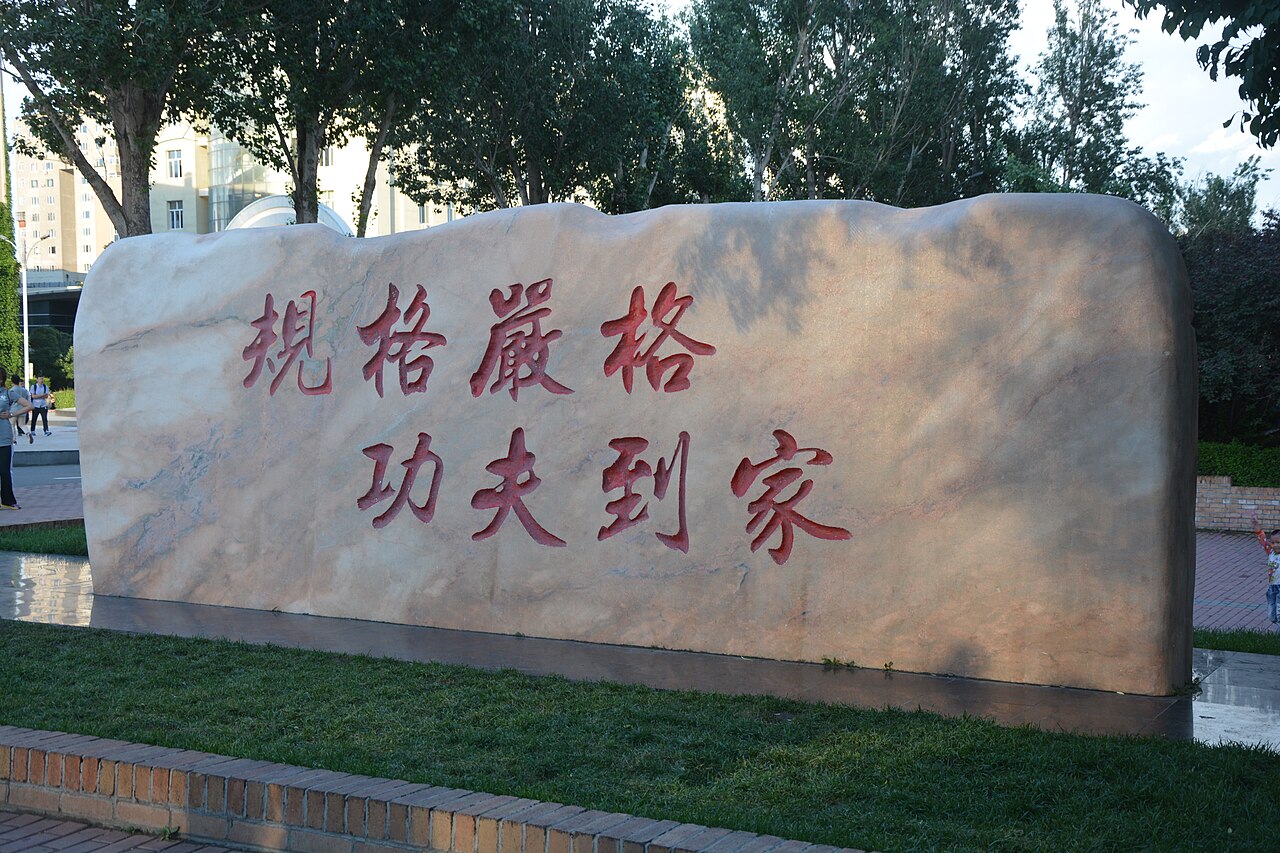
- Rigor and Mastery
- Established
- 7 June 1920
- President
- Han Jiecai
- City
- Harbin, Heilongjiang / Weihai, Shandong / Shenzhen, Guangdong
- Undergrad
- 25,002
- Postgrad
- 12,710
- Faculty
- 2,957
- Campus
- 1060.823 acres
- Affiliations
- C9 League / Excellence League / APRU / Sino-Spanish University Alliance (SSU) / Guangdong-Hong Kong-Macao University Alliance (GHMUA) / UASR
Facts from the source article.
Lore & Background
HIT expanded over the decades, becoming one of 15 national major investment universities in 1984 and establishing a graduate school that same year. It joined Project 211 in 1996 and Project 985 in 1998. In 2000, it merged with Harbin University of Architecture. In 2009, HIT was a founding member of the C9 League. The university operates satellite campuses in Shenzhen and Weihai, with the Weihai campus located in a scenic seaside area and offering programs in Marine Science, Automotive Engineering, and other fields. HIT has been a key contributor to China's technological development, with strong ties to the nation's space program and defense research, including contributions to the Shenzhou and Kuaizhou spacecraft series. In 2020, HIT was added to the U.S. Entity List for activities related to military modernization and national security concerns.
Reader's Guide
Harbin Institute of Technology holds a significant place in Chinese higher education and technological development. As a member of the elite C9 League and a participant in national projects like Project 211, Project 985, and Double First-Class Construction, HIT has been consistently ranked among China's top universities, particularly in engineering. Its research contributions are notable: HIT has been ranked 3rd globally in Engineering by U.S. News & World Report (2024) and has produced numerous innovations, including early computers and robotics. The university's involvement in space and defense research, including major contributions to the Shenzhou spacecraft, underscores its strategic importance to China. The addition of HIT to the U.S. Entity List in 2020 highlights its role in national security-related research. With campuses in Harbin, Shenzhen, and Weihai, HIT educates tens of thousands of students and maintains a strong global research output, as reflected in rankings like the Nature Index and CWTS Leiden Ranking. Its legacy as the 'Cradle for Engineers' and its ongoing influence in science and technology make it a key institution in China's modernization efforts.
Did You Know?
- HIT was originally founded in 1920 as the Harbin Sino-Russian School for Industry to educate railway engineers.
- HIT is one of the founding members of the C9 League, established in 2009.
- A minor planet (#55838) is named after HIT and nicknamed 'Hagongda Star' by the International Astronomical Union.
From Railway School to National Icon: A Century of Resilience
The story of HIT begins in 1920 when it was established as the Harbin Sino-Russian School for Industry, with the specific mission of training railway engineers. The institution's early trajectory was shaped by geopolitical upheaval: postgraduate enrollment began in 1931, but by 1935 the university fell under Japanese control during the invasion of China. The name Harbin Institute of Technology was formally reinstated on January 1, 1938, and has endured to this day. After Japan's defeat in 1945, the university came under joint Chinese-Soviet management through the Zhongchang Railway Bureau. By 1949, HIT was already recruiting graduate students from across the country, making it one of China's earliest postgraduate training institutions. In 1951, the central government designated HIT as one of only two universities authorized to study advanced techniques from the USSR, cementing its reputation as the Cradle for Engineers. In 1954, it became one of six national key universities—and notably the only one located outside Beijing.
Climbing China's Academic Ladder
HIT's standing within China's higher education hierarchy reflects decades of sustained institutional growth. The university was selected for Project 211 in 1996 and joined the Project 985 club in 1998 as one of the first nine invitees. In 2009, the central government established the C9 League, and HIT was included among its nine members alongside Peking, Tsinghua, Fudan, and others. The 2000 merger with Harbin University of Architecture—one of China's famous eight old schools—broadened the institution's disciplinary reach. By 2013, discipline assessments revealed 16 first-level disciplines ranked in the national top five and 25 in the top ten, with mechanics holding the number-one position in the country. In 2017, HIT earned Class A status in the Double First-Class Construction program, the most recent elite university designation. Nationally, the university consistently ranks among China's top ten research institutions and holds the number-one position in the Northeast China region.
A Global Research and Employability Profile
On the international stage, HIT has built a reputation that extends well beyond China's borders. The Times Higher Education World Reputation Rankings place it at 101st globally, while the 2025 aggregate of THE, ARWU, and QS rankings positions it at 143rd worldwide. For 2026, the Academic Ranking of World Universities lists HIT at 97th, and U.S. News & World Report ranks it 111th. The university's research output is equally notable: the Nature Index 2025 ranked HIT 27th in the Asia-Pacific region and 46th globally among all universities. The Harbin campus alone hosts 1,984 international students drawn from 128 countries and regions, underscoring the institution's cross-border appeal. Graduate employability is another marker of global recognition—Times Higher Education's 2021 Global Employability University Ranking placed HIT at 143rd worldwide, a testament to the professional demand for its alumni across industries and continents.
Three Campuses, One Academic Ecosystem
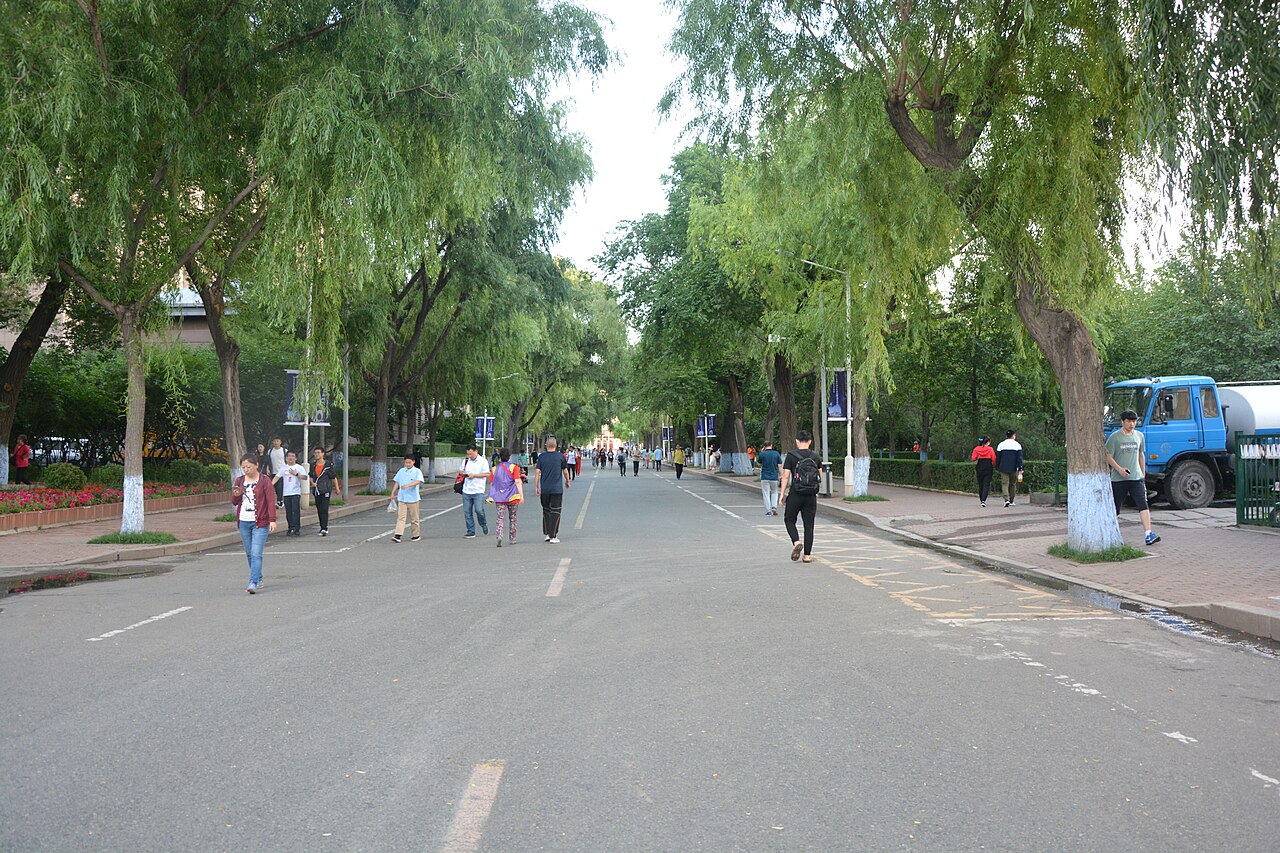
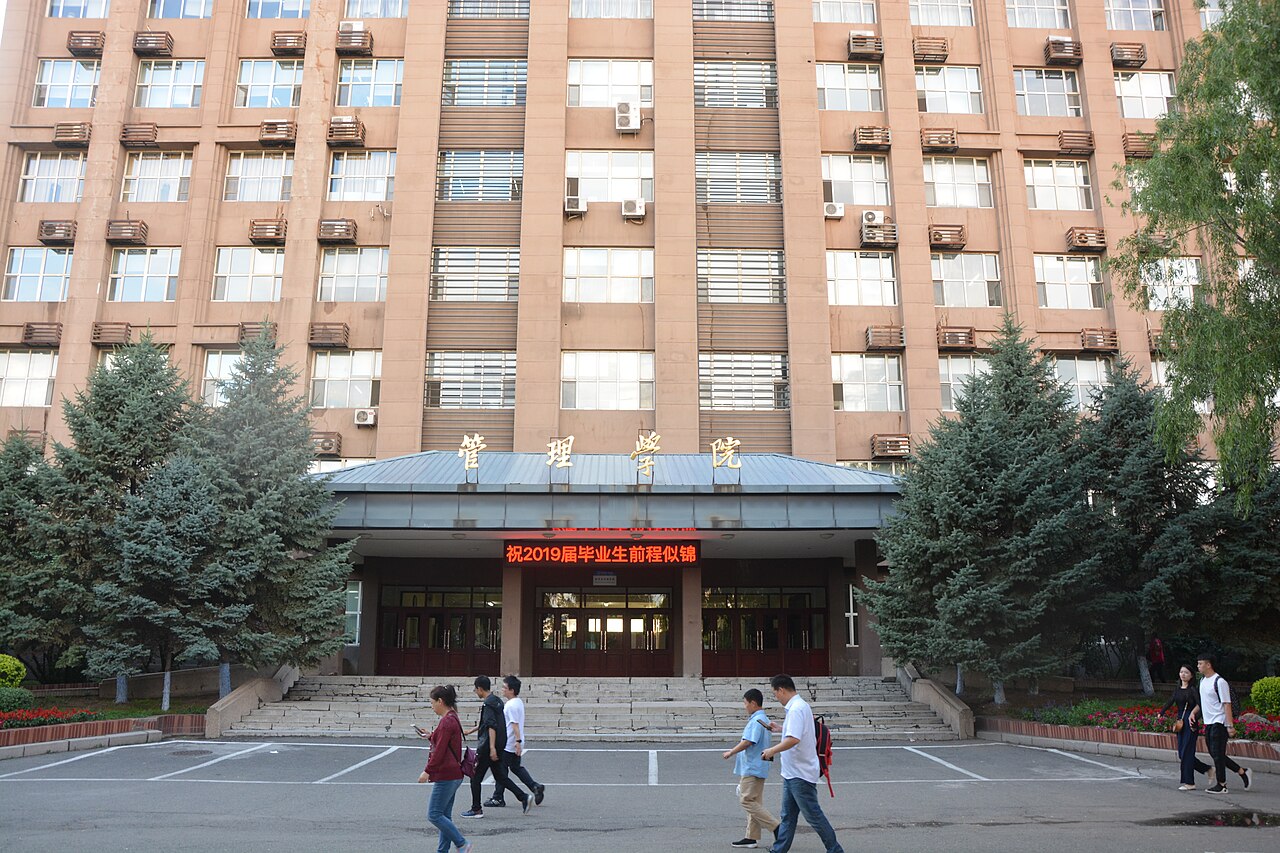
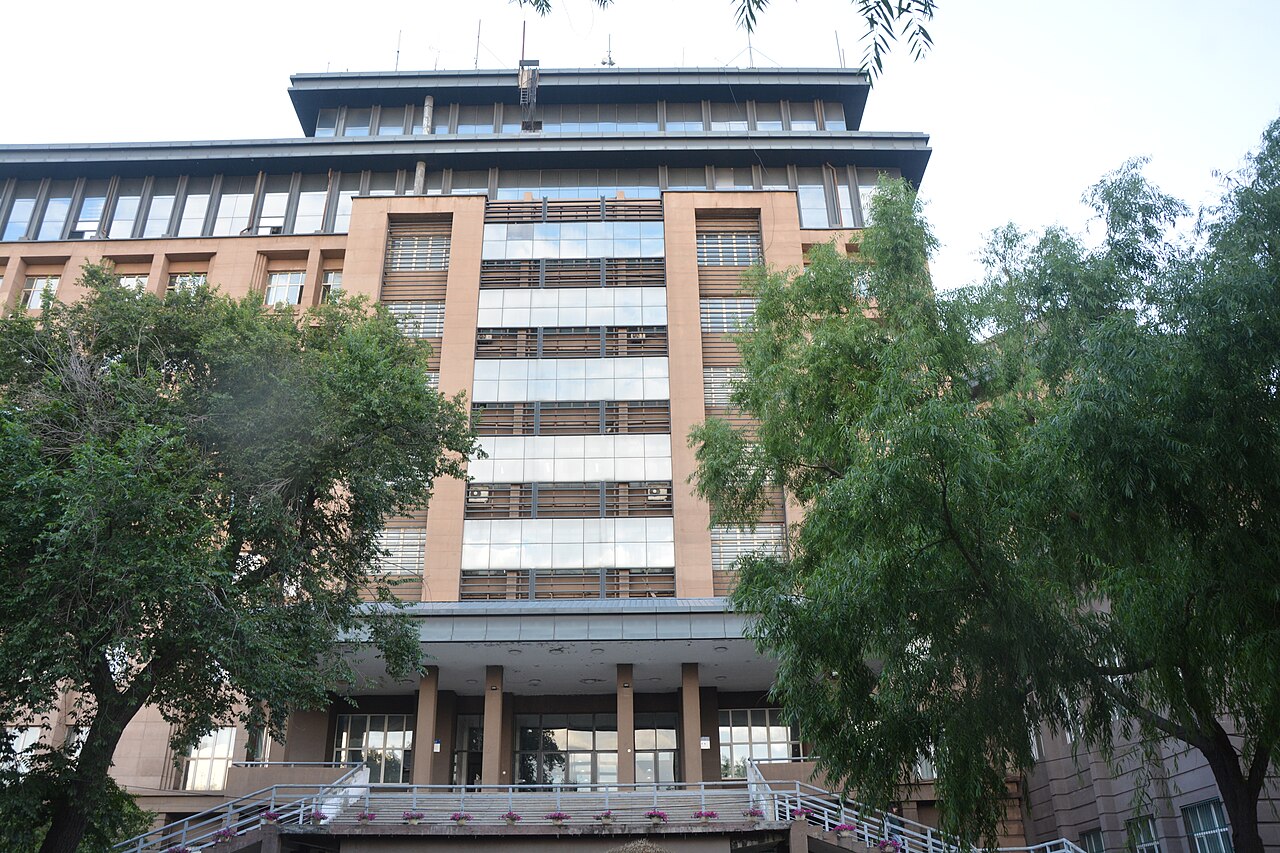
HIT's academic footprint extends well beyond its Nan'gang home in Harbin. The university operates satellite campuses in Shenzhen, Guangdong, and Weihai, Shandong, each bringing distinct regional strengths to the institution. The Weihai campus, situated in the Torch Hi-Tech Science Park on the Jiaodong Peninsula, occupies 1.56 million square metres of coastal and mountainous terrain. It enrolls over 10,000 undergraduates and has cultivated characteristic disciplines in Marine Science, Ocean Engineering, and Automotive Engineering, complementing the Harbin campus's broader engineering focus. The main Harbin campus offers 86 undergraduate degrees across eighteen schools, along with 41 master's programs, 29 doctoral programs, and 24 post-doctoral research tracks. In 2012, HIT was listed in the Universities and Colleges Innovation Promotion Plan, and in 1984 it became one of the first 22 universities to establish a graduate school—milestones that underscore the breadth and depth of its academic architecture.
Gallery
Frequently Asked Questions
What is Harbin Institute of Technology?
HIT is a public science-and-engineering university headquartered in Harbin, Heilongjiang, China, and overseen by the Ministry of Industry and Information Technology. It also operates satellite campuses in Shenzhen and Weihai.
Why is HIT considered one of China's most elite universities?
It holds a seat in the C9 League, the coalition of the country's most prestigious institutions, and simultaneously participates in Project 211, Project 985, and the Double First-Class Construction. These designations mark it as a flagship for national-level research and higher education.
What academic fields is HIT best known for?
The university is especially recognized for engineering, space science, and defense-related research. These areas form the core of its identity and drive much of its nationally funded research output.
Where are HIT's campuses located?
The main campus is in the Nan'gang district of Harbin, Heilongjiang Province. Additional campuses in Shenzhen and Weihai extend the university's presence to southern and eastern China.
How did HIT come to be?
The institution traces its roots to 1920, when it opened as the Harbin Sino-Russia Industrial School. Over more than a century it grew into one of China's leading science-and-engineering universities.
More in Universities And Colleges 1-19
Spotted an error? Know more?
Reader corrections go straight into our review queue. Suggest an edit · How this site is sourced