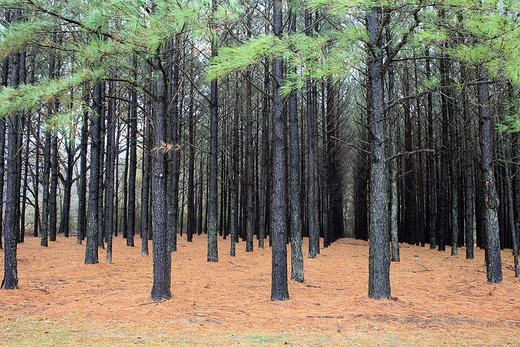
Paubrasilia
Genus of tree that gave Brazil its name and premier bow wood.

Fopseh · CC BY-SA 4.0
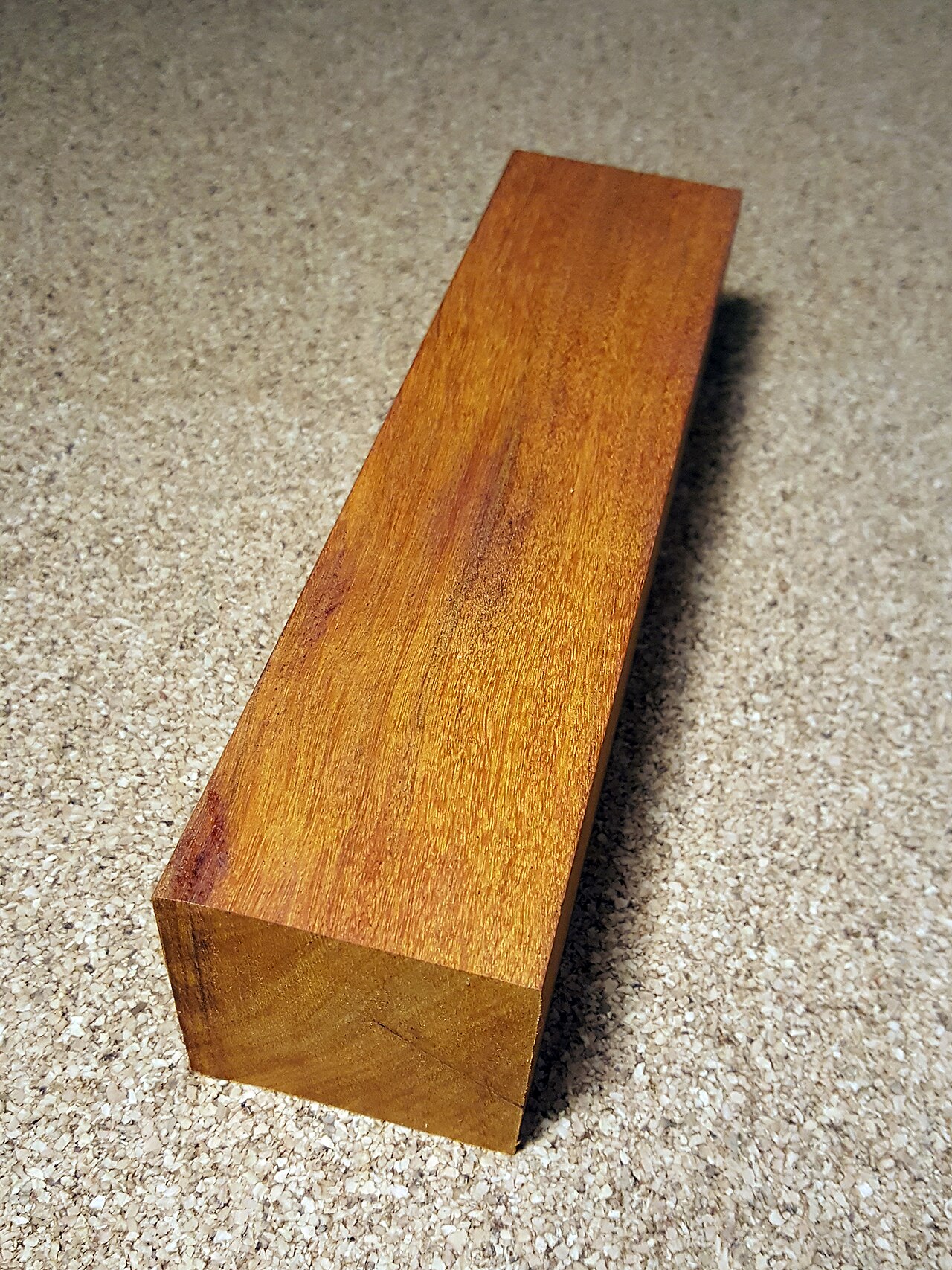
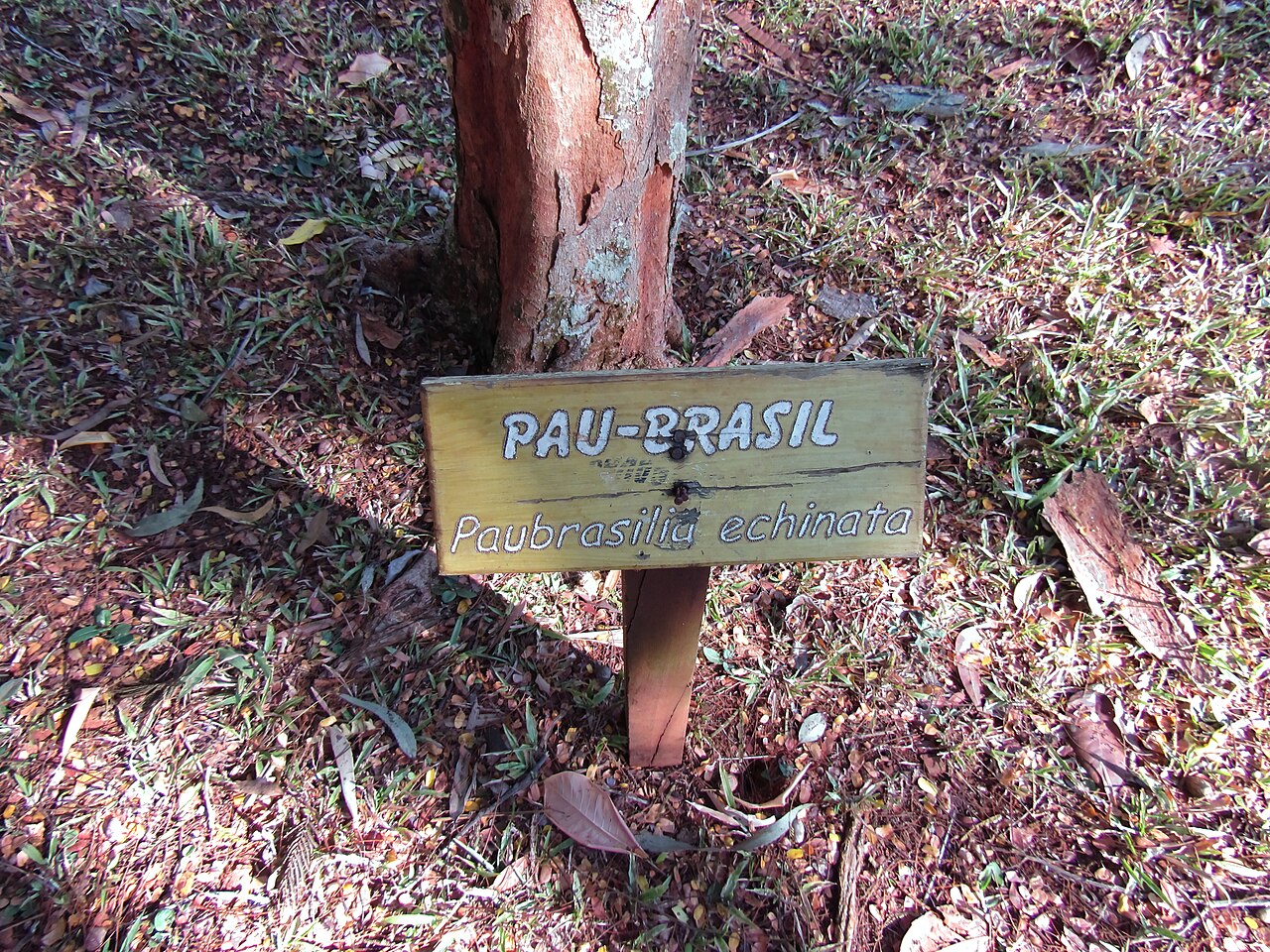
Paubrasilia is a genus of flowering plants in the legume family, Fabaceae, endemic to the Atlantic Forest of Brazil. Its sole species, Paubrasilia echinata, is a timber tree commonly known as brazilwood (pau-brasil) and is the national tree of Brazil. The tree is historically significant for its dense, orange-red heartwood, which yields a red dye called brazilin and is the premier wood for making bows for stringed instruments.
Quick Facts
- Genus
- Paubrasilia
- Species
- echinata
Facts from the source article.
Lore & Background
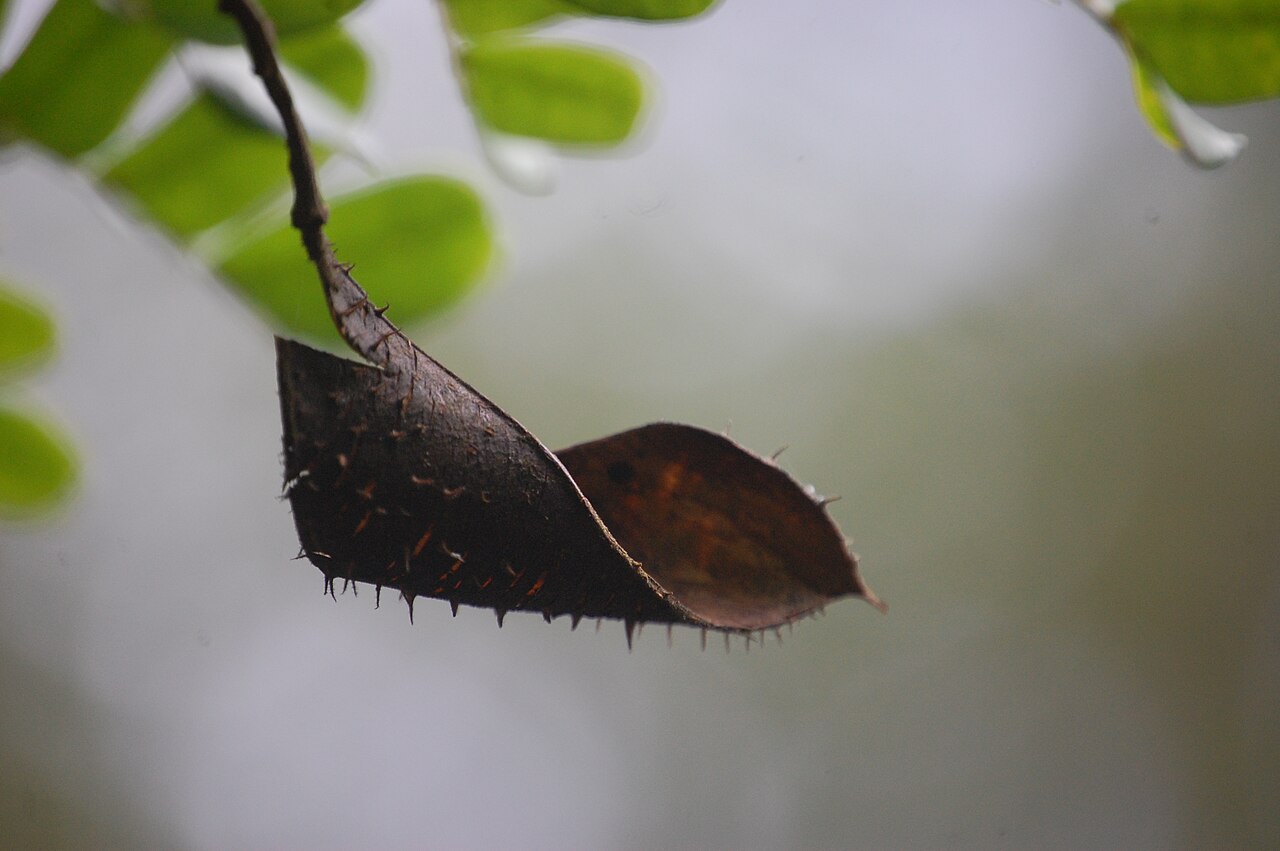
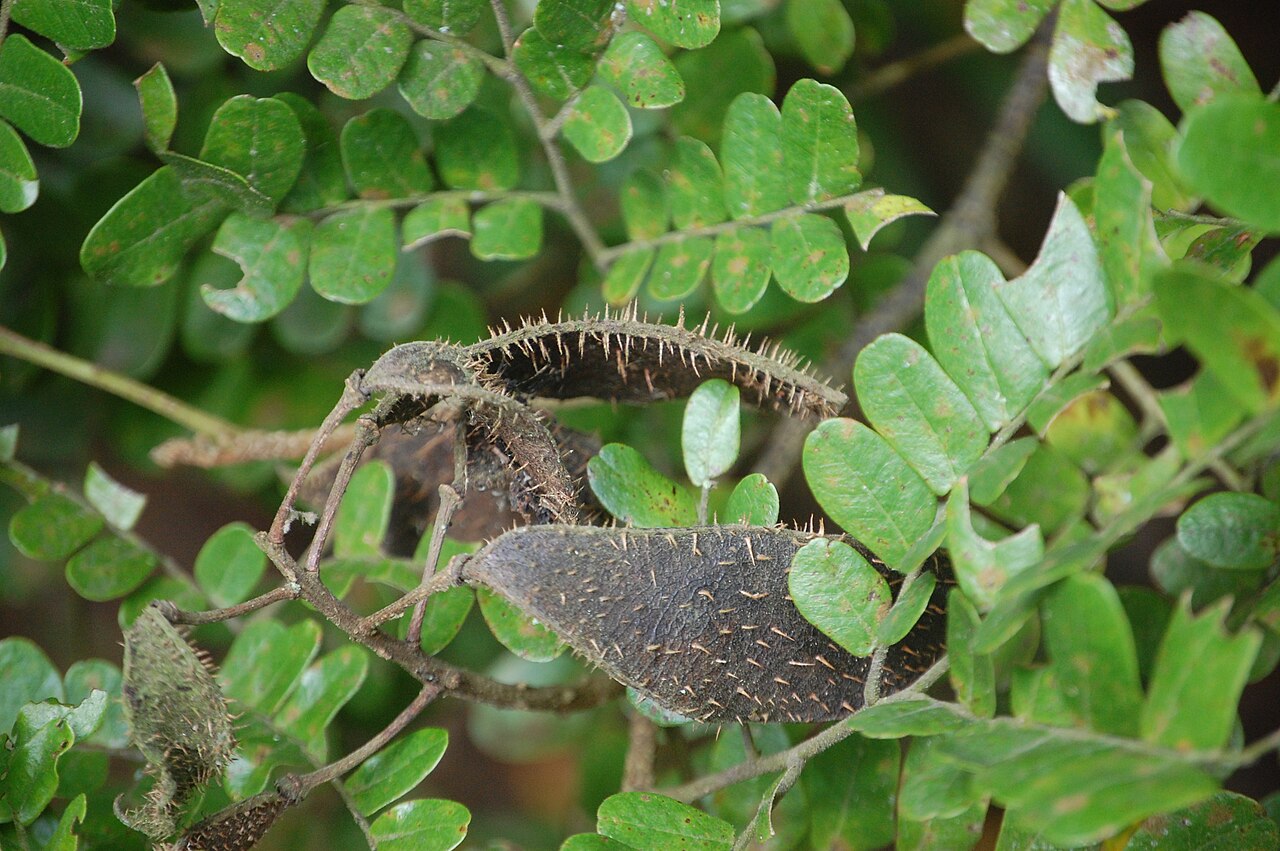
The name pau-brasil was applied to certain species of the genus Caesalpinia in the medieval period, and was given its original scientific name Caesalpinia echinata in 1785 by Jean-Baptiste Lamarck. More recent taxonomic studies suggested it merits recognition as a separate genus, and it was renamed Paubrasilia echinata in 2016. The Latin specific epithet echinata refers to hedgehog, from echinus, and describes the thorns covering all parts of the tree, including the fruits.
When Portuguese explorers found Paubrasilia on the coast of South America, they recognized it as a relative of an Asian species of sappanwood already used in Europe for producing red dye. The Portuguese named these trees pau-brasil, with pau meaning wood and brasil meaning reddish/ember-like. The South American trees soon dominated trading as a better source of dye. Such a vigorous trade resulted that early sailors and merchants started referring to the land itself as Terra do Brasil, or simply the 'Land of Brazil'; from this use, the present name of Brazil was derived.
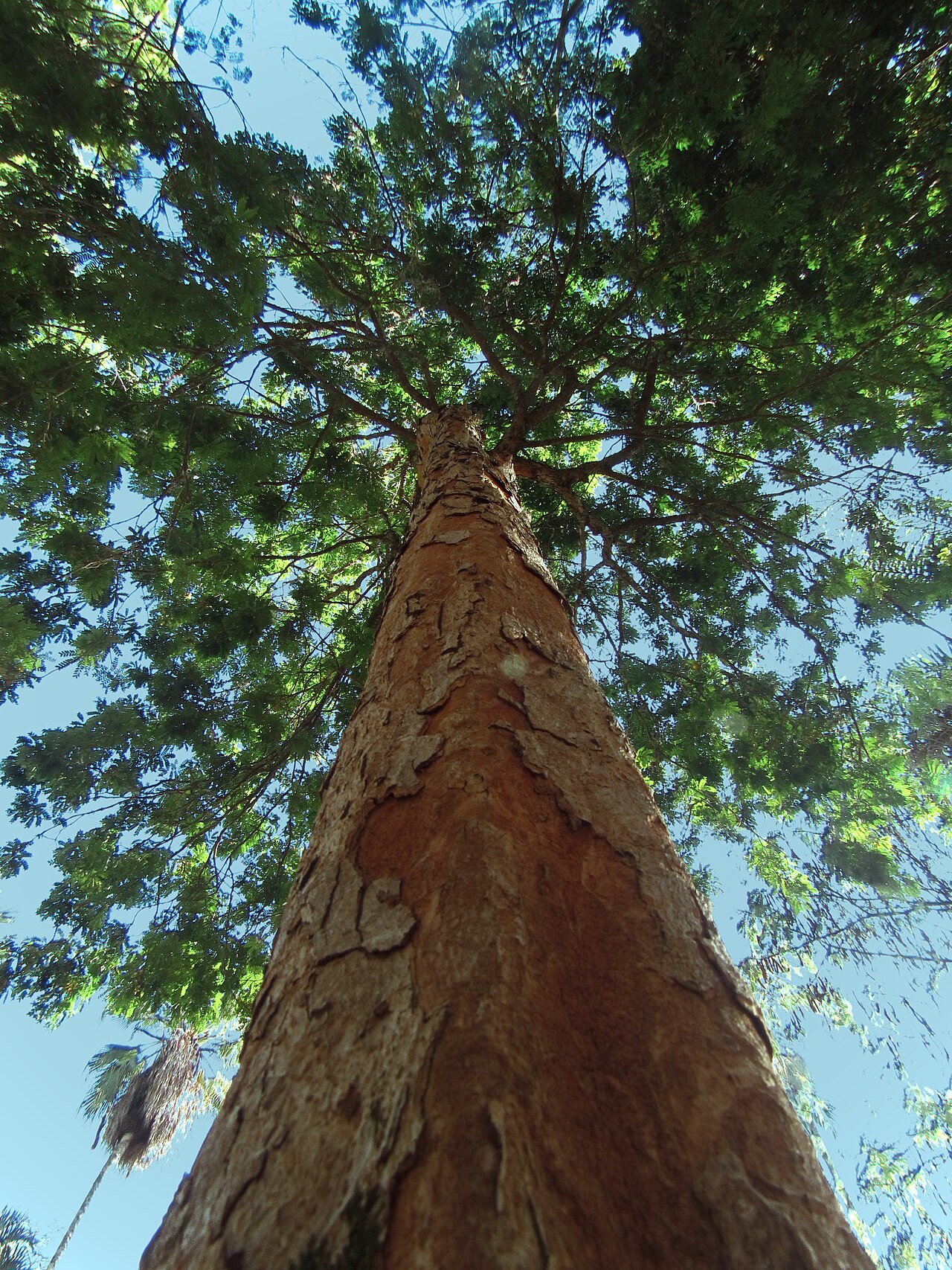
The brazilwood tree may reach up to 15 meters in height, with dark brown bark that flakes in large patches, revealing lustrous blood-red sapwood. Its leaves are pinnate with 9 to 19 small, leathery leaflets. The inflorescence is branched and contains between 15 and 40 yellow, strongly perfumed flowers, which may be pollinated by bees. The fruits are oval-shaped woody seedpods, up to 7.3 cm long, that become twisted after seeds are expelled. The branches, leaves, and fruit are covered with small thorns.
Reader's Guide
Paubrasilia echinata holds profound historical and cultural significance. Starting in the 16th century, brazilwood became highly valued in Europe for its red dye, used in luxury textiles like velvet. The Portuguese established a crown-granted monopoly on its harvest, leading to a hectic and profitable operation. This commerce stimulated other nations to smuggle brazilwood contraband and corsairs to attack Portuguese ships; for example, the unsuccessful 1555 French expedition led by Nicolas Durand de Villegaignon to establish a colony in present-day Rio de Janeiro was motivated in part by the bounty from brazilwood exploitation. The tree's name directly gave rise to the name of the country Brazil.
In the music industry, brazilwood—specifically called Pernambuco wood in this context—is considered superior to all other materials for making stringed-instrument bows. Excessive harvesting led to a steep decrease in the number of trees in the 18th century, causing the collapse of this economic activity. Today, the species is nearly extirpated in most of its original range and is listed as endangered by the IUCN. At the 2024 CITES meeting, it was resolved to register existing stockpiles, mark finished bows, and identify suitable plantations in Brazil. The International Pernambuco Conservation Initiative (IPCI), whose members are bowmakers, is working to replant the trees and advocates using other woods for violin bows to raise money for planting pernambuco seedlings. The shortage has also helped the carbon fiber and composite bow industry thrive. Restoration is hampered by the tree being a climax community species that develops well only when planted among secondary forest vegetation.
Did You Know?
- The name of Brazil is a shortened form of Terra do Brasil, meaning 'land of brazilwood'.
- The tree's heartwood yields a historically important red dye called brazilin, which oxidizes to brazilein.
- In the context of bows for string instruments, Paubrasilia echinata is usually called 'Pernambuco wood'.
Gallery
More in Trees And Forest Species 1-24
Spotted an error? Know more?
Reader corrections go straight into our review queue. Suggest an edit · How this site is sourced