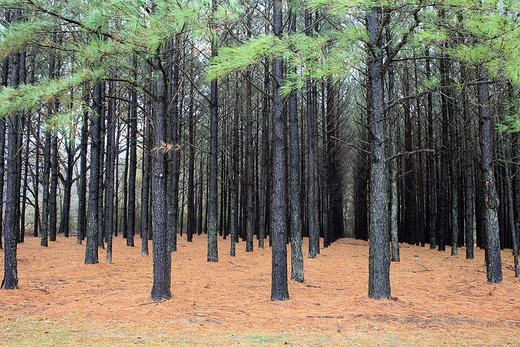
Nothofagus
Southern beeches: ancient trees of the Southern Hemisphere.

Krzysztof Ziarnek, Kenraiz · CC BY 4.0
Nothofagus, also known as the southern beeches, is a genus of 43 species of trees and shrubs native to the Southern Hemisphere, found across southern South America (Chile, Argentina) and eastern and southeast Australia, New Zealand, New Guinea, and New Caledonia. The species are ecological dominants in many temperate forests in these regions. Some species are reportedly naturalised in Germany and Great Britain. The genus has a rich fossil record of leaves, cupules, and pollen, with fossils extending into the late Cretaceous period and occurring in Australia, New Zealand, Antarctica, and South America.
Quick Facts
- Taxon
- Nothofagus
Facts from the source article.
Lore & Background
The genus Nothofagus was first formally described in 1850 by Carl Ludwig Blume who published the description in his book Museum botanicum Lugduno-Batavum. Nothofagus means 'false beech', which Blume chose to indicate that Nothofagus species were different from beeches in the Northern Hemisphere. In the past, they were included in the family Fagaceae, but genetic tests revealed them to be genetically distinct, and they are now included in their own family, Nothofagaceae. This taxonomy was introduced in 1962 by Russian botanist and palynologist Ludmila Andreyevna Kuprianova, who used pollen traits to erect Nothofagaceae.
Reader's Guide
The leaves are toothed or entire, evergreen or deciduous. The fruit is a small, flattened or triangular nut, borne in cupules containing one to seven nuts. Many individual trees are extremely old, and at one time, some populations were thought to be unable to reproduce in present-day conditions where they were growing, except by suckering (clonal reproduction), being remnant forest from a cooler time. Sexual reproduction has since been shown to be possible. Four subgenera are recognized: Fuscospora, Lophozonia, Nothofagus, and Brassospora (also known as Trisyngyne).
Did You Know?
- Nothofagus means 'false beech'.
- The genus has a fossil record extending into the late Cretaceous.
- Nothofagus first appeared in Antarctica during the early Campanian stage of the Late Cretaceous.
Morphology and Reproductive Cycle
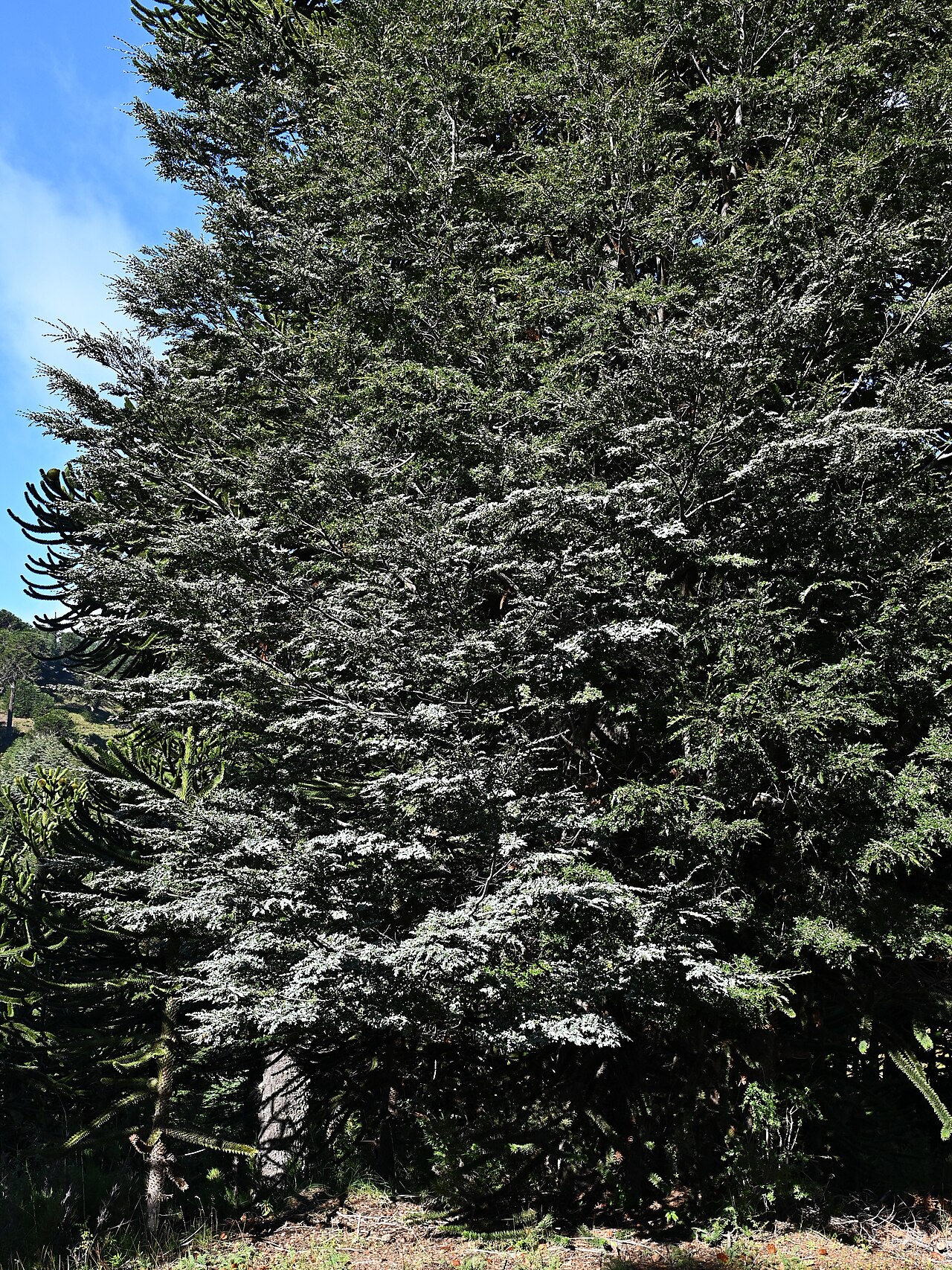
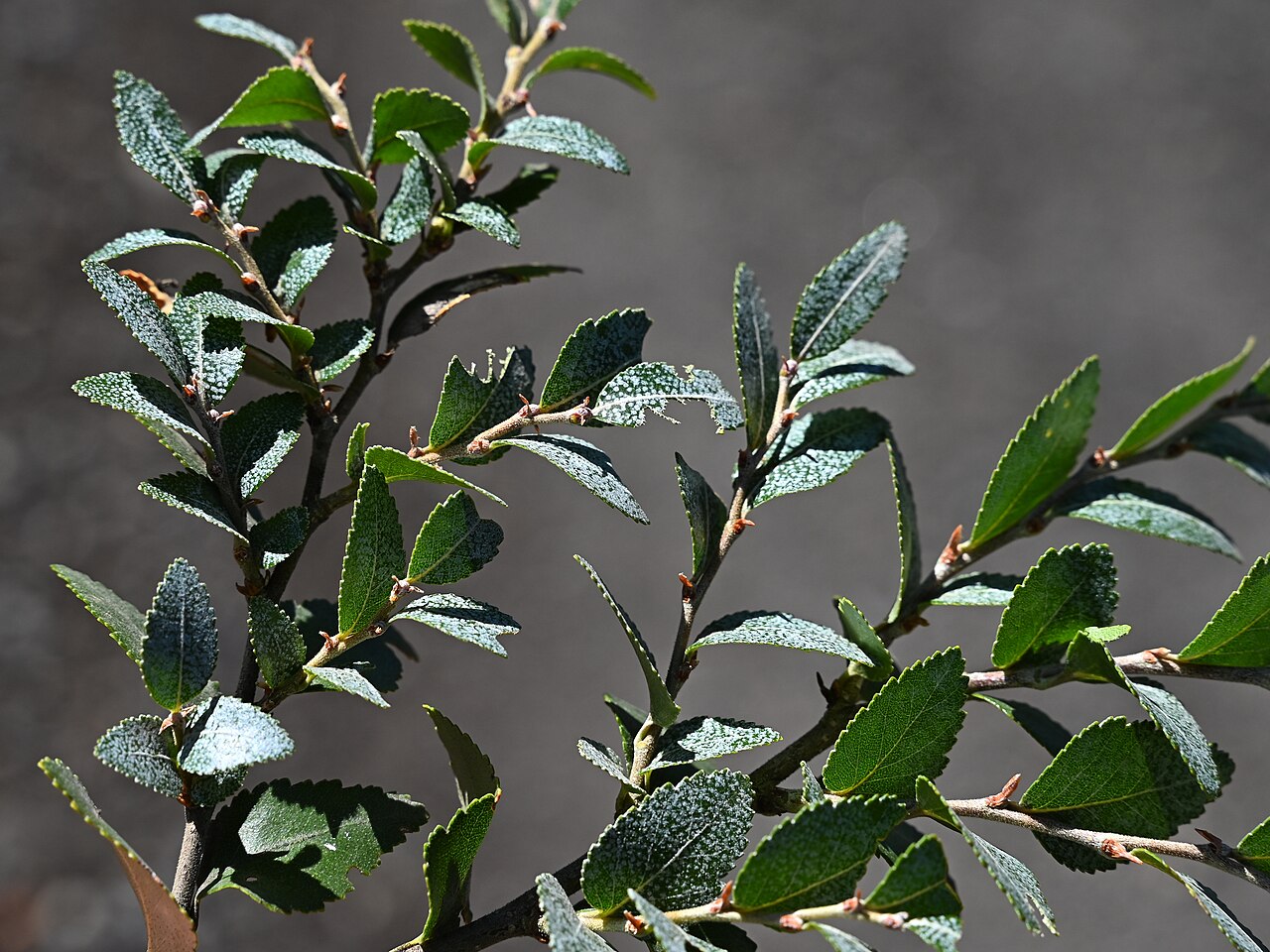
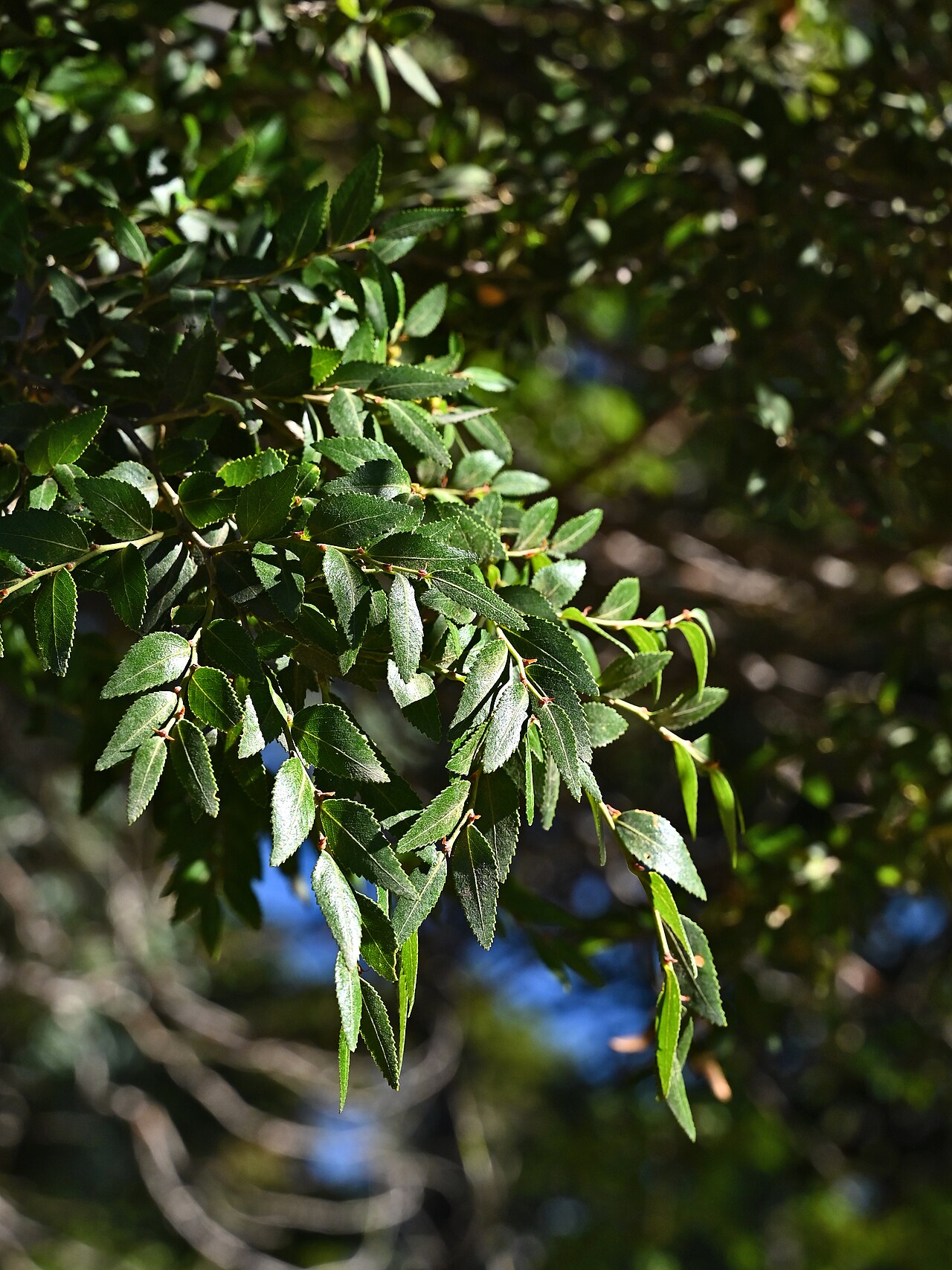
The Antarctic beech is a substantial tree, reaching heights of up to fifty metres and developing trunks as broad as 1.5 metres in diameter, often sending up basal suckers. Its foliage consists of simple, leathery, glossy leaves ranging from egg-shaped to lance-shaped, typically measuring between 30 and 100 millimetres in length, attached to short petioles of 3 to 5 millimetres. Each spring, new growth emerges in striking reddish-brown or red tones before maturing. The reproductive structures are distinctly sexual: male flowers form rounded or flattened clusters roughly 10 millimetres across, each bearing up to three blooms with 15 to 40 stamens enclosed by 8 to 12 bracts in a cup-like arrangement. Female flowers appear in smaller oval clusters of three, about 5 millimetres long, sitting almost sessile within a bract involucre. Flowering takes place in spring but does not occur annually. The resulting fruit is a prickly cupule, 8 to 10 millimetres in size, housing one or two small nuts.
Taxonomic Origins and Gondwanan Heritage
The species entered the scientific record in 1866 when Ferdinand von Mueller formally described it under the name Fagus moorei in his work Fragmenta Phytographiae Australiae, basing his account on specimens gathered by Charles Moore near the Bellinger and Macleay Rivers. Two decades later, in 1896, Fridolin Krasser reclassified the tree into the genus Nothofagus, a move that placed it within a small lineage of three evergreen species spanning the southern Pacific. Its closest relatives are the silver beech of New Zealand and the myrtle beech found in Tasmania and Victoria. The specific epithet moorei remains a tribute to the original collector. Perhaps most remarkably, the scattered distribution of Nothofagus populations around the rim of the southern Pacific Ocean points to a far older story: the genus likely dispersed during the era when Antarctica, Australia, and South America were still joined as the supercontinent Gondwana, making this Australian beech a living echo of a vanished continental configuration.
Range, Habitat, and the Comboyne Rediscovery
Antarctic beech occupies cool temperate rainforests stretching from the Barrington Tops plateau in New South Wales northward to the Lamington and Springbrook Plateaus in southern Queensland, at elevations between 480 and 1550 metres. The species thrives in temperate to cool conditions where frost and occasional snow are not unusual, achieving its most vigorous growth at Werrikimbe National Park and Mount Banda Banda. In the Comboyne area of New South Wales, four distinct populations persist on a scarp-bounded paleoplain underlain by Miocene basalts and Triassic sediments, creating fertile red and brown soils in a wet subtropical climate. By 1925, botanist E.C. Chisholm described the local trees as extremely rare, noting that many had been lost to clearing that swept the plateau between 1900 and 1925. The Comboyne community was long presumed extinct by the scientific community until Bale and Williams published their findings in 1994. Remarkably, this population regenerates well from seed and is notably vagile, producing abundant young plants. It ranks as the only other lowland population known, reaching as low as 570 metres, alongside those near Dorrigo.
Conservation Status and Climate Legacy
The IUCN classifies Nothofagus moorei as vulnerable, while Queensland's Nature Conservation Act of 1992 lists it as least concern. For much of the twentieth century, scientists assumed the Australian populations could no longer reproduce sexually under current conditions and survived only through asexual suckering, effectively making them relict stands from a cooler geological epoch. Later evidence demonstrated that sexual reproduction is indeed possible, though the species' confinement to cool, isolated high-altitude sites at both temperate and tropical latitudes still supports the hypothesis that it was once far more widespread during a colder age. As an ornamental tree, cultivated specimens tolerate temperatures down to minus 7 degrees Celsius, yet wild individuals on Barrington Tops have endured record lows of minus 17 degrees. Despite this hardiness, no provenance has been selected from those highland sites for cultivation. A point of nomenclatural confusion persists: Nothofagus antarctica, native to southern Chile and Argentina, is also commonly called Antarctic beech, a name that can obscure the distinct identity of the Australian species.
Gallery
More in Trees And Forest Species 1-24
Spotted an error? Know more?
Reader corrections go straight into our review queue. Suggest an edit · How this site is sourced