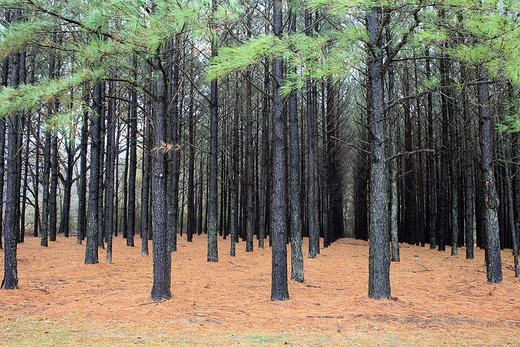
Lithocarpus
Stone oaks: insect-pollinated trees of Southeast Asian uplands.

IKAl · CC BY-SA 3.0
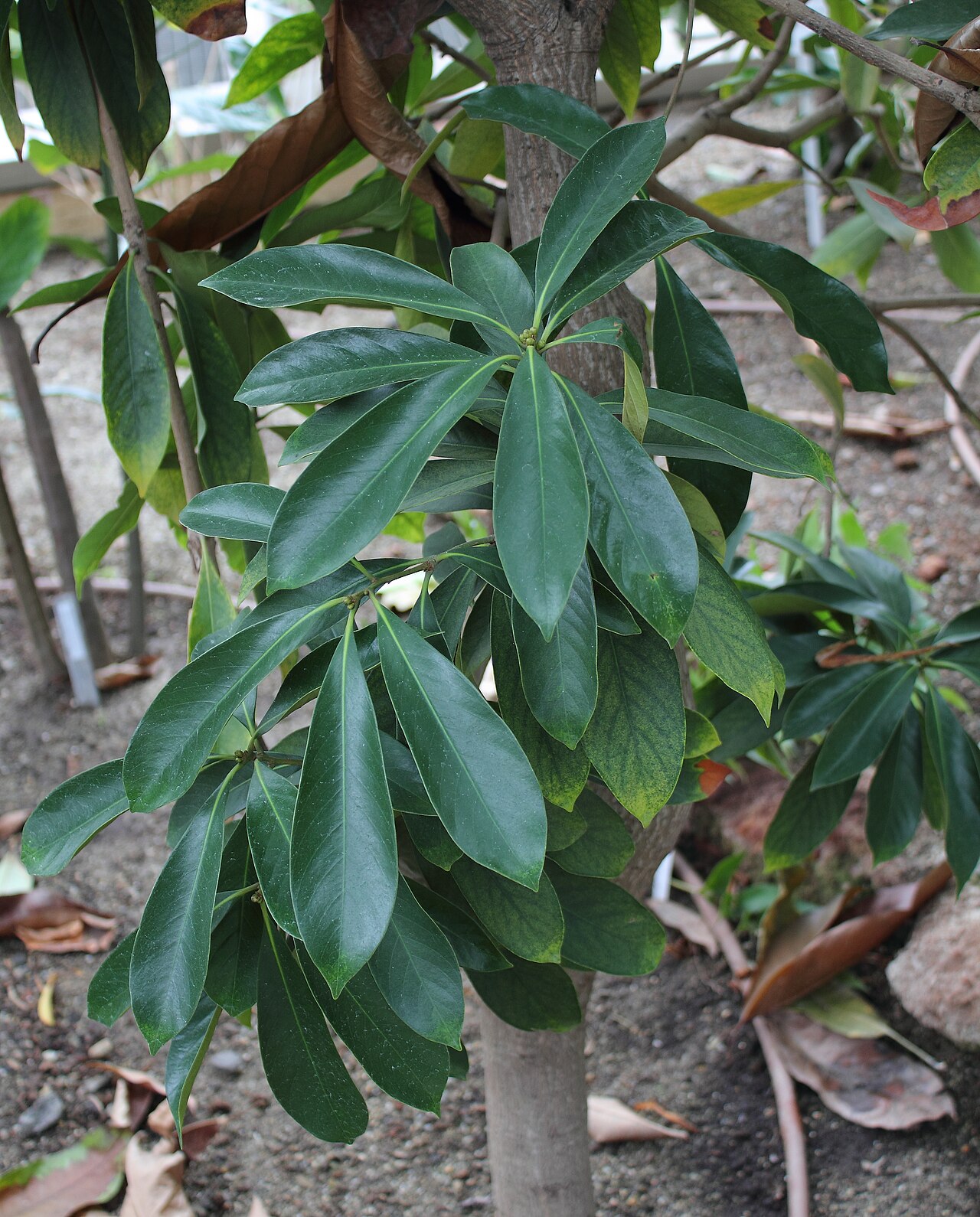
Lithocarpus is a genus in the beech family, Fagaceae, commonly known as stone oaks. The genus comprises around 340 described species, mostly restricted to Southeast Asia, with a former wider distribution in North America and Europe during the Eocene to Miocene epochs. These evergreen trees are distinguished from Quercus by their insect-pollinated flowers on erect spikes and female flowers with short styles and punctate stigmas.
Quick Facts
- Taxon
- Lithocarpus
- Diversity
- c. 340 species
- Diversity Link
- List of Lithocarpus species
Facts from the source article.
Lore & Background
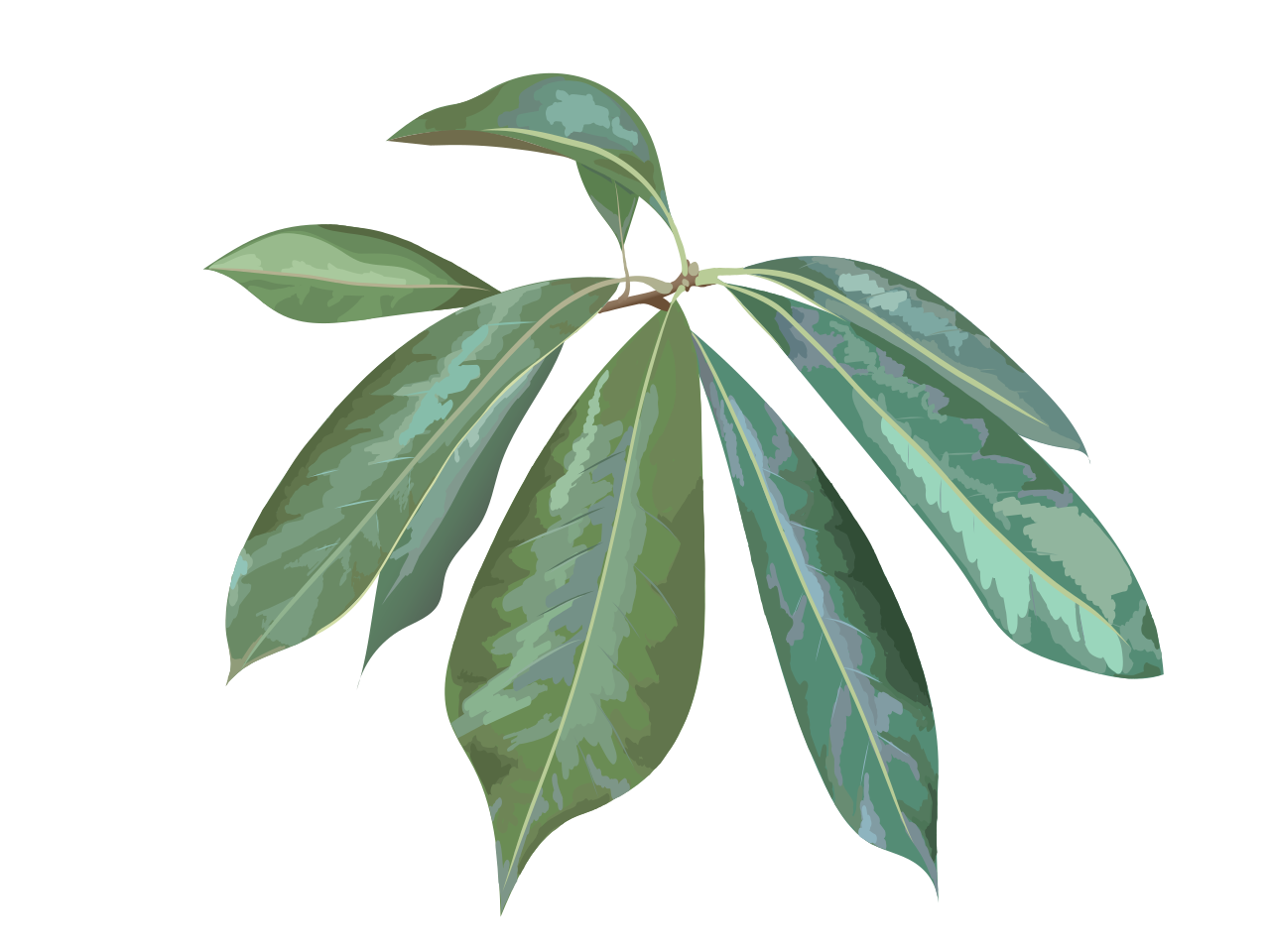
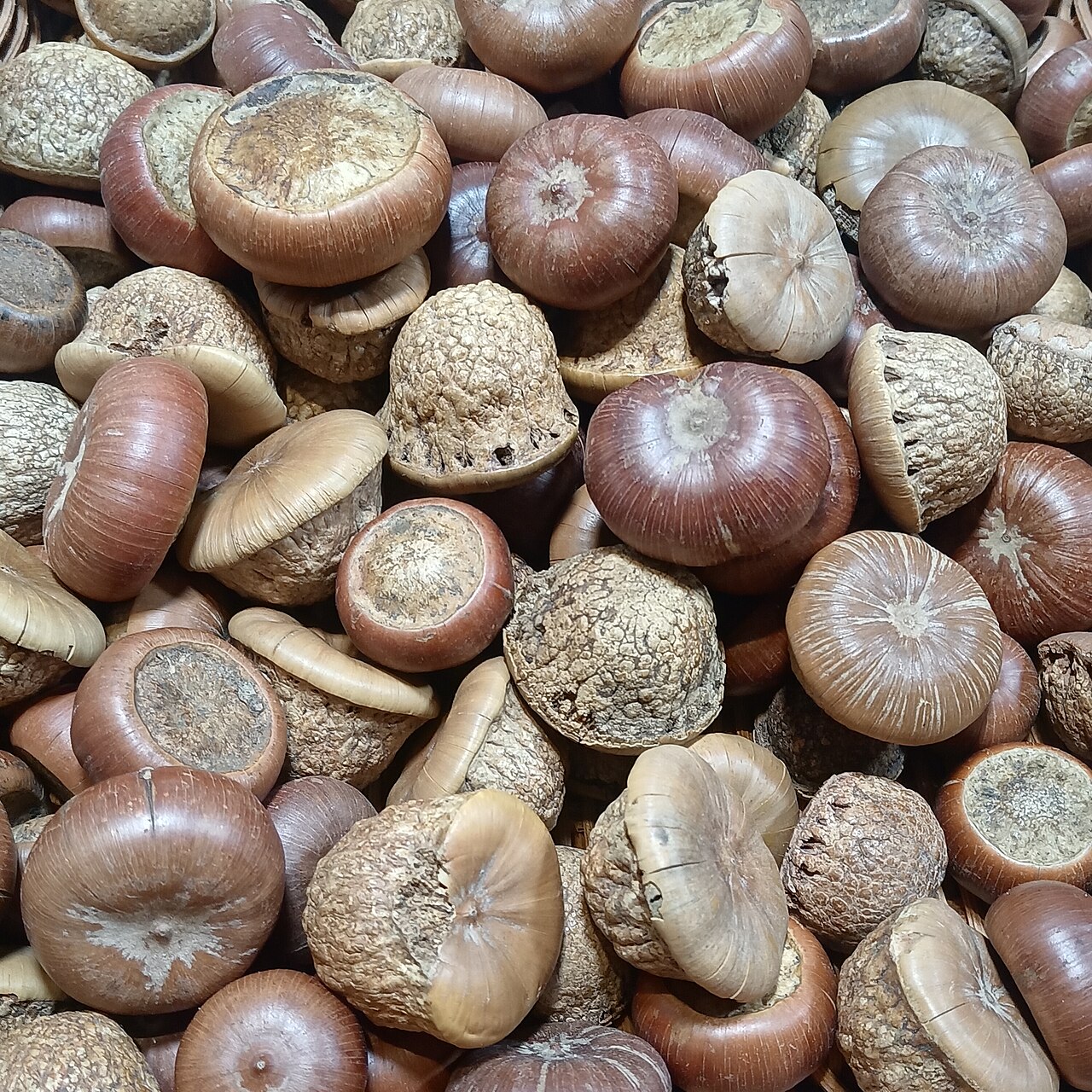
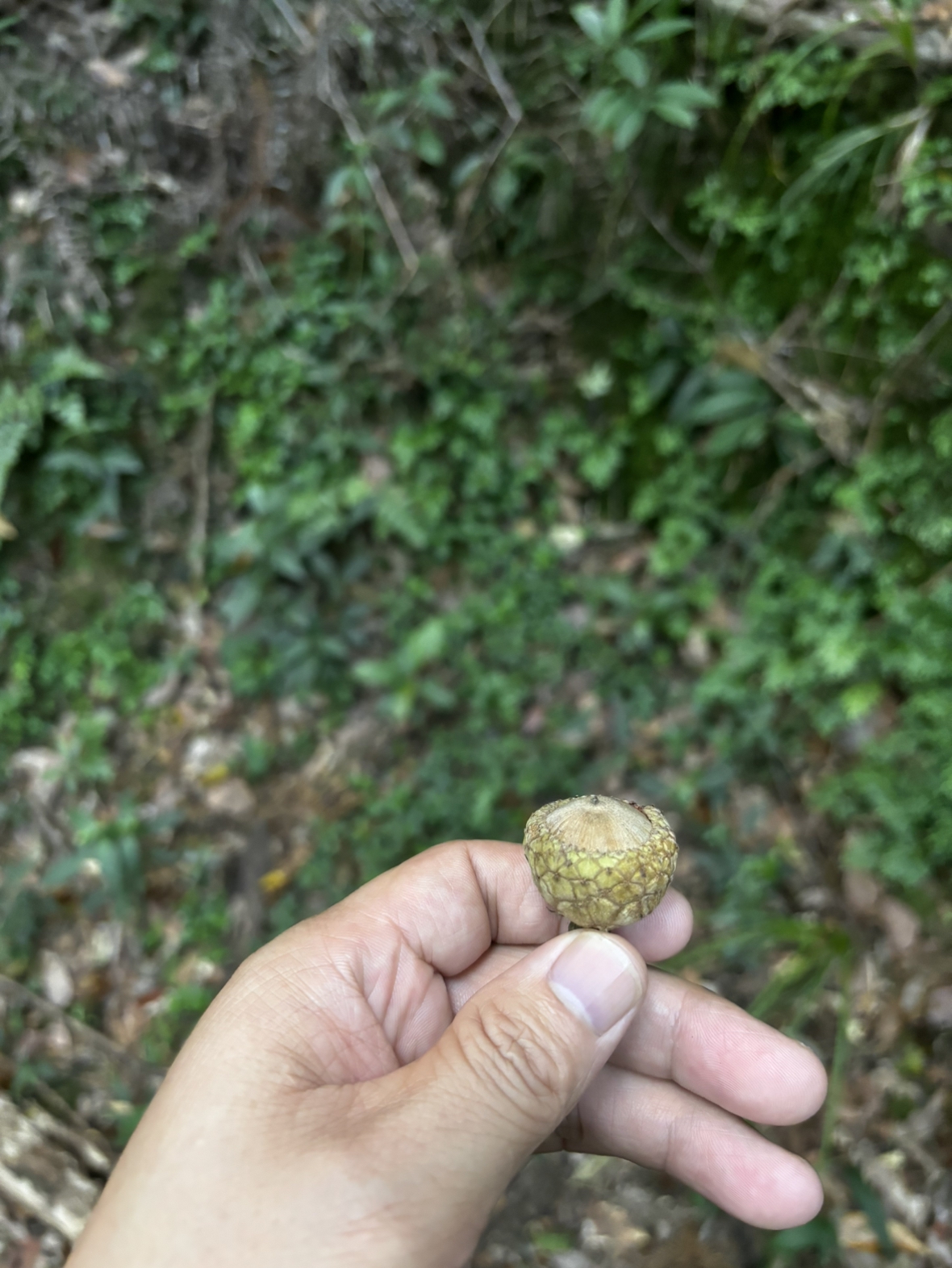
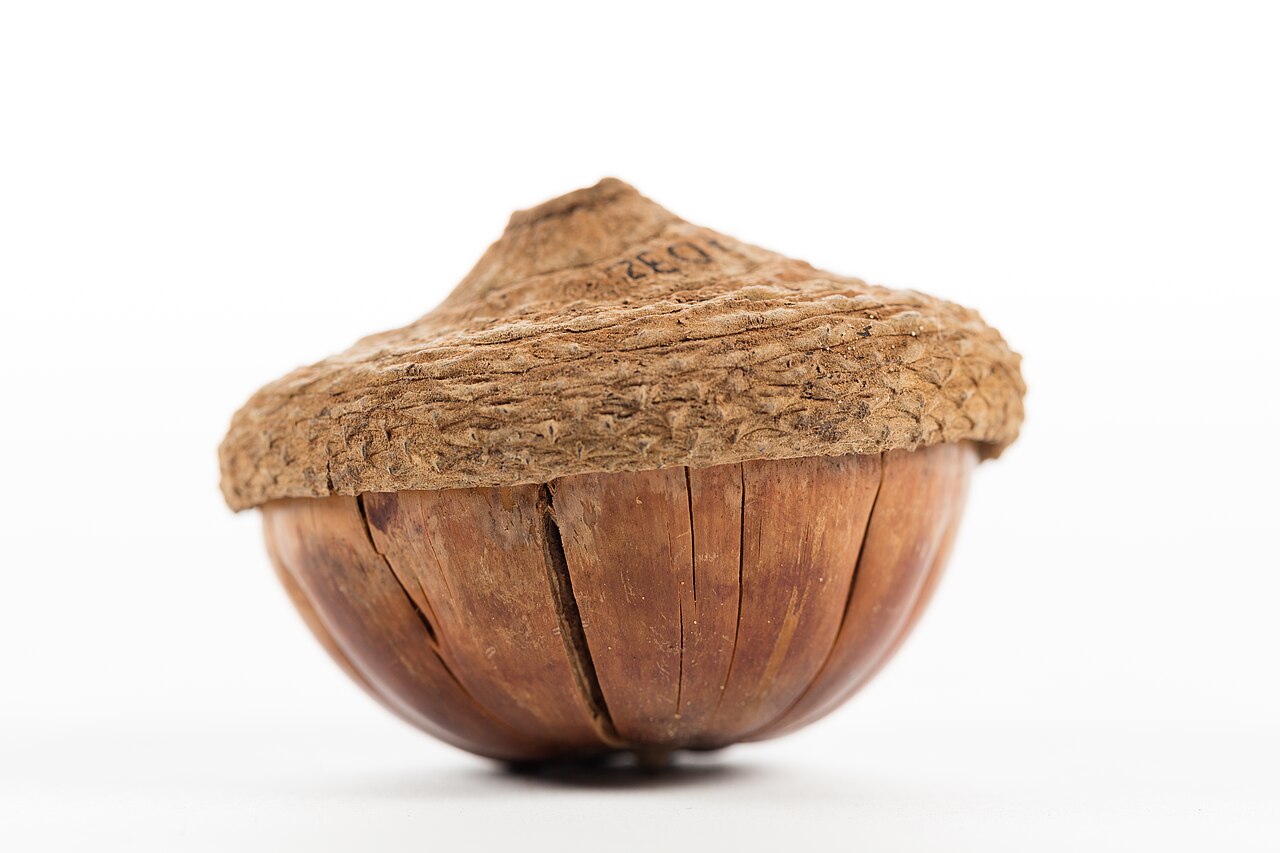
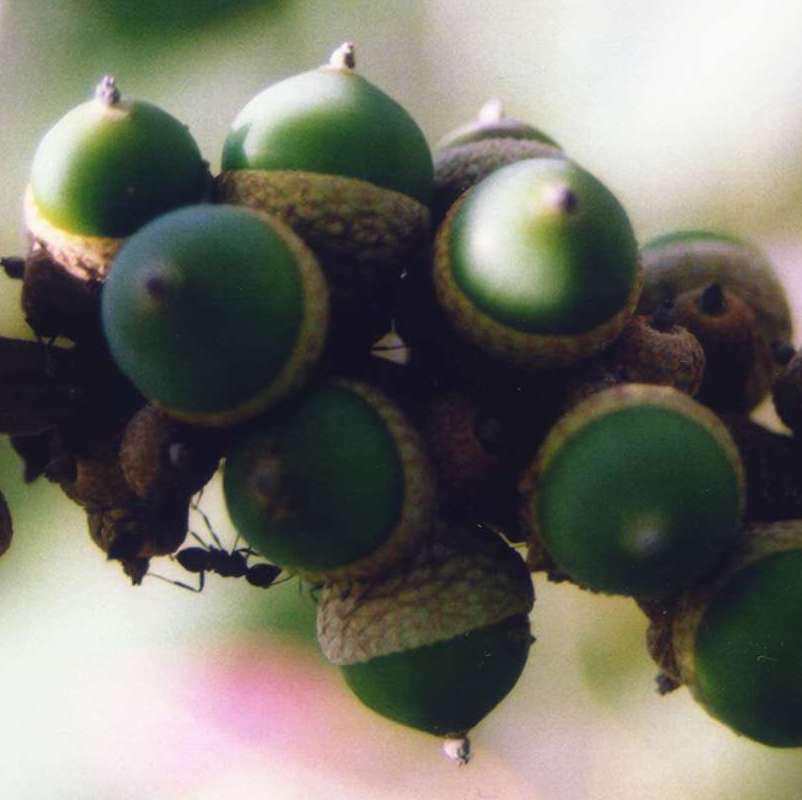
Lithocarpus trees are evergreen with leathery, alternate leaves, almost always entire-margined. The seed is a nut similar to an oak acorn, with a cupule enclosing the basal part; cupules vary widely in lamellae and scales, sometimes completely enclosing the nut. The seeds are often protected by a hard woody shell, giving the genus its name from Greek 'lithos' (stone) and 'karpos' (seed). In some sections, the seed is embedded in highly lignified basal material, creating a novel fruit type. The kernel is edible in some species, such as Lithocarpus edulis, but inedible and bitter in others.
Reader's Guide
Lithocarpus species are ecologically significant as dominant trees in upland forests above 1,000 meters, sharing many ecological similarities with Dipterocarpaceae, the dominant lowland tree group. They are intolerant of seasonal droughts and are absent from the Lesser Sunda Islands, despite crossing water barriers to reach Papua. Fossils indicate a former wider distribution in North America and Europe. The North American tanoak (Notholithocarpus densiflorus) was previously included in Lithocarpus but was moved to a new genus based on genetic and morphological evidence of convergent evolution. Aimee Camus produced a comprehensive infrageneric classification in 1948, recognizing 13 subgenera, with Pasania being the largest (209 species). However, many Malesian species remain unintegrated into her system, leaving significant taxonomic work unfinished. Several species are used as ornamental trees in warm temperate and subtropical areas.
Did You Know?
- Lithocarpus trees are insect-pollinated, unlike most oaks which are wind-pollinated.
- The genus name derives from Greek 'lithos' (stone) and 'karpos' (seed), referring to the hard woody shell protecting the seed.
- The North American tanoak was formerly placed in Lithocarpus but is now in the separate genus Notholithocarpus due to convergent evolution.
Taxonomy & the Man Behind the Name
Lithocarpus corneri belongs to the beech family, Fagaceae, placing it among the broadleaf trees that produce hard-shelled fruits. The species epithet "corneri" honors the English botanist E. J. H. Corner, a figure whose contributions to tropical botany warranted the naming of this particular tree in his memory. Within the genus Lithocarpus, this species stands as a distinct member of a group that spans tropical and subtropical regions. Its placement in Fagaceae connects it to oaks, beeches, and chestnuts, sharing the characteristic of producing acorn-like fruits. The naming convention reflects the long tradition in botanical science of commemorating individuals who have advanced the understanding of plant diversity, particularly in understudied tropical regions. E. J. H. Corner's work in documenting Southeast Asian flora made such an honor fitting, and the species name serves as a permanent reminder of his contributions to the field.
Morphology & Physical Form
Lithocarpus corneri presents as a moderate-sized tree, reaching heights of up to fifteen metres, with a trunk that can swell to roughly thirty centimetres in diameter. Its bark is a deep brown and carries a notably rough texture, distinguishing it from smoother-barked relatives. The foliage consists of coriaceous, leathery leaves that display a yellowish, tomentose surface and extend to a maximum length of twelve centimetres. Flowering is understated: individual blooms sit singly along the rachis rather than in dense clusters, giving the inflorescence a sparse, deliberate appearance. The fruit is a brown acorn of obconic shape, tapering to a point, and measuring up to five centimetres in length. Together, these traits paint a picture of a sturdy, medium-canopy tree whose reproductive structures are compact and well-defined, adapted to the humid hillside environments where it thrives.
Geographic Range & Habitat
The distribution of Lithocarpus corneri is strikingly narrow. It is endemic to the island of Borneo, and within that island, it is known exclusively from the Malaysian state of Sabah. No populations have been documented outside this single region, making the species a true Bornean endemic. Its preferred habitat is hillside forest at elevations between five hundred and six hundred and fifty metres above sea level, a relatively tight altitudinal band that suggests specific microclimatic requirements. Within Sabah, the tree has been recorded in two protected areas: the Gunung Lumaku Forest Reserve and the Trusmadi Forest Reserve. Both reserves occupy mountainous terrain, consistent with the species' hillside preference. The fact that all known occurrences fall within these two reserves underscores how geographically restricted this species is, and it highlights the critical role these protected zones play in preserving a tree found nowhere else on Earth.
Conservation Context & Ecological Niche
Because Lithocarpus corneri is confined to a single island and a single state within it, its survival is inextricably linked to the health of Sabah's hillside forests. The species occupies a narrow elevational window of five hundred to six hundred and fifty metres, meaning that shifts in climate or land use at those altitudes could directly threaten its habitat. Its presence in the Gunung Lumaku and Trusmadi Forest Reserves offers a degree of protection, as these areas are set aside for conservation. However, being known from only two reserves makes the species vulnerable to localized threats such as logging, road construction, or fire. As a member of Fagaceae, it likely plays a role in forest regeneration and provides food for frugivorous wildlife through its acorns. The limited geographic range and specific habitat requirements together suggest that Lithocarpus corneri warrants continued monitoring and that its two known reserves serve as essential refuges for a tree with no other foothold in the world.
Gallery
More in Trees And Forest Species 1-24
Spotted an error? Know more?
Reader corrections go straight into our review queue. Suggest an edit · How this site is sourced