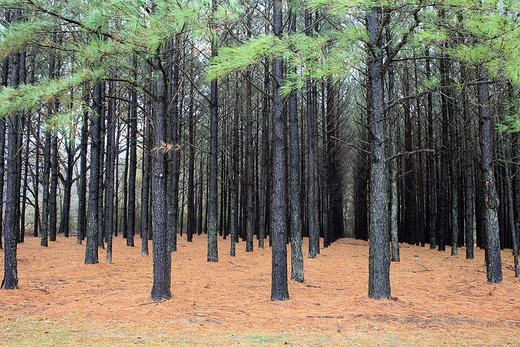
Nothofagus menziesii
Evergreen tree endemic to New Zealand, named after Archibald Menzies.

Damon H. · CC BY 4.0
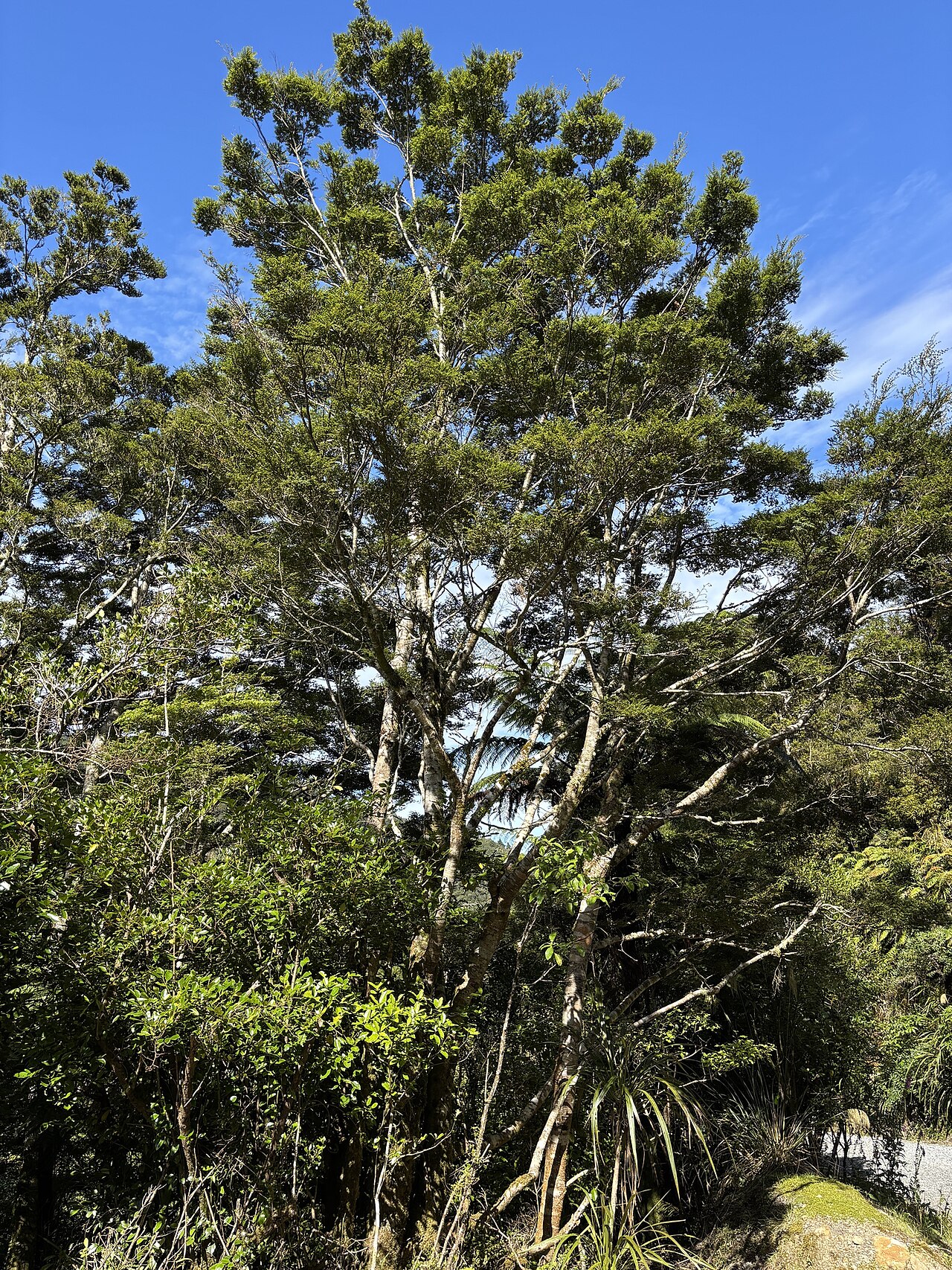
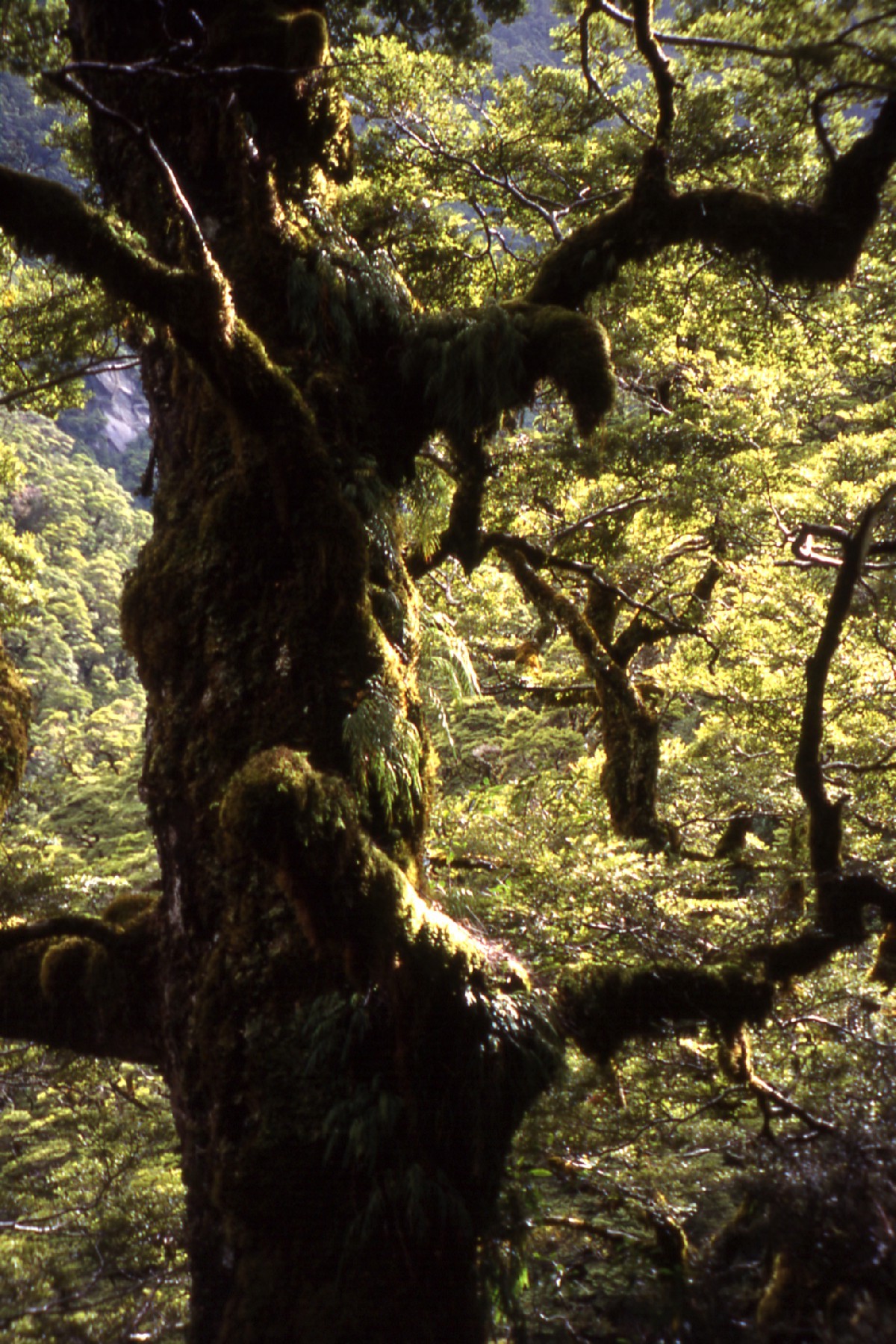
Nothofagus menziesii, commonly known as silver beech, is an evergreen tree in the family Nothofagaceae, endemic to New Zealand and widespread in the North and South Islands. It reaches a height of up to 30 metres (100 feet) tall, with a trunk up to 1–2 m in diameter, and has an estimated lifespan of 600 years. First described in 1854 by British botanist Joseph Dalton Hooker as Fagus menziesii, who named it in honour of Scottish naturalist Archibald Menzies, the species is notable for its silvery-grey bark, its role in New Zealand's subalpine forests, and its cultural significance to Māori, who consider Nothofagus species as taonga (treasured).
Quick Facts
- Genus
- Nothofagus
- Parent
- Nothofagus subg. Lophozonia
- Species
- menziesii
Facts from the source article.
Lore & Background
Nothofagus menziesii was first formally described in 1854 by Joseph Dalton Hooker as Fagus menziesii, who applied the specific epithet in honour of Archibald Menzies, a Scottish naturalist. The species is placed in the subgenus Lophozonia within the genus Nothofagus. In 2013, two researchers proposed renaming it Lophozonia menziesii, arguing that morphological and molecular differences within the family could be recognised as separate genera, but a 2015 revision declined the proposal, noting that fossil taxa dominate the family and that adopting the new classification would cause taxonomic complications. The 2013 classification has not been widely accepted outside of New Zealand.
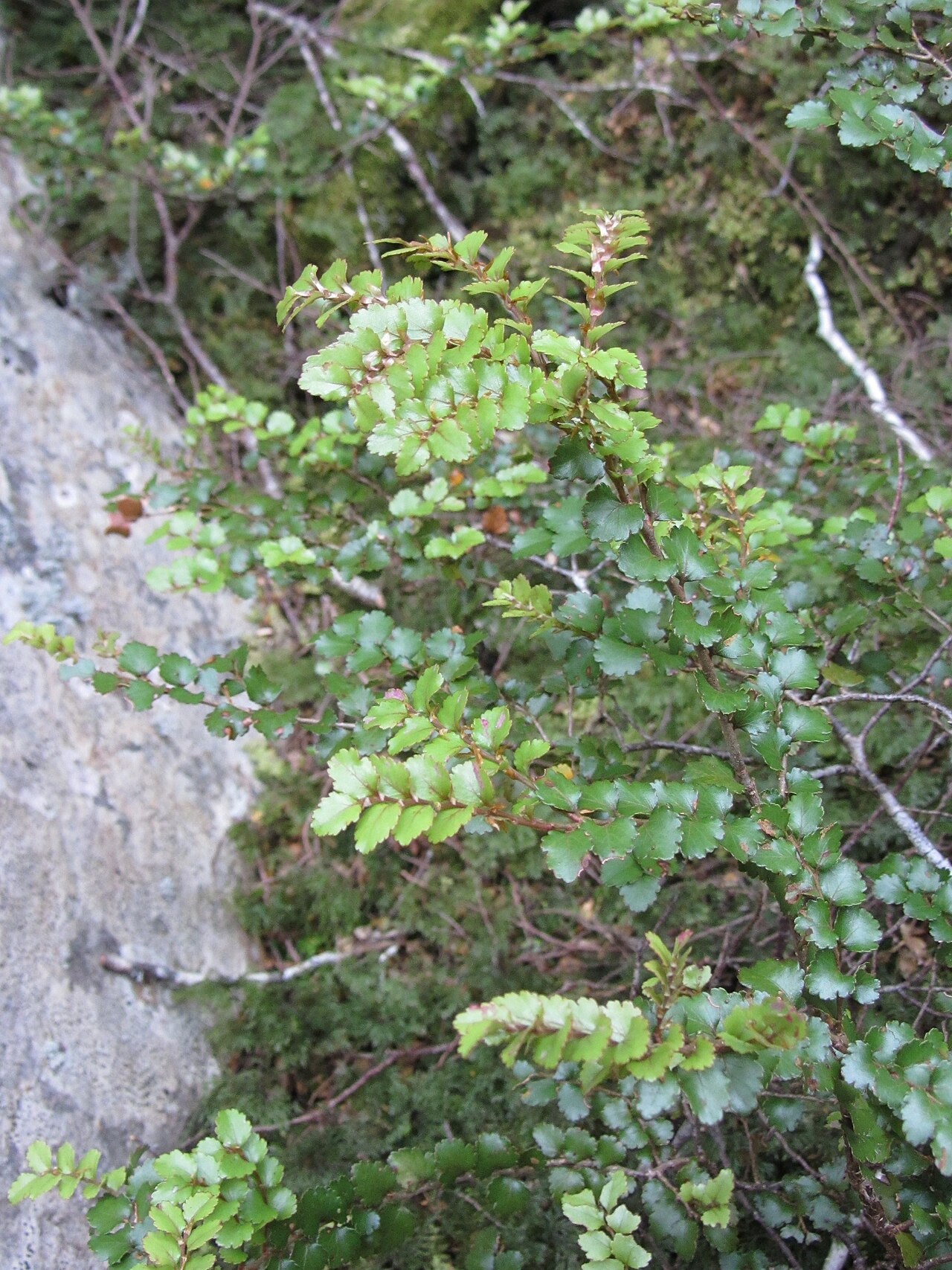
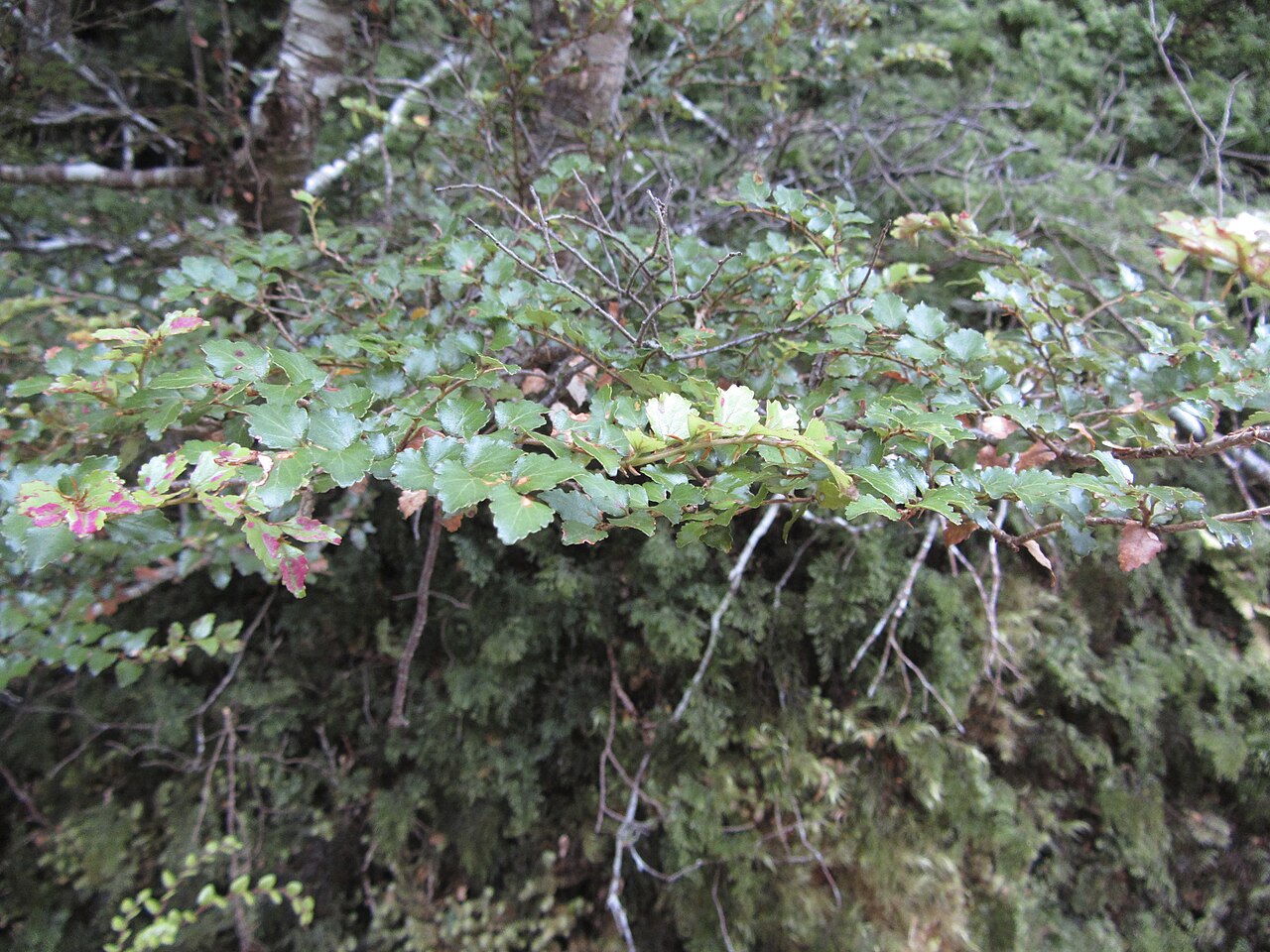
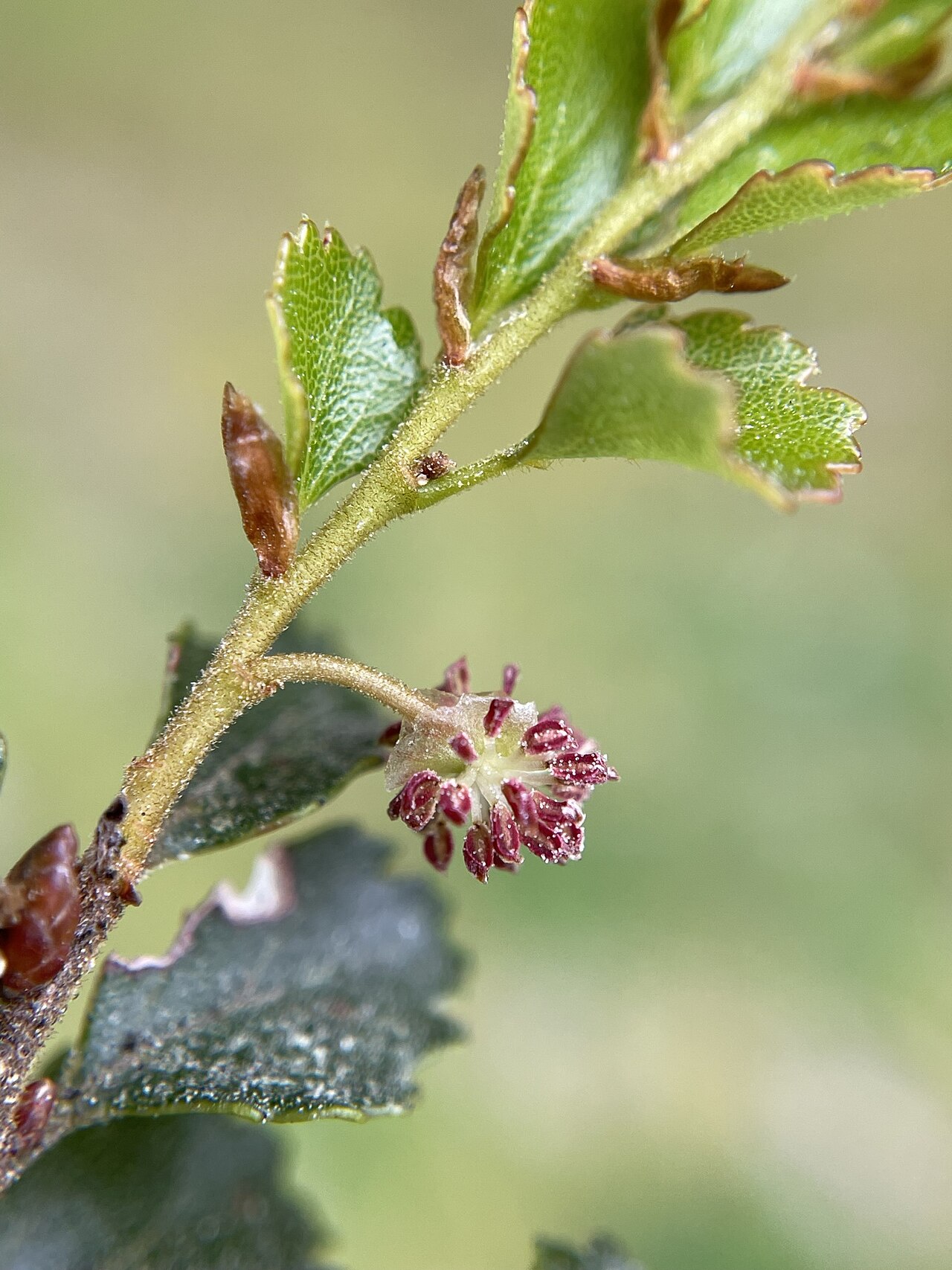
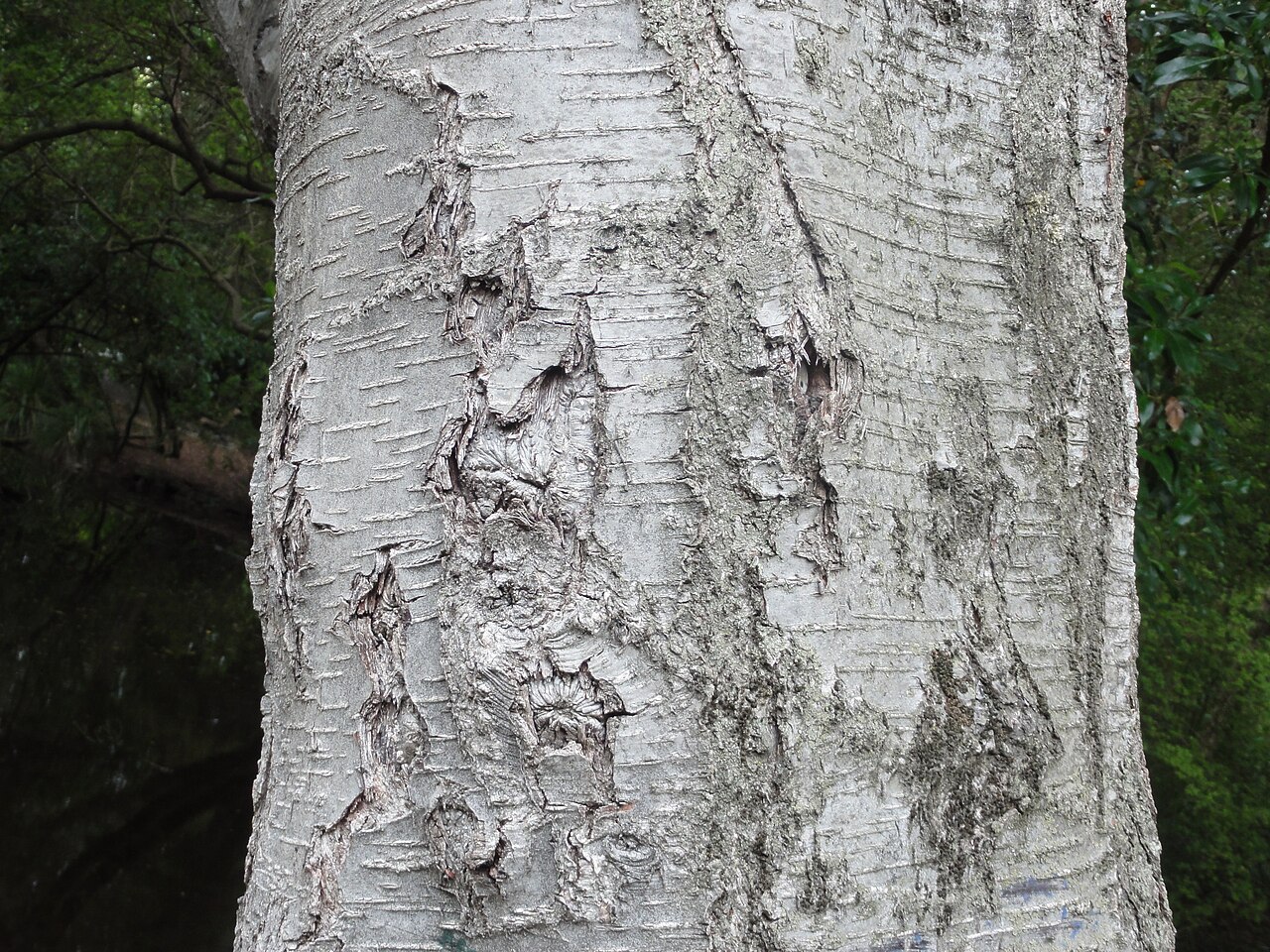
The tree's bark is smooth and silvery-greyish on young trees, with horizontal lenticels, becoming more furrowed as it matures. Its leaves are thick, rigid, green, and leather-like, measuring 6–15 mm long by 5–15 mm wide. Flowering occurs from November to January, with inflorescences in clusters of 1–4 per branchlet. The perianth is 4–6 mm long with 4–6 segments, and the staminate flowers have 20–30 stamens. Nuts are produced from January to March, each containing a single seed weighing about 2–3 mg.
Deer browse seedlings and young specimens, often leading to seedling death. Māori consider New Zealand's Nothofagus species as taonga, and the timber was crafted into fishing hooks.
Reader's Guide
Nothofagus menziesii, the silver beech, is a significant component of New Zealand's native forests, particularly in subalpine regions where it typically grows to 12 m tall. Its conservation status was assessed by the IUCN Red List in 2017 as 'Least Concern', with a stable population trend. The species is the only New Zealand Nothofagus belonging to the subgenus Lophozonia, which includes seven species spread across Australia and South America. A 2022 phylogenetic analysis placed N. menziesii in a clade with Australasian fossils, including N. tasmanica and N. pachyphylla.
The origin of the Nothofagus genus can be traced to the ancient supercontinent of Gondwana, likely emerging around 80–90 million years ago during the Late Cretaceous epoch in the Antarctic Peninsula. The historical distribution of the genus was influenced by dispersal events from Antarctica into Australasia and South America, with later extensions to New Caledonia and New Guinea. N. menziesii has twelve known flavonoid compounds, with an 'almost identical' profile to N. alpina (recorded as N. nervosa). The species is not closely related to other New Zealand Nothofagus species; its closest relatives are the Australian N. moorei and N. cunninghamii.
Did You Know?
- Its bark is smooth and silvery-greyish on young trees, becoming more furrowed as it matures.
- The species was first described in 1854 by Joseph Dalton Hooker as Fagus menziesii, who named it after Scottish naturalist Archibald Menzies.
Form and Growth
Silver beech is a tall, long-lived evergreen that can tower to roughly thirty metres with a trunk spanning one to two metres across, and individuals are estimated to persist for around six hundred years. In the harsher subalpine forests of New Zealand, the tree typically remains more compact, reaching about twelve metres in height with a diameter near eighty centimetres. Its trunk is generally straight or only gently curved, and the crown stays relatively narrow when the tree grows in dense woodland. In open clearings, however, the same species throws out vigorous branches low on the bole, producing a broad, spreading silhouette. The bark is a distinctive silvery-grey on younger specimens, marked by fine horizontal lenticels, and deepens into furrows as the tree ages. The leaves are thick, leathery, and only six to fifteen millimetres long, with double-toothed margins and a wedge-shaped base; juvenile foliage can take on a reddish tint. Fruiting runs from January through March, yielding small, slightly hairy nuts that are pale to reddish-brown, each containing a single seed of just four to five milligrams.
Taxonomy and Deep-Time Origins
The silver beech was formally described in 1871 by the British botanist Joseph Dalton Hooker, who honoured the Scottish naturalist Archibald Menzies with the species epithet. Within the genus Nothofagus it sits in the subgenus Lophozonia, and its closest relatives are actually two Australian species, N. moorei and N. cunninghamii, rather than its New Zealand neighbours. The genus itself is a Gondwanan relic, with its lineage traceable to the Antarctic Peninsula roughly eighty to ninety million years ago during the Late Cretaceous. In 2013, two researchers published a proposal in Phytotaxa to elevate the subgenus to full genus rank, renaming the tree Lophozonia menziesii on the grounds that morphological and molecular distinctions warranted separation. A 2015 revision of the family rejected this move, arguing that because fossil taxa dominate the Nothofagaceae record, splitting the genus would create major taxonomic complications and diminish the value of those fossil records. The 2013 arrangement has not gained broad acceptance beyond New Zealand. Silver beech carries a diploid chromosome number of twenty-six.
Ecological Interactions and Conservation Outlook
Across both the North and South Islands of New Zealand, silver beech is widespread but faces specific ecological pressures. Kākā, the New Zealand kea, occasionally visit the tree to extract larvae of the pūriri moth, a process that leaves deep scars on the bark. More broadly, introduced deer browse on seedlings and young trees, stripping foliage and frequently killing the younger specimens outright. Despite these threats, the IUCN Red List assessed the species in 2017 as Least Concern, with its population trend judged stable, a reflection of its broad distribution and the absence of a single catastrophic driver. Flowering occurs from November through January, with staminate clusters of one to four flowers per branchlet borne on short, sparsely hairy stalks. The perianth measures five to six millimetres across and carries thirty to thirty-six stamens whose anthers are red on top and straw-coloured below. Pistillate specimens produce one to four inflorescences per branchlet, with strap-shaped stigmas. The tree's cupules, six to seven millimetres long, are divided into four segments and ringed by four to five rows of gland-tipped projections.
Cultural Heritage and Phytochemical Profile
For Māori, New Zealand's Nothofagus species hold the status of taonga, meaning they are treasured and culturally significant. The timber of silver beech was a practical resource in traditional life, shaped into fishing hooks and other tools. On the chemical front, a 2003 scientific study catalogued at least forty-two flavonoids and a stilbene called pinosylvin across various Nothofagus species. Silver beech itself has twelve known compounds, and its flavonoid profile was recorded as almost identical to that of N. alpina. The specific flavonoids identified in this species include 8-OH-Gal-8-Me, several herbacetin and kaempferol derivatives, Qu-3,30-Me, and multiple apigenin compounds. These secondary metabolites contribute to the tree's ecological interactions and may hold interest for pharmacological research. The species' endemic status to New Zealand, combined with its deep Gondwanan heritage and its role in both Māori material culture and modern phytochemical studies, makes silver beech a tree that bridges ancient biogeography, indigenous knowledge, and contemporary science.
Gallery
More in Trees And Forest Species 1-24
Spotted an error? Know more?
Reader corrections go straight into our review queue. Suggest an edit · How this site is sourced