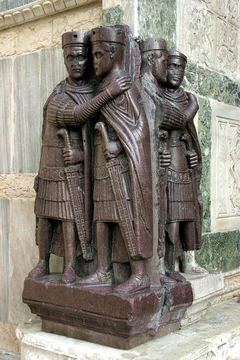
Carausius
Usurper who ruled Britain and northern Gaul for seven years.

Anagoria · CC BY 3.0
Marcus Aurelius Carausius was a military commander of the Roman Empire in the 3rd century. He usurped power in 286, declaring himself emperor in Britain and northern Gaul (Imperium Britanniarum), and held power for seven years before being assassinated by his finance minister Allectus.
- known_for
- Carausian Revolt, declaring himself Emperor of the North, issuing silver coins of higher purity than many contemporary issues
Lore & Background
Carausius was a Menapian of humble origin who distinguished himself during Maximian's campaign against the Bagaudae rebels in northern Gaul in 286. His success and former occupation as a pilot led to his appointment to command the Classis Britannica, tasked with eliminating Frankish and Saxon pirates. He was suspected of allowing pirates to raid and then keeping captured treasure, leading Maximian to order his execution. Learning of this sentence in late 286 or early 287, Carausius declared himself emperor in Britain and northern Gaul, commanding a fleet, three legions in Britain, a legion seized in Gaul, auxiliary units, merchant ships, and barbarian mercenaries.
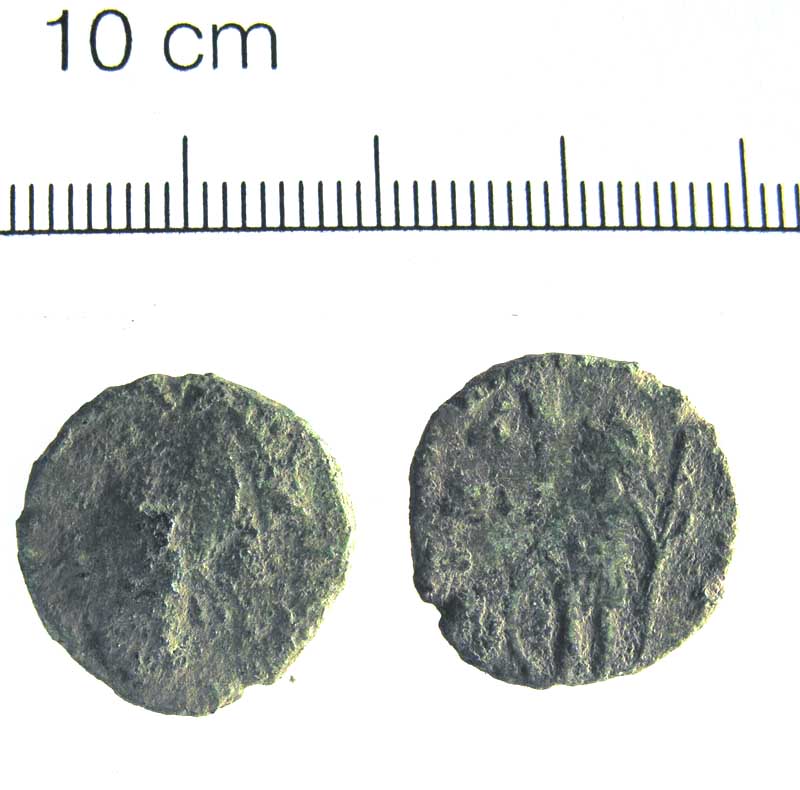
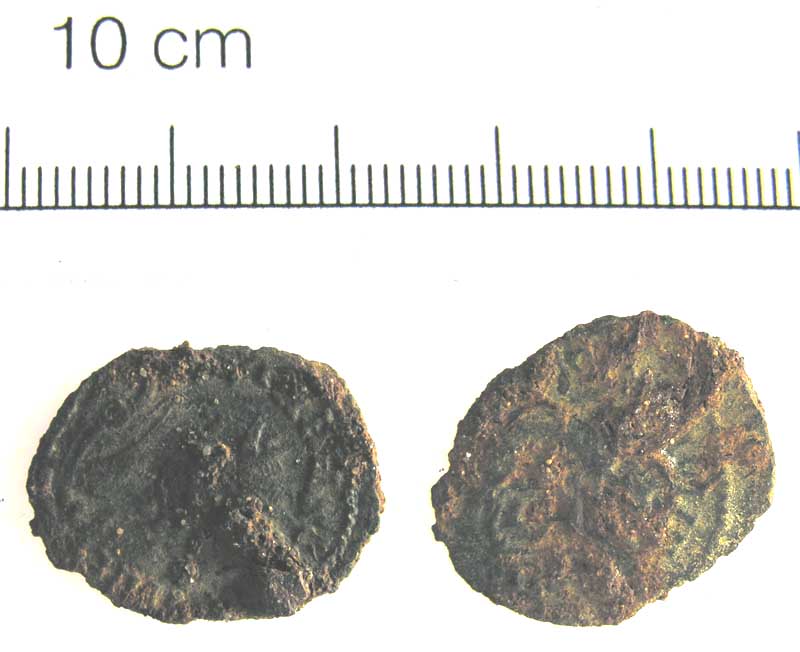
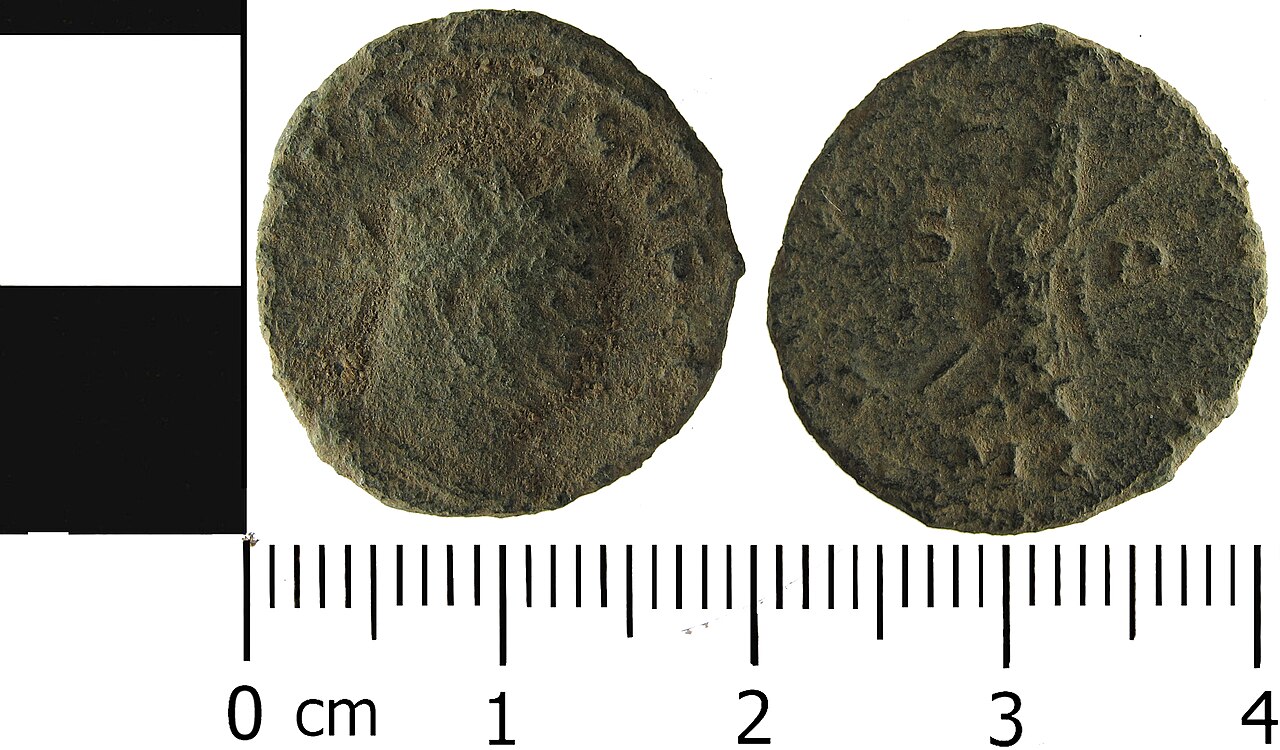
Maximian prepared an invasion in 288 or 289 to oust him, but it failed, attributed by some to bad weather and by others to Carausius's military skill. Peace was agreed, and Carausius began to entertain visions of legitimacy. He issued coins from mints in Londinium, Rotomagus, and possibly Colchester, using them for sophisticated propaganda. He struck coins with three portrait heads and legends implying recognition by Diocletian and Maximian, and issued silver coins with Virgilian allusions such as 'Expectate veni' and 'RSR' referencing Virgil's Fourth Eclogue.
Reader's Guide
Carausius's significance lies in his successful usurpation and seven-year rule over Britain and northern Gaul, a challenge to the Tetrarchy that required military and propaganda efforts to counter. His coinage is the main source of information about his reign, notable for issuing the first proper silver coins in generations and for using Virgilian literary references to claim legitimacy and a restored Golden Age. The discovery of a hoard of over 52,500 Roman coins near Frome, Somerset in 2010, including 766 from his reign, underscores his lasting archaeological footprint. His rule ended when Constantius Chlorus isolated him by besieging Gesoriacum and invading Batavia, after which his finance minister Allectus assassinated him. Carausius's revolt highlights the instability of the late 3rd-century Roman Empire and the use of culture and coinage in imperial propaganda.
Did You Know?
- Carausius was a Menapian from Belgic Gaul, a people of humble origin.
- His silver coins were of higher purity than many contemporary issues, though earlier emperors like Gallienus and Claudius II had also issued silver coinage.
- His coins bore the Virgilian legend 'Expectate veni' ('Come long-awaited one').
- He was assassinated by his own finance minister Allectus in c. 293 AD.
From Humble Pilot to Usurper
Carausius was a Menapian of modest background from Belgic Gaul, born in the third century. His rise began when he distinguished himself during Maximian's 286 campaign against the Bagaudae rebels in northern Gaul. His naval expertise, rooted in his earlier career as a pilot, earned him command of the Classis Britannica, the fleet patrolling the English Channel against Frankish and Saxon raiders. However, suspicion followed him: he was accused of colluding with the very pirates he was meant to suppress, letting them plunder before staging attacks and pocketing the spoils. When Maximian ordered his execution, Carausius learned of the sentence in late 286 or early 287. Rather than submit, he seized the moment, declaring himself emperor across Britain and northern Gaul. His rebellion came a mere thirteen years after the Gallic Empire had been crushed in 273, and he styled himself Emperor of the North, holding power for seven years before his assassination.
Forging a Northern Empire
Carausius assembled a formidable military force to sustain his revolt. Beyond his existing fleet, supplemented by newly built vessels, he commanded the three legions stationed in Britain, a legion seized from Gaul, foreign auxiliary units, a levy of Gaulish merchant ships, and barbarian mercenaries drawn by the promise of plunder. The question of how a sea-based commander won army loyalty has puzzled historians; Sheppard Frere speculated he may have achieved an unrecorded victory in Britain linked to Diocletian's 285 assumption of the title Britannicus Maximus, or that his land-based campaign against the Bagaudae earned him military prestige. Alternatively, if the larceny charges were accurate, he could simply have purchased loyalty. When Maximian mounted an invasion in 288 or 289, it failed, attributed by a panegyric to bad weather, though Carausius claimed a military victory. Eutropius credited his tactical skill. Some scholars suggest the Saxon Shore fortifications on both Channel coasts may have contributed to the invasion's failure, and Carausius began to entertain visions of formal imperial recognition.
The Language of Legitimacy on Coin
Carausius's most enduring legacy is his coinage, struck at mints in Londinium, Rotomagus, and possibly Colchester. He issued the first proper silver coins seen in the Roman Empire for generations, understanding that high-quality bullion would project legitimacy and outshine the coinage of Diocletian and Maximian. His propaganda was layered: early issues depicted him as rough and thuggish, while later ones showed a trim, beneficent ruler. He struck coins bearing PAX AVGGG, the peace of three Augusti, implying recognition by Diocletian and Maximian, even though their own coins proclaimed only two. He issued pieces reading CARAVSIVS ET FRATRES SVI, placing himself alongside the Tetrarchy. Some silver coins carried the legend Expectate veni, an allusion to a messianic line in Virgil's Aeneid, while others bore Restitutor Britanniae and Genius Britanniae, appealing to native British sentiment. The Frome hoard of 2010, containing 766 Carausian coins, offers a tangible glimpse into his monetary world.
Betrayal, Reclamation, and Aftermath
Carausius's seven-year reign ended not through military defeat but through treachery. In 293, Constantius Chlorus, now western Caesar, marched into Gaul and reclaimed it for the empire, isolating Carausius by besieging the port of Gesoriacum and invading Batavia in the Rhine delta to cut off Frankish allies. Though Constantius could not yet invade Britain without a suitable fleet, Carausius's position was fatally weakened. His finance minister Allectus, whom he had placed in charge of the treasury, assassinated him and seized power. Allectus's own rule lasted only three years before Constantius's subordinate Julius Asclepiodotus defeated and killed him. The Frome hoard, buried after Carausius's death, contained 766 of his coins, roughly four years' pay for a Roman legionary, alongside later issues, testifying to the economic disruption his brief empire had wrought. Three copper-alloy medallions depicting Carausius in consular garb survive in the British Museum, among them one reading PACATOR ORBIS, Peace-bringer to the world.
Gallery



Frequently Asked Questions
Who is Carausius?
Carausius was a Roman military commander in the late third century who rejected imperial authority and set himself up as an independent ruler over Britain and the northern reaches of Gaul. He is best remembered as the instigator of the so-called Carausian Revolt.
What was Carausius's role in the Tetrarchy?
He was not a Tetrarch; rather, he was a usurper who outright rejected the Tetrarchic system. In 286 he declared himself emperor of the northern provinces, carving out his own regime (the Imperium Britanniarum) in direct defiance of the legitimate imperial structure.
How does Carausius's story end?
After roughly seven years ruling the north, he was murdered by his own finance minister, Allectus, who then seized power in his stead. That assassination effectively brought his short-lived northern regime to a close.
Why is Carausius important to Tetrarchy history?
His revolt is a vivid illustration of how the Tetrarchy's division of the empire into manageable zones paradoxically made it easier for regional commanders to break away. The fact that he could hold Britain and northern Gaul for seven years underscores just how stretched thin central authority had become.
What is Carausius known for besides the revolt?
Numismatists particularly prize his coinage, which featured silver of notably higher purity than much of what was being struck elsewhere in the empire at the time. This makes his issues a perennial favorite among collectors of late Roman coins.
More in Tetrarchy 1-24
Spotted an error? Know more?
This is a living reference — every entry is fact-audited, and reader corrections feed straight into our audit queue. Suggest an edit · See this site's audit record