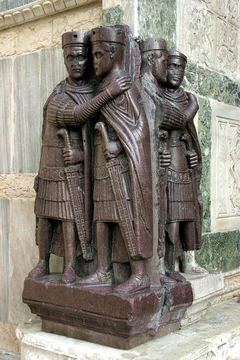
Allectus
Usurper who ruled Britain and northern Gaul from 293 to 296.

Buckinghamshire County Council, Lynne Buckley, 2007-06-19 15:24:39 · CC BY-SA 2.0
Allectus (died c. 296 AD) was a Roman-Britannic usurper who controlled Britain and northern Gaul between 293 and 296. He had served as treasurer under Carausius, a Menapian naval officer who had taken power in those regions in 286. In 293, Carausius became isolated after the western Caesar Constantius Chlorus recaptured several Gallic territories, including the key port of Bononia (modern Boulogne), and defeated Carausius’s Frankish allies in Batavia. Allectus then murdered Carausius and took command.
Little is known of Allectus’s rule, though his coinage appears in similar areas to Carausius’s, including northwestern Gaul, suggesting that the loss of Bononia did not end the rebel empire’s presence across the Channel. In September 296, Constantius launched an invasion to remove him. The invasion force consisted of two main divisions. Constantius led one from Bononia but was delayed by bad weather. The other division, commanded by the praetorian prefect Asclepiodotus, used fog to evade Allectus’s ships stationed near the Isle of Wight, landing close to Southampton Water and burning their vessels. Allectus’s army retreated from the coast but was intercepted by Asclepiodotus’s forces and defeated. Allectus died in the battle, having removed his insignia to avoid identification. Archaeological evidence suggests Calleva Atrebatum (Silchester) or its surroundings as the likely site of his defeat. After the main battle, Constantius’s own division arrived at Londinium (London) and massacred the remnants of Allectus’s men—mostly Frankish mercenaries who were looting the city. Constantius apparently did not reach Britain until after the fighting ended, and his panegyrist claims he was welcomed as a liberator.
Carausius had used coinage for propaganda, with slogans like a claim to have restored “liberty” aimed at British sentiment. Constantius responded with a medal struck after his victory, calling himself *redditor lucis aeternae* (“restorer of the eternal light [of Rome]”).
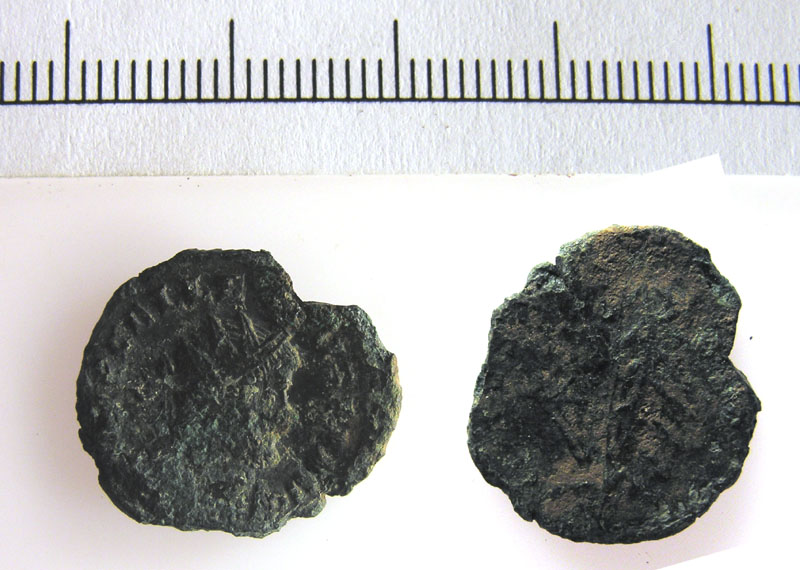
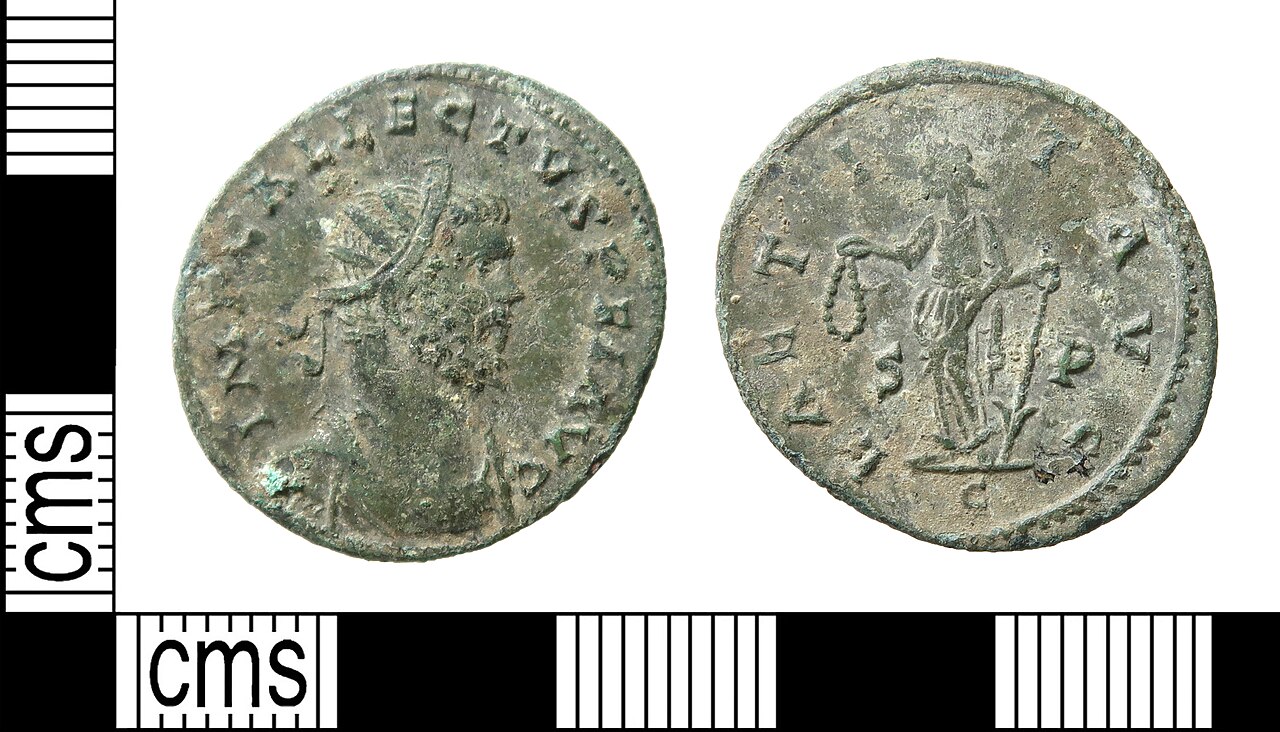
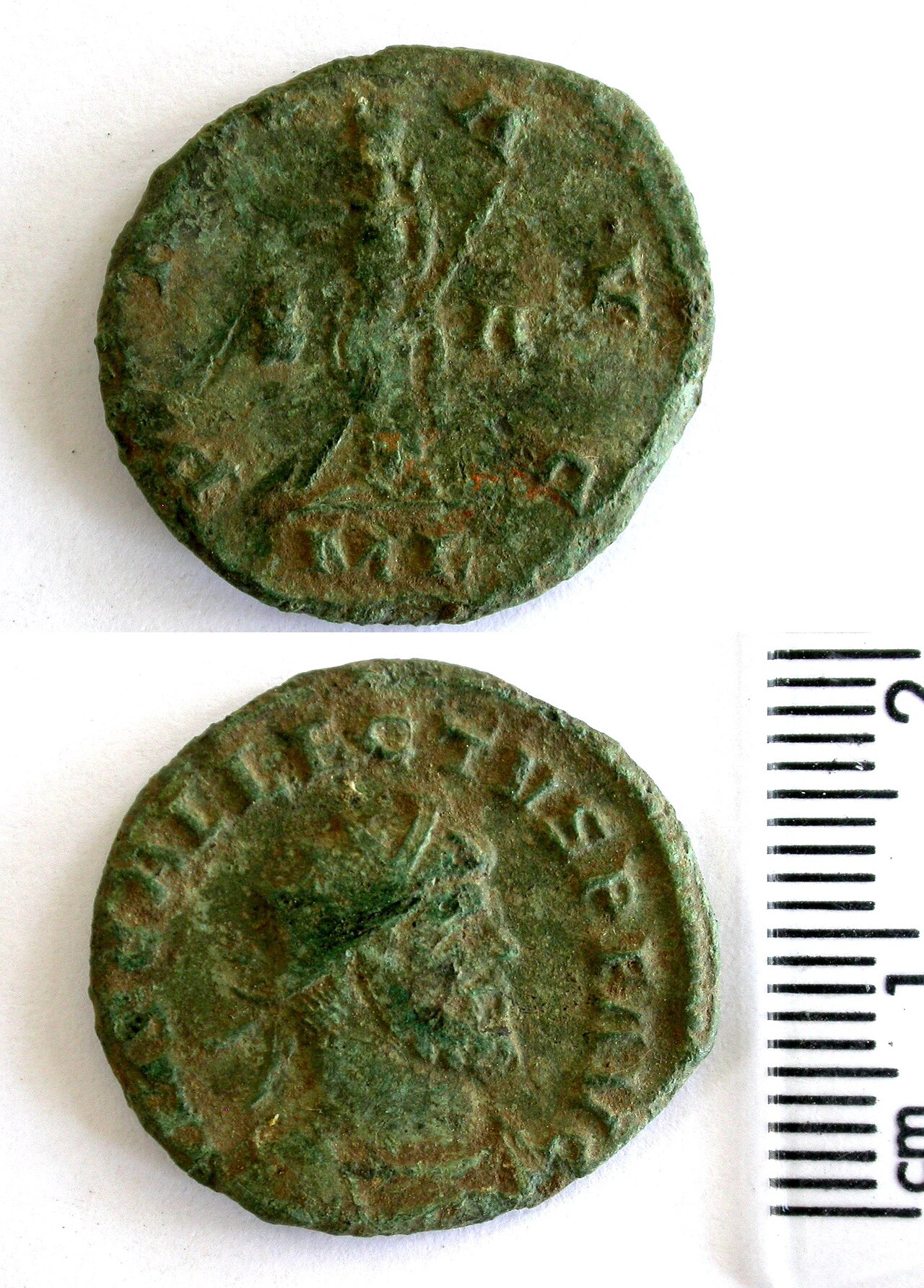
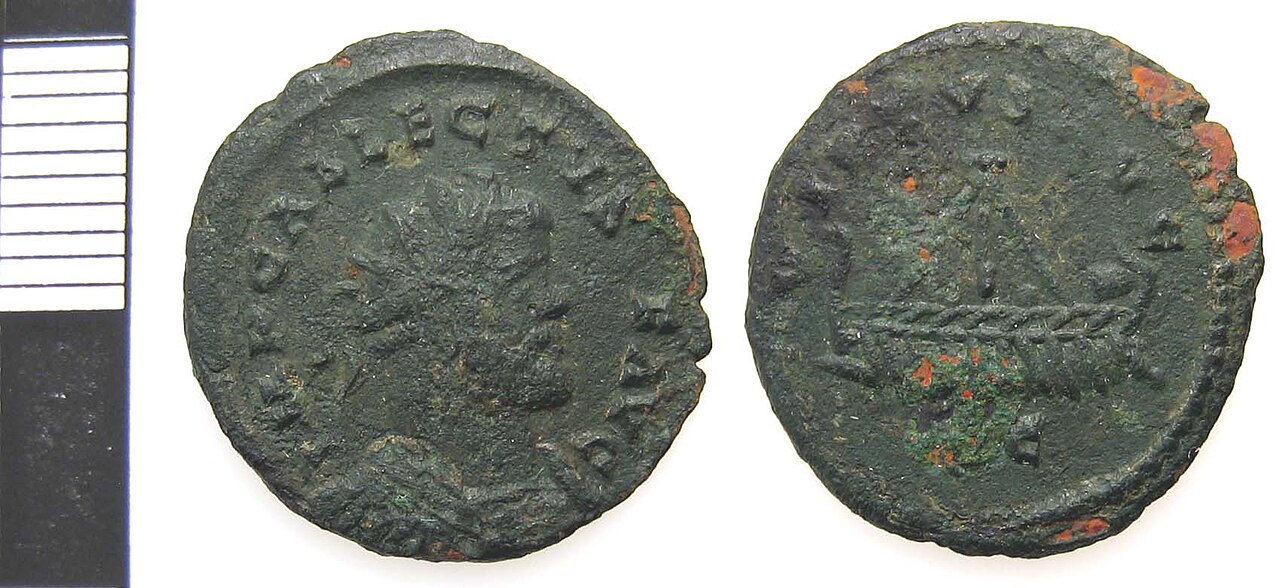
In March 2019, a metal detectorist found a coin bearing Allectus’s head in Dover. It sold at auction for £552,000.
Geoffrey of Monmouth’s legendary *History of the Kings of Britain* (c. 1136) portrays Allectus as a Roman officer sent with three legions to depose Carausius, a native British king. After doing so, his oppressive rule leads to his own overthrow by Asclepiodotus, here th
- born
- Unknown
- died
- c. 296 AD
- field
- Usurper, ruler
- nationality
- Roman-Britannic
- known_for
- Usurpation in Britain and northern Gaul; assassination of Carausius
Lore & Background
Allectus served as treasurer to Carausius, a Menapian officer who had seized power in Britain and northern Gaul in 286. In 293, after Constantius Chlorus retook Bononia and defeated Frankish allies of Carausius in Batavia, Allectus assassinated Carausius and assumed command. His reign left little record, though his coin issues are found in north-western Gaul, suggesting the rebel empire retained a foothold there after the loss of Bononia.
Constantius launched an invasion in September 296. The invasion force consisted of two main divisions: one led by Constantius from Bononia (delayed by bad weather) and another under the praetorian prefect Asclepiodotus, who used fog to evade Allectus's ships near the Isle of Wight, landing near Southampton Water and burning their ships. Allectus's forces retreated from the coast but were intercepted and defeated by Asclepiodotus's division. Allectus was killed in the battle. Afterward, Constantius's own division arrived at Londinium and massacred the remaining Frankish mercenaries who were looting the city.
Reader's Guide
Allectus's significance lies in his brief usurpation during the chaotic period of the Tetrarchy, when the Roman Empire was divided among multiple rulers. His assassination of Carausius and subsequent rule represent a continuation of the breakaway 'British Empire' that challenged central Roman authority. The invasion by Constantius Chlorus in 296 restored imperial control and was commemorated by a medal describing Constantius as 'restorer of the eternal light of Rome.' Allectus's coinage, similar in distribution to Carausius's, indicates that the rebel regime maintained influence in north-western Gaul even after the loss of Bononia. His legacy is preserved in later legend, such as Geoffrey of Monmouth's 12th-century account, and in modern fiction like Rosemary Sutcliff's novel The Silver Branch. The discovery of a coin bearing his head in Dover in 2019, which sold for £552,000, underscores ongoing archaeological interest in his reign.
Did You Know?
- Allectus was treasurer to Carausius before assassinating him and seizing power.
- He was killed in battle after removing his insignia to prevent identification of his body.
- A coin bearing his head was found in Dover in March 2019 and sold for £552,000.
- Geoffrey of Monmouth's legendary history portrays Allectus as an oppressive Roman officer deposed by Asclepiodotus.
Gallery
Frequently Asked Questions
Who was Allectus?
Allectus was a Roman-Britannic political operator who seized control of Britain and northern Gaul around 293 AD. He had previously worked as Carausius's treasurer before turning on his employer to claim the usurper's throne himself.
How did Allectus take power from Carausius?
By 293, Constantius Chlorus had recaptured key Gallic ports like Bononia and crushed Carausius's Frankish allies in Batavia, leaving the naval commander increasingly isolated. Allectus struck during that moment of vulnerability, killing Carausius and assuming command of the rebel administration.
What territory did Allectus actually control?
He held Britain and stretches of northern Gaul from roughly 293 to 296 AD. Archaeological finds of his coinage appear in the same regions where Carausius's currency turned up, suggesting a comparable geographic footprint.
How did Allectus's rule come to an end?
Constantius Chlorus launched a direct military campaign against the usurper's forces, and Allectus was killed in the fighting around 296 AD. His defeat restored those provinces to the authority of the Tetrarchic western emperors.
Why does Allectus matter in the broader Tetrarchy story?
His short reign is a case study in how the Tetrarchy's layered command structure could be exploited by ambitious subordinates operating at its periphery. His rise and fall show that even a well-organized system of four emperors could not fully prevent local strongmen from carving out semi-independent territories.
More in Tetrarchy 1-24
Spotted an error? Know more?
This is a living reference — every entry is fact-audited, and reader corrections feed straight into our audit queue. Suggest an edit · See this site's audit record