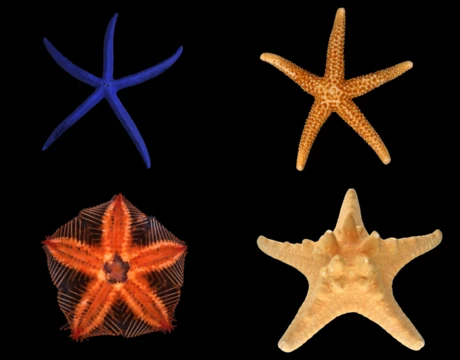
Echinaster
A common, well-studied starfish genus with debated species count.

Diogo Luiz · CC BY-SA 4.0
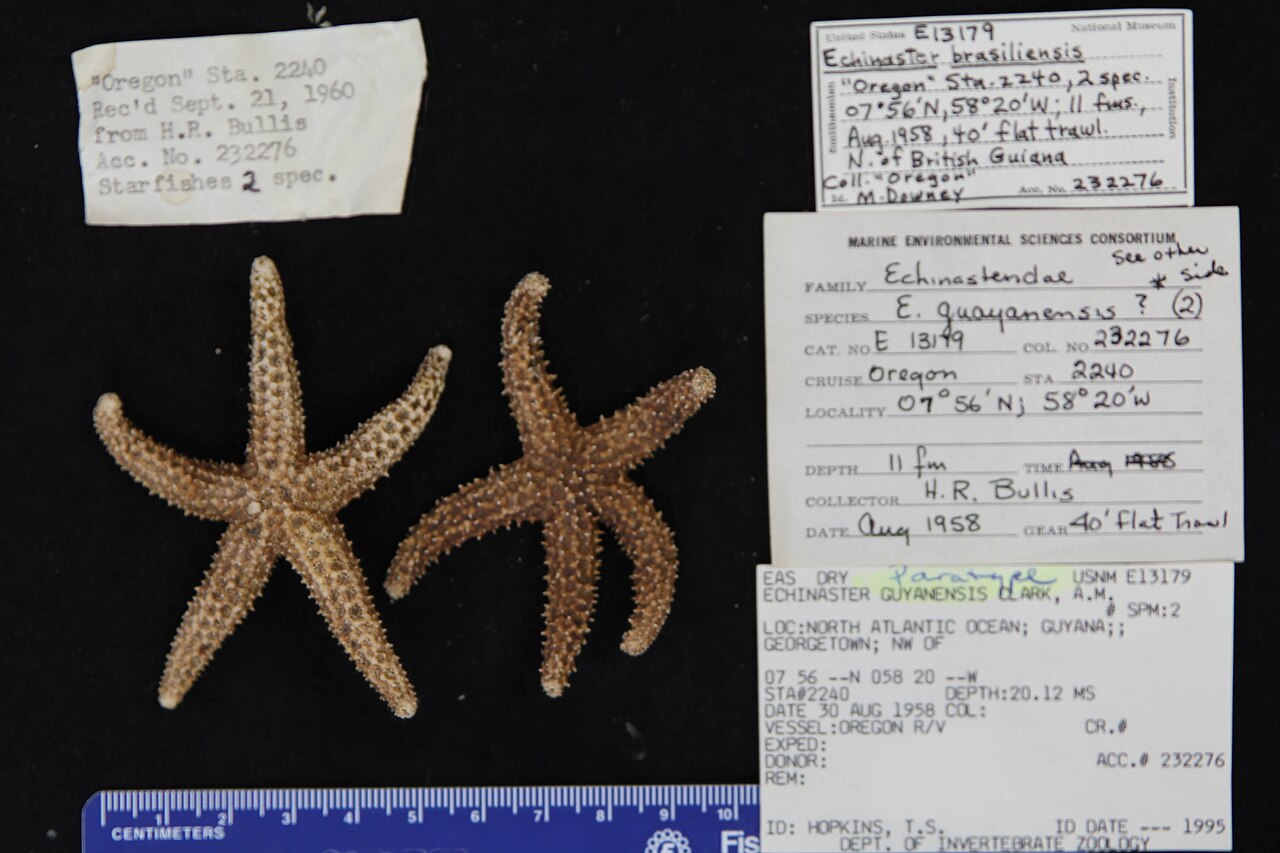
Echinaster, a well-studied and common genus of starfish containing ~30 species, is the second-largest in the family Echinasteridae and has been extensively studied. Together with the genus *Henricia*, it accounts for 90% of all species in that family. The exact number of species remains uncertain due to taxonomic disagreements within the genus. It is split into two subgenera, *Echinaster* and *Othilia*, though their evolutionary relationship is not well understood. Members of this genus inhabit the Pacific, Atlantic, and Indian Oceans, with most scientific work centered on populations in the Gulf of Mexico and Brazil. The subgenus *Othilia* is thought to include species primarily from those regions. *Echinaster* is frequently used as a model for studying evolutionary relationships within the family. Many species in the genus are colored red, orange, or pink. **Species** The genus *Echinaster* includes 61 known species. **Life history** *Lifespan* In the wild, sea stars can live up to 35 years under suitable conditions, but *Echinaster* lifespans vary and are influenced by environmental factors such as salinity, water temperature, light availability, and pollution. Human activities also affect longevity: habitat destruction and overfishing harm *Echinaster* populations. *Life cycle* Reproduction begins with broadcast spawning, where gametes are released into the water, and externally fertilized eggs develop into planktonic larvae. Most species produce only brachiolaria larvae, which are lecithotrophic (non-feeding). However, some *Echinaster* species first produce a smaller, feeding bipinnaria stage before transitioning to the brachiolaria stage. Egg size varies depending on parental investment, nutrient content, and habitat. As deuterostomes, sea stars undergo holoblastic cleavage shortly after fertilization. A wrinkled blastula forms after 14 hours, and by 20 hours, a blastula with an invaginated pore at the vegetal pole appears. The blastula then rotates around its axis, and the embryo stretches longitudinally. Cilia cover the body, enabling movement along the anterior-posterior axis. Six days after fertilization, the anterior body extends while the posterior flattens laterally. Tube feet and the central disk soon appear, followed by the mouth and spines. After 15 days, symmetry becomes more pronounced, and the eyespot fully develops.
Quick Facts
- Taxon
- Echinaster
Facts from the source article.
Lore & Background
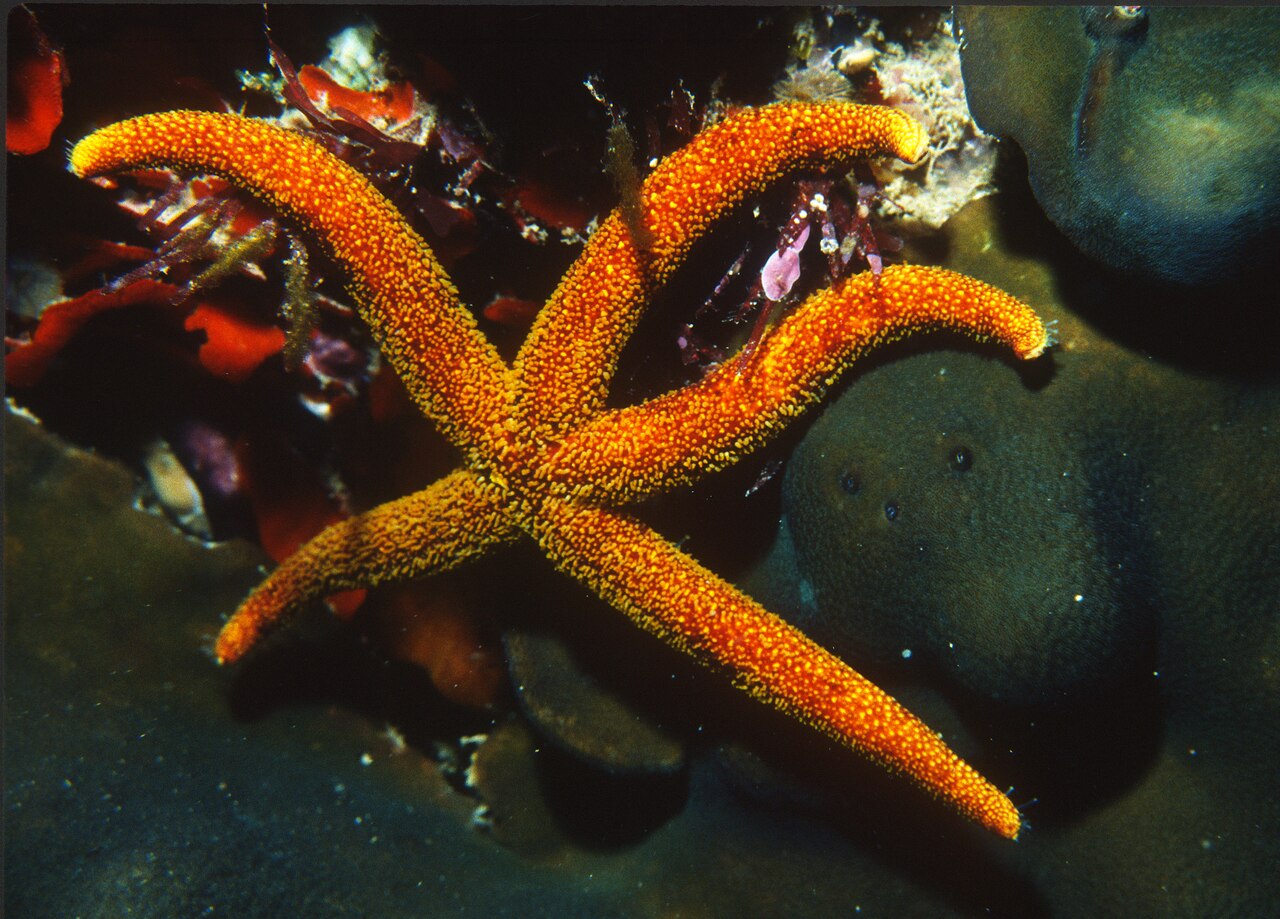
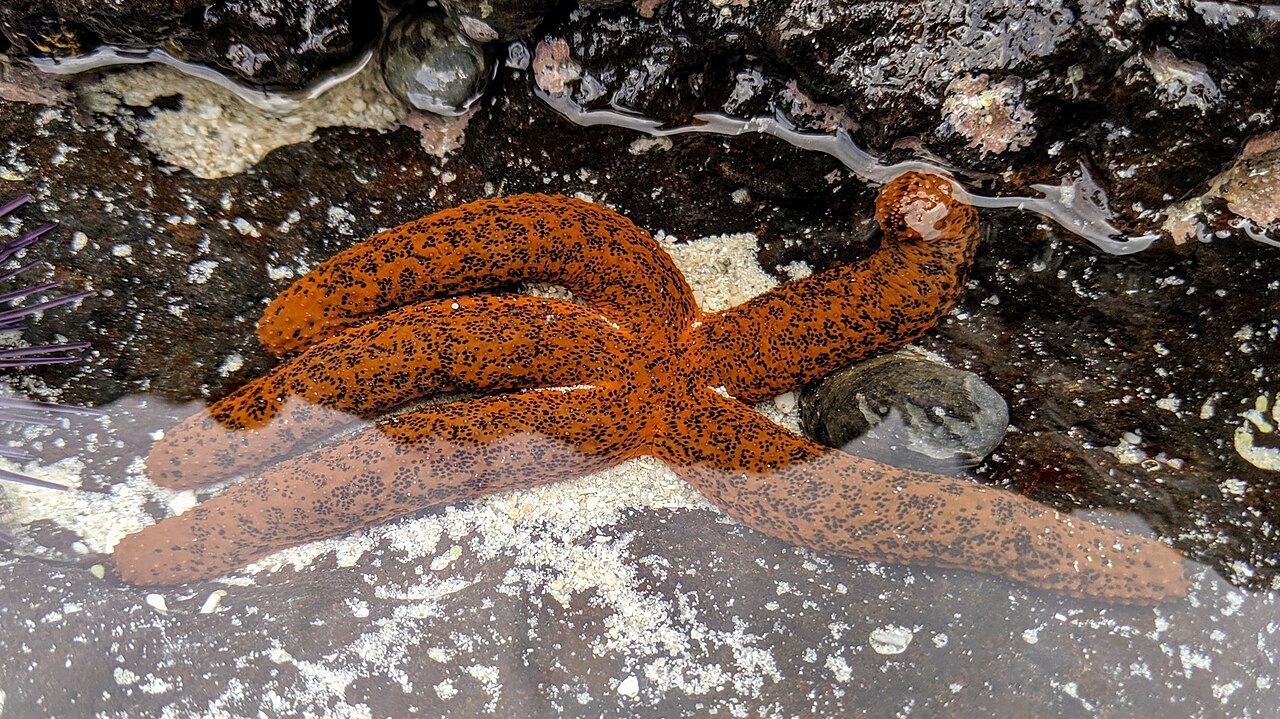
The genus Echinaster is currently sub-divided into two sub-genera: Echinaster and Othilia, though the evolutionary relationships between them are not understood. The sub-genus Othilia is thought to encompass species mainly found in the Gulf of Mexico and Brazil. Many species within Echinaster are red, orange, or pink in coloration. The genus is often one of the most studied within the family Echinasteridae and is frequently used to find evolutionary relationships. Echinaster generally possess elongated arms attached to a narrow central disk, with body wall plates containing spinelets that vary from thorny to cylindrical.
Reader's Guide
Echinaster holds significance as a well-studied genus within the family Echinasteridae, containing about 30 species and serving as a model for understanding evolutionary relationships. Its study has been concentrated in the Gulf of Mexico and Brazil, where most species of the sub-genus Othilia are found. The genus is notable for its variable lifespan, which can reach up to 35 years in the wild but is influenced by environmental stressors and human impacts such as habitat destruction and overfishing. Research on Echinaster has detailed its life cycle, from broadcast spawning and larval development through bipinnaria and brachiolaria stages to metamorphosis, with pronounced growth in the first 40 days. Its anatomy, including the water vascular system and arm regeneration capabilities, has been thoroughly documented. The genus also provides insights into behavioral responses to thermal stress, such as altered righting mechanisms and increased mortality. Despite its importance, the number of species remains debated due to uncertainty within the genera, and the evolutionary relationships between its two sub-genera are not understood, highlighting areas for future research.
Did You Know?
- Echinaster is the second-largest genus in the family Echinasteridae, containing about 30 species.
- The genus is sub-divided into two sub-genera: Echinaster and Othilia, but their evolutionary relationships are not understood.
- Arm regeneration in Echinaster begins in as few as 3 days and takes a couple of weeks to complete.
- When faced with thermal stress, Echinaster right themselves by somersaulting rather than using their typical method.
Physical Form & Distinguishing Traits
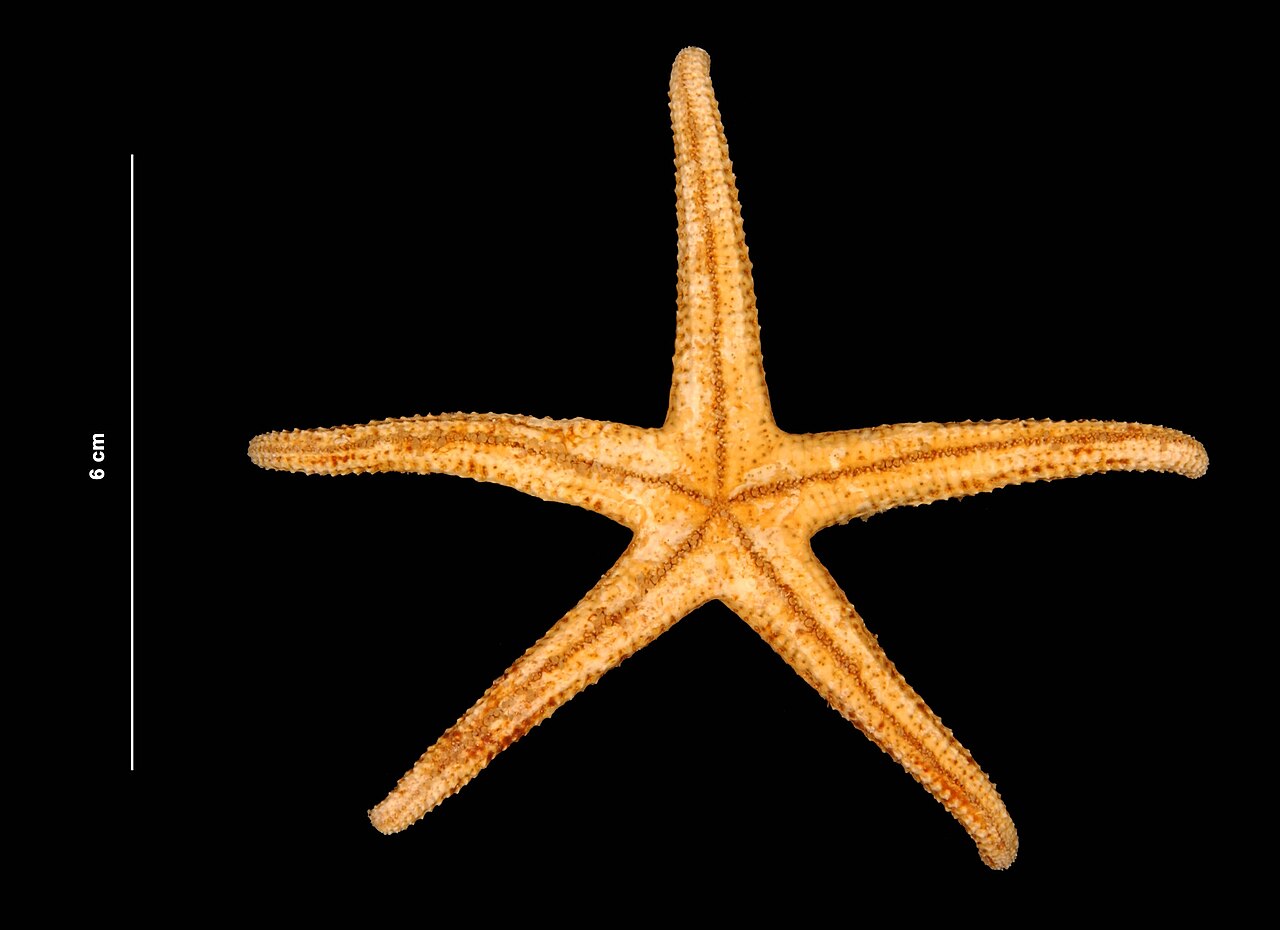
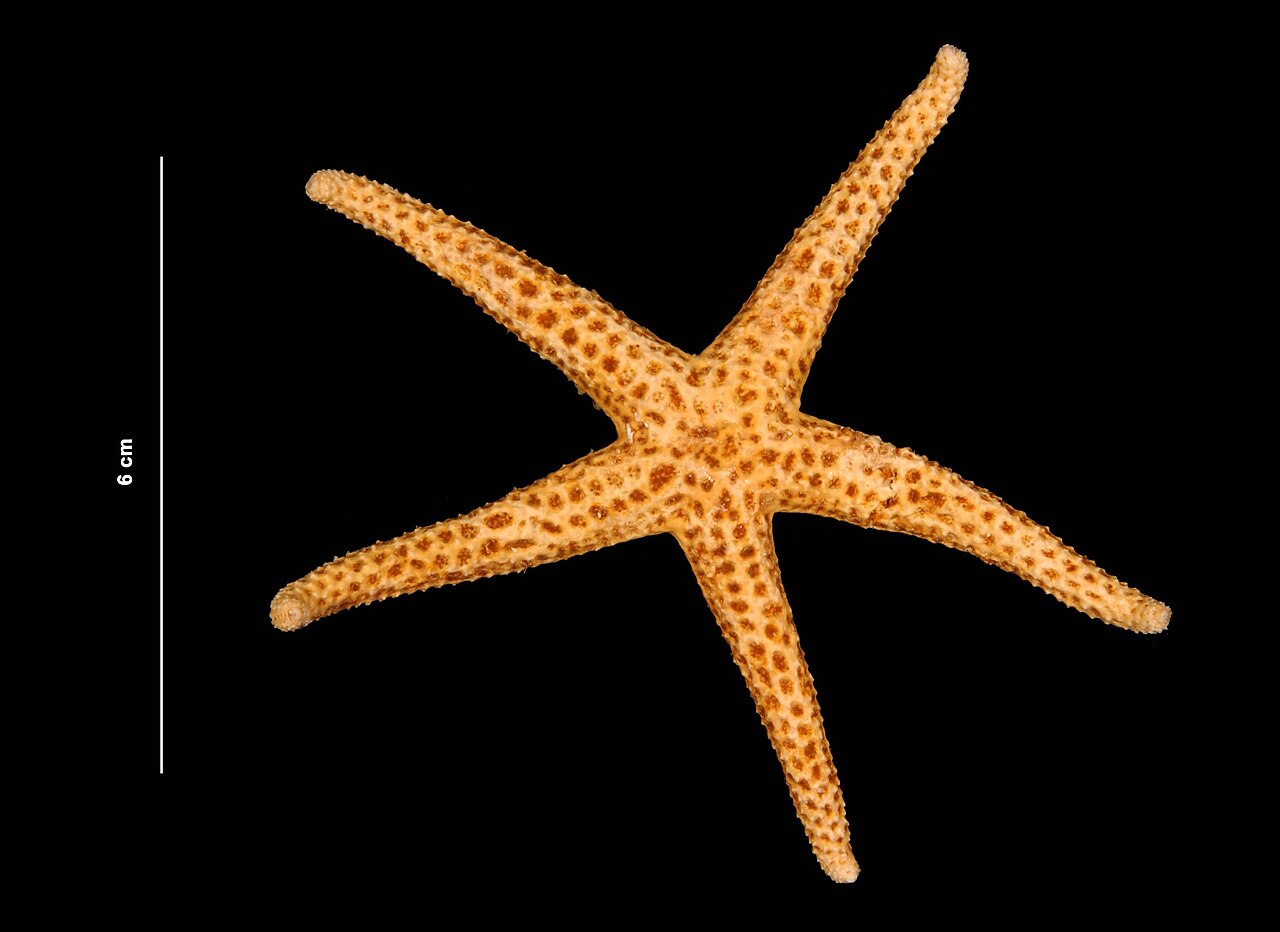
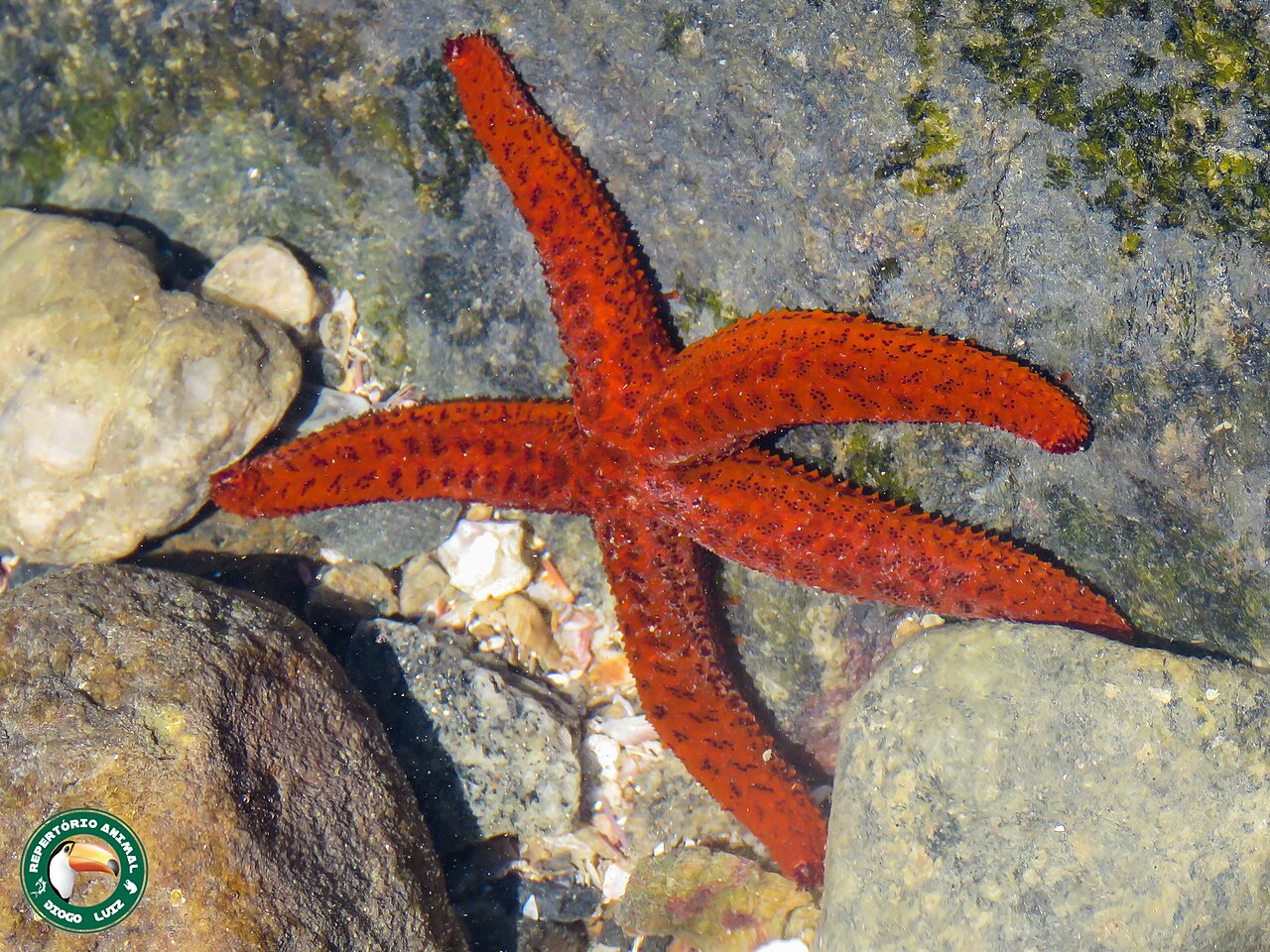
Echinaster sepositus presents a striking visual profile among marine invertebrates. The animal displays five relatively slender arms radiating from a notably small central disc, giving it a delicate star-shaped silhouette. In typical specimens the overall diameter reaches approximately twenty centimeters, though exceptional individuals have been recorded at thirty centimeters across. Its most immediately recognizable trait is a vivid orange-red coloration that stands out against the seabed. The body surface carries a distinctive soapy texture, a tactile quality that sets it apart from the superficially similar Henricia starfish. Scattered across this surface are evenly spaced pits, from which the creature can extend its deep red gills, known as papulae. These respiratory structures add another layer of color to the animal's appearance. While Ophidiaster ophidianus occupies the same general region and shares some broad similarities, the combination of the soapy texture, the pit-and-papula arrangement, and the specific arm proportions make Echinaster sepositus readily identifiable to experienced observers.
Geographic Range & Distribution Limits
The Mediterranean red sea star occupies a well-defined but broad swath of the eastern Atlantic Ocean, extending from the Mediterranean basin northward. Its range is bounded to the south by the Equator, beyond which the species does not occur. In the Mediterranean itself, Echinaster sepositus ranks among the most commonly encountered starfish, a testament to its adaptability within that semi-enclosed sea. However, its presence is not uniform; certain localities within the Mediterranean are virtually devoid of the species, suggesting that local environmental conditions can exclude it even within its nominal range. Pushing northward into the open Atlantic, the species reaches the English Channel, yet it appears only on the French side of that waterway, never establishing on the British shore. Vertically, the animal is found from shallow waters at just one meter depth down to two hundred and fifty meters, a considerable span that underscores its tolerance for varying light and pressure conditions.
Habitat Versatility Across the Seabed
One of the most remarkable aspects of Echinaster sepositus is the sheer variety of seafloor environments it inhabits. Rather than being restricted to a single substrate type, this starfish is found on rocky bottoms, sandy plains, and muddy deposits, a range of settings that speaks to its ecological flexibility. It also lives within the underwater meadows formed by the seagrasses Posidonia oceanica and Zostera, adding a vegetated habitat to its repertoire. This breadth of habitat preference is mirrored in the species' depth range, which spans from the sunlit shallows at one meter down to the dim, high-pressure environment at two hundred and fifty meters. The capacity to persist across such diverse settings, from open sandy bottom to the sheltered interior of a seagrass meadow, helps explain why Echinaster sepositus has become one of the most frequently observed starfish throughout the Mediterranean. Its success across these varied benthic environments suggests a generalist ecological strategy that has allowed it to establish itself in nearly every type of seafloor habitat available within its geographic range, from the East Atlantic to the enclosed Mediterranean basin.
Taxonomic Identity & Distinguishing from Look-Alikes
Echinaster sepositus is formally classified as a species of starfish native to the eastern Atlantic and the Mediterranean Sea, and it is widely known by the common name Mediterranean red sea star. Its bright coloration and five-armed body plan can lead casual observers to confuse it with other echinoderms in the same waters. Henricia starfish, for instance, presents a superficially similar shape and occupies the same general region, but the two can be separated by surface texture: Echinaster sepositus possesses a distinctly soapy quality that Henricia does not share. Another species from the same area, Ophidiaster ophidianus, also shares some broad morphological similarities, though the specific combination of features in Echinaster sepositus, the small central disc relative to arm length, the evenly distributed pits housing deep red papulae, and the particular shade of orange-red, provides reliable means of differentiation. The common name itself, Mediterranean red sea star, captures both the geographic heartland of the species and its most visually striking trait, anchoring its identity in both place and appearance for anyone studying Atlantic and Mediterranean marine life.
Gallery
More in Starfish 1-24
Spotted an error? Know more?
Reader corrections go straight into our review queue. Suggest an edit · How this site is sourced