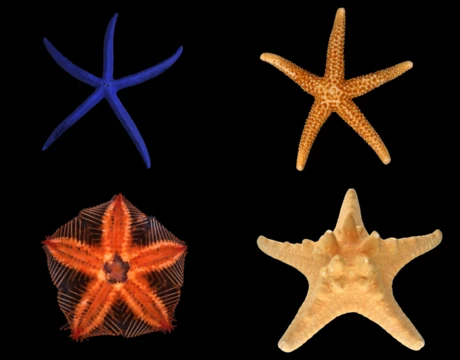
Culcita (echinoderm)
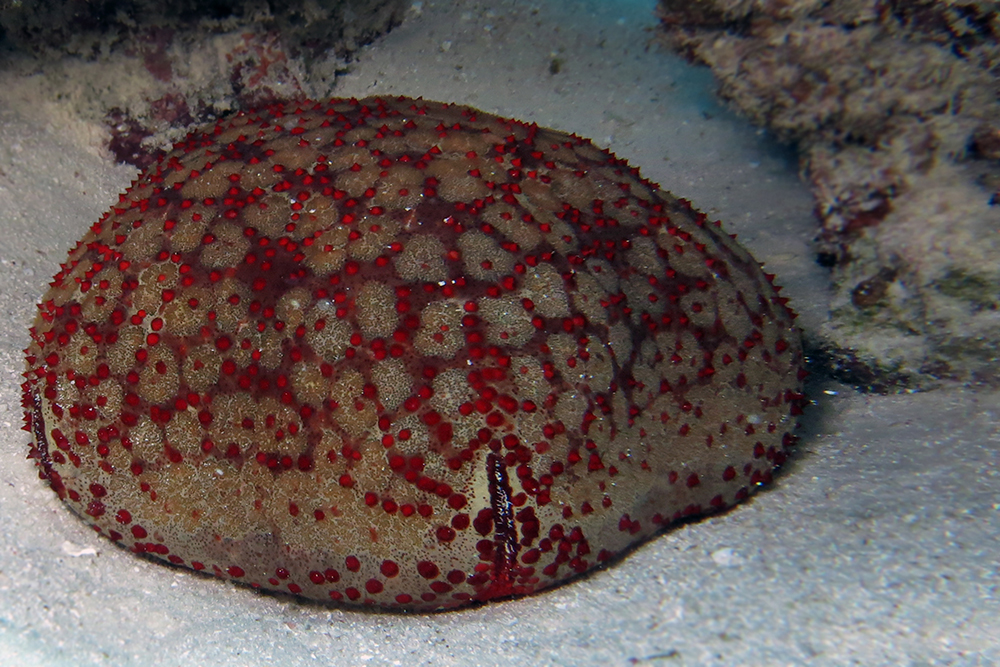
Plump, pillow-shaped sea stars of tropical Indo-Pacific reefs.

Nhobgood Nick Hobgood · CC BY-SA 3.0
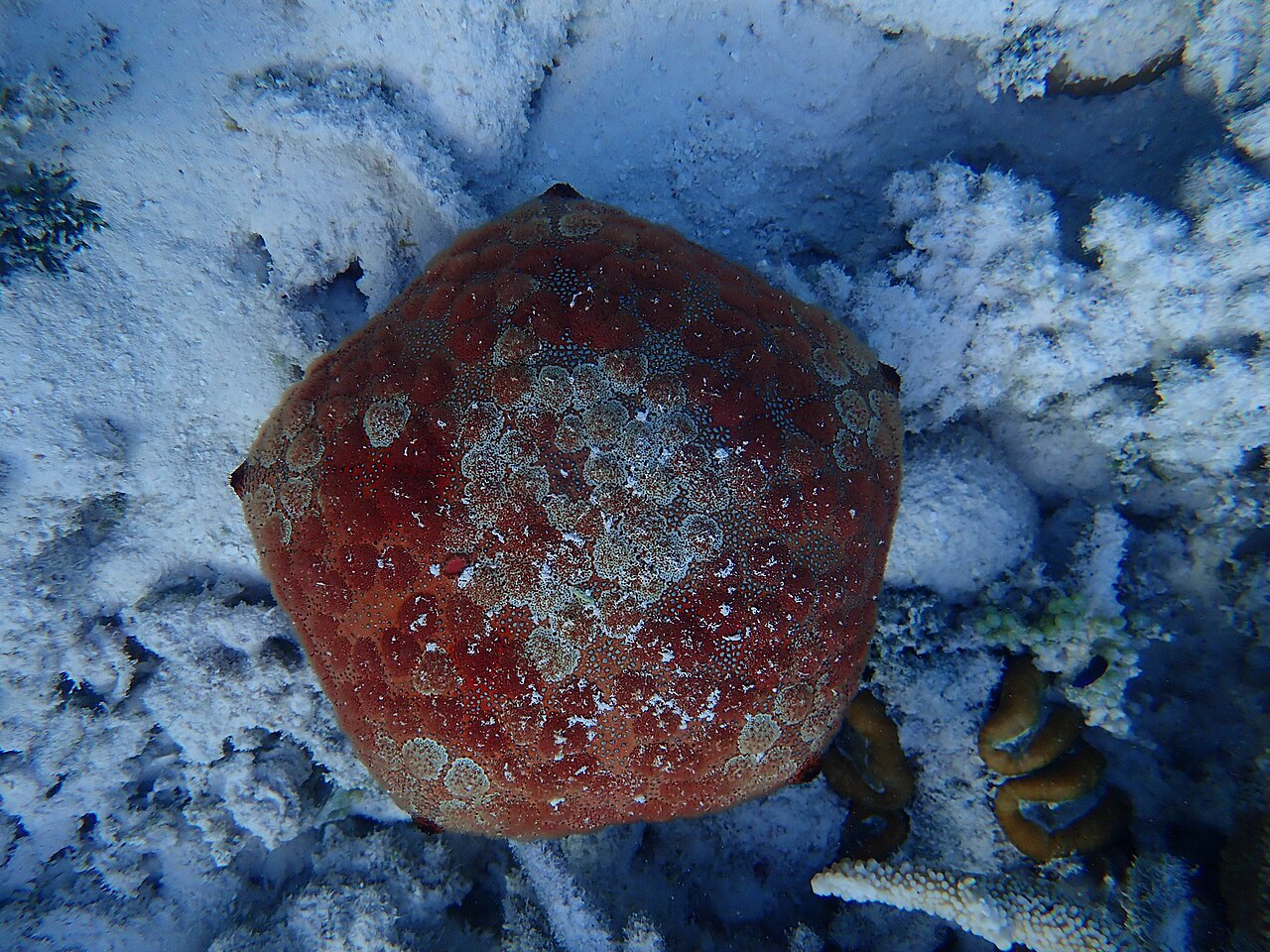
Culcita is a genus of sea stars found in tropical waters. They are notable for their plump, pillow-shaped, more or less pentagonal bodies, with five arms reduced to obtuse angles, sometimes rounded or truncated. Some species are kept in home aquariums.
Quick Facts
- Taxon
- Culcita (echinoderm)
Facts from the source article.
Lore & Background
Culcita sea stars are described as very particular stars, plump and pillow-shaped, more or less pentagonal. Their five arms have waned to only obtuse angles, and sometimes are rounded off or truncated. They can measure up to 30 cm in diameter and are typical of Indo-Pacific coral reefs, where they feed on benthic invertebrates and coral.
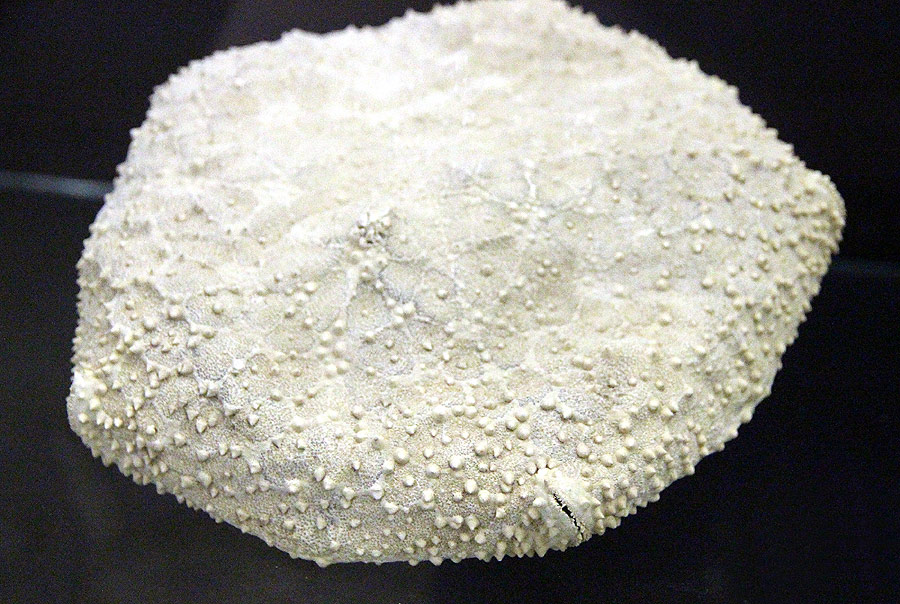
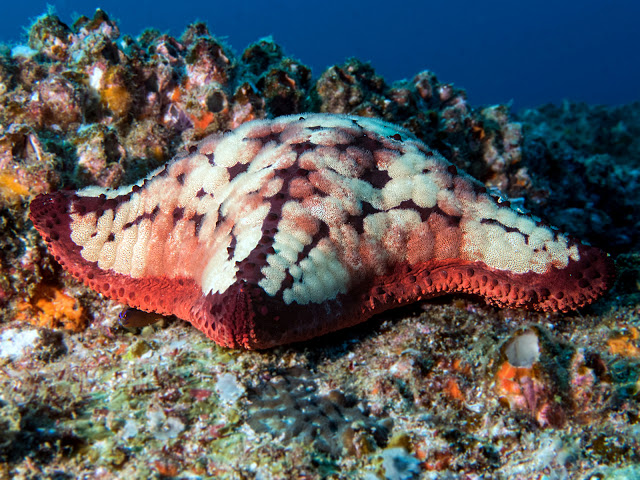
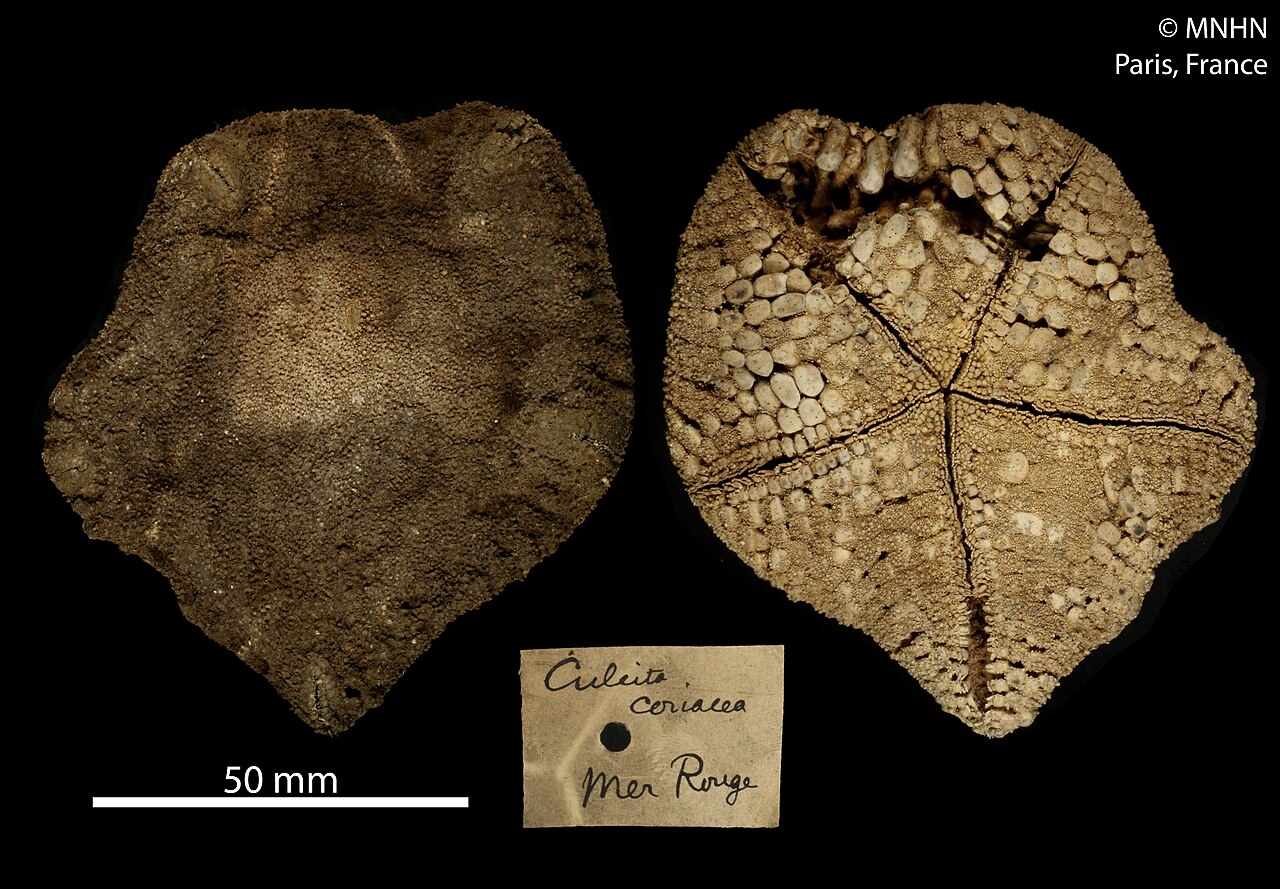
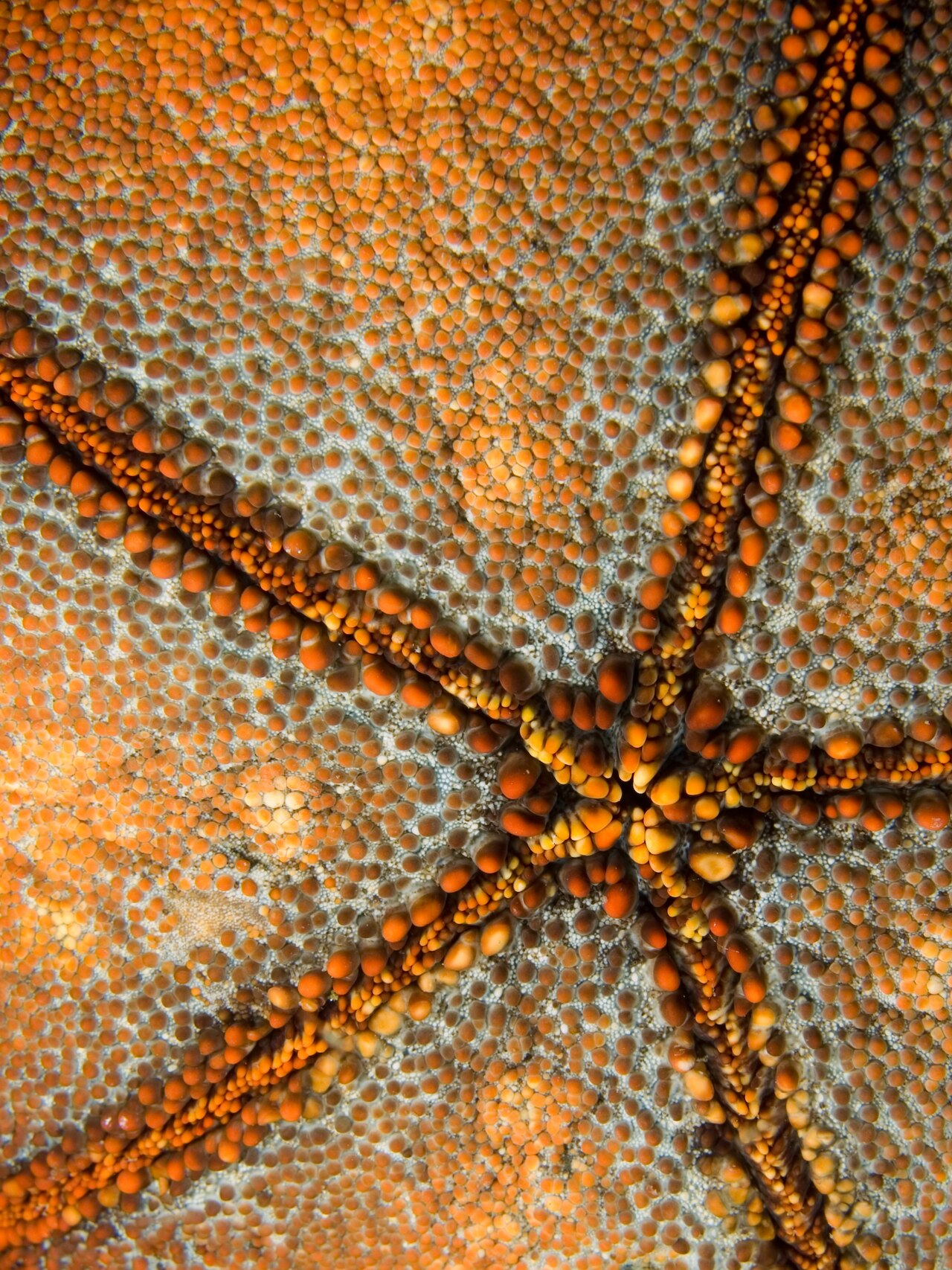
Two species, Culcita novaeguineae and Culcita schmideliana, are extremely similar and almost impossible to differentiate by sight, except that C. schmideliana has larger tubercles normally absent from papular areas, though both species can also be naked. They are distinguished mostly by their area of distribution: C. schmideliana lives in the Indian Ocean (from Africa to the Maldives), and C. novaeguineae in Oceania and the Pacific Ocean. The third species, C. coriacea, lives in the Red Sea and around Arabia and is slightly different in appearance.
Juveniles are flat and pentagonal and can look like 'biscuit sea stars' from the family Goniasteridae, such as Peltaster spp. This genus is not to be confused with similar cushion-shaped species such as Halityle regularis.
Reader's Guide
The genus Culcita holds significance as a distinctive group of cushion-shaped sea stars in tropical Indo-Pacific waters. Its three species—Culcita coriacea, Culcita novaeguineae, and Culcita schmideliana—are defined by their plump, pentagonal bodies and reduced arms. The article notes that C. novaeguineae and C. schmideliana are extremely similar and almost impossible to differentiate by sight, relying on distribution ranges and subtle tubercle differences for identification. This ambiguity underscores the challenges in taxonomic classification within the genus. Culcita coriacea is slightly different in appearance and restricted to the Red Sea and Arabian region. The genus is also notable for its juvenile form, which is flat and pentagonal, resembling biscuit sea stars of the family Goniasteridae. Some species are kept in home aquariums, indicating their appeal to marine enthusiasts. The article warns against confusing Culcita with similar cushion-shaped species like Halityle regularis, highlighting the need for careful observation. Overall, Culcita represents a morphologically unique and ecologically important component of coral reef ecosystems, feeding on benthic invertebrates and coral.
Did You Know?
- Culcita sea stars are plump and pillow-shaped, with five arms reduced to obtuse angles.
- Two species, Culcita novaeguineae and Culcita schmideliana, are almost impossible to differentiate by sight.
- Culcita schmideliana lives in the Indian Ocean from Africa to the Maldives, while C. novaeguineae is found in Oceania and the Pacific Ocean.
- Juvenile Culcita are flat and pentagonal, resembling biscuit sea stars from the family Goniasteridae.
Morphology & Physical Form
Culcita sea stars are among the most visually distinctive echinoderm genera, characterized by their plump, pillow-like bodies that give them a soft, almost cushioned appearance. Rather than the long, tapering arms typical of many starfish, Culcita species have arms that have essentially waned into mere obtuse angles—sometimes rounded off or even truncated—giving the whole animal a pentagonal silhouette. Individuals can grow to roughly 30 centimeters in diameter, making them a substantial presence on the reef. Interestingly, their juvenile form looks quite different: flat and pentagonal, they can easily be mistaken for "biscuit sea stars" from the family Goniasteridae, such as Peltaster species. This developmental shift from a flat, angular juvenile to a rounded, three-dimensional adult is a notable aspect of their life history. The genus should not be confused with other cushion-shaped sea stars like Halityle regularis, which share a similar overall shape but belong to a different lineage entirely.
Species & Taxonomic Challenges
The genus Culcita comprises exactly three recognized species, yet distinguishing between two of them presents a genuine taxonomic puzzle. Culcita novaeguineae and Culcita schmideliana are so visually similar that they are nearly impossible to tell apart by sight alone. The primary morphological difference lies in the size of their tubercles: C. schmideliana tends to bear larger tubercles, which are typically absent from papular areas, though both species can occasionally appear completely naked. Because of this near-identical appearance, marine biologists rely heavily on geographic distribution to separate the two in practice. C. schmideliana inhabits the Indian Ocean, ranging from the African coast to the Maldives, while C. novaeguineae is found across Oceania and the broader Pacific. The third species, C. coriacea, described by Müller and Troschel in 1842, occupies the Red Sea and waters around Arabia and is noted as being slightly different in overall appearance from its two relatives.
Habitat & Geographic Range
Culcita sea stars are creatures of warm, tropical waters, and their distribution spans a remarkable breadth of the Indo-Pacific region. The genus is most at home on coral reefs, where the three species occupy distinct oceanic zones. C. schmideliana ranges across the Indian Ocean from the coast of Africa eastward to the Maldives. C. novaeguineae holds the Indonesian region and extends into the wider Pacific Ocean. C. coriacea is confined to the Red Sea and the surrounding waters of the Arabian Peninsula. This geographic partitioning is not merely a matter of convenience; for two of the three species, it is the primary means by which scientists can reliably separate them in the field. All three species share a preference for the structured, biodiverse environments of tropical reefs, where they find both shelter and the benthic invertebrates and coral tissue that form their diet.
Ecology & Human Interaction
On the reef, Culcita sea stars are active predators of benthic invertebrates and coral, placing them as significant consumers within the coral-reef food web. Their plump, low-profile body shape is well suited to navigating the complex three-dimensional architecture of Indo-Pacific coral reefs, where they forage among the substrate and living coral colonies. Beyond their natural habitat, Culcita species have found a secondary life in the hobbyist world: some individuals are kept in home aquariums, where their unusual pillow-shaped form and relatively manageable size of up to 30 centimeters make them a point of interest for reef-keeping enthusiasts. However, their dietary requirements—benthic invertebrates and coral—present challenges for aquarists seeking to maintain them long-term. The fact that these animals are both ecologically important reef predators and popular aquarium subjects underscores the dual relationship between humans and tropical marine life, where appreciation and conservation must walk hand in hand.
Gallery
More in Starfish 1-24
Spotted an error? Know more?
Reader corrections go straight into our review queue. Suggest an edit · How this site is sourced