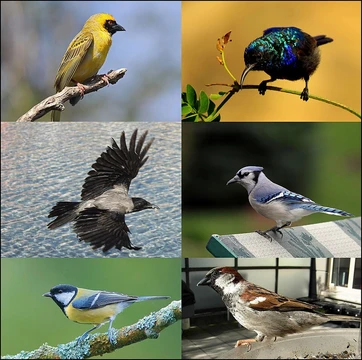
Warbler
Small, vocal, insectivorous perching birds of varied lineages.

Paul Danese · CC BY-SA 4.0
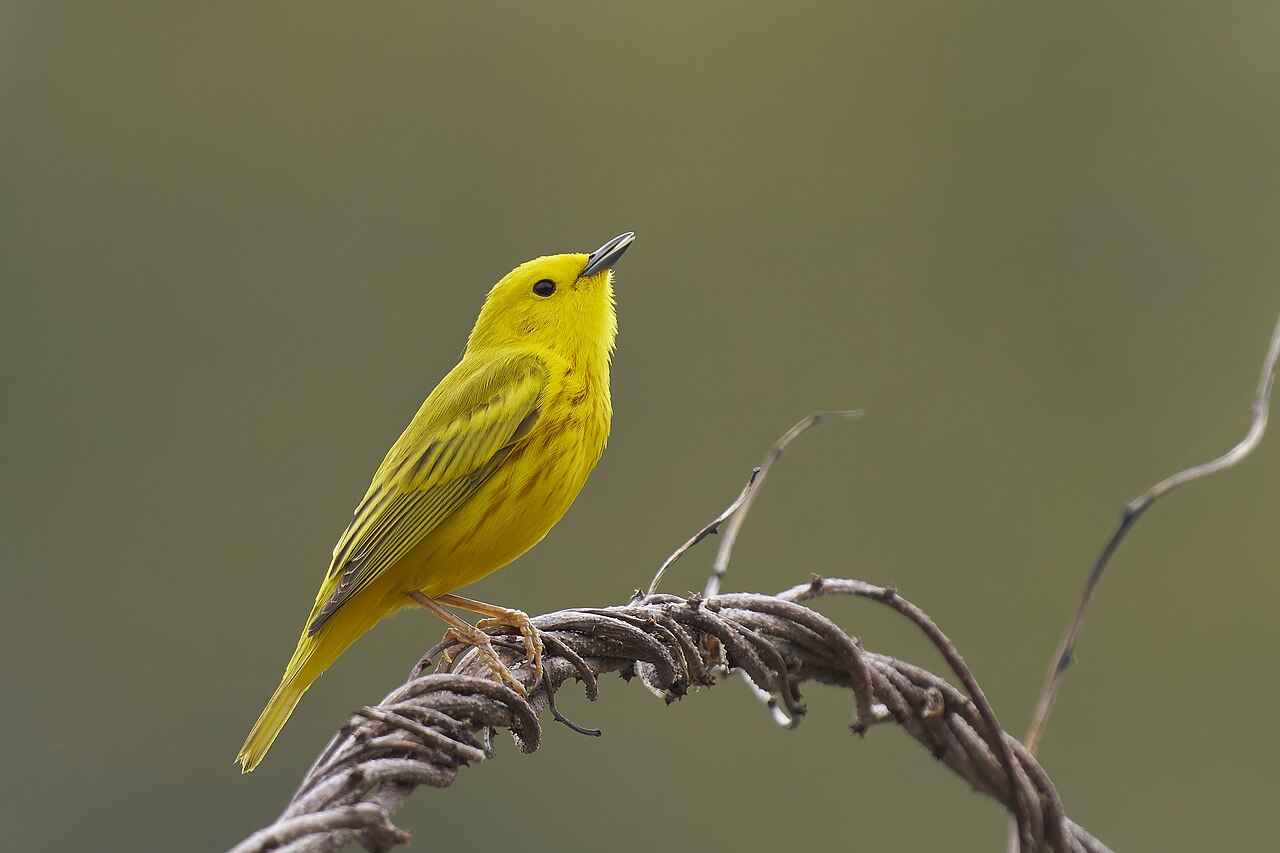
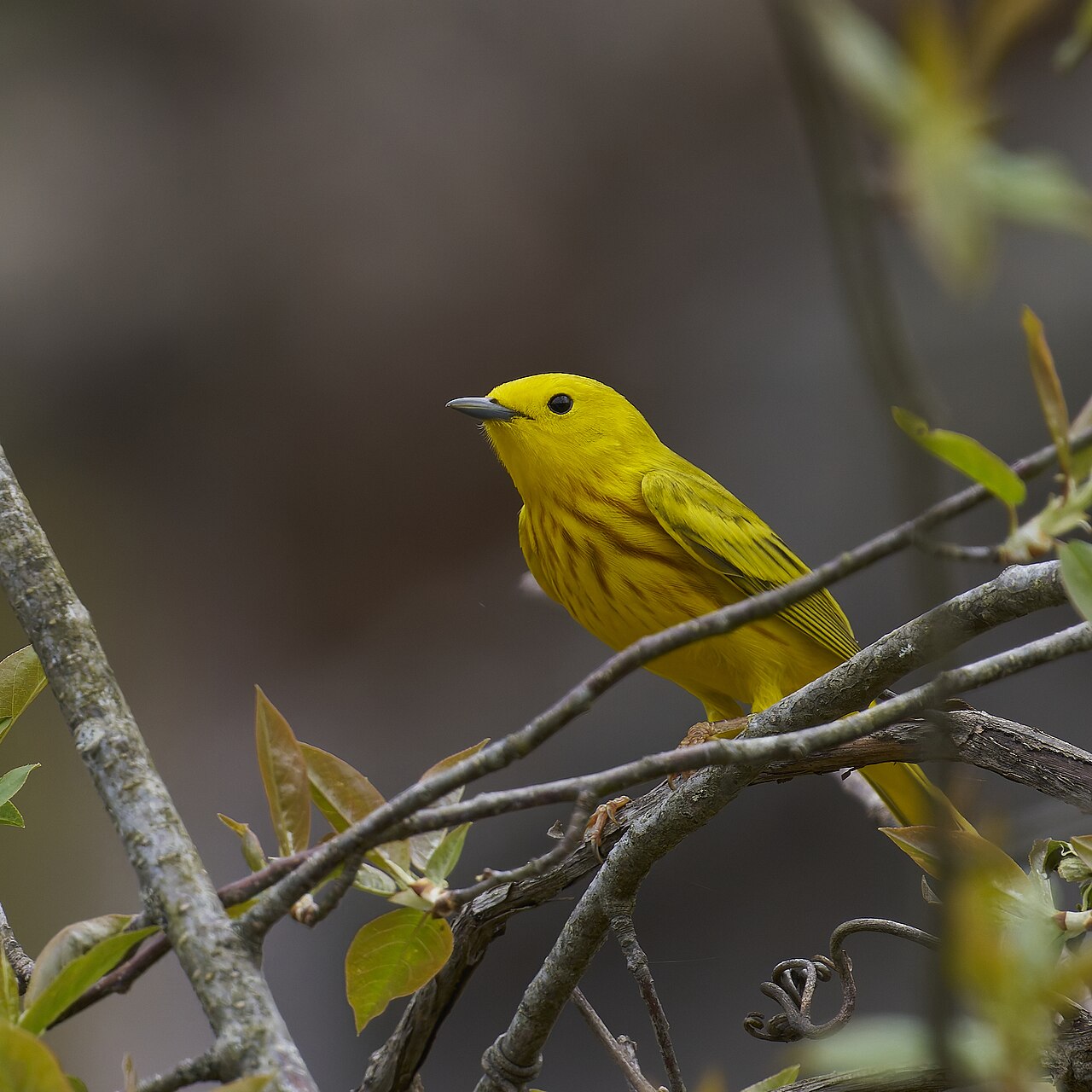
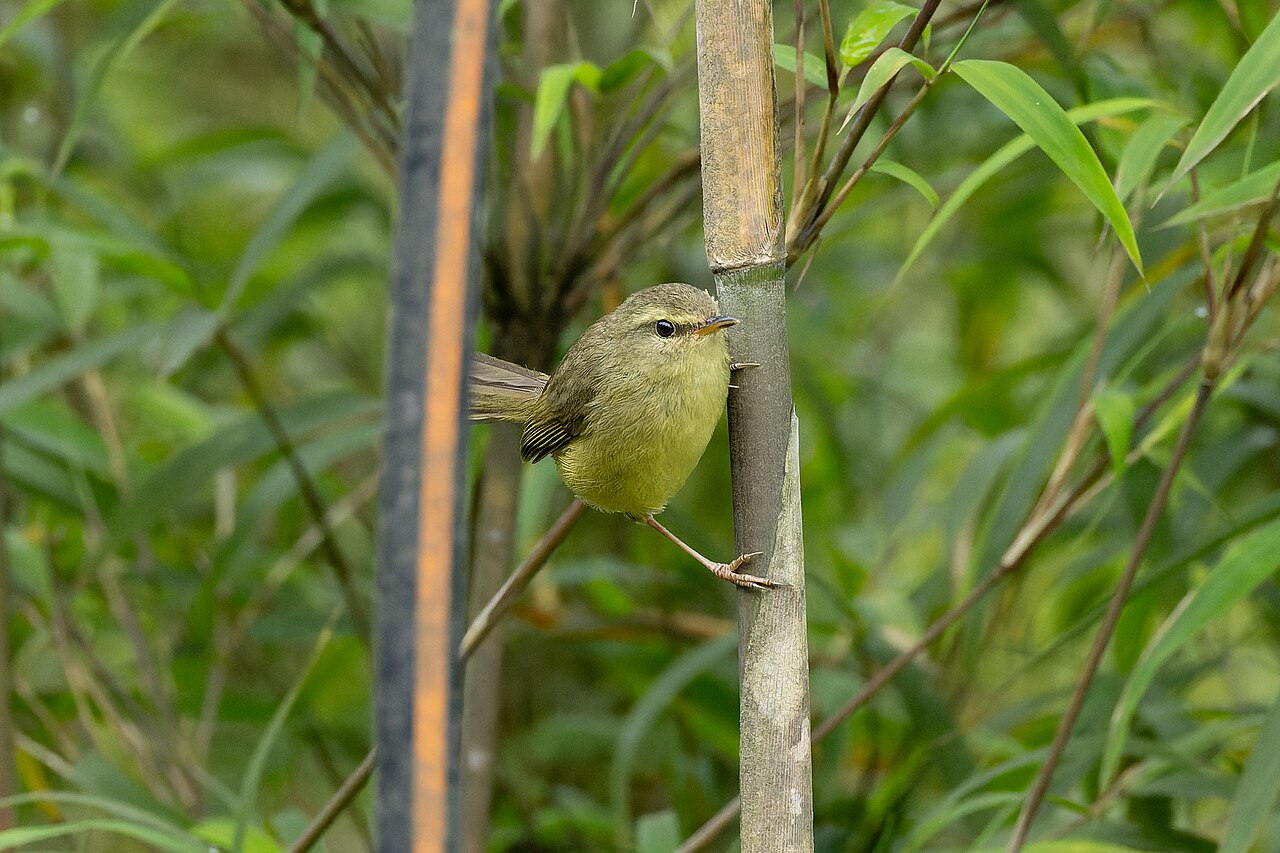
The name "warbler" is used for many different kinds of small, insect-eating, songful perching birds in the order Passeriformes. These birds are not all closely related, but they do share these general traits. Warblers can be sorted into several groups based on how they are related.
One major group is the sylvioid warblers. These are more closely related to each other than to other warblers, and they belong to a superfamily that also includes Old World babblers and bulbuls. This group includes birds once all placed in the family Sylviidae, such as leaf warblers (now Phylloscopidae), bush warblers (Cettiidae), grass and megalurid warblers (Locustellidae), marsh and tree warblers (Acrocephalidae), sylviid or typical warblers (still Sylviidae), cisticolid warblers (Cisticolidae), and Malagasy warblers (Bernieridae).
Another group is the passeroid warblers. The two families of American warblers belong to a different superfamily, which also includes New World sparrows, buntings, and finches. This group contains the olive warbler (the sole member of the family Peucedramidae) and the remaining New World warblers (Parulidae).
There are also other warblers. Tit-warblers, or flycatcher-tits, are in the family Stenostiridae and are closely related to tits and chickadees. The Australasian warblers (Acanthizidae) are the most distinct group; they are not closely related to other warblers at all, but instead to honeyeaters and fairy-wrens.
- Classification
- Passeriformes (perching birds)
- Common traits
- small, vocal, insectivorous
- Major groups
- sylvioid warblers, passeroid warblers, others
- Notable families
- Sylviidae, Parulidae, Acanthizidae, etc.
- Distribution
- Old World and New World, Australasia
Lore & Background
Other warblers include tit-warblers or flycatcher-tits (family Stenostiridae), closely related to tits and chickadees, and Australasian warblers (family Acanthizidae), the most distinct group, not closely related to others but rather to honeyeaters and fairy-wrens.
Reader's Guide
Warblers represent a polyphyletic assemblage of small, vocal, insectivorous passerine birds, grouped by common name rather than strict evolutionary relationship. Their significance lies in illustrating how common names can obscure true biological diversity and evolutionary history. The reclassification of Old World warblers into multiple families (e.g., Phylloscopidae, Cettiidae, Locustellidae) and the separation of New World warblers into Peucedramidae and Parulidae highlight ongoing taxonomic refinement. The distinct Australasian warblers (Acanthizidae) show that some groups are only distantly related to other warblers, being closer to honeyeaters and fairy-wrens. This entry underscores the importance of molecular and morphological studies in clarifying avian phylogeny, while the term 'warbler' remains a useful but informal descriptor for these birds across continents.
Did You Know?
- Warblers are not necessarily closely related to one another, but share being fairly small, vocal, and insectivorous.
- Sylvioid warblers belong to a superfamily also containing Old World babblers and bulbuls.
- The olive warbler is in the monotypic family Peucedramidae, separate from other New World warblers.
- Australasian warblers are the most distinct group, related to honeyeaters and fairy-wrens rather than other warblers.
A Name Without a Family
The term "warbler" is one of ornithology's most misleading labels. Unlike a true family or genus, it is a common-name umbrella that gathers together a wide assortment of perching birds (order Passeriformes) from across the globe. These birds do not form a single evolutionary clade; many of the species we call warblers are only distantly related, if at all. What ties them together is a handful of shared surface traits: they tend to be fairly small in stature, they are notably vocal and song-filled, and their diets lean heavily toward insects. Beyond these generalities, the group spans an enormous range of evolutionary history and geographic origin. A bird in a European hedgerow and a bird in an Australian scrub may both be called a warbler, yet their closest relatives could be sparrows, honeyeaters, or chickadees. The name, in other words, describes a lifestyle and a look more than a bloodline, making "warbler" a convenient field label rather than a rigorous taxonomic statement.
The Old World Taxonomic Shuffle
For decades, every "Old World warbler" was lumped into a single family, Sylviidae. Modern phylogenetic work has shattered that convenience. The Sylvioid warblers, while somewhat more closely interrelated than warblers in other lineages, now spread across at least seven distinct families within a superfamily that also embraces Old World babblers and bulbuls. Leaf warblers have been carved out into Phylloscopidae; bush warblers now sit in Cettiidae; grass warblers and megalurid warblers share Locustellidae; marsh and tree warblers form Acrocephalidae; cisticolid warblers occupy Cisticolidae; and the Malagasy warblers have their own family, Bernieridae. Only the so-called sylviid or "typical" warblers remain in the original Sylviidae. This reorganization underscores how much our understanding of these small, insect-eating songbirds has shifted: what once appeared to be one big family is now revealed as a mosaic of separate lineages that converged on similar body plans and vocal behaviors.
American Lineages and Their Neighbors
The warblers of the Americas belong to an entirely different superfamily from their Old World counterparts. Here, the two families of American warblers are united not with each other alone but with a broader assemblage that includes New World sparrows, buntings, and finches. The oldest split within this group is the olive warbler, which stands alone in the monotypic family Peucedramidae—a family containing just that single species. The remaining New World warblers continue to be classified under the family Parulidae, which retains the bulk of the American warbler diversity. This placement tells us something important about evolutionary history: the American warblers are, in a deep sense, cousins to the sparrows and finches they share habitats with, rather than close kin to the Old World warblers that inspired the common name. The superfamily connection to sparrows, buntings, and finches suggests a shared ancestral lineage that predates the divergence of these familiar songbird groups, making the "warbler" label in the New World an even looser fit than in the Old World.
The Outsiders: Australasia and the Tit-Warblers
Two groups of birds carry the warbler name despite having almost no close relationship to any other member of the informal assemblage. The tit-warblers, also called flycatcher-tits and placed in the family Stenostiridae, are actually more closely allied with tits and chickadees than with any true warbler. They earned the warbler label through superficial resemblance rather than shared ancestry. Even more striking are the Australasian warblers of the family Acanthizidae. These birds are described as the most distinct group among all warblers: they are not closely related at all to any of the other warbler lineages. Instead, their nearest relatives are honeyeaters and fairy-wrens, groups that occupy a very different ecological and evolutionary niche. The inclusion of Acanthizidae under the "warbler" umbrella is therefore purely a matter of common-name tradition. Together, these two outlier families illustrate the limits of the term: a bird can look and sound like a warbler, yet its deepest genetic ties may lead to entirely unrelated families of songbirds.
Gallery
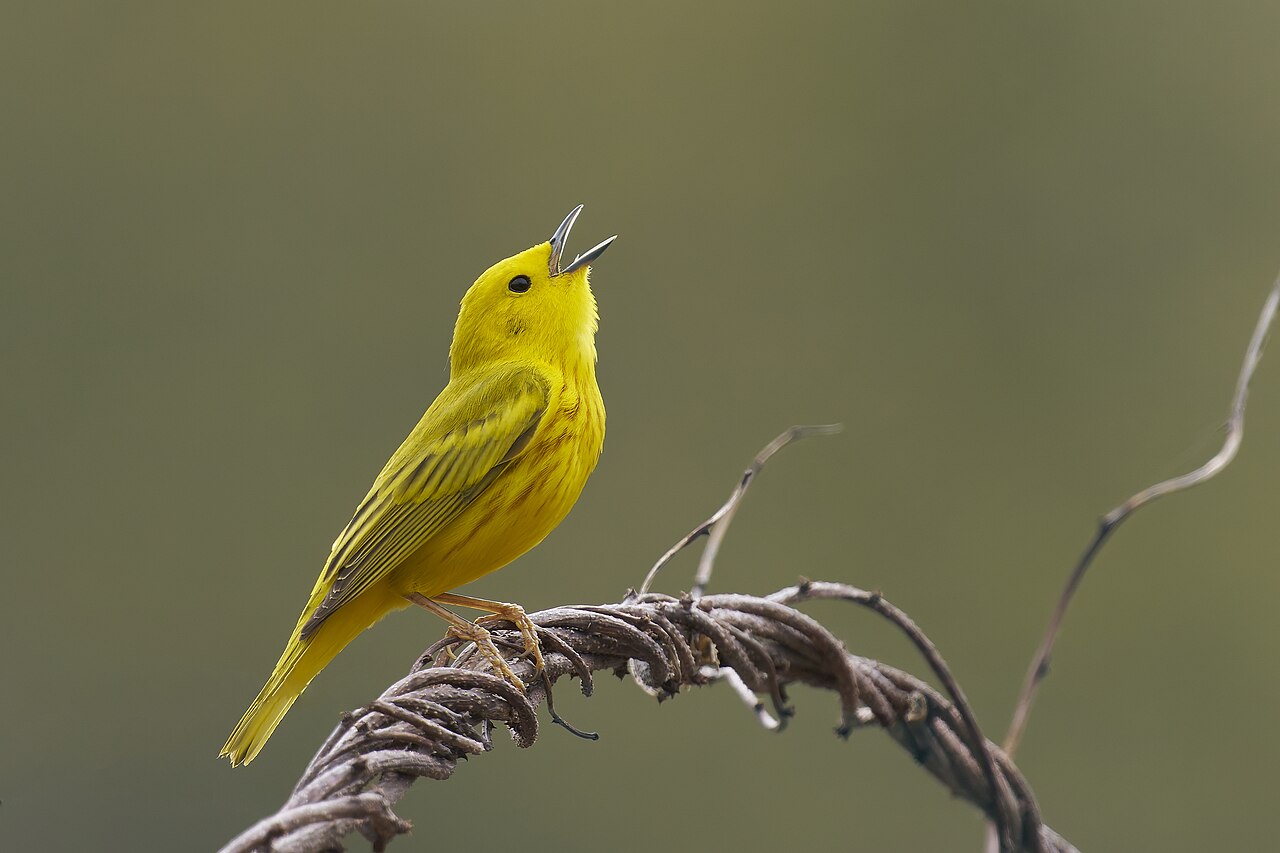
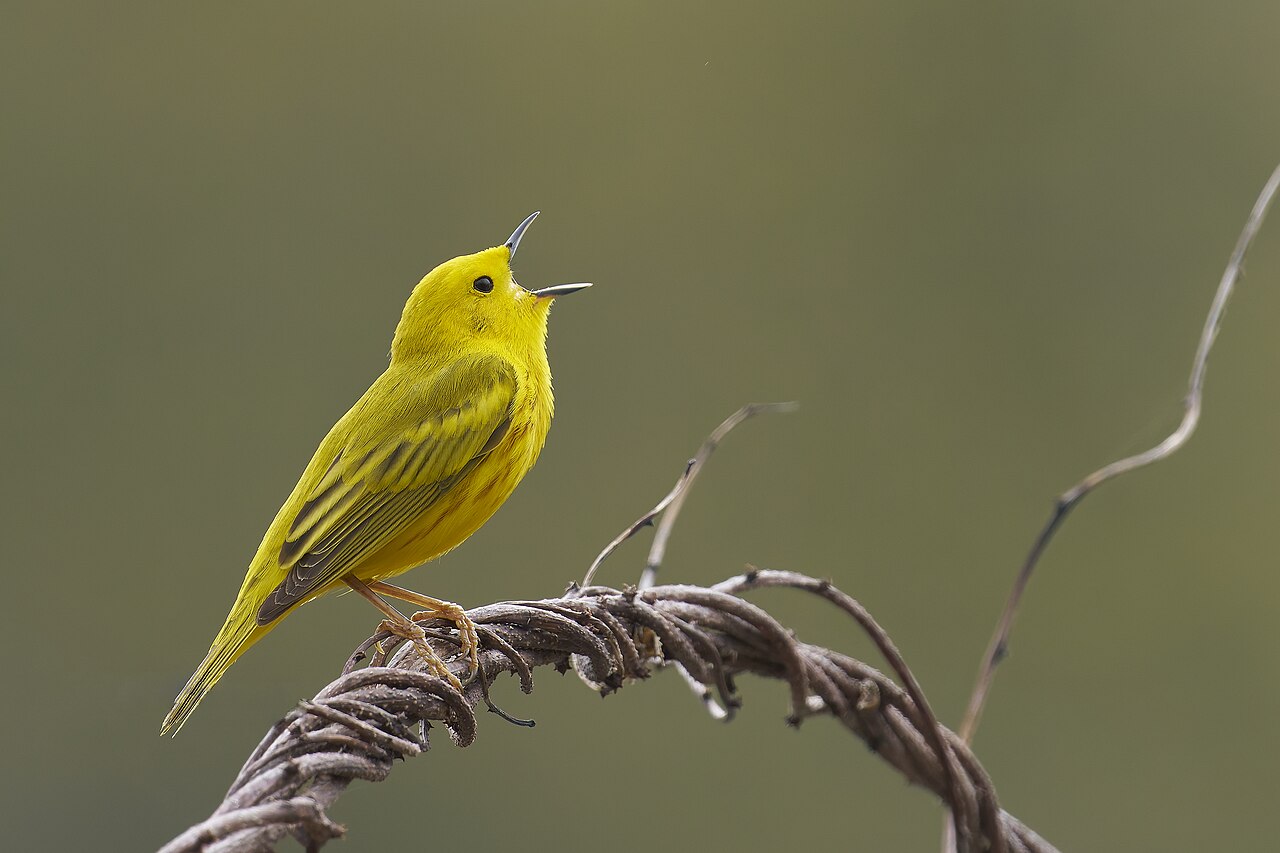
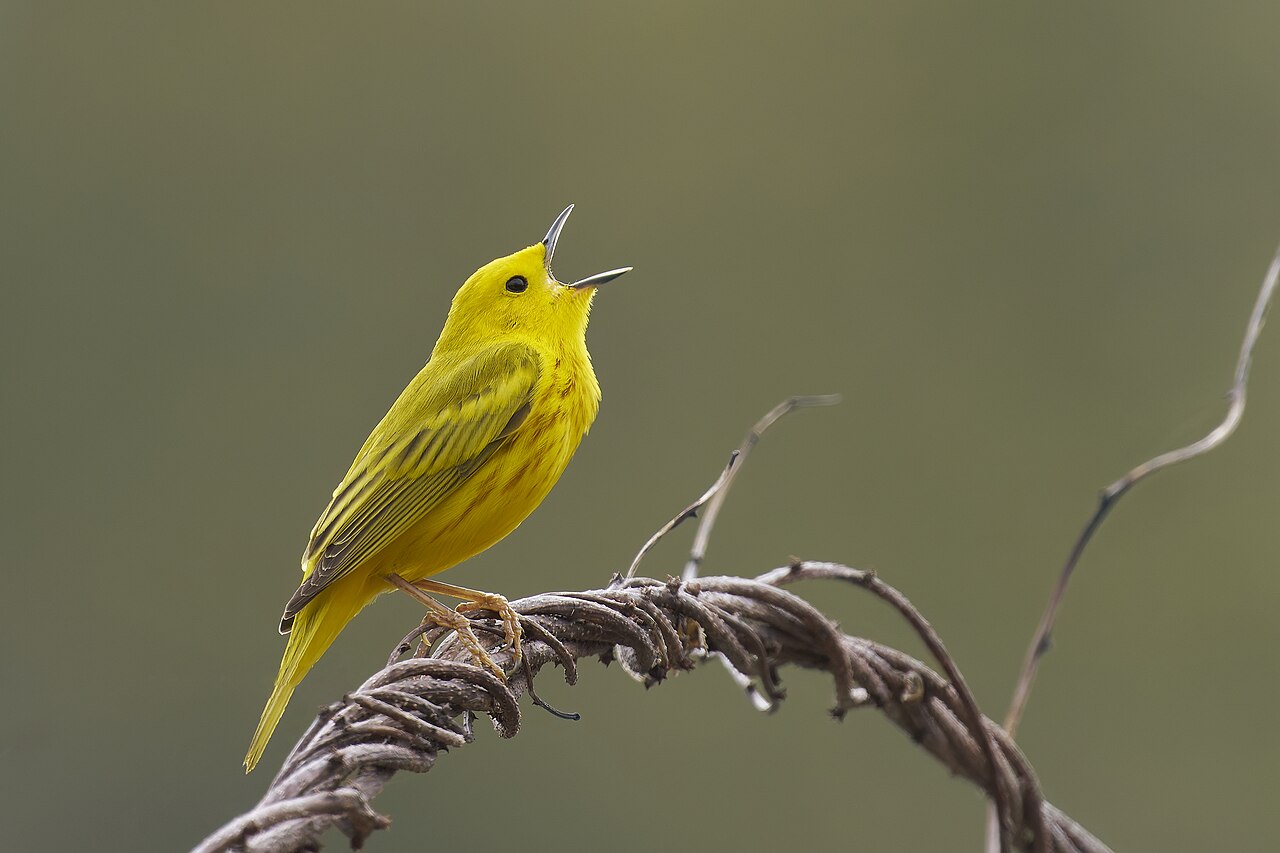
Frequently Asked Questions
Who is Warbler?
Warbler is the informal label fans use for a wide assortment of tiny, chatty, bug-hunting perching birds scattered throughout the order Passeriformes. They are not a single species or even a single family, but a catch-all for birds that share a similar lifestyle and song style across multiple unrelated lineages.
What are Warbler's signature abilities?
Warblers are celebrated for their elaborate, melodious songs and their nimble, acrobatic foraging style—flipping leaves, gleaning from bark, and snatching insects from the air. Their small bodies and sharp beaks are perfectly tuned for an insectivorous diet.
Who are Warbler's closest allies?
The sylvioid warblers form the tightest-knit faction, sharing a superfamily with Old World babblers and bulbuls. Other branches, such as the Parulidae of the Americas or the Acanthizidae of Australasia, are more distant relatives who simply converged on a similar ecological niche.
Where does Warbler roam?
Warblers hold territory on every major landmass with temperate or tropical forests, spanning the Old World, the New World, and Australasia. Many species undertake long-distance migrations between breeding and wintering grounds each year.
Why do fans keep talking about Warbler?
Warblers occupy a key ecological niche as small-scale insect controllers in forest canopies and understories, keeping pest populations in check. Their complex songs also make them a perennial favorite subject for birders, ornithologists, and nature enthusiasts worldwide.
More in Passeriformes 1-20
Spotted an error? Know more?
Reader corrections go straight into our review queue. Suggest an edit · How this site is sourced