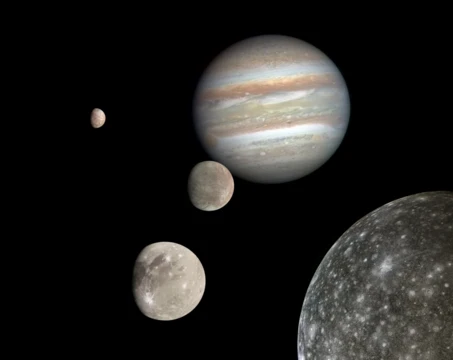
Enkidu (crater)
A bright ray crater with a central dome on Ganymede.

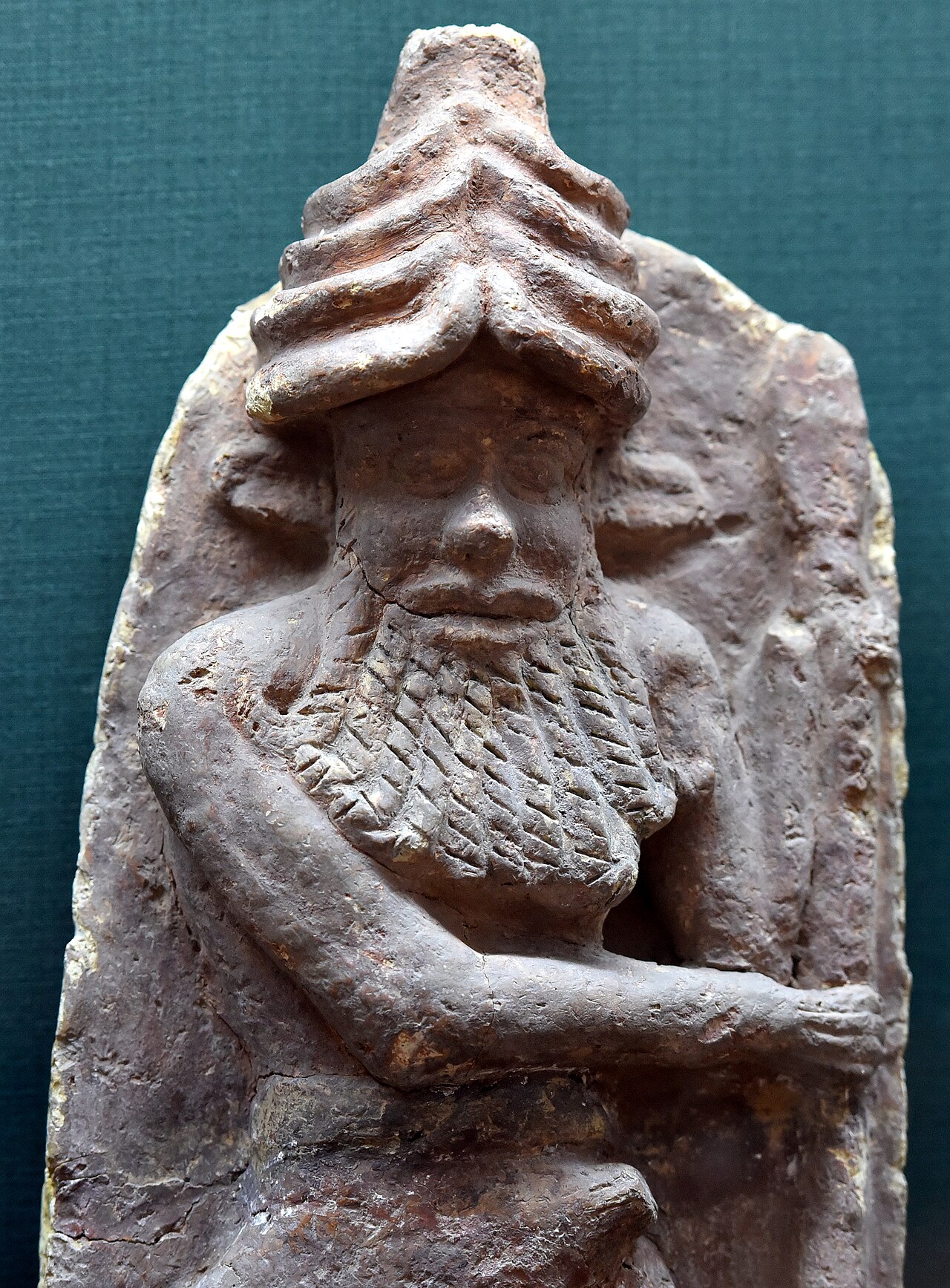
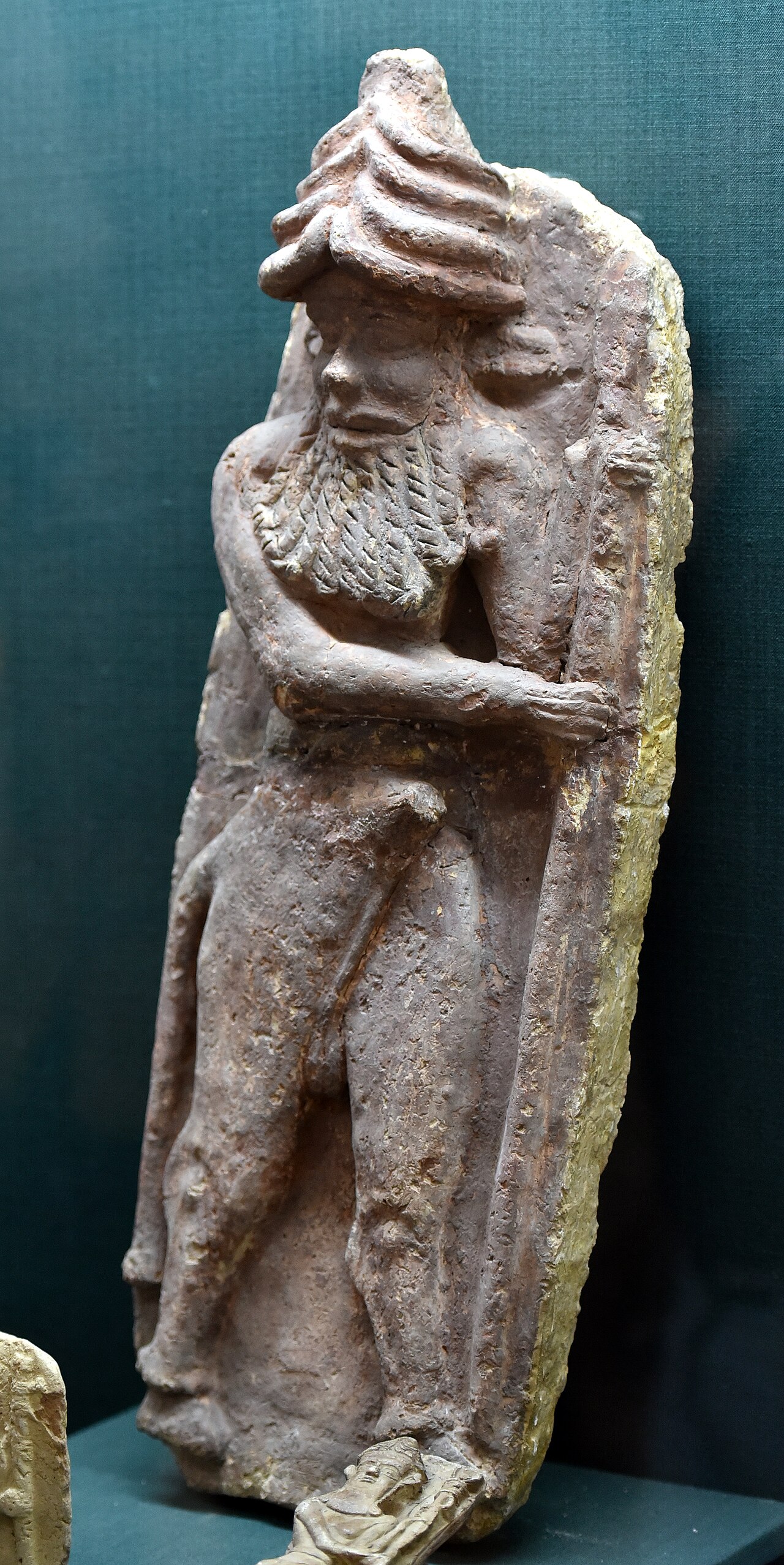
Osama Shukir Muhammed Amin FRCP(Glasg) · CC BY-SA 4.0
Enkidu is a bright, prominent crater on Ganymede, Jupiter’s largest moon, distinguished by a central dome and a ray system that is only clearly visible to the southeast. The crater measures 122 kilometers (76 miles) across.
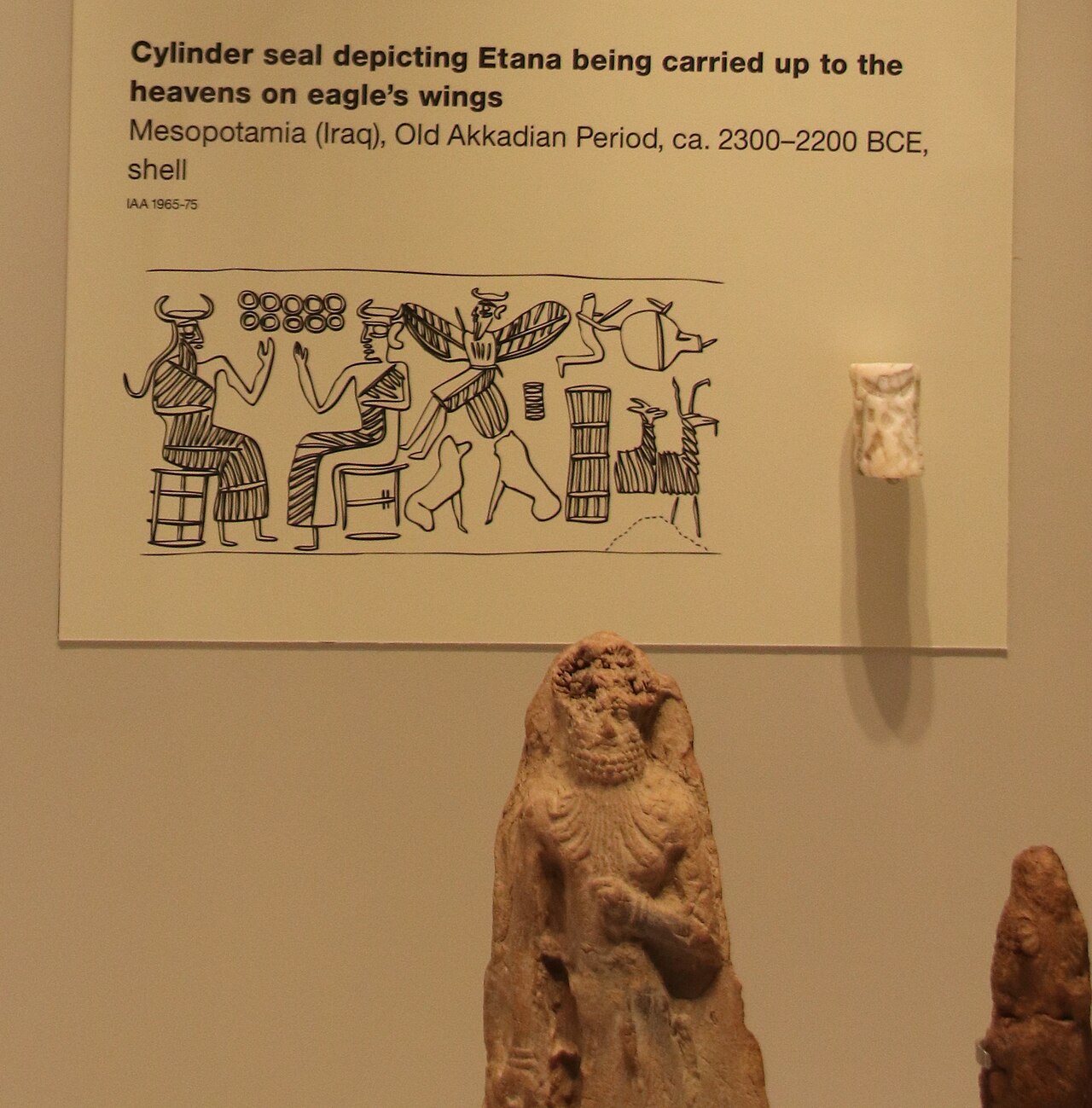
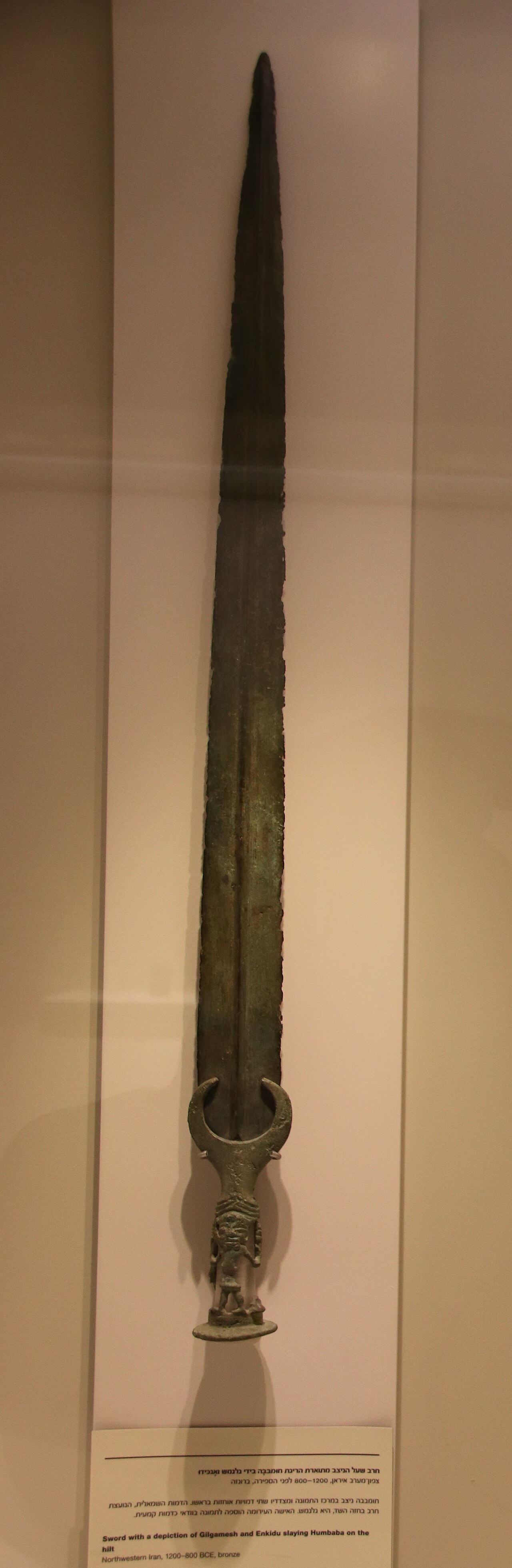
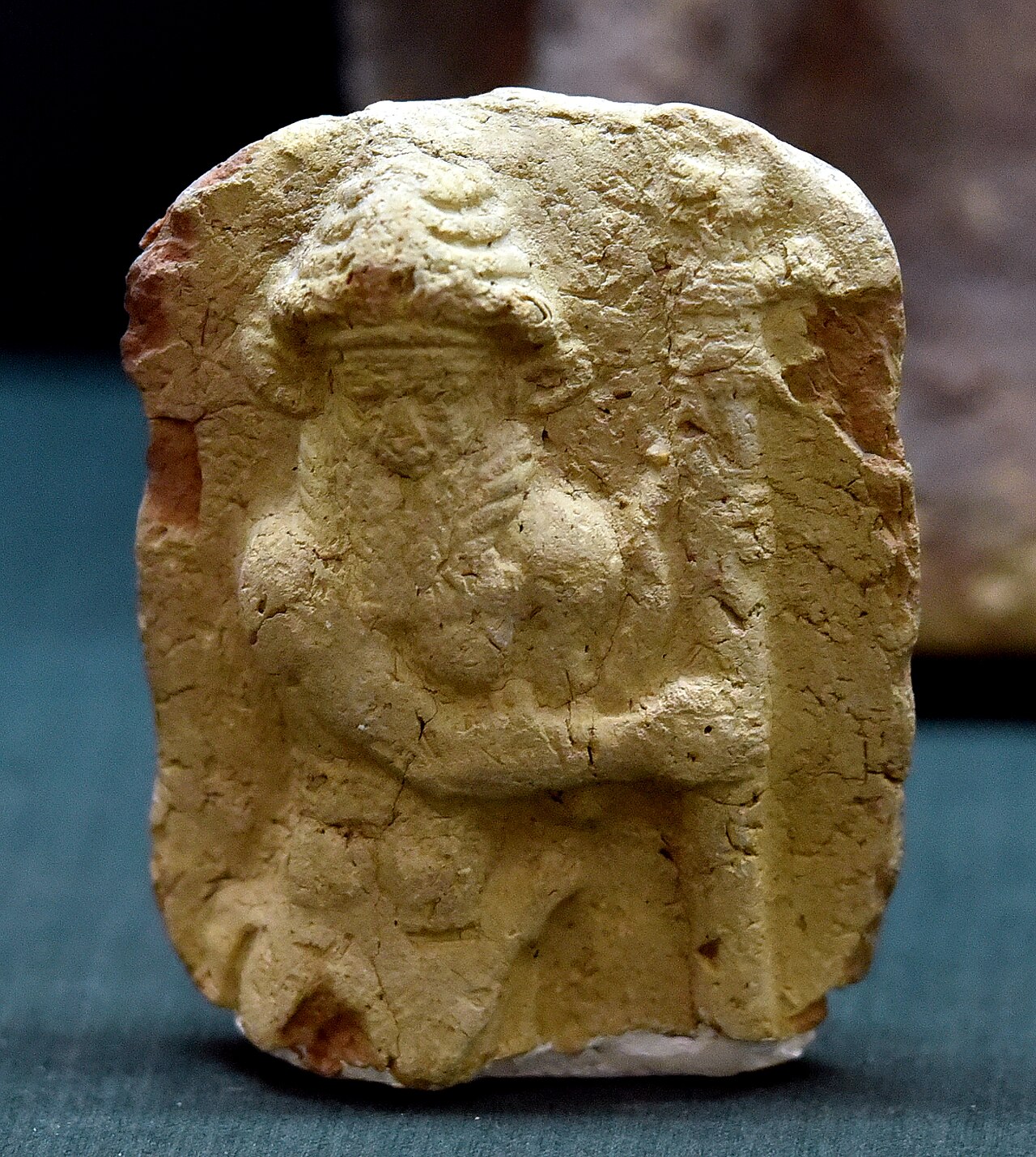
**Naming** The crater is named for Enkidu, a character from the ancient Mesopotamian *Epic of Gilgamesh*. In the story, Enkidu is a wild man who becomes a close friend of Gilgamesh after a fierce wrestling match ends in a draw. The pair embark on many adventures until the gods decree Enkidu’s death, which drives Gilgamesh to seek immortality. The International Astronomical Union (IAU) approved the name in 1982, following the convention that craters on Ganymede are named after deities, heroes, and places from Middle Eastern mythology, including those from the *Epic of Gilgamesh*.
**Location** Enkidu lies in the southeast corner of Nicholson Regio, an extensive, dark, ancient region on Ganymede. It sits almost exactly on the boundary between Nicholson Regio and the bright groove terrain of Borsippa Sulcus to the south. To the northeast are the surface depression Hammamat Patera and the bright region Harpagia Sulcus. To the west is the large crater Khumbam, and to the southwest lies the crater Seker. Enkidu is located within the Namtar quadrangle (designated Jg14) of Ganymede. Because Ganymede rotates synchronously with Jupiter, Enkidu is on the hemisphere that always faces the planet, meaning an observer there would always see Jupiter in the sky.
**Age** Enkidu is a fresh ray crater. Its rays are very bright because the crater is relatively young, and space weathering has not yet had time to erase them. It is the youngest surface feature in Nicholson Regio and is thought to have formed shortly after the nearby bright terrains, such as Borsippa Sulcus. This relationship gives an age range: from 3.79 to 3.72 billion years (based on a lunar-derived model) to 0.99 to 1.37 billion years (based on a Jupiter-comet model). The presence of young ray craters like Enkidu also serves as a stratigraphic marker for when bright terrain formation on Ganymede stopped.
**Morphology** The impact that created Enkidu excavated large amounts of bright, icy material from beneath the surface, flinging it outward to form a bright ray system. Both the crater interior and its rays appear very bright and fresh.
Quick Facts
- Diameter
- 122 km
- Eponym
- Enkidu
Facts from the source article.
Lore & Background
Enkidu is a fresh ray crater located in the southeast corner of Nicholson Regio, a dark, ancient region on Ganymede. It sits almost exactly at the boundary between Nicholson Regio and the bright groove terrain Borsippa Sulcus to the south. To its northeast are Hammamat Patera and Harpagia Sulcus, while to the west lies the large crater Khumbam and to the southwest the crater Seker. Enkidu is within the hemisphere of Ganymede that always faces Jupiter due to the moon's synchronous rotation, so an observer at Enkidu would always see Jupiter in the sky.
The crater is named after Enkidu, a wild man from the ancient Mesopotamian Epic of Gilgamesh who became friends with Gilgamesh after a wrestling match. The name was approved in 1982 by the IAU, following the convention that craters on Ganymede are named after deities, heroes, and places from Middle Eastern mythology.
Enkidu is an intermediate-sized dome crater with an outer rim 122 kilometres wide. Its bright rays are clearly visible only toward the southeast, while rays extending into the dark Nicholson Regio are very dark and difficult to see. The central dome formed when impact-generated meltwater refroze, causing expansion that pushed up the crater's center. Such domes typically form only in craters wider than 60 kilometres.
Reader's Guide
Enkidu is significant as the youngest surface feature in the Nicholson Regio area, believed to have formed shortly after the formation of nearby bright terrains like Borsippa Sulcus. Its age, ranging from 3.79 to 3.72 billion years (lunar-derived model) to 0.99 to 1.37 billion years (Jupiter-comet model), provides constraints on when bright terrain formation on Ganymede stopped. The crater's discontinuous ray system suggests that the impact failed to penetrate the icy subsurface of Nicholson Regio, though assuming an excavation depth of 7.8 kilometres, it would have fully penetrated that subsurface. Many craters within a 600-kilometre radius are believed to have formed from secondary cratering from Enkidu. Spectral analyses strongly suggest that the bright materials within the crater and its rays are composed of pure, fresh water ice. As of 2026, the only spacecraft to image Enkidu was Voyager 1 in March 1979; the Galileo probe imaged areas north and east of it in April 2000 but not the crater itself. The European Space Agency's Juice mission, scheduled to arrive at Jupiter in July 2031 and enter low orbit around Ganymede in 2034, is expected to photograph Enkidu in great detail.
Did You Know?
- Enkidu is one of Ganymede's dome craters, with a central dome formed by refreezing meltwater.
- Its bright rays are only clearly visible in the southeast direction, while rays to the northwest are very dark.
- The crater is named after a character from the ancient Mesopotamian Epic of Gilgamesh.
The Asymmetric Ray System
Enkidu's most visually striking characteristic is its lopsided ray system, a feature that sets it apart from most other ray craters on Ganymede. Rather than radiating evenly in all directions, the bright rays are clearly visible only toward the southeastern half of the crater, extending into the bright Borsippa Sulcus terrain. In contrast, the rays that would extend toward the dark Nicholson Regio to the northwest are extremely faint and difficult to discern. Scientists infer that the impact that created Enkidu failed to fully penetrate the icy subsurface of the dark Nicholson Regio in that direction. Assuming an excavation depth of roughly 7.8 kilometres, the impact would have reached the bright icy material beneath the dark terrain, flinging it outward. However, dark materials from Nicholson Regio may have later been deposited into that portion of the crater during subsequent modification events, particularly through the smaller crater superimposed on Enkidu. Additionally, numerous craters within a 600-kilometre radius are believed to be secondary impacts produced by ejecta thrown out during the original collision.
The Central Dome and Ice Geology
Spectral analyses of Enkidu strongly indicate that the bright material filling both the crater interior and its rays consists of pure, freshly exposed water ice. This pristine ice reflects sunlight far more effectively than the darker, older, and more chemically contaminated surface of the surrounding Nicholson Regio, giving Enkidu its prominent brightness. At the crater's center sits a dome, a feature found in craters wider than approximately 60 kilometres. Research suggests this dome formed through a dramatic thermal process: the heat from the asteroid impact melted Ganymede's icy surface beneath the crater, generating a pool of meltwater. As that water refroze, it created fractures and structural damage below the crater floor, causing the center to collapse into a circular pit resembling a sinkhole. Continued freezing then caused the water to expand, pushing the crater's center upward and building the icy dome we observe today. The crater's outer rim spans 122 kilometres, classifying it as an intermediate-sized feature among Ganymede's dome craters.
Age and Stratigraphic Significance
Enkidu's freshness makes it a critical chronological anchor for understanding Ganymede's geological history. Because its ray system remains vivid and unweathered, the crater is recognized as the youngest surface feature in the Nicholson Regio area. It is believed to have formed shortly after the younger bright terrains nearby, including Borsippa Sulcus, came into existence. This temporal relationship allows scientists to bracket Enkidu's age: lunar-derived models place it between 3.79 and 3.72 billion years ago, while Jupiter-comet models suggest a younger range of 0.99 to 1.37 billion years. Beyond simply dating itself, Enkidu serves as a stratigraphic marker. The presence of young ray craters like Enkidu helps researchers determine when the formation of bright terrains on Ganymede ceased, effectively capping the timeline of that geological epoch. Its position at the boundary between the ancient dark Nicholson Regio and the younger bright Borsippa Sulcus further underscores its role as a transitional feature in the moon's layered history.
Naming and Mythological Roots
The name Enkidu was formally approved in 1982 by the International Astronomical Union, the body that governs the naming of celestial features. The choice follows a long-standing convention that craters on Ganymede bear names drawn from deities, heroes, and places in Middle Eastern mythology, with particular emphasis on Mesopotamian sources. The specific name comes from the Epic of Gilgamesh, one of the oldest known works of literature. In that ancient narrative, Enkidu is a wild man who, after a fierce wrestling match in which neither he nor Gilgamesh could prevail, becomes the king's closest companion. The two embark on a series of adventures together until the gods decree Enkidu's death, an event that drives Gilgamesh into his legendary quest for immortality. This mythological resonance—two figures bound by struggle and friendship, one whose end triggers the other's search for meaning—gives the crater a layer of cultural depth that extends far beyond its icy geology.
Gallery
Frequently Asked Questions
What is Enkidu (crater)?
Enkidu is a 122-kilometre-wide bright ray crater on Ganymede, Jupiter's largest moon, notable for having a raised central dome at its floor. It sits in the southeast corner of Nicholson Regio within the Namtar quadrangle (Jg14).
Where exactly is Enkidu located on Ganymede?
The crater occupies the southeastern portion of Nicholson Regio, a large bright terrain region, and falls within the IAU-designated Namtar quadrangle, catalogued as Jg14.
Who is Enkidu named after and when was the name approved?
The crater takes its name from Enkidu, the wild companion of Gilgamesh in the ancient Mesopotamian epic of that name. The International Astronomical Union officially approved the designation in 1982.
How old is the Enkidu crater?
Age estimates vary depending on the crater-density model applied: a lunar-derived model places it between roughly 3.79 and 3.72 billion years old, while a Jupiter-comet model suggests a much younger range of about 0.99 to 1.37 billion years.
What makes Enkidu visually distinctive compared to other Ganymede craters?
Enkidu stands out because of its prominent central dome and a ray system that is only clearly visible radiating to the southeast rather than all around. Its excavation depth is estimated at about 7.8 kilometres, making it a notably deep impact feature.
More in Moons of Jupiter, Part 3 1-24
Spotted an error? Know more?
Reader corrections go straight into our review queue. Suggest an edit · How this site is sourced