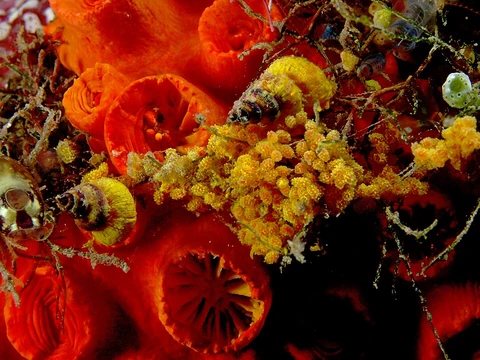
Cantharidus
A genus of marine snails with iridescent shells and wide distribution.

Manuel CABALLER · CC BY 4.0
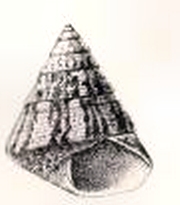
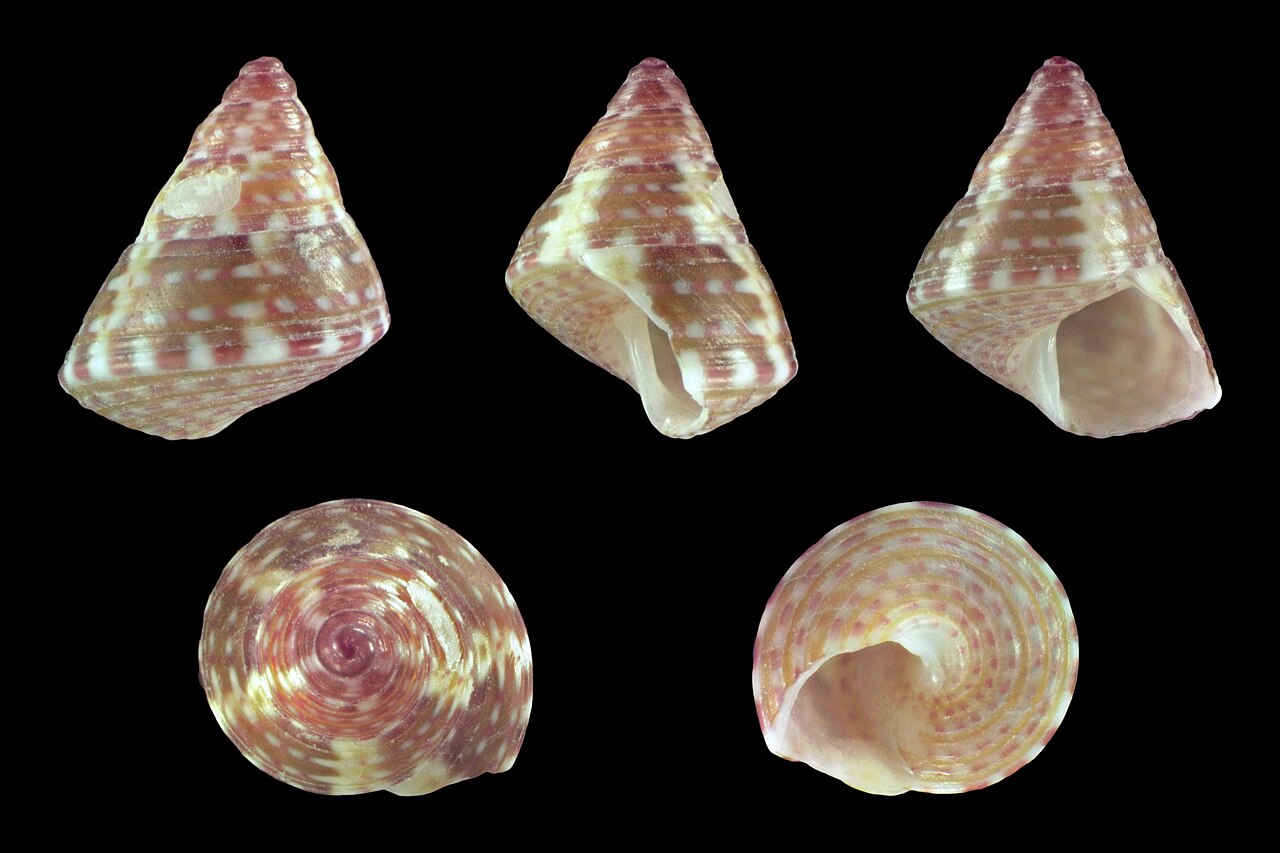
Cantharidus, whose members are called kelp shells, is a genus of marine gastropod molluscs belonging to the Trochidae family, the top shells. These sea snails have shells that are ovate-conic or pyramidal in shape, imperforate, and either smooth or marked with spiral sculpture. The exterior often displays bright, variegated colors, while the interior is brilliantly iridescent. The aperture, which is ovate and longer than wide, takes up less than half the shell’s total length. Near the base, the columella is usually folded or toothed.
The radula’s central tooth has a body with broadly expanded supporting wings and a narrowed peduncle, or neck, that bears a simple cusp; delicate wings flank this peduncle. On each side are five lateral teeth, which increase in size from the inner to the outer one. The inner lateral is slender and narrows toward the cusp, sometimes with a lamella behind the peduncle, while the outer laterals are very broad and have one or several denticles on the cusp. The only feature separating Cantharidus from Gibbula is the simple cusp of the central tooth—in Gibbula, that cusp is denticulate at the sides.
The genus has a wide distribution, with marine species found off Australia, New Zealand, the Philippines, French Polynesia, South Korea, Japan, Indonesia, New Caledonia, Oceania, East India, and Africa.
According to the World Register of Marine Species (WoRMS), valid species include Cantharidus antipodum, C. bisbalteatus, C. callichrous, C. capillaceus, C. crenelliferus, C. dilatatus, C. festivus, C. fournieri, C. fulminatus, C. fultoni, C. interruptus, C. japonicus, C. jessoensis, C. lepidus, C. levis, C. marmoreus, C. nolfi, C. opalus, C. pallidulus (taxon inquirendum), C. puysegurensis, C. roseopictus, C. sendersi, and C. turneri. The Indo-Pacific Molluscan Database also lists C. vittata as a name in current use. Additional species and subspecies include C. cinguliger (taxon inquirendum), C. fumosus, C. iridis, C. moniliger (taxon inquirendum), C. nigricans, C. nitidulus (synonym: Trochus nitidulus Philippi), C. punctulosus (taxon inquirendum), and C. purpuratus (synonym: Trochus purpuratus Martyn).
Several species have been brought into synonymy. For example, Cantharidus artensis is now Trochus artensis; C. artizona is Roseaplagis artizona; C. articularis is Jujubinus interruptus; C. bisculptus is Dactylastele burnupi; C.
Quick Facts
- Taxon
- Cantharidus
- Type Species
- Trochus iris
- Type Species Authority
- Montfort, P.D. de, 1810
Facts from the source article.
Lore & Background
The shell of Cantharidus is ovate-conic or pyramidal in shape, imperforate, and either smooth or spirally sculptured on the outside, while the interior is brilliantly iridescent. The colors are generally bright and variegated. The aperture is less than half the length of the shell, longer than wide, and ovate. The columella is usually more or less folded or toothed near the base.
The radula has a central tooth with a body that has broadly expanded supporting wings and a narrowed peduncle bearing a simple cusp, with delicate wings on each side. There are five lateral teeth on each side, increasing in size from inner to outer. The inner lateral is slender and narrowed toward the cusp, sometimes bearing a lamella behind the peduncle; the outer laterals are very broad, with one or several denticles on the cusp. The only character separating Cantharidus from Gibbula is the simple cusp of the central tooth, whereas in Gibbula it is denticulate at the sides.
The genus has a wide distribution, occurring off Australia, New Zealand, the Philippines, French Polynesia, South Korea, Japan, Indonesia, New Caledonia, Oceania, East India, and Africa.
Reader's Guide
Cantharidus is a genus of marine snails within the family Trochidae, known as kelp shells. Its significance lies in its distinctive shell morphology and radular features, which help distinguish it from related genera such as Gibbula. The shell is ovate-conic or pyramidal, imperforate, and often brightly colored and variegated, with a brilliant iridescent interior. The aperture is less than half the shell length, and the columella is typically folded or toothed near the base. The radula's central tooth has a simple cusp, a key diagnostic trait separating Cantharidus from Gibbula, whose central tooth is denticulate at the sides. The genus includes numerous species, with a wide distribution across the Indo-Pacific and other regions, from Australia and New Zealand to Japan, Africa, and Oceania. The World Register of Marine Species lists many valid species, as well as numerous synonyms and taxa inquirenda, reflecting ongoing taxonomic work. The legacy of Cantharidus is tied to its role in marine biodiversity studies and its contribution to understanding trochid evolution and classification.
Did You Know?
- The shell of Cantharidus is brilliantly iridescent within.
- The central tooth of the radula has a simple cusp, distinguishing it from Gibbula.
- The genus has a wide distribution including Australia, New Zealand, Japan, and Africa.
Shell Architecture and Morphology
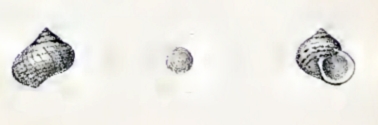
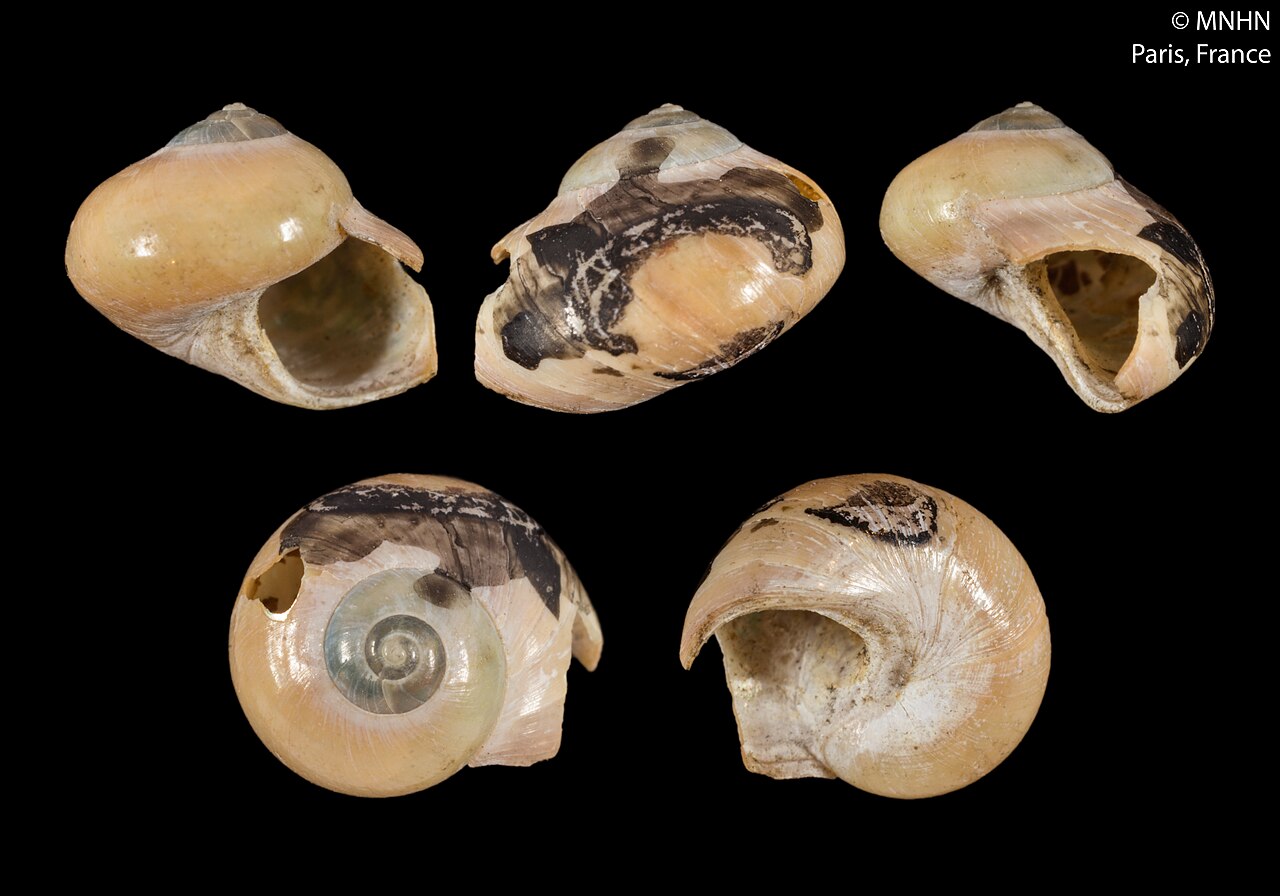
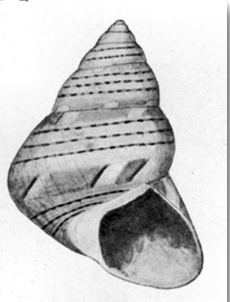
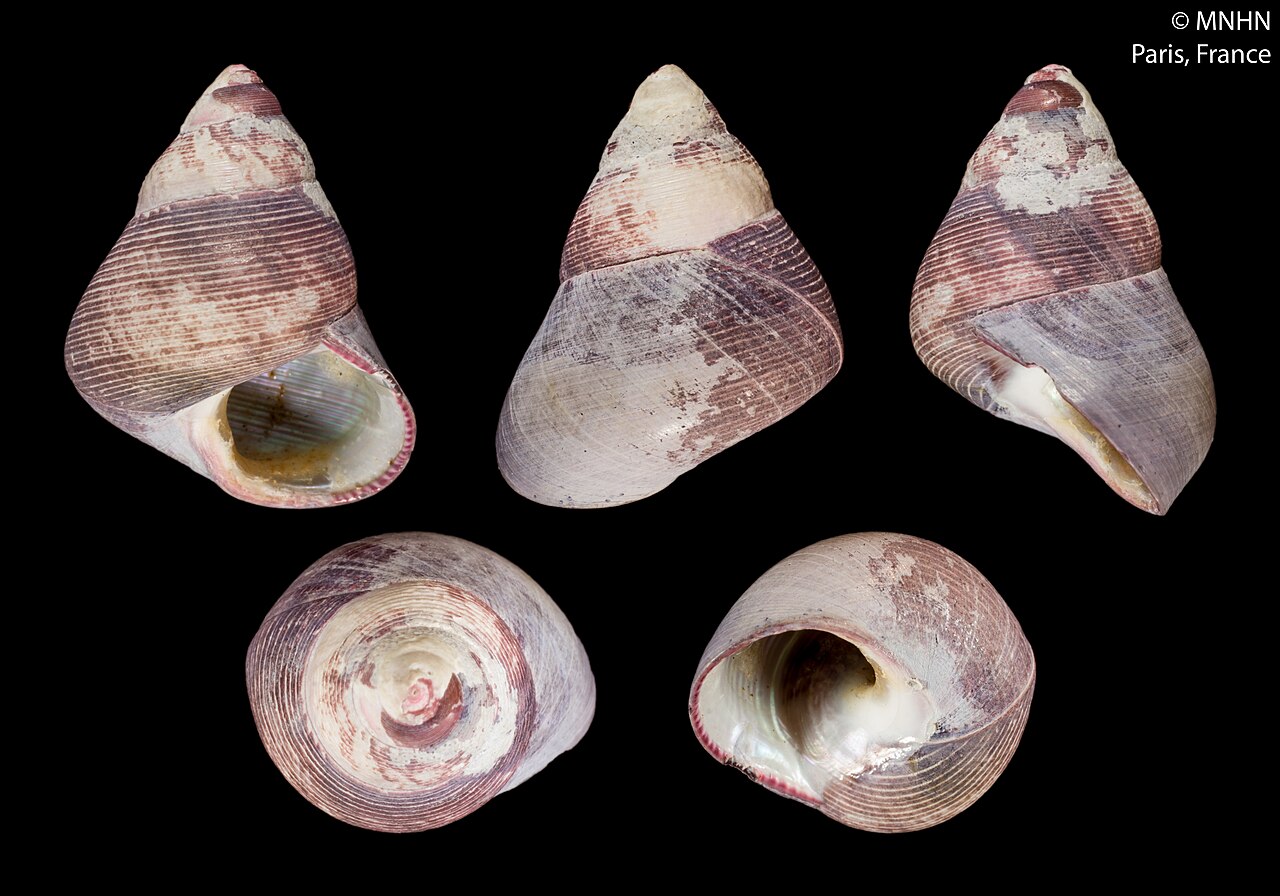
The opal top shell produces a large, imperforate shell measuring between 23 and 45 millimetres in length. Its overall form is an elevated cone, solid in build yet not particularly thick, with a distinctly angular edge at the periphery. The shell carries between eight and ten whorls that begin with very slow growth before accelerating rapidly. These whorls are either straight or gently convex, and the body whorl stands out with its pronounced peripheral angle. The base presents a flatly convex profile, while the sutures between whorls are well impressed and occasionally take on a subcanaliculate character on the lower turns. The protoconch is small, acute, and conical, comprising roughly two and a half smooth, convex, pinkish-brown whorls. Spiral sculpture is present but subdued and subobsolete; approximately seven faint grooves appear on the penultimate whorl, crossed by more or less distinct oblique growth lines. The base also bears about five narrow, spirally separated ridges that are often barely noticeable.
Colour, Nacre, and Surface Detail
The colour palette of Cantharidus opalus is strikingly layered. The shell's ground tone is whitish, but the body whorl carries a blue tinge while the spire shifts toward yellowish or pinkish hues. Over this base, the entire surface is closely marked with longitudinal zigzag patterns in purple, which frequently break up into spiral series of small articulations. A thin, shining epidermis covers the shell and can be rubbed off with ease. At the very tip of the spire, erosion reveals iridescent green nacre. The oblique aperture, ovate-rhonboidal in shape, is lined with that same iridescent green nacre but with added red reflections. The outer lip is thin and slightly sulcate on its inner face. Inside, a broad opaque white callosity follows a greenish edge, and the inner lip spreads as a wide white callus extending a little beyond the subvertical columella and across the parietal wall. The columella itself is generally straight in the middle or slightly projecting.
Distribution and Habitat
Cantharidus opalus is a marine species found exclusively in the waters surrounding New Zealand, making it a true endemic of that region. Its preferred habitat lies below the tidal zone, where it inhabits kelp beds on coastlines ranging from semi-exposed to fully exposed. The species has been recorded at depths reaching at least fifteen metres, placing it firmly in the subtidal realm where kelp forests provide structure and shelter. As a member of the family Trochidae, commonly known as the top snails, this large sea snail occupies a niche within these underwater kelp communities. Its restricted geographic range to New Zealand waters, combined with its dependence on specific coastal kelp environments, underscores the species' specialised ecological requirements. The shell's solid construction and the thin, easily rubbed-off epidermis may reflect adaptations to the physical conditions of semi-exposed to exposed shorelines, where wave action and substrate contact are constant factors in the snail's daily existence.
Taxonomy, Nomenclature, and Scientific Record
The opal top shell, known in Māori as matangongore, belongs to the genus Cantharidus within the family Trochidae, the top snails. As a marine gastropod mollusc, it is classified under the scientific name Cantharidus opalus. The species has been documented in key taxonomic works, including A. W. B. Powell's authoritative volume New Zealand Mollusca, published by William Collins Publishers in Auckland in 1979. More specifically, B. A. Marshall devoted a 1998 paper in Molluscan Research to the New Zealand recent species of both Cantharidus (Montfort, 1810) and the related genus Micrelenchus (Finlay, 1926), providing detailed systematic treatment of these trochid groups. The species is also catalogued in the online database Gastropods.com, where its entry was accessible as of January 2019. These references collectively anchor the opal top shell within the broader framework of New Zealand marine invertebrate taxonomy and ensure its morphological and distributional details remain accessible to researchers and enthusiasts alike.
Gallery
Frequently Asked Questions
What is Cantharidus?
Cantharidus is a genus of marine gastropod molluscs that go by the common name kelp shells. They are classified within the Trochidae family, the group that includes all the top shells.
What do Cantharidus shells look like?
Their shells are ovate-conic or pyramidal, with an exterior that ranges from smooth to bearing spiral sculpture and often displays bright, variegated coloration. The interior is strikingly iridescent, and the ovate aperture—longer than it is wide—spans less than half the shell's overall length.
What sets Cantharidus apart from other Trochidae?
The columella is typically more or less folded or toothed near the base, a feature that helps distinguish them within the top-shell family. Their shells are also imperforate, meaning the base has no central opening.
What is notable about Cantharidus's radula?
The central tooth of their radula has a body that is broadly expanded, capped by a simple cusp. This relatively straightforward tooth structure is a key identifying trait of the genus.
Where can you find Cantharidus in the wild?
Members of this genus enjoy a wide geographic distribution across marine environments, often associated with kelp-rich habitats. Their broad range makes them a familiar sight in many coastal ecosystems around the world.
More in Marine Snails 1-24
Spotted an error? Know more?
Reader corrections go straight into our review queue. Suggest an edit · How this site is sourced