Juxtastenopus
A monotypic shrimp genus with enlarged third pereiopods.

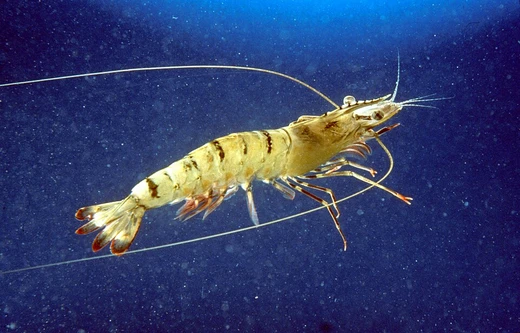
Juxtastenopus is a monotypic genus of stenopodidean shrimp, containing the single species Juxtastenopus spinulatus. It is notable for its enlarged third pereiopods and its distinctive red or pink coloration with white-tipped claws. Originally placed in the genus Engystenopus, it was later moved to its own genus based on characteristics of the third pereiopod.
Quick Facts
- Genus
- Juxtastenopus
- Species
- spinulatus
Facts from the source article.
Lore & Background
Juxtastenopus spinulatus was first described by Lipke Holthuis in 1946 under the name Engystenopus spinulatus, based on a single damaged holotype male collected in the Lobetoli Strait, east of Flores, Indonesia. The placement in Engystenopus was considered questionable because the most distinctive characteristics of that genus involve the third pereiopod, which was missing from all early specimens. When intact specimens became available, Joseph Goy determined that the species did not belong in the same genus as Engystenopus palmipes and erected the new genus Juxtastenopus to hold it. The two genera are now placed in different families: Engystenopus is in Spongicolidae, while Juxtastenopus is in Stenopodidae, though both names mean 'close to Stenopus'.
Reader's Guide
Juxtastenopus spinulatus is significant as the sole species in its genus, highlighting the taxonomic importance of the third pereiopod in distinguishing stenopodidean shrimp. Its discovery history illustrates how incomplete specimens can lead to misclassification; the missing third pereiopod in early collections delayed proper placement. The species also demonstrates remarkable depth variation: in the Red Sea it occurs at depths of 434–778 meters in warm water, while in the Gulf of Aden it has been collected at 1,068 meters. Elsewhere in the Indian Ocean and as far east as Hong Kong and the Philippines, it inhabits much shallower water. This depth plasticity, combined with its distinctive red or pink body and white-tipped claws, makes it a notable example of adaptive distribution within the Stenopodidae family. Its reproductive biology, with females carrying 27 to 132 eggs, adds to its ecological interest.
Did You Know?
- Juxtastenopus spinulatus was originally described in the genus Engystenopus by Lipke Holthuis in 1946.
- The genus name Juxtastenopus means 'close to Stenopus'.
- Females carry between 27 and 132 eggs, each initially 0.30 mm by 0.49 mm.
- The species occurs at depths from 434 meters in the Red Sea to 1,068 meters in the Gulf of Aden.
More in Marine Shrimp, Part 2 1-24
Spotted an error? Know more?
Reader corrections go straight into our review queue. Suggest an edit · How this site is sourced