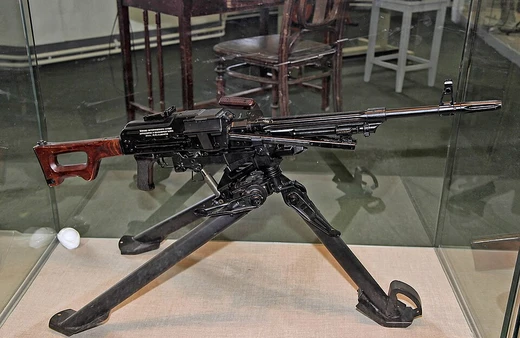
Ciężki karabin maszynowy wz. 30
Polish unlicensed derivative of the Browning M1917, standard from 1931.

When reusing, please credit me as author: Adam Kliczek, http://memoriesstay.com · CC BY-SA 3.0 pl
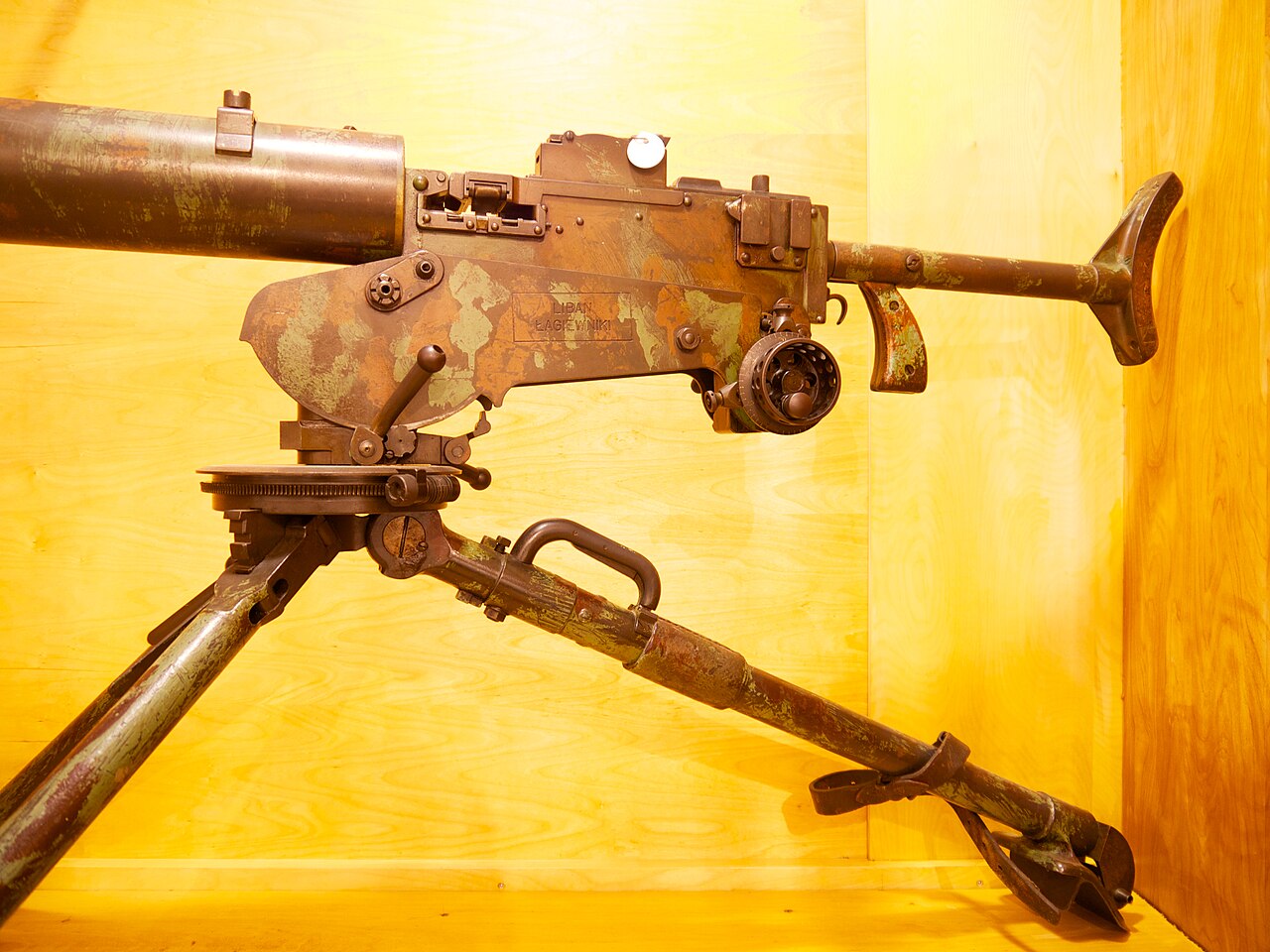
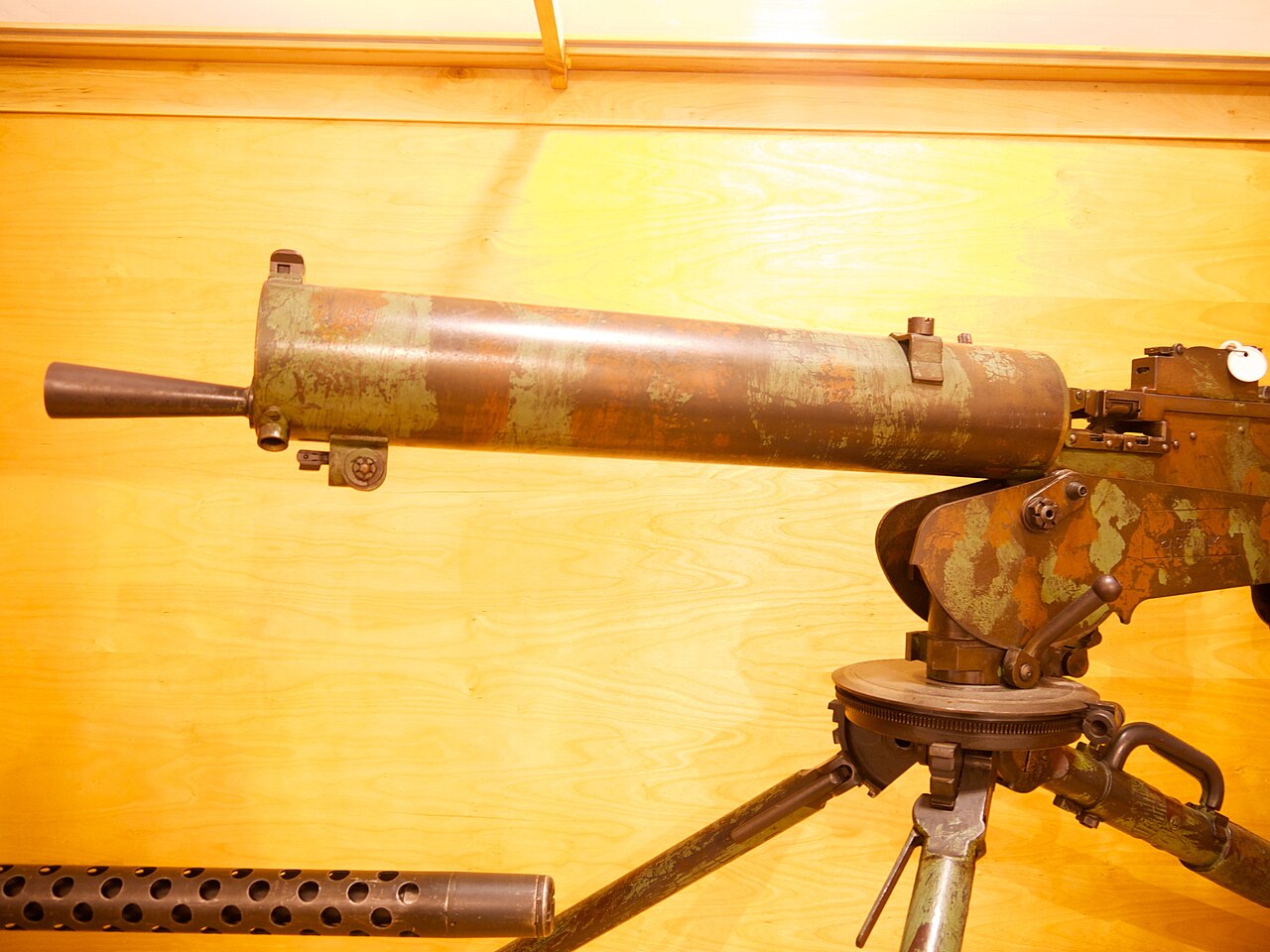
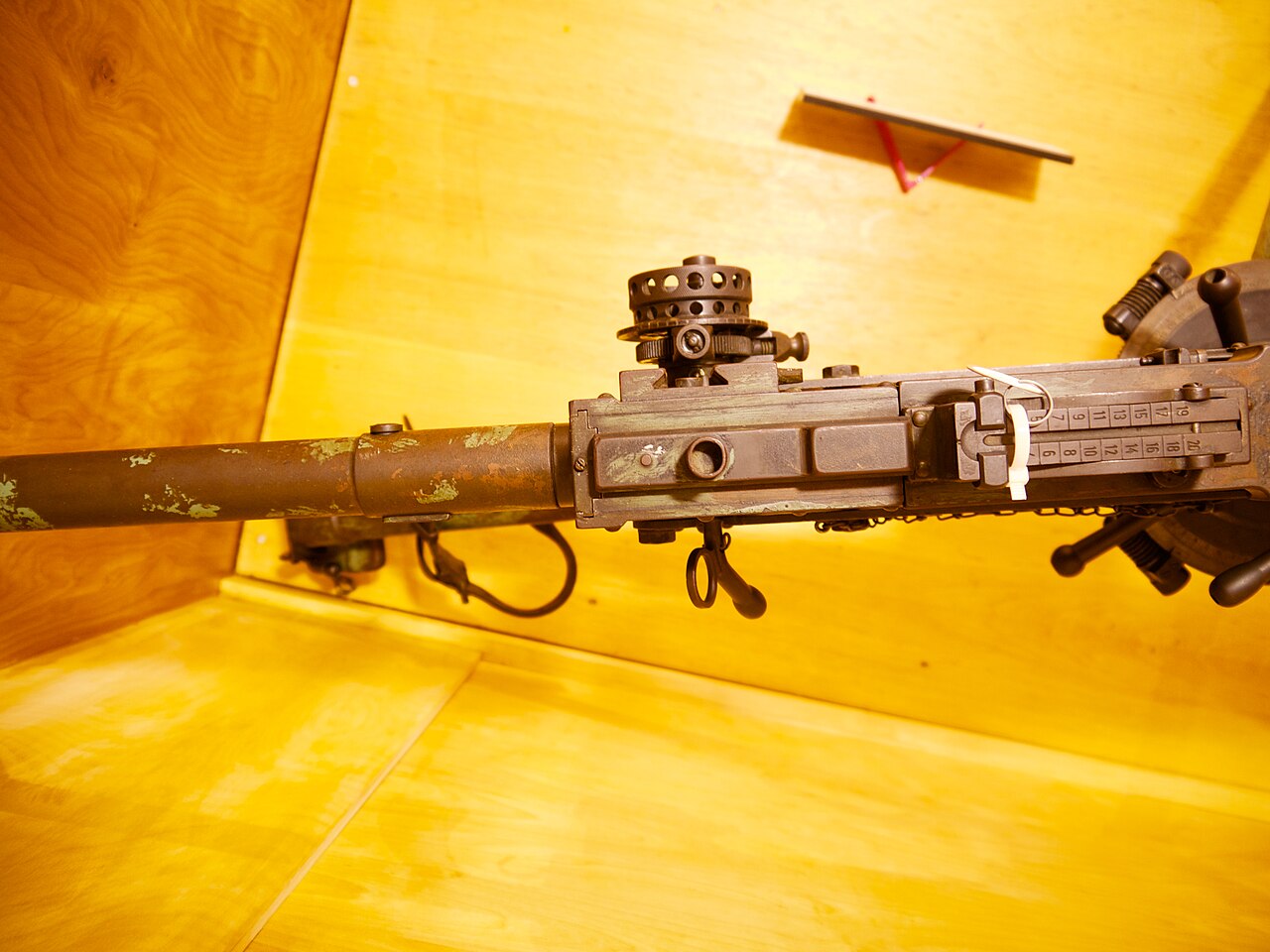
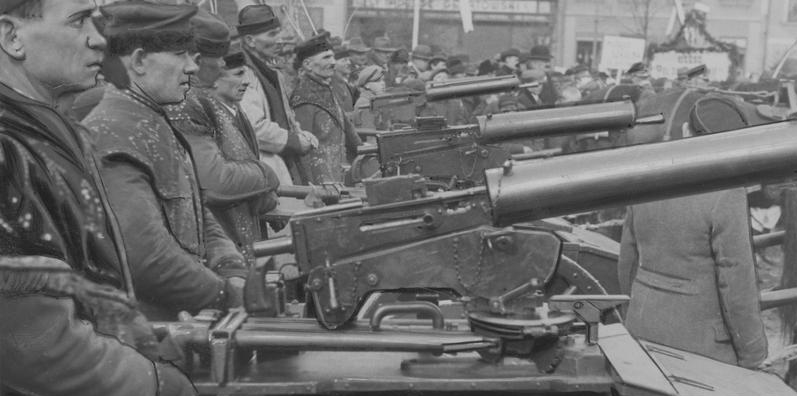
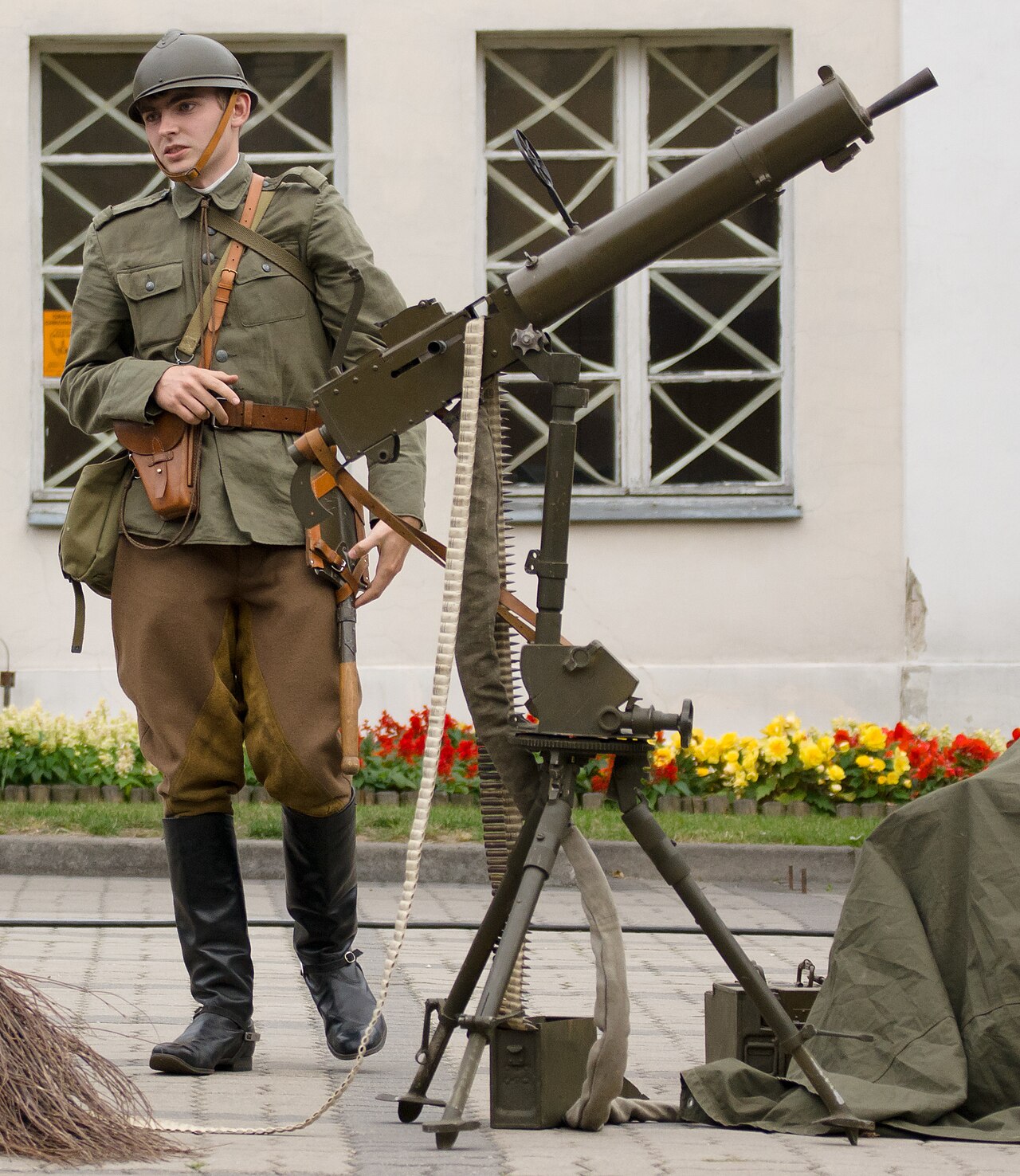
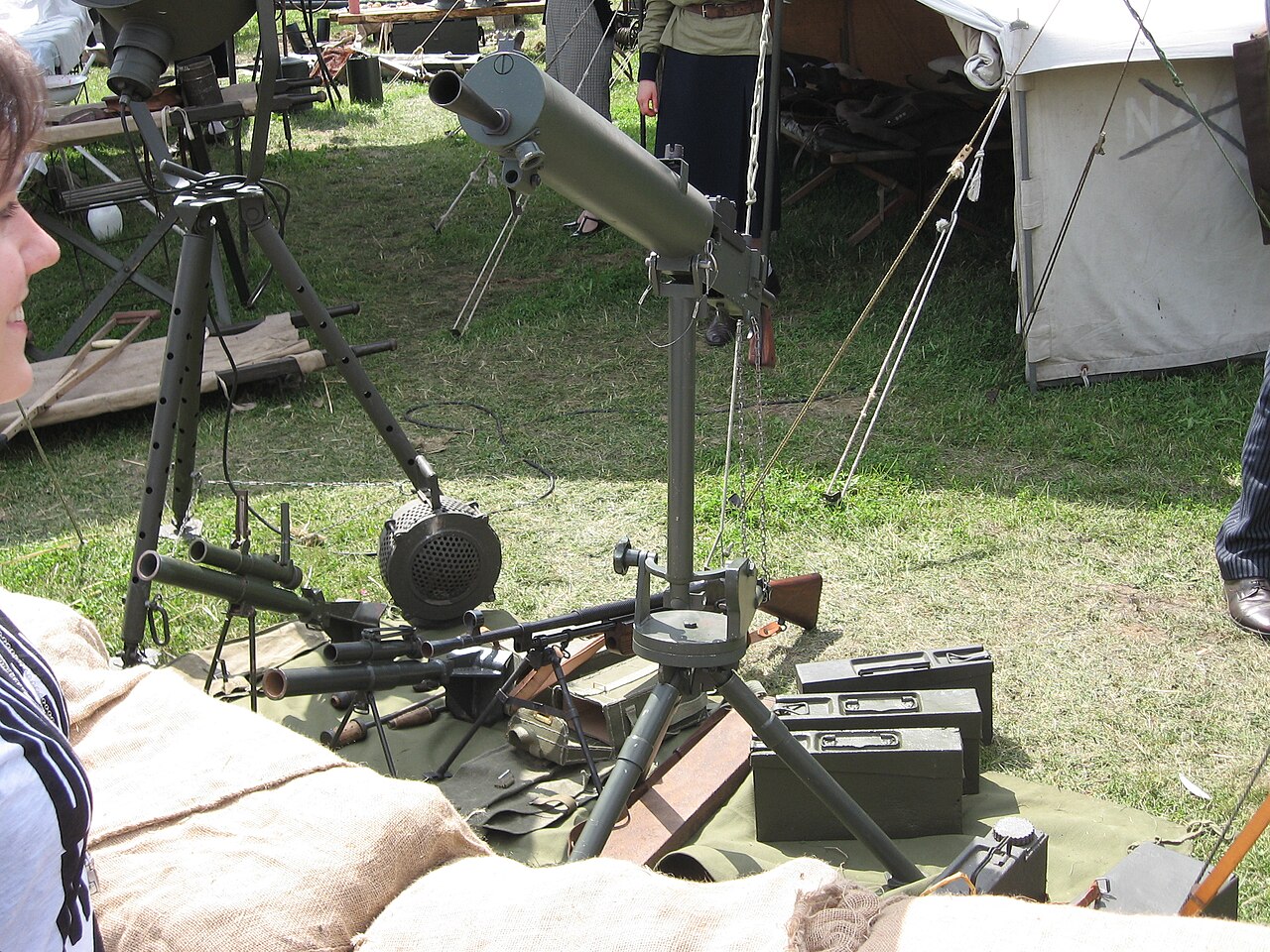
The ckm wz. 30, meaning "heavy machine gun pattern 1930," was a Polish take on the American Browning M1917. Although it was an unlicensed copy, it featured several improvements, including a different caliber, a longer barrel, and an adjustable sight. From 1931 onward, it became the Polish Army’s standard heavy machine gun.
After Poland regained independence in 1918, its military inherited a jumble of weapons from the former occupying powers. During the Polish–Soviet War, the army used Russian 7.62 mm M1910 Maxims, Austrian 8 mm Schwarzlose MG M.07/12s, German 7.92 mm Maschinengewehr 08s, and French 8 mm Hotchkiss Mle 1914s. This mix created serious supply problems, so in the early 1920s the General Staff decided to replace all older machine guns with a single new design built to Polish specifications.
At first, the Hotchkiss machine gun had the most backing. It had performed well in the Polish–Soviet War and was already adapted to the standard Polish 7.92 mm round as the ckm wz. 25. In late 1924 and early 1925, Poland ordered 1,250 from France, and the Ministry of War began talks to buy a license for local production. But tests of the postwar Hotchkiss guns showed they fell short of both Polish requirements and the maker’s own specs, so the talks ended. By late 1927, the ministry held a competition for a new standard heavy machine gun.
Four companies entered: Colt with the M1928 (an export version of the Browning M1917A1), a Czechoslovak rechambered Schwarzlose-Janeček vz.7/24, a British Vickers converted to 7.92 mm, and Hotchkiss with an improved wz. 25. The Browning won all initial tests. The tests were repeated in 1928, and the American weapon won again, so the ministry decided to buy a license. But the price was steep—$450,000—and Colt demanded an order for 3,000 guns from its own factories. It turned out that neither Colt nor its European agent, Vickers-Armstrong, had patented the design in Poland. Also, the documentation for a recently purchased license for the Browning Automatic Rifle (bought through Colt’s agent, Fabrique Nationale de Herstal) was faulty, and deliveries were delayed. This soured the Poles on foreign orders, so the ministry chose to have a local version of the Browning M1917 prepared at Fabryka Karabinów in Warsaw.
The first test models were ready by mid-1930 and sent to various ranges.
Quick Facts
- Is Ranged
- yes
- Origin
- Second Polish Republic
- Manufacturer
- Państwowa Fabryka Karabinów
- Design Date
- 1930
- Production Date
- 1931–1939
- Service
- 1931–1970
- Wars
- Spanish Civil War / World War II
- Caliber
- 7.92 mm
- Part Length
- 720 mm
- Cartridge
- 7.92×57mm
- Feed
- 330-round belt
- Action
- recoil
Facts from the source article.
Lore & Background
After Poland regained independence in 1918, its armed forces used a mix of Russian, Austrian, German and French machine guns, creating a logistical burden. In the early 1920s the General Staff decided to replace all older types with a new design. Initial preference for the Hotchkiss machine gun, adapted to 7.92mm as the ckm wz. 25, faded after post-war production proved substandard. A 1927 contest for a new heavy machine gun saw the American Colt M1928 (a Browning variant) win all tests; a repeat in 1928 confirmed the result. However, Colt demanded $450,000 for a license and an order for 3,000 guns from its own factories. Since neither Colt nor its European representative Vickers-Armstrong had patented the design in Poland, the Polish ministry ordered a local version prepared at Fabryka Karabinów in Warsaw.
First test models were ready in mid-1930, and in March 1931 the first 200 were sent to front-line units as ckm wz. 30. Serial production began by the end of that year. Modifications from the original Browning included a different caliber (7.92×57mm Mauser), V-notch sights replacing loophole iron sights, a lengthened butt handle, a longer barrel, a modified rifle lock for easier barrel exchange, a modified lock for easier handling, a new mounting with a mast for anti-aircraft fire, adapted sights and a handle for anti-aircraft aiming, and a flame suppressor. Three tripod mountings were developed: wz. 30 (29.3 kg), superseded by wz. 34 (26.3 kg) for infantry, and wz. 36 (17 kg) for cavalry. All could be used for anti-aircraft fire. In 1938 a new trigger mechanism and lock were introduced, designated ckm wz. 30a, though the name was rarely used by soldiers. The ckm wz. 30/39T was designed for Turkey in 7.65×53mm Argentine, but the contract was halted after World War II broke out. In the late 1930s, experimental barrels with Lancaster rifling were designed but were very expensive to produce.
Reader's Guide
The ckm wz. 30 was the standard Polish heavy machine gun from 1931 through the outbreak of World War II. Between 1931 and 1939, at least 8,401 were built for the Polish Army, plus 200 of an information series, with several hundred more likely completed by September 1939. Over 1,700 were exported to Republican Spain via the SEPEWE syndicate. Trials were held for Romania, Bulgaria, Estonia, Yugoslavia and Argentina; in 1936 the wz. 30 was evaluated in Argentina as more reliable and accurate than the original Browning M1928, but Colt offered more favourable delivery terms. Turkey ordered 500 wz. 30/39T machine guns in 1938, and at least part of that contract was fulfilled. Captured weapons were used by Nationalist Spain, Nazi Germany and Romania. After 1939, many preserved wz. 30s were used by Polish partisan units, notably the Home Army during the Warsaw Uprising. The weapon was famously employed by Franz Gockel at WN62 on Omaha Beach on D-Day. Small quantities were supplied to Republican Spain by the Soviet Union in 1940. The design's significance lies in its successful adaptation of the Browning M1917 to Polish requirements, its unlicensed production that circumvented high foreign costs, and its widespread use in Polish defence and later by various forces in World War II.
Did You Know?
- The ckm wz. 30 was an unlicensed copy of the Browning M1917 because Colt had not patented the design in Poland.
- The wz. 36 cavalry tripod weighed only 17 kg and could be folded below the barrel to act as a recoil shock absorber.
- Experimental barrels with Lancaster rifling were designed in the late 1930s but were very expensive to produce.
- Franz Gockel used a captured ckm wz. 30 at WN62 on Omaha Beach during D-Day.
From Logistical Chaos to a National Standard
After Poland re-emerged as a sovereign state in 1918, its military inherited a patchwork of small arms from the four empires that had once partitioned the country. Machine-gun crews in the Polish-Soviet War fired from Russian Maxims, Austrian Schwarzloses, German MG 08s, and French Hotchkisses simultaneously — a supply-chain quagmire the General Staff could no longer tolerate. In the early 1920s the ministry resolved to replace every one of these legacy systems with a single, domestically produced heavy machine gun. The Hotchkiss, already proven in Polish service as the ckm wz. 25, initially seemed the natural candidate. In late 1924 and early 1925, 1,250 units were ordered from France and license negotiations opened. Yet when post-war production samples arrived, their performance fell short of both Polish requirements and the maker's stated targets, killing the deal. By the end of 1927 the ministry had organized a formal contest for a new universal heavy machine gun, inviting four competing designs from American, Czechoslovak, British, and French sources.
Polish Hands on an American Blueprint
The 1927 competition pitted four contenders against one another: Colt's M1928 export variant of the Browning M1917A1, a Czechoslovak rechambered Schwarzlose, a Vickers converted to 7.92 mm, and Hotchkiss's revised wz. 25. The American design swept both the initial trials and the 1928 repeat round. The Polish ministry moved to purchase a license, but Colt's asking price of $450,000 plus a mandatory order for 3,000 guns built in its own factories proved prohibitive. Complicating matters, neither Colt nor its European agent Vickers-Armstrong held a Polish patent on the design, and a separate Browning Automatic Rifle license had arrived with faulty documentation and delayed deliveries. Disillusioned, the ministry turned to Fabryka Karabinów in Warsaw and commissioned a local adaptation of the M1917. By mid-1930 the first test models were rolling off the line, and in March 1931 two hundred of them reached front-line units under the designation ckm wz. 30. Serial production was underway by year's end.
A Weapon Reshaped for Polish Needs
Although rooted in the Browning M1917, the wz. 30 carried a suite of modifications that made it distinctly Polish. The most consequential change was rechambering the weapon to fire the standard 7.92×57 mm Mauser round. The original loophole iron sights gave way to V-notch designs, and the barrel was lengthened to improve precision. The butt handle was extended for easier carrying, and the rifle lock was redesigned so that worn barrels could be swapped more quickly. A flame suppressor was added, and the mounting system was overhauled: a mast for anti-aircraft fire could be deployed from the rear leg of the infantry tripod (wz. 30, 29.3 kg, later improved to the lighter 26.3 kg wz. 34), while cavalry units received the even lighter 17 kg wz. 36 tripod, whose mast folded beneath the barrel and doubled as a recoil shock absorber. In 1938 the trigger mechanism and lock were replaced with more reliable versions, yielding the ckm wz. 30a. Experimental Lancaster-rifled oval-bore barrels, designed by Wilniewczyc and Skrzypinski, promised greater accuracy and barrel life but proved too costly for wide adoption.
From Warsaw Factories to a Contested Legacy
Between 1931 and 1939, Fabryka Karabinów in Warsaw produced at least 8,401 wz. 30 guns for the Polish Army, plus 200 information-series examples, with several hundred more likely built before September 1939. The weapon also found buyers abroad: over 1,700 were exported through the SEPEWE syndicate to Republican Spain, and a Turkish-ordered batch of 500 ckm wz. 30/39T guns — rechambered for 7.65×53 mm Argentine ammunition — was at least partially delivered before the outbreak of war halted the competition. In 1936 Argentine evaluators judged the wz. 30 more reliable and accurate than the original Browning M1928, yet Colt's more favorable delivery terms won the contract. Trials in Romania, Bulgaria, Estonia, and Yugoslavia also went in the Polish gun's favor, but the state factory lacked the financial resources to offer credit. After 1939, captured wz. 30s entered the inventories of Nazi Germany, Nationalist Spain, and Romania. In the resistance, Polish Home Army partisan units continued to fight with surviving examples, including during the Warsaw Uprising.
Gallery
Frequently Asked Questions
What is the Ciężki karabin maszynowy wz. 30?
It is the Polish Army's standard water-cooled heavy machine gun from 1931 onward, built as an unlicensed Polish adaptation of the American Browning M1917. The name simply means 'heavy machine gun, pattern 1930.'
How does the wz. 30 differ from the original Browning M1917?
The Polish version chambered 7.92×57 mm Mauser rather than .30-06, featured a longer barrel, and added an adjustable sight. These changes let Poland use its existing Mauser ammunition and extended the gun's effective range.
What role did the ckm wz. 30 fill in the Polish Army?
From 1931 it served as the primary sustained-suppression weapon at battalion and defensive positions. It finally replaced the hodgepodge of inherited Russian Maxims, Austrian Schwarzloses, and German MG08s that had been in service since 1918.
How many wz. 30 machine guns were manufactured?
Polish industry produced at least 8,401 for the army between 1931 and 1939, plus 200 'information series' variants. Over 1,700 additional guns were shipped to Republican Spain during the Civil War.
Why is the ckm wz. 30 considered significant in interwar military history?
It marked Poland's first unified heavy-machine-gun standard after independence, ending reliance on four different foreign designs. Its deployment in both the Spanish Civil War and the 1939 defence of Poland also made it one of the few Polish weapons to see action on two separate fronts.
More in Machine Guns, Part 4 1-24
Spotted an error? Know more?
Reader corrections go straight into our review queue. Suggest an edit · How this site is sourced