Garudimimus
A Late Cretaceous ornithomimosaur from Mongolia with disputed anatomical traits.

PaleoNeolitic · CC BY 4.0
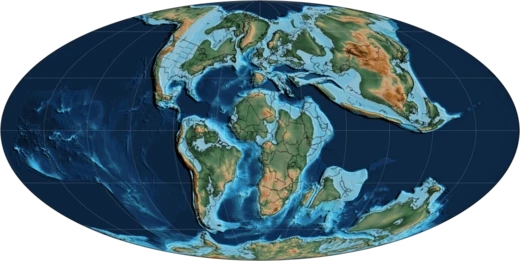
Garudimimus is a genus of ornithomimosaur that lived in Asia during the Late Cretaceous. Known from a single specimen discovered in 1981 by a Soviet-Mongolian expedition in the Bayanshiree Formation, it was formally described the same year by Rinchen Barsbold. The only species is Garudimimus brevipes. The genus is notable for its mix of basal and derived features, including toothless jaws and a short, stocky hindlimb, and has been the subject of several reinterpretations, most of which were refuted in a comprehensive redescription in 2005.
Quick Facts
- Taxon
- Garudimimus
- Type Species
- Garudimimus brevipes
- Type Species Authority
- Barsbold, 1981
Facts from the source article.
Lore & Background
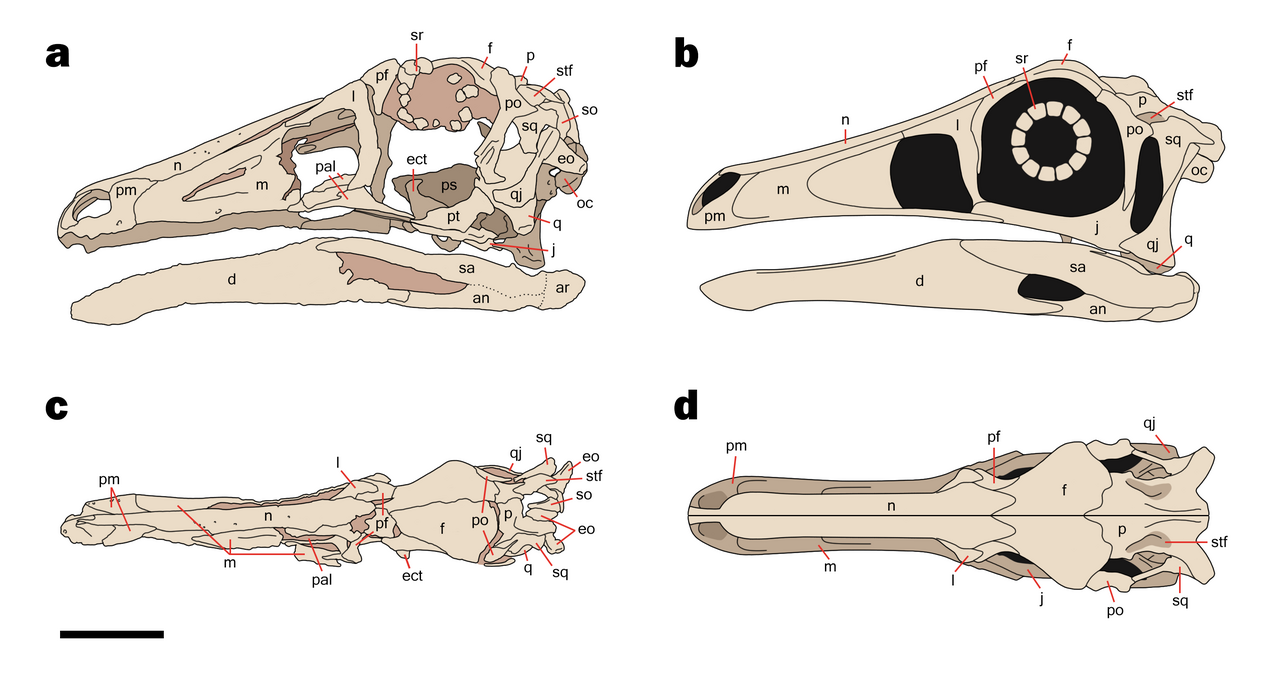
The holotype specimen, MPC-D 100/13, was found at Bayshin Tsav in the Bayan Shireh Formation of southeastern Mongolia. It consists of a nearly complete and articulated skeleton of a sub-adult individual, including the skull, vertebrae, ribs, pelvic bones, and hindlimbs. Barsbold identified Garudimimus as a primitive ornithomimosaur and placed it in its own family, Garudimimidae. Later interpretations suggested a nasal horn and an arctometatarsalian foot, but the 2005 redescription showed the horn was a displaced prefrontal bone and the metatarsus was non-arctometatarsalian.
Reader's Guide
Garudimimus is significant as a primitive ornithomimosaur that exhibits a mix of basal and derived traits, such as toothless jaws typically seen in more derived ornithomimids. Its short, stocky hindlimbs and reduced ilia indicate poor running ability, contrasting with the fast-running ornithomimids. The 2014 discovery that Deinocheirus is its sister taxon, grouping within Deinocheiridae, has been disputed. The presence of a horny beak and omnivorous/herbivorous diet align it with other ornithomimosaurs. The bonebed at its type locality suggests additional specimens may exist, but the genus remains known from only one definitive skeleton.
Did You Know?
- The name Garudimimus combines a reference to Garuda, legendary winged creatures from Mongolian Buddhist mythology, and Latin mimus meaning mimic.
- The specific name brevipes means 'short foot' in Latin, referring to the short metatarsus.
- The holotype specimen was originally thought to have a lacrimal horn, but this was later identified as the distorted left prefrontal bone.
- Garudimimus had four toes on each foot, with the first toe very reduced, while ornithomimids had three toes.
Discovery & Naming in the Gobi
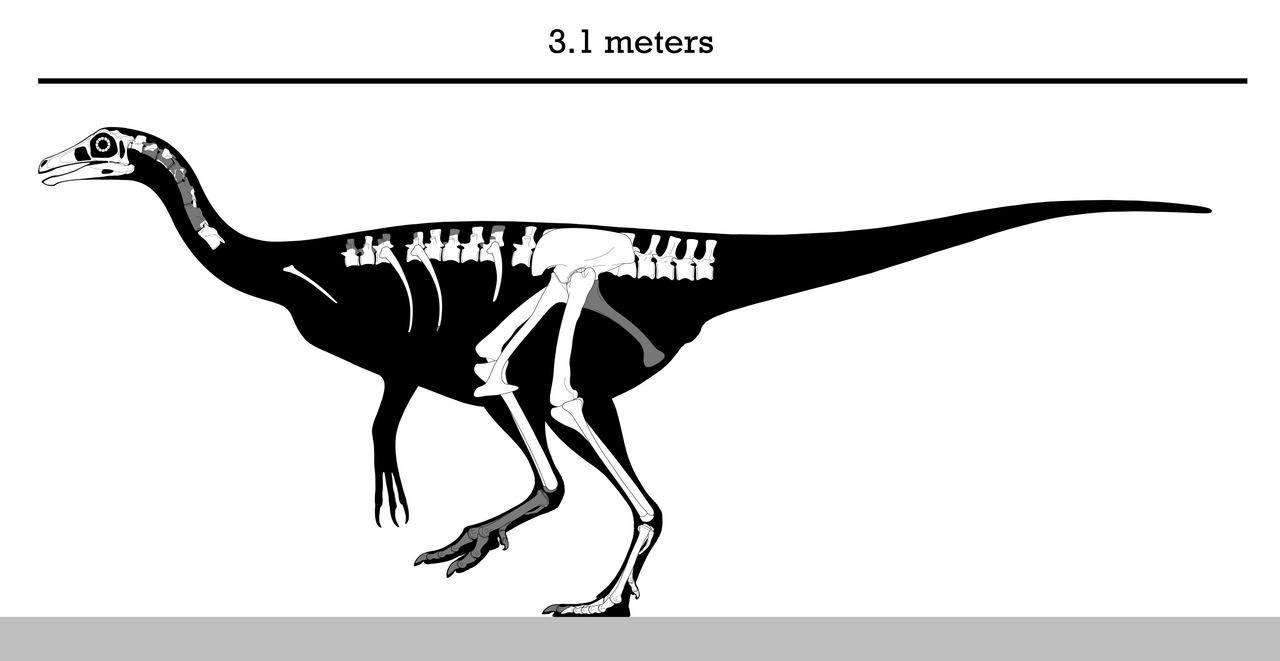
In 1981, a joint Soviet-Mongolian paleontological team working in the Gobi Desert uncovered a remarkably complete theropod skeleton at a site called Bayshin Tsav, situated within the Late Cretaceous Bayan Shireh Formation of southeastern Mongolia. The find, catalogued under the number MPC-D 100/13, included the full skull, a series of cervical, dorsal, sacral, and caudal vertebrae, various ribs, both pelvic elements, both hindlimbs, and an almost intact left foot belonging to a still-growing sub-adult. That same year, Mongolian paleontologist Rinchen Barsbold formally named the animal Garudimimus brevipes. The generic name fuses a nod to Garuda, the winged mythical beings of Mongolian Buddhist tradition, with the Latin word mimus, meaning mimic. The species epithet, drawn from Latin brevis and pes, highlights the notably short metatarsus visible in the specimen. Barsbold regarded the creature as a primitive ornithomimosaurian distinct enough to warrant its own family, Garudimimidae, and he returned to describe additional elements of the holotype in 1983 and again in 1990 alongside Halszka Osmólska.
Anatomy & Physical Build
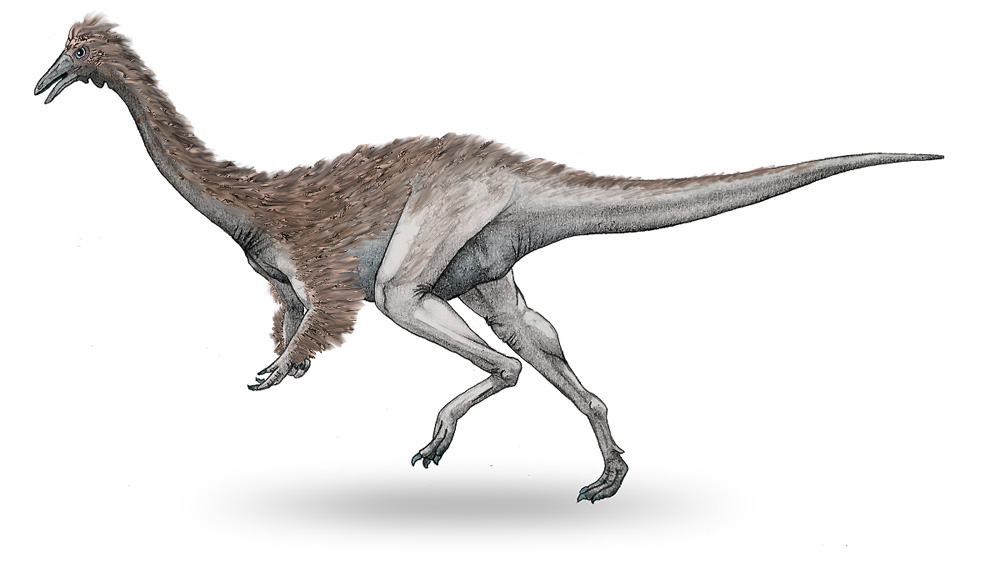
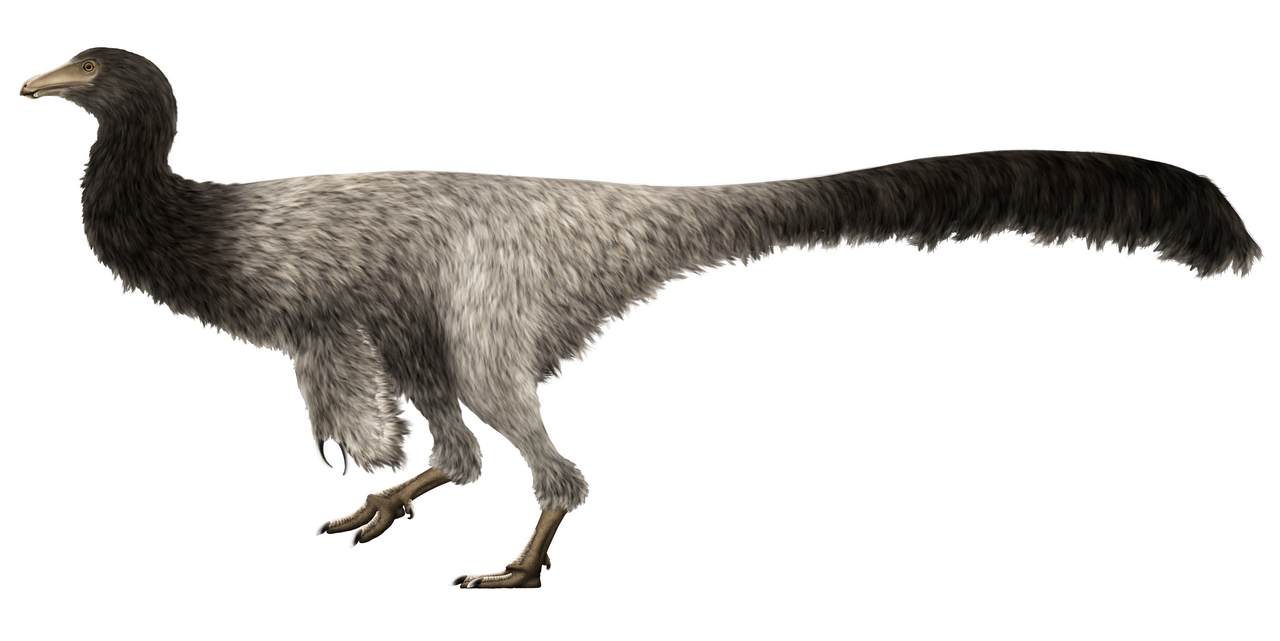
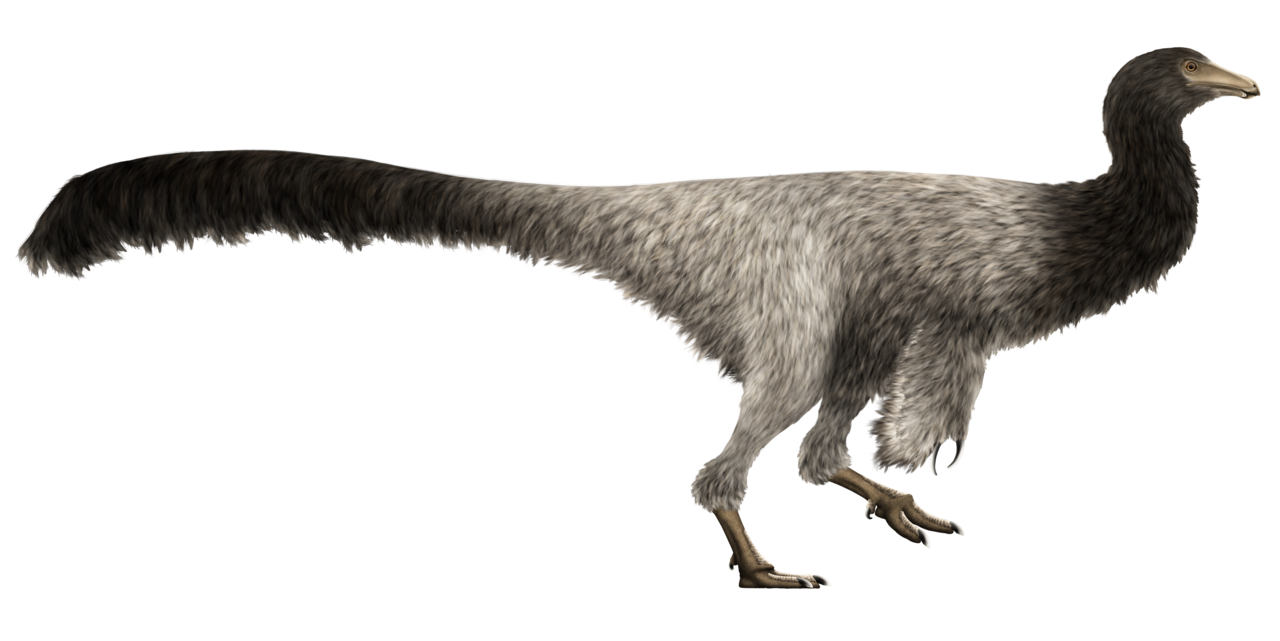
Based on the single holotype, Garudimimus brevipes is estimated to have measured roughly 3.5 metres in length and carried a body mass in the range of 77 to 98 kilograms. Several vertebrae that had not yet fused indicate the individual was a sub-adult still in growth. The skeleton reveals a mosaic of ancestral and advanced ornithomimosaurian traits. Most strikingly, both the upper and lower jaws were completely toothless, a condition more typical of the later, more derived ornithomimids rather than the basal forms to which Garudimimus belongs. The jaws themselves were very straight and terminated in a snout tip noticeably more rounded than that seen in other ornithomimosaur genera. The hindlimbs were relatively short and stocky, the feet robust, and the ilia reduced in size. The foot retained four toes, with the first being very small but still present, whereas the more advanced ornithomimids had lost that digit entirely and were three-toed. The metatarsus was confirmed as non-arctometatarsalian, meaning the third metatarsal was not narrowed between its neighbours as in some other theropods.
Taxonomic Debates & the 2005 Redescription
For over two decades after its 1981 description, Garudimimus attracted a string of conflicting anatomical interpretations. In 1988, Gregory S. Paul depicted the animal with a prominent nasal horn, while Philip J. Currie and Dale Alan Russell reinterpreted the metatarsus as belonging to an oviraptorid and reconstructed it with an arctometatarsalian structure. Thomas R. Holtz echoed the arctometatarsalian reading in 1992, and Currie together with David A. Eberth went further in 1993, arguing that material attributed to Archaeornithomimus actually belonged to Garudimimus on the basis of that assumed foot architecture. Pérez-Moreno and colleagues in 1994 also pointed to a supposed crest or horn on the skull. All of these claims were dismantled in a thorough 2005 redescription by Yoshitsugu Kobayashi and Barsbold. They demonstrated that the so-called horn was merely the left prefrontal bone that had become distorted and displaced, and they confirmed the metatarsus showed no taphonomic distortion and was genuinely non-arctometatarsalian. The 2014 description of Deinocheirus then placed Garudimimus as its closest relative within the family Deinocheiridae, a grouping of ornithomimosaurs not built for speed, though that assignment remains debated.
Ecology, Diet & Locomotion
Like all known ornithomimosaurs, Garudimimus was an omnivore or herbivore that relied on a horny beak rather than teeth for processing food. Its completely toothless upper and lower jaws, combined with a reduced bite force, suggest it fed on softer plant material, using the beak to crop and manipulate food. The pelvic girdle and hindlimb anatomy tell a similar story about movement: the musculature of the legs was not as well developed as in the fast-running ornithomimids, pointing to limited cursorial ability. The short, stocky hindlimbs, robust feet, and reduced ilia all reinforce the picture of an animal that was not built for sprinting or agile pursuit. This interpretation gained further support when the 2014 description of Deinocheirus revealed the two genera as sister taxa within Deinocheiridae, a clade characterised by ornithomimosaurs that were not adapted for running. Beyond the type locality at Bayshin Tsav, a large bonebed containing at least five individuals and several undescribed ornithomimosaurs from other sites in the Bayan Shireh Formation hint that additional Garudimimus specimens may yet be identified, potentially filling in gaps in our understanding of this enigmatic Late Cretaceous Asian theropod.
Gallery
Frequently Asked Questions
What is Garudimimus?
Garudimimus is a genus of ornithomimosaur dinosaur that lived in Asia during the Late Cretaceous. Its single recognized species, Garudimimus brevipes, is known from just one fossil specimen recovered in Mongolia.
Where and when was Garudimimus discovered?
The sole specimen was excavated in 1981 by a joint Soviet-Mongolian field team working in the Bayanshiree Formation of Mongolia. Rinchen Barsbold formally described the genus that same year.
What makes Garudimimus unusual among ornithomimosaurs?
It combines toothless jaws with a notably short, stocky hindlimb, indicating it was far less built for speed than its more derived relatives. This mosaic of primitive and advanced traits has made its exact placement within ornithomimosaur evolution a recurring topic of debate.
Why has Garudimimus's anatomy been disputed?
Multiple researchers over the decades proposed reinterpreting or reassigning its skeletal features, but a comprehensive redescription published in 2005 largely refuted those earlier claims. The current consensus treats it as a valid, primitive ornithomimosaur rather than a misidentified specimen of another genus.
How much fossil material is known for Garudimimus?
All knowledge of this dinosaur rests on a single specimen, so there is no growth series or population-level data to refine its biology. That scarcity of material is a key reason its precise relationships within the ornithomimosaur family tree remain somewhat uncertain.
More in Late Cretaceous dinosaurs 1-24
Spotted an error? Know more?
Reader corrections go straight into our review queue. Suggest an edit · How this site is sourced