
Bactrosaurus
Early hadrosauroid dinosaur known from partial skeletons in China.

Etemenanki3 · CC BY-SA 4.0
Bactrosaurus, whose name translates to "club lizard" from the Greek words "baktron" (club) and "sauros" (lizard), was a plant-eating hadrosauroid dinosaur. It roamed Asia during the Late Cretaceous, roughly 96 to 85 million years ago. Because it lived relatively early in the Late Cretaceous, Bactrosaurus ranks among the earliest known hadrosauroids. Although no complete skeleton has ever been found, it remains one of the best-understood members of this early group, making its discovery scientifically important.
The first fossils of Bactrosaurus came from the Iren Dabasu Formation in China's Gobi Desert. These remains, described in 1933 by Charles W. Gilmore, consisted of partial skeletons from six individuals of the species *B. johnsoni*. The specimens represented a range of ages, from hatchlings to full-grown adults. Gilmore named the dinosaur "club lizard" because of the large, club-shaped neural spines sticking out from some of its vertebrae. The Iren Dabasu Formation dates to the Cenomanian stage, around 95.8 ± 6.2 million years ago. While no complete skeleton has been uncovered, scientists know more about Bactrosaurus than most early hadrosaurs. Known parts include the limbs, pelvis, and most of the skull—though notably, no crest has been found. In 2001, a maxilla from China's Majiacun Formation was assigned to Bactrosaurus, and the informal name "Bakesaurus" later appeared in a 2005 Chinese book by Zhou. This name, a *nomen nudum*, first surfaced online in February 2006 on the Dinosaur Mailing List via Jerry D. Harris.
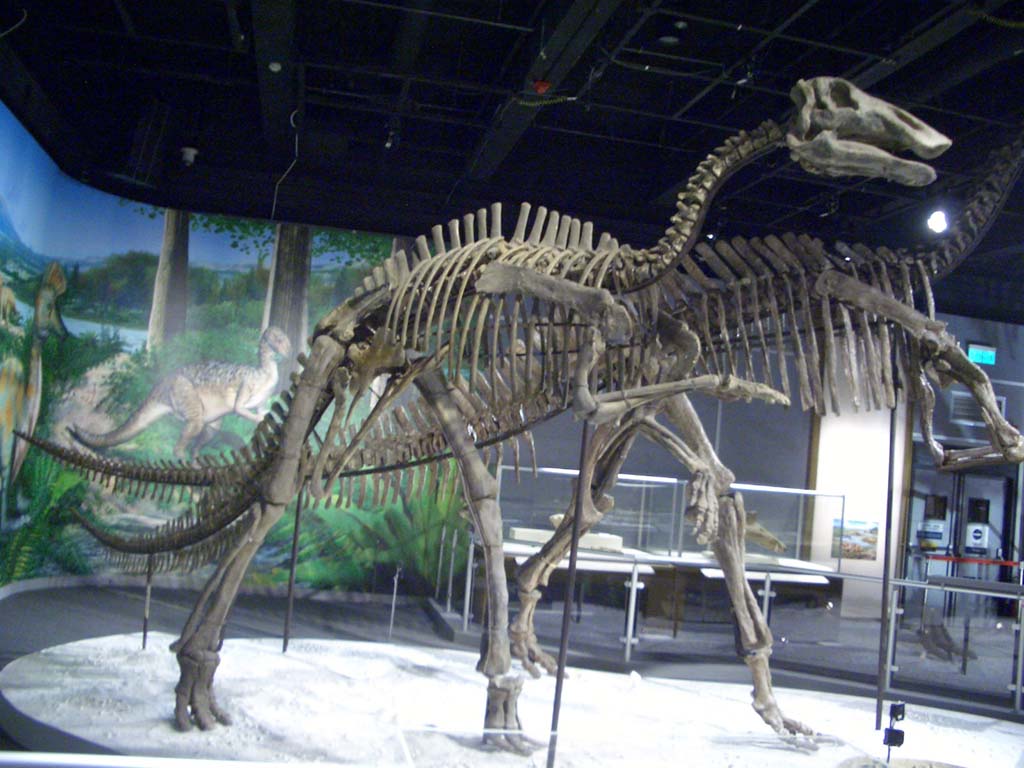
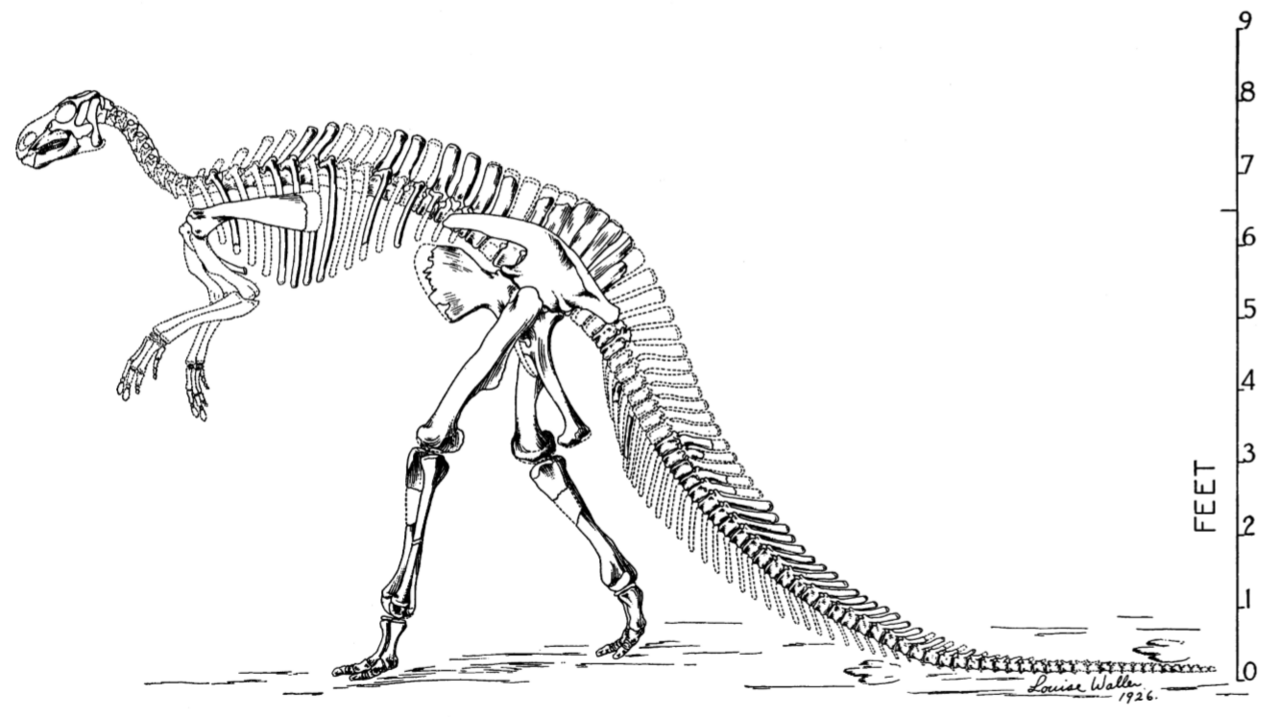
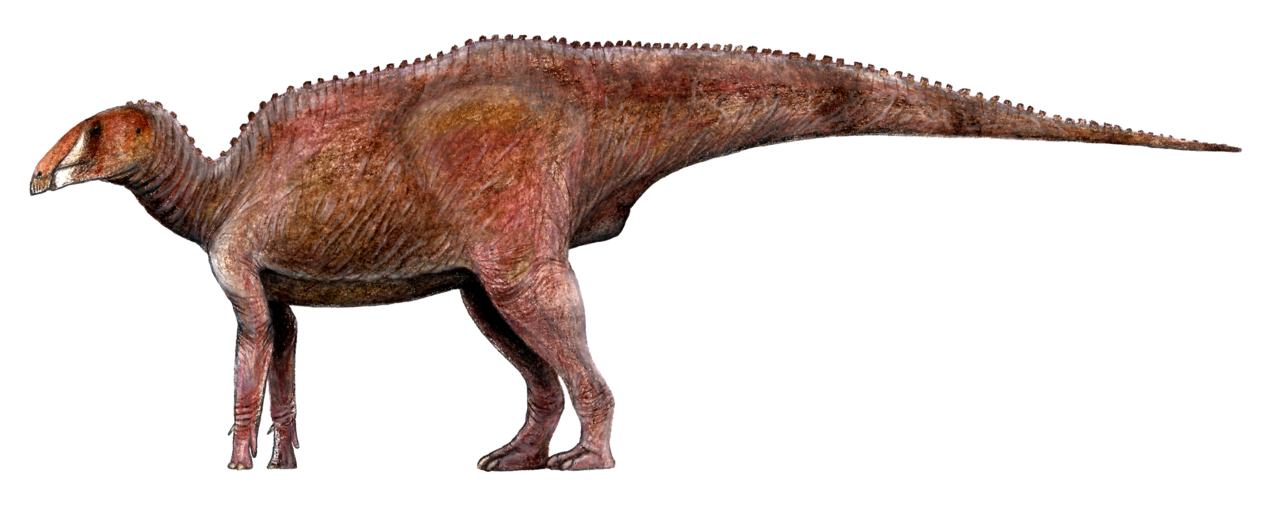
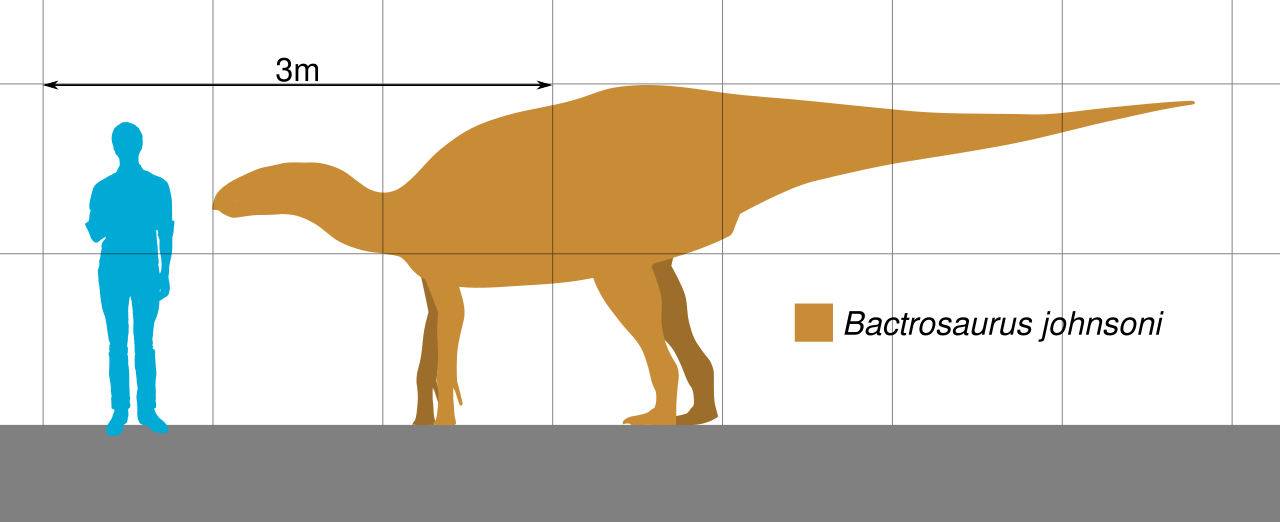
A typical Bactrosaurus measured about 6 to 6.5 meters (20–21 feet) long and weighed around 1.2 metric tons (1.3 short tons). It was an early relative of *Lambeosaurus* and displayed several iguanodont-like traits: three stacked teeth for each visible tooth, small maxillary teeth, and a notably robust build for a hadrosaur. Its femur was 80 centimeters (2.6 feet) long. Originally, Bactrosaurus was thought to be a lambeosaurine hadrosaurid—the oldest and most primitive known—and its lack of a crest seemed puzzling. A 1990 popular book suggested it might have had an incompletely preserved crest, but more recent studies place Bactrosaurus as a more basal hadrosauromorph. Since basal members lack hollow crests, Bactrosaurus itself likely had no crest.
Quick Facts
- Taxon
- Bactrosaurus
- Type Species
- Bactrosaurus johnsoni
- Type Species Authority
- Gilmore, 1933
Facts from the source article.
Lore & Background
The first Bactrosaurus remains were recovered from the Iren Dabasu Formation in the Gobi Desert of China, composed of partial skeletons of six individual B. johnsoni. The specimens collected appear to come from a variety of age groups, from individuals that may be hatchlings to full-sized adults. The fossils were described in 1933 by Charles W. Gilmore, who named the new animal Bactrosaurus, or 'club lizard,' in reference to the large club-shaped neural spines projecting from some of the vertebrae. The Iren Dabasu Formation has been dated to the Cenomanian stage, around 95.8 ± 6.2 million years ago.
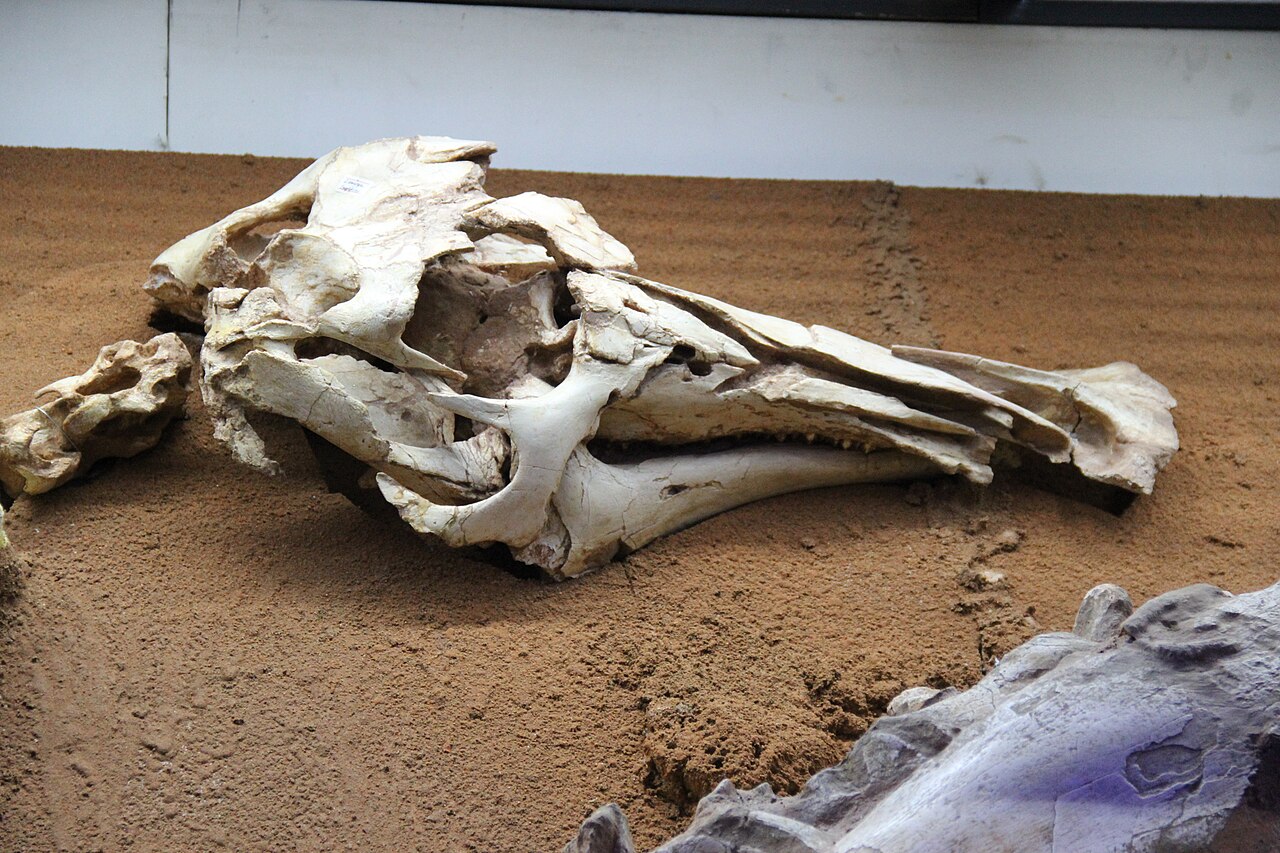
No complete remains have yet to be uncovered, but Bactrosaurus is still better known than most of the early hadrosaurs. Known parts of the anatomy include the limbs, pelvis, and most of the skull (although the crest is notably absent). 'Bakesaurus' is an informal name based on a maxilla from the Majiacun Formation of China assigned to Bactrosaurus in 2001; the nomen nudum was created and pictured in a Chinese-language book by Zhou (2005) and first surfaced on the Internet during February 2006.
Reader's Guide
Bactrosaurus is significant as one of the earliest known hadrosauroids, providing insight into the early evolution of this group. Although known only from partial skeletons, it is better represented than most early hadrosaurs, with remains including limbs, pelvis, and most of the skull. Its anatomy shows features intermediate between the two main hadrosaurid groups, and it was originally thought to be a lambeosaurine hadrosaurid, but recent studies place it as a more basal hadrosauromorph, likely crestless. In 2003, evidence of tumors—including hemangiomas, desmoplastic fibroma, metastatic cancer, and osteoblastoma—was discovered in fossilized Bactrosaurus skeletons, a finding limited to Bactrosaurus and closely related genera among over 10,000 fossils examined. This suggests possible environmental factors or genetic propensity, adding a unique dimension to its paleobiological legacy.
Did You Know?
- Bactrosaurus means 'Club lizard,' referring to the large club-shaped neural spines on some vertebrae.
- The first remains were found in the Iren Dabasu Formation in the Gobi Desert of China and described in 1933 by Charles W. Gilmore.
- Bactrosaurus is one of the earliest known hadrosauroids, living from about 96 to 85 million years ago.
- Fossilized Bactrosaurus skeletons show evidence of tumors, including hemangiomas and metastatic cancer.
Discovery in the Gobi and Its Broader Significance
Bactrosaurus first entered scientific awareness in 1933, when Charles W. Gilmore described partial skeletons recovered from the Iren Dabasu Formation in China's Gobi Desert. The collection comprised material from six individual B. johnsoni specimens, remarkably spanning a wide range of developmental stages—from what may have been hatchlings up to fully grown adults. Gilmore coined the name "club lizard," a nod to the distinctive club-shaped neural spines jutting from certain vertebrae. The formation has since been dated to the Cenomanian stage, placing the animal at roughly 95.8 million years ago, with a margin of about six million years either way. Because no complete skeleton has ever been recovered, one might expect the genus to remain obscure. Yet Bactrosaurus stands out as one of the best-documented of the earliest hadrosauroids, a distinction that makes its discovery a genuinely important milestone in understanding how duck-billed dinosaurs first diversified across Late Cretaceous Asia.
Body Plan and Anatomical Details
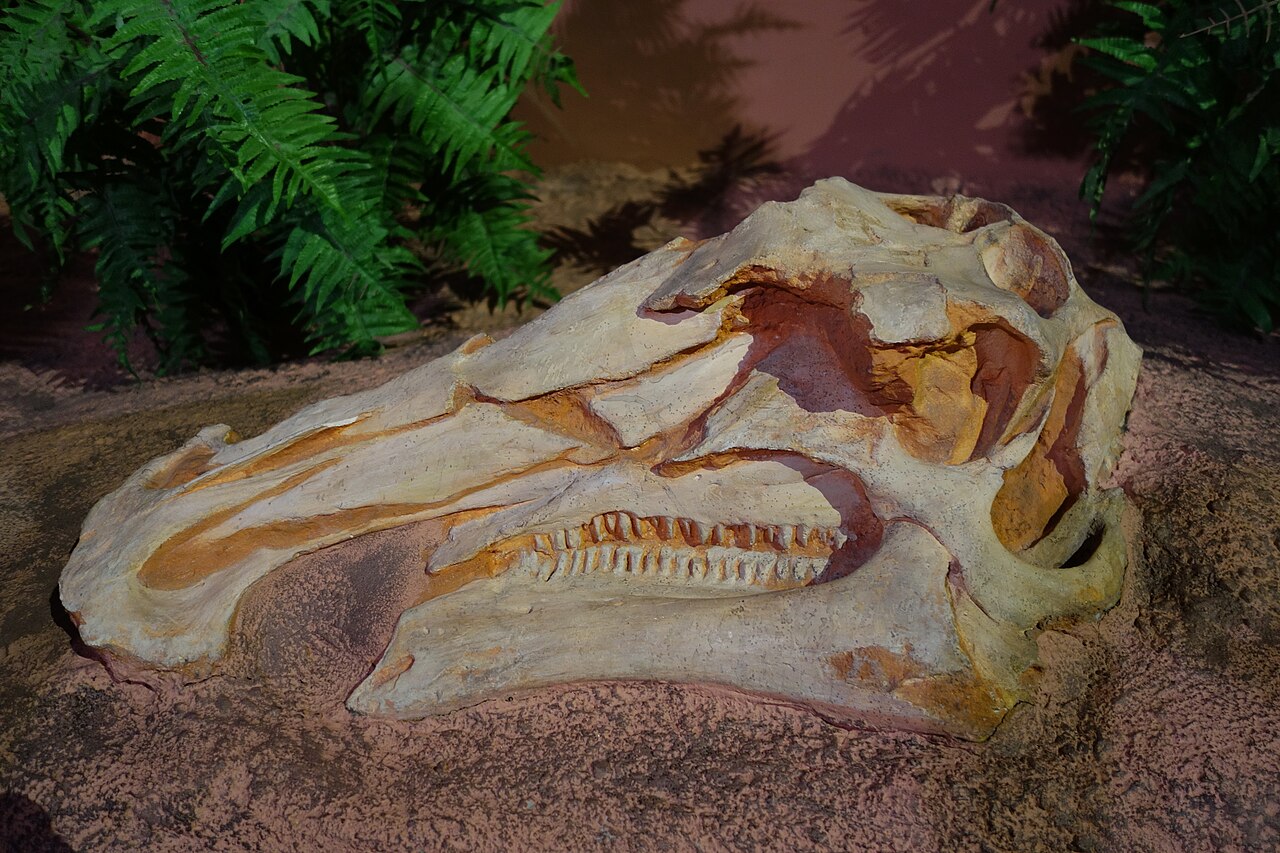
A mature Bactrosaurus would have stretched to roughly six to six and a half meters in length and carried a body mass near 1.2 metric tons. Its femur alone measured about 80 centimeters, hinting at sturdy, well-built limbs. The genus is recognized as an early relative of Lambeosaurus and displays several features reminiscent of iguanodonts, such as a dental arrangement in which three replacement teeth stacked vertically behind each functional tooth, along with notably small teeth on the maxilla. For a hadrosaur, Bactrosaurus possessed an unusually robust and powerful build. Its skeletal anatomy sits in an intermediate position between the two principal hadrosaurid lineages, a trait that has made it valuable for tracing evolutionary transitions. Known elements include the limbs, pelvis, and the majority of the skull, though the crest region is conspicuously missing from the record.
Taxonomic Revisions and the Crest Debate
When Bactrosaurus was first named, researchers classified it as a lambeosaurine hadrosaurid—the oldest and most primitive member of that group. Its lack of a cranial crest was regarded as an anomaly, prompting a 1990 popular book to suggest the crest was simply incompletely preserved in the available material. More recent phylogenetic analyses, however, have repositioned Bactrosaurus as a more basal hadrosauromorph rather than a true lambeosaurine. Because the earliest members of the hadrosauromorph lineage do not develop the hollow, elaborate crests seen in later forms, the consensus now leans toward Bactrosaurus genuinely being crestless. A separate taxonomic footnote involves "Bakesaurus," an informal name attached to a maxilla from China's Majiacun Formation and assigned to Bactrosaurus in 2001. The nomen nudum was illustrated in a Chinese-language volume by Zhou in 2005 and first drew wider attention in February 2006 when Jerry D. Harris mentioned it on the Dinosaur Mailing List.
Evidence of Disease in the Fossil Record
In 2003, a team led by Rothschild and colleagues identified pathological growths in fossilized Bactrosaurus skeletons, marking a striking find in dinosaur paleopathology. The tumors included hemangiomas, desmoplastic fibroma, metastatic cancer, and osteoblastoma. The researchers examined dinosaur vertebrae using computerized tomography and fluoroscope screening, and they found positive results not only in Bactrosaurus but also in several closely related hadrosaurids such as Brachylophosaurus, Gilmoreosaurus, and Edmontosaurus. Crucially, after screening more than ten thousand fossils, the tumors appeared to be restricted to Bactrosaurus and its close relatives, suggesting a lineage-specific vulnerability. The team proposed two broad explanations: either environmental conditions in Late Cretaceous Asia triggered the growths, or a genetic predisposition within this particular branch of hadrosauromorphs made them susceptible. Either way, the discovery offers a rare window into the health and biology of these ancient herbivores.
Gallery
Frequently Asked Questions
What is Bactrosaurus?
Bactrosaurus was a herbivorous hadrosauroid dinosaur whose name blends the Greek words for "club" and "lizard." It belonged to the early radiation of duck-billed dinosaurs that would later diversify into the more familiar hadrosaurs.
How big was Bactrosaurus?
This animal reached roughly six to six and a half meters in length and weighed around 1.2 metric tons, making it a moderately sized grazer for its era.
When and where did Bactrosaurus live?
Bactrosaurus roamed parts of Asia during the Late Cretaceous, spanning approximately 96 to 85 million years ago. Its fossils have been recovered from the Iren Dabasu Formation in China.
Why is Bactrosaurus important to paleontology?
Because it sits among the earliest known hadrosauroids, it helps researchers trace the initial diversification of duck-billed dinosaurs. Despite being known only from partial remains, it is regarded as one of the best-documented members of that early group.
Has a complete Bactrosaurus skeleton ever been found?
No; all known material consists of partial skeletons rather than a single articulated specimen. Even so, the quality and quantity of those fragments make it one of the more thoroughly understood dinosaurs from that early hadrosauroid stage.
More in Late Cretaceous dinosaurs 1-24
Spotted an error? Know more?
Reader corrections go straight into our review queue. Suggest an edit · How this site is sourced