Beibeilong
Giant caenagnathid dinosaur known from an embryo and large eggs.

Hanyong Pu, Darla K. Zelenitsky, Junchang Lü, Philip J. Currie, Kenneth Carpente · CC BY 4.0
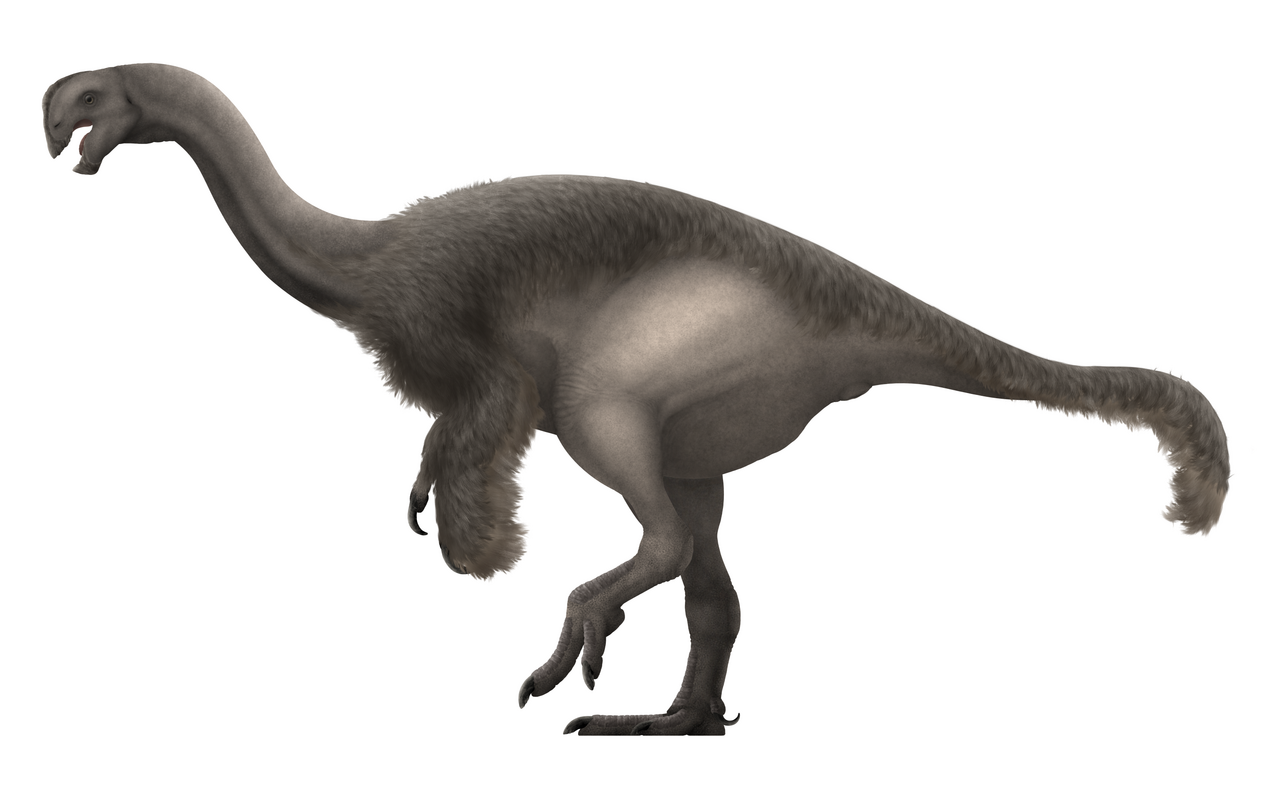
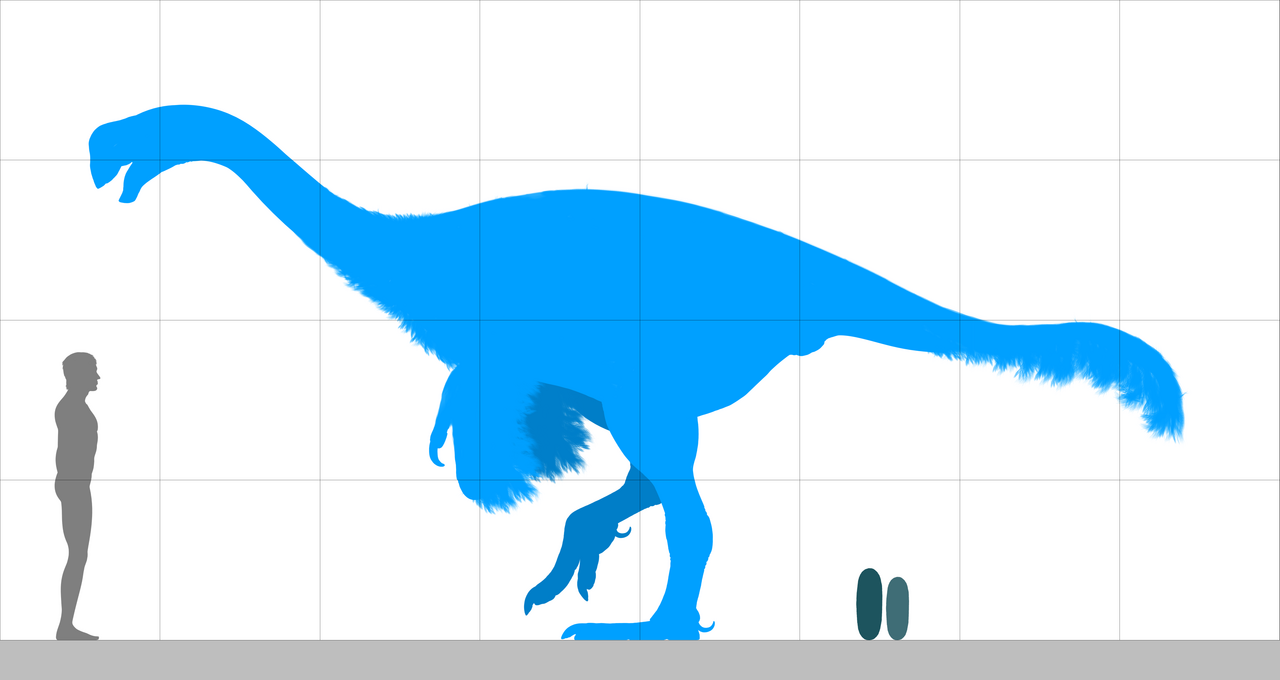
Beibeilong (贝贝龙, meaning "baby dragon" in Chinese) is a genus of large caenagnathid dinosaur from the Late Cretaceous of China, around 96 to 88 million years ago. The only species, *Beibeilong sinensis*, was formally described in 2017 based on an embryonic skeleton nicknamed Baby Louie and a partial nest of large eggs. These fossils were found in the Gaogou Formation of Henan Province, collected between 1992 and 1993. Beibeilong ranks among the biggest oviraptorosaurs, with an adult length estimated at 7.5 meters (25 feet) and a weight of roughly 1.5 to 2 metric tons (1.7–2.2 short tons), based on comparisons with the related *Gigantoraptor*.
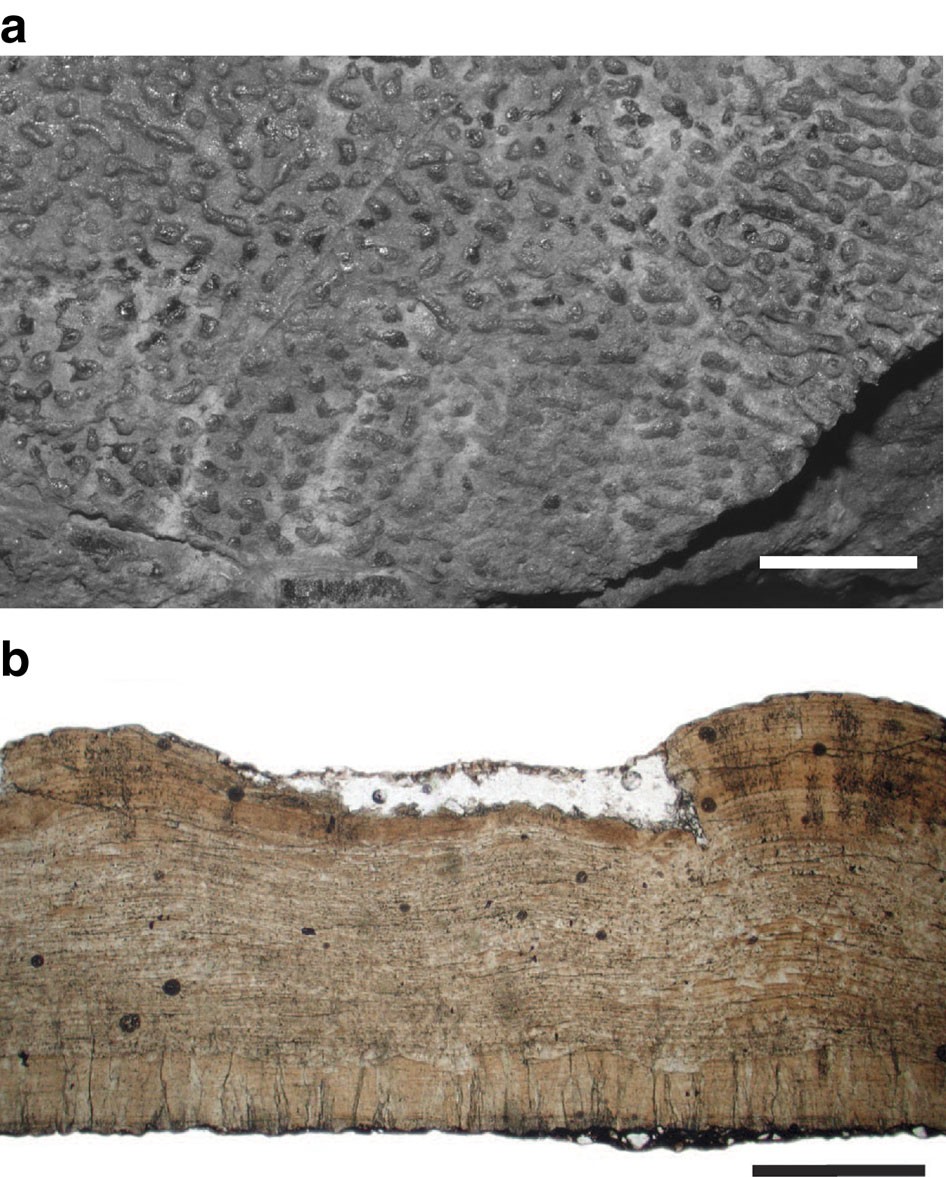
Like most oviraptorosaurs, Beibeilong had toothless jaws tipped with a horny beak (rhamphotheca). Its anatomy aligns it with caenagnathids rather than oviraptorids, and within Caenagnathidae it holds a basal (primitive) position. The dinosaur laid some of the largest known dinosaur eggs, classified as *Macroelongatoolithus*. These eggs measured 40–45 cm (16–18 inches) long and had rugged, ornamented surfaces. The typical nest was ring-shaped, with one or two layers of eggs and an empty center. Giant caenagnathids like Beibeilong may have sat directly in that central space to avoid crushing their eggs under their massive bodies. The environment consisted of humid, well-watered floodplains crossed by rivers, with semi-arid to tropical climates.
**History of Discovery**
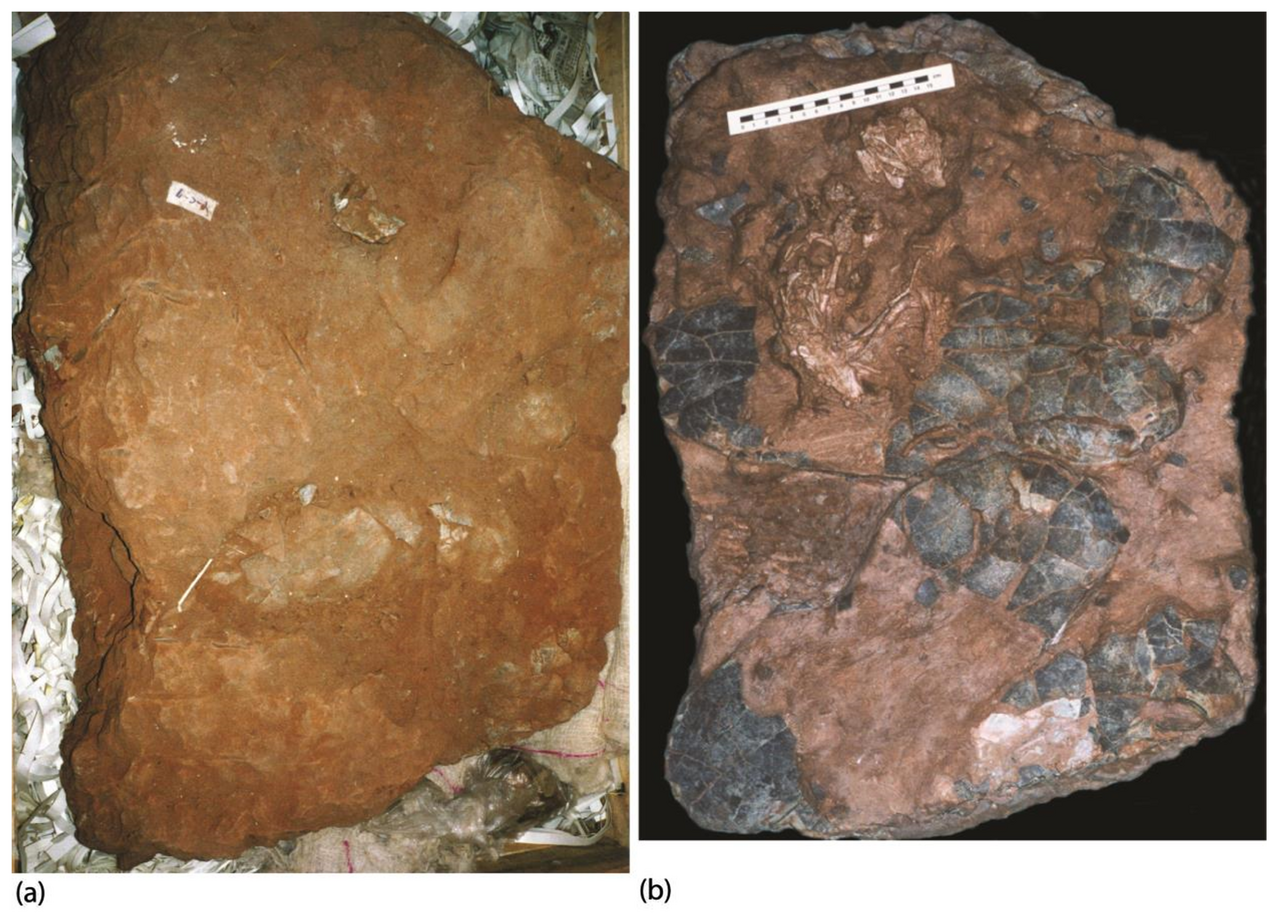
In the late 1980s and early 1990s, Chinese farmers dug up many fossilized dinosaur eggs from Cretaceous sediments of the Gaogou Formation in Henan Province, often still embedded in rock. Despite Chinese efforts to regulate exports and illegal sales in the early 1990s, many eggs left the country and ended up at rock shows, markets, and stores instead of being studied. While abroad, some blocks were cleaned, revealing well-preserved embryos. One such block—containing a 38 cm (15 in) long embryonic oviraptorosaur skeleton alongside several large eggs—was discovered between December 1992 and early 1993 by farmer Zhang Fengchen. It became widely known to the public and scientists.
In 1993, The Stone Company imported that block into the United States and prepared it. In 1996, it appeared on the cover of *National Geographic Magazine*, where the embryo was nicknamed Baby Louie after photographer Louis Psihoyos.
Quick Facts
- Taxon
- Beibeilong
- Type Species
- Beibeilong sinensis
- Type Species Authority
- Pu et al., 2017
Facts from the source article.
Lore & Background
During the late 1980s and early 1990s, Chinese farmers excavated many fossilized dinosaur eggs from the Gaogou Formation in Henan Province. Despite Chinese authorities trying to regulate exports, many eggs ended up abroad. Among these, a block containing a 38 cm (15 in) long embryonic oviraptorosaur skeleton with several large eggs—discovered between December 1992 and early 1993 by farmer Zhang Fengchen—became well-known. In 1993, the block was imported into the United States by The Stone Company, which prepared it. In 1996, the specimen was featured on the cover of National Geographic Magazine, nicknaming the embryo Baby Louie after photographer Louis Psihoyos. In 2001, the Indianapolis Children's Museum acquired it and exhibited it for about 12 years until a repatriation agreement in 2013. In December 2013, the specimen was repatriated to China and housed at the Henan Geological Museum as of May 2017.
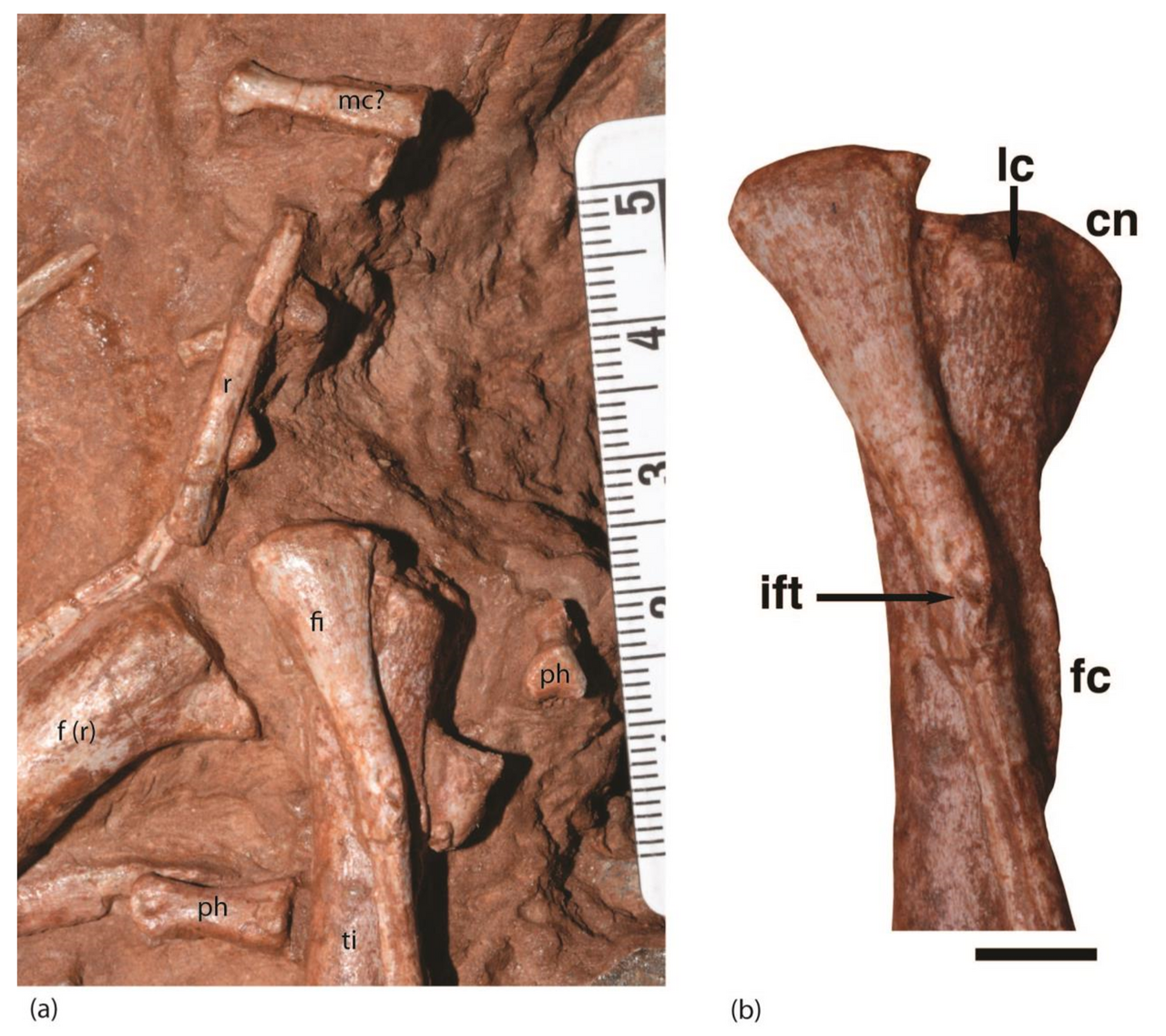
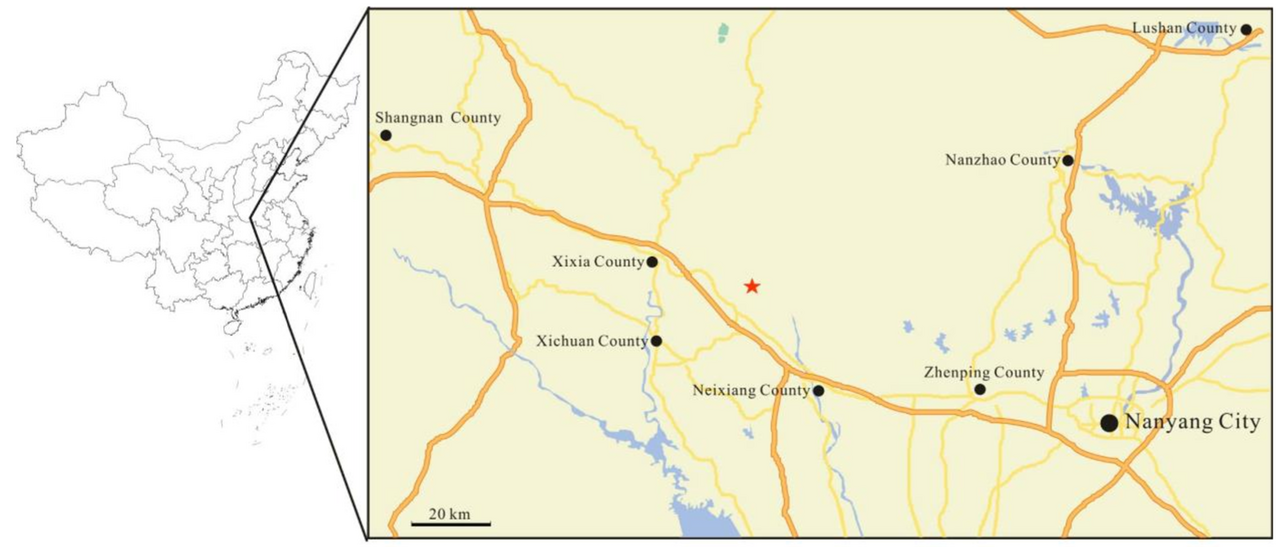
In 2015, paleontologists Hanyong Pu, Philip J. Currie, Junchang Lü, Eva B. Koppelhus, and Songhai Jia traveled to the purported discovery site and found eggshell fragments identical to those on Baby Louie's eggs, confirming the Heimaogou locality (Xixia County) in the Gaogou Formation. In 2017, Pu and colleagues formally described the specimen, naming the new genus and species Beibeilong sinensis. The holotype specimen (HGM 41HIII1219) consists of a partial semi-articulated embryonic skeleton on top of a partial nest of 6–8 Macroelongatoolithus eggs. The team also reported remains attributed to a second embryo protruding from inside one of the eggs.
Reader's Guide
Beibeilong is significant as one of the largest known oviraptorosaurs and caenagnathids, with an estimated adult length of 7.5 m and mass of 1.5–2 metric tons, only surpassed or approached by the closely related Gigantoraptor. Its discovery, based on an embryonic skeleton and associated eggs, provides rare direct evidence linking a specific dinosaur taxon to the egg type Macroelongatoolithus, which represents one of the largest known dinosaur eggs (40–45 cm long). The ring-shaped nest, with one or two layers of eggs and a largely empty center, suggests that giant caenagnathids like Beibeilong may have sat directly in the center to avoid crushing eggs. The repatriation story of the Baby Louie specimen highlights international cooperation in returning scientifically important fossils to their country of origin. Beibeilong's anatomy—toothless jaws with a horny beak, bipedal posture, long fingers with curved claws, and likely feathers (though possibly reduced in giants)—places it basally within Caenagnathidae. Its paleoenvironment consisted of mesic floodplains with semi-arid to tropical climates.
Did You Know?
- Beibeilong is known from an embryonic skeleton nicknamed Baby Louie, which was featured on the cover of National Geographic Magazine in 1996.
- Its eggs, Macroelongatoolithus, measured about 40–45 cm (16–18 in) in length and had ruggedly ornamented surfaces.
- The holotype specimen was repatriated to China in December 2013 after being exhibited at the Indianapolis Children's Museum for about 12 years.
- Beibeilong's estimated adult body mass of 1.5–2 metric tons makes it among the largest oviraptorosaurs, only surpassed or approached by Gigantoraptor.
The Long Road Home: Discovery and Repatriation
In the winter of 1992 into early 1993, farmer Zhang Fengchen uncovered a sediment block in the Gaogou Formation of Henan Province that contained a 38-centimeter embryonic oviraptorosaur skeleton resting atop several large eggs. The specimen's journey from that rural site to formal scientific description was neither quick nor simple. In 1993, The Stone Company transported the block to the United States for preparation, where cleaning exposed the well-preserved embryo. That same era saw Chinese authorities struggle to prevent the illegal export of dinosaur eggs, many of which ended up in rock shows and retail markets abroad. In 1996, the embryo appeared on the cover of National Geographic Magazine, where it was christened Baby Louie in honor of the issue's photographer, Louis Psihoyos. The specimen then spent roughly twelve years on public display at the Indianapolis Children's Museum. A repatriation agreement was finalized in 2013, and in December of that year the block returned to China. By May 2017 it was housed at the Henan Geological Museum, where it was formally designated the holotype of a new genus and species.
A Titan Among Oviraptorosaurs
Beibeilong sinensis ranks among the largest known oviraptorosaurs, with an estimated adult length of about 7.5 meters and a body mass in the range of 1.5 to 2 metric tons. Those dimensions were extrapolated from the enormous eggs found with the holotype embryo, and only the closely related Gigantoraptor approaches or surpasses them. Despite its considerable bulk, Beibeilong would have been a bipedal animal with well-developed legs, a long neck, and a relatively small head terminating in a toothless, horny beak. Its hands carried long fingers tipped with large, curved claw bones, while a moderate tail balanced the trunk. The skull lacked tooth sockets entirely, and the rugose premaxilla would have anchored the rhamphotheca. One trait unique to Beibeilong is a pronounced antorbital fossa on the maxilla, sharply demarcated by two long ridge-like structures on the bone's exterior. The nasal bones were fused and formed a major part of the nostril openings, with several nutrient foramina visible on their outer surface. Within Caenagnathidae, Beibeilong holds a basal, primitive position, and most of its anatomical features align with caenagnathids rather than the oviraptorid family.
Giant Eggs and Ring-Shaped Nests
The Macroelongatoolithus eggs associated with Beibeilong are among the largest dinosaur egg types known to science, measuring roughly 40 to 45 centimeters in length and bearing ruggedly ornamented shell surfaces. The holotype nest preserved six to eight of these eggs, though researchers noted this represents only a small fraction of the original clutch. Typical Macroelongatoolithus nests were arranged in a ring shape, with eggs laid in one or two layers and the center of the ring largely left empty. Paleontologists have proposed that giant caenagnathids like Beibeilong may have perched directly in that open central space, a positioning that would have helped their massive bodies avoid crushing the eggs beneath them. In a remarkable additional find, remains attributed to a second embryo were discovered protruding from inside one of the preserved eggs, offering a rare glimpse into the developmental stage of a Beibeilong hatchling. The holotype specimen, catalogued as HGM 41HIII1219, thus captures not just a single embryo but a snapshot of an entire nesting event.
Floodplain Dweller of the Late Cretaceous
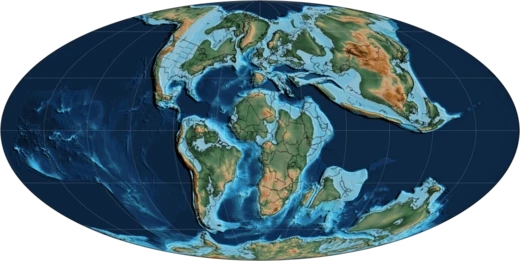
Beibeilong lived during the Late Cretaceous, roughly 96 to 88 million years ago, in what is now Henan Province, China. The paleoenvironment reconstructed from the Gaogou Formation points to relatively mesic, well-watered floodplains threaded by rivers, under semi-arid to tropical climatic conditions. In 2015, a team led by Hanyong Pu, together with Philip J. Currie, Junchang Lü, Eva B. Koppelhus, and Songhai Jia, traveled to the Heimaogou locality in Xixia County within the Xixia Basin. There they collected eggshell fragments identical to those on the Baby Louie eggs, confirming the original excavation site. The following year, in 2017, Pu and colleagues published the formal description, coining the name Beibeilong sinensis. The generic name blends the pinyin bèibei, meaning "baby," with lóng, meaning "dragon," yielding "baby dragon," while the specific epithet sinensis simply denotes China as the country of discovery.
Gallery
Frequently Asked Questions
What is Beibeilong?
Beibeilong is a genus of large caenagnathid theropod dinosaur from China's Late Cretaceous, living roughly 96 to 88 million years ago. The single known species, Beibeilong sinensis, was formally named in 2017 based on an embryonic skeleton and a partial clutch of large eggs.
How big was an adult Beibeilong?
Adults are estimated to have reached about 7.5 meters (25 feet) in length and weighed somewhere between 1.5 and 2 metric tons. That places Beibeilong among the largest oviraptorosaurs ever identified.
What does the name 'Beibeilong' mean?
The Chinese name 贝贝龙 translates to 'baby dragon,' a playful reference to the fact that the holotype is an embryonic specimen nicknamed Baby Louie. The species epithet 'sinensis' simply marks its Chinese origin.
Where and when were the Beibeilong fossils found?
The material comes from the Gaogou Formation in Henan Province, China, and was gathered during fieldwork in 1992 and 1993. The assemblage includes a well-preserved embryo alongside a partial nest of Macroelongatoolithus eggs.
Why is Beibeilong significant to paleontology?
It offers one of the best-preserved embryonic records among the giant oviraptorosaurs, shedding light on nesting behavior and developmental stages in these large theropods. Its estimated adult mass also pushes the upper size range known for the caenagnathid family.
More in Late Cretaceous dinosaurs 1-24
Spotted an error? Know more?
Reader corrections go straight into our review queue. Suggest an edit · How this site is sourced