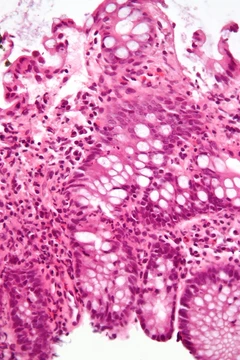
Pancreatitis
Inflammation of the pancreas causing severe abdominal pain.
Pancreatitis is an inflammatory condition of the pancreas, an organ behind the stomach that produces digestive enzymes and hormones. It occurs in two main forms: acute pancreatitis, which typically resolves within days, and chronic pancreatitis, which involves persistent inflammation and progressive damage. The condition can lead to serious complications such as infection, bleeding, diabetes mellitus, and organ dysfunction.
Quick Facts
- Field
- Gastroenterology, general surgery
- Symptoms
- Pain in the upper abdomen
- nausea
- vomiting
- fever
- fatty stool
- Complications
- Infection
- bleeding
- diabetes mellitus
- pancreatic cancer
- kidney failure
- breathing problems
- malnutrition
- Duration
- Short or long term
- Causes
- Gallstone
- heavy alcohol use
- direct trauma
- certain medications
- mumps
- Risks
- Smoking
- Diagnosis
- Based on symptoms, blood amylase or lipase
- Treatment
- Intravenous fluids
- pain medication
- antibiotics
Facts from the source article.
Did You Know?
- Acute pancreatitis was first described on autopsy in 1882, while chronic pancreatitis was first described in 1946.
- In adults in the United Kingdom, the estimated average total direct and indirect costs from chronic pancreatitis is roughly £79,000 per person annually.
Signs and symptoms
The most common symptoms are severe upper abdominal or left upper quadrant burning pain that radiates to the back, nausea, and vomiting that worsens with eating. Physical examination findings vary with severity and internal bleeding; blood pressure may be elevated from pain or decreased by dehydration or bleeding, heart and respiratory rates are often elevated, and the abdomen is tender but less so than the pain itself. Bowel sounds may be reduced due to reflex bowel paralysis, and fever or jaundice may be present. Chronic pancreatitis can lead to diabetes or pancreatic cancer, and unexplained weight loss may occur from insufficient pancreatic enzymes. Early complications include shock, infection, systemic inflammatory response syndrome, low blood calcium, high blood glucose, dehydration, kidney failure, pleural effusion, lung collapse, and inflammation from pancreatic enzymes attacking the lungs. Severe inflammation can cause intra-abdominal hypertension and abdominal compartment syndrome. Late complications include recurrent pancreatitis, pancreatic pseudocysts that may become infected, rupture, bleed, block the bile duct, or migrate, and acute necrotizing pancreatitis can lead to a pancreatic abscess.
Causes
Gallstones and alcohol are responsible for roughly four out of five cases of pancreatitis. The most frequent trigger for acute pancreatitis is a gallstone lodged in the bile duct, while chronic alcohol abuse is the leading cause of chronic pancreatitis. Very high blood triglycerides, above 1000 mg/dL, can also bring it on. Doctors often use the memory aid GET SMASHED to list the main causes: gallstones, ethanol, trauma, steroids, mumps, autoimmune disease, scorpion stings, hyperlipidemia, hypothermia or hyperparathyroidism, ERCP, and certain drugs like azathioprine, valproic acid, and liraglutide. Seven medication classes are linked to acute pancreatitis: statins, ACE inhibitors, oral contraceptives or hormone replacement therapy, diuretics, antiretroviral drugs, valproic acid, and oral hypoglycemic agents. HIV infection itself raises the risk, and antiretroviral therapy can cause metabolic issues that predispose someone to the condition. Atypical antipsychotics such as clozapine, risperidone, and olanzapine are also implicated. Various infections can cause pancreatitis, including viruses like coxsackie virus, cytomegalovirus, hepatitis B, herpes simplex, mumps, and varicella-zoster; bacteria such as Legionella, Leptospira, Mycoplasma, and Salmonella; the fungus Aspergillus; and parasites including Ascaris, Cryptosporidium, and Toxoplasma.
Diagnosis
Diagnosis requires two of three criteria: characteristic acute onset of epigastric or vague abdominal pain that may radiate to the back; serum amylase or lipase levels at least three times the upper limit of normal; and imaging study with characteristic changes (CT, MRI, abdominal ultrasound, or endoscopic ultrasound). Lipase elevation is considered a better indicator due to greater specificity and longer half-life. In chronic pancreatitis, the fecal pancreatic elastase-1 test is a marker of exocrine function; additional tests may include hemoglobin A1C, immunoglobulin G4, rheumatoid factor, and anti-nuclear antibody. Abdominal ultrasound is convenient and inexpensive but the view of the pancreas is obstructed by bowel gas in 25–35% of patients. Contrast-enhanced CT is usually performed more than 48 hours after pain onset to evaluate for necrosis and extrapancreatic fluid. ERCP or endoscopic ultrasound can be used if a biliary cause is suspected.
Treatment
Treatment for acute pancreatitis depends on whether the disease is mild, typically resolving without treatment, or severe. Patients with mild acute pancreatitis should still be hospitalized briefly for IV fluids and monitoring. Pain management may involve NSAIDs for mild cases, but most patients require heavy opioid regimens, often continuous IV infusions for severe cases; pain management should not be withheld for diagnosis. Moderately aggressive fluid resuscitation with lactated Ringer solution or saline is advisable for all patients, as they are typically hypovolemic, which can lead to pancreatic necrosis. Infection is a major cause of mortality; many patients have gut barrier damage allowing bacterial translocation, and some gut bacteria release pro-inflammatory molecules, while a healthy microbiome helps prevent infection. For severe pancreatitis, a nasogastric tube may be placed for nutrition, and ERCP may be done to remove a gallstone if present. In those with gallstones, the gallbladder is often removed. In chronic pancreatitis, temporary nasogastric feeding, long-term dietary changes, and pancreatic enzyme replacement may be required; occasionally surgery is done to remove parts of the pancreas.
More in Inflammatory Diseases of the Digestive System
Spotted an error? Know more?
Reader corrections go straight into our review queue. Suggest an edit · How this site is sourced