Cytomegalovirus esophagitis
A viral esophagitis in immunocompromised patients, often linked to HIV.
This esophageal infection, caused by cytomegalovirus, mainly affects people with compromised immune systems, especially those with HIV. Symptoms can include trouble swallowing, upper belly pain, diarrhea, nausea, vomiting, and sometimes vomiting blood.
Quick Facts
- Field
- Gastroenterology, infectious disease
Facts from the source article.
Did You Know?
- Cytomegalovirus can be transmitted from mother to child after childbirth, as well as through blood or sexual contact.
- Transmission via saliva, tears, or skin contact is rare.
- Alternative treatments include valganciclovir or foscarnet; common side effects of these medications include nausea, diarrhea, fever, and loss of appetite.
Diagnosis
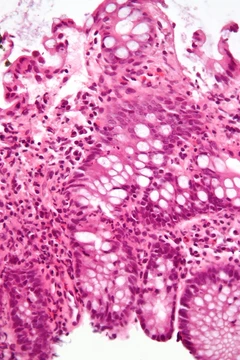
Endoscopy with biopsy is the most effective diagnostic tool for CMV esophagitis. Inspection typically reveals large punched out lesions in the middle esophagus. Histological evaluation shows enlarged cells in the sub-epithelial layer with inclusions in both the nucleus and cytoplasm. Immunoperoxidase staining is highly specific. Radiologic imaging such as X-rays or CT scans are not effective for diagnosis but can identify strictures or fistulas.
More in Inflammatory Diseases of the Digestive System
Spotted an error? Know more?
Reader corrections go straight into our review queue. Suggest an edit · How this site is sourced