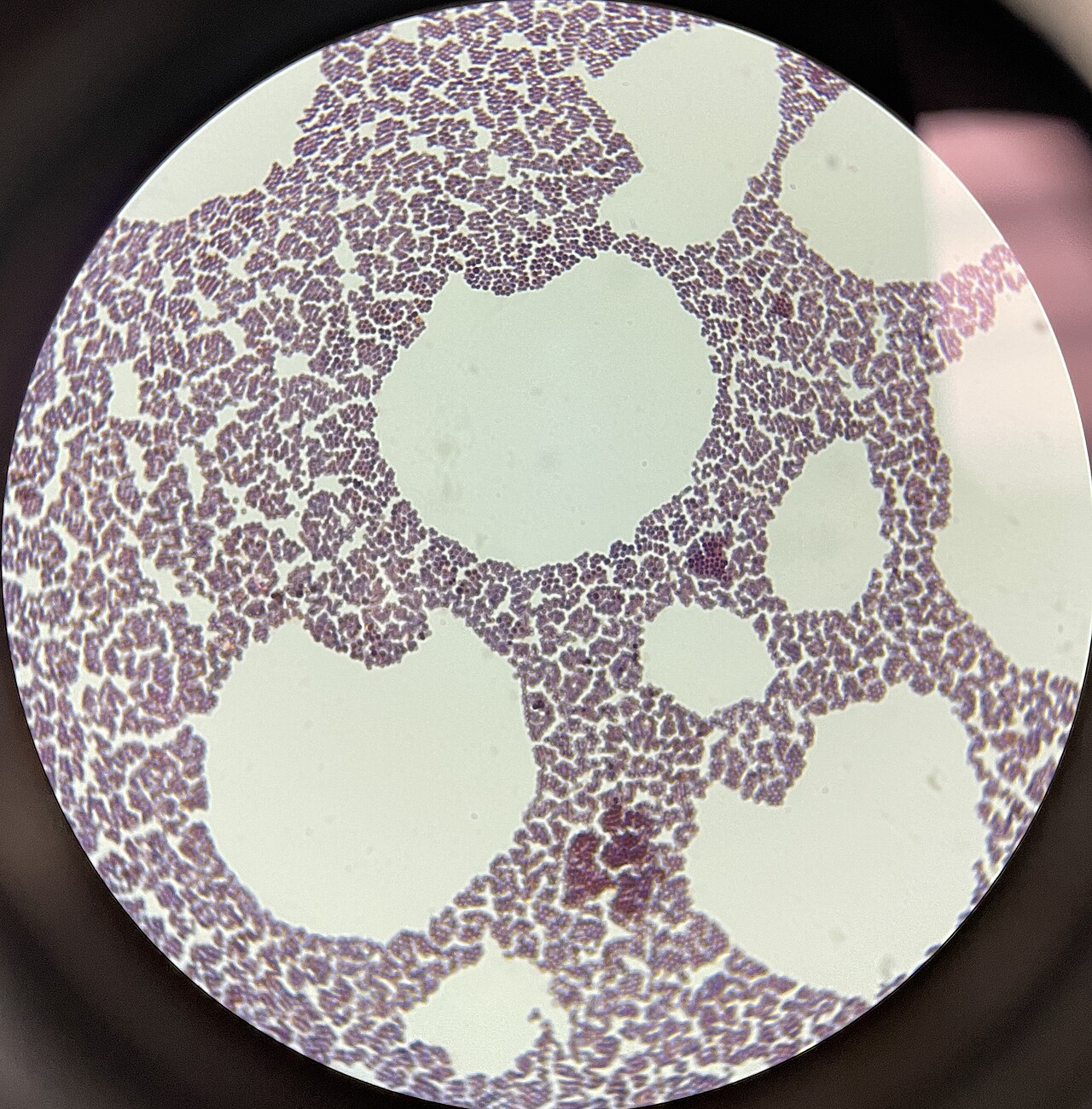
Staphylococcus
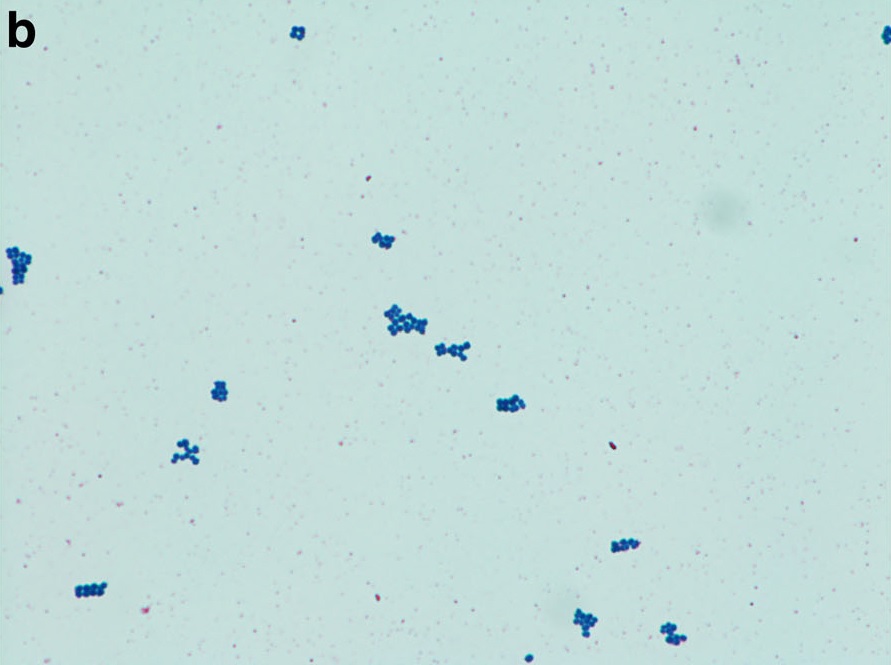
Gram-positive cocci forming grape-like clusters; includes MRSA.

Varun Punnam · CC BY-SA 4.0
Staphylococcus is a genus of round, Gram-positive bacteria belonging to the Staphylococcaceae family. Their cells can be found alone, in pairs, groups of four, short chains, or—most distinctively—in uneven clusters that resemble bunches of grapes. Most species do not move or form spores, and they can grow with or without oxygen. These bacteria commonly live harmlessly on the skin and mucous membranes of humans and other animals, but some can turn into opportunistic pathogens. The type species is *Staphylococcus aureus*.
The genus name comes from the Greek words *staphylē* (bunch of grapes) and *kokkos* (berry or grain), a reference to their characteristic clustering. Alexander Ogston first spotted these clustered cocci in pus from a surgical abscess, and later Friedrich Julius Rosenbach established the genus, distinguishing *S. aureus* from what is now called *S. epidermidis*.
In terms of taxonomy, the List of Prokaryotic names with Standing in Nomenclature (LPSN) recognizes 76 correctly named species, with *S. aureus* as the type. In 2020, five species were moved to a new genus, *Mammaliicoccus*, but LPSN still treats that name as a synonym of *Staphylococcus*, while other databases like NCBI and GTDB keep them separate.
Phylogenetically, a tree based on 120 marker proteins from GTDB release R11-RS232 shows relationships among named species clusters accepted by LPSN, omitting unnamed or letter-suffixed groups.
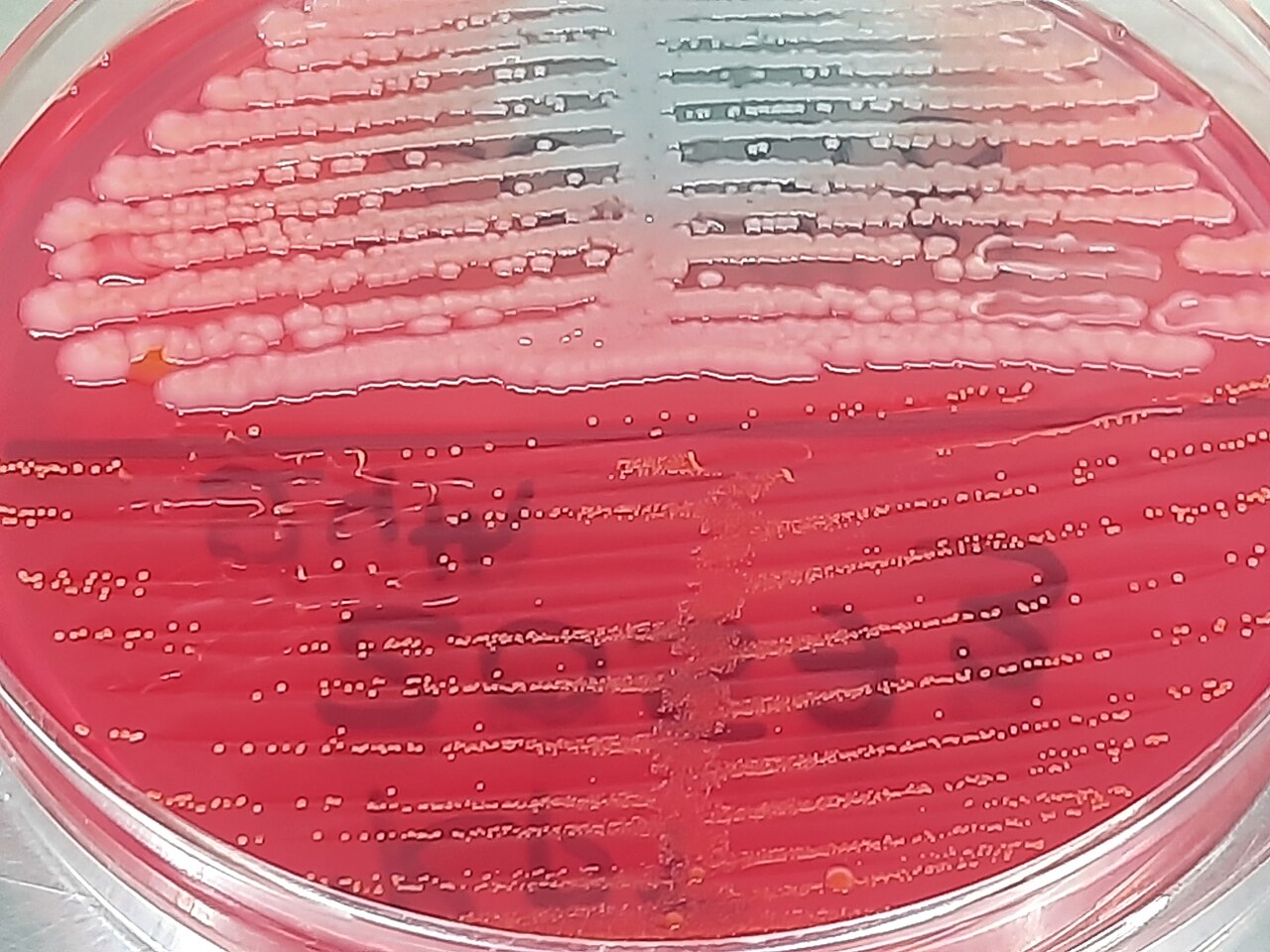
Staphylococcal cells have a thick peptidoglycan wall containing teichoic acids. Most are catalase-positive and facultatively anaerobic, though other traits vary. Many tolerate high salt levels. In the lab, catalase testing helps separate staphylococci from streptococci and enterococci. Coagulase and other biochemical tests narrow down the species, but closely related ones may need molecular methods or MALDI-TOF mass spectrometry for sure identification.
Coagulase production—the ability to clot plasma—is a key trait for grouping staphylococci. Nine species are traditionally coagulase-positive: *S. argenteus*, *S. aureus*, *S. coagulans*, *S. cornubiensis*, *S. delphini*, *S. intermedius*, *S. lutrae*, *S. pseudintermedius*, and *S. schweitzeri*. Three others—*S. agnetis*, *S. chromogenes*, and *S. hyicus*—are coagulase-variable. A broader study found 13 species could clot at least one of six animal plasmas, including *S.
Quick Facts
- Taxon
- Staphylococcus
- Type Species
- Staphylococcus aureus
- Type Species Authority
- Rosenbach 1884 (Approved Lists 1980)
Facts from the source article.
Lore & Background
The name Staphylococcus derives from the Ancient Greek words σταφυλή (staphylē), meaning 'bunch of grapes', and κόκκος (kokkos), meaning 'berry' or 'grain', referring to the characteristic cellular arrangement. Alexander Ogston first described clustered cocci in pus from a surgical abscess, and Friedrich Julius Rosenbach subsequently established the genus and distinguished S. aureus from the organism now known as S. epidermidis. The type species is Staphylococcus aureus, and LPSN recognizes 76 species with correct names in the genus. In 2020, five species were transferred to the newly established genus Mammaliicoccus, though LPSN currently treats Mammaliicoccus as a heterotypic synonym of Staphylococcus and retains the corresponding Staphylococcus names.
Reader's Guide
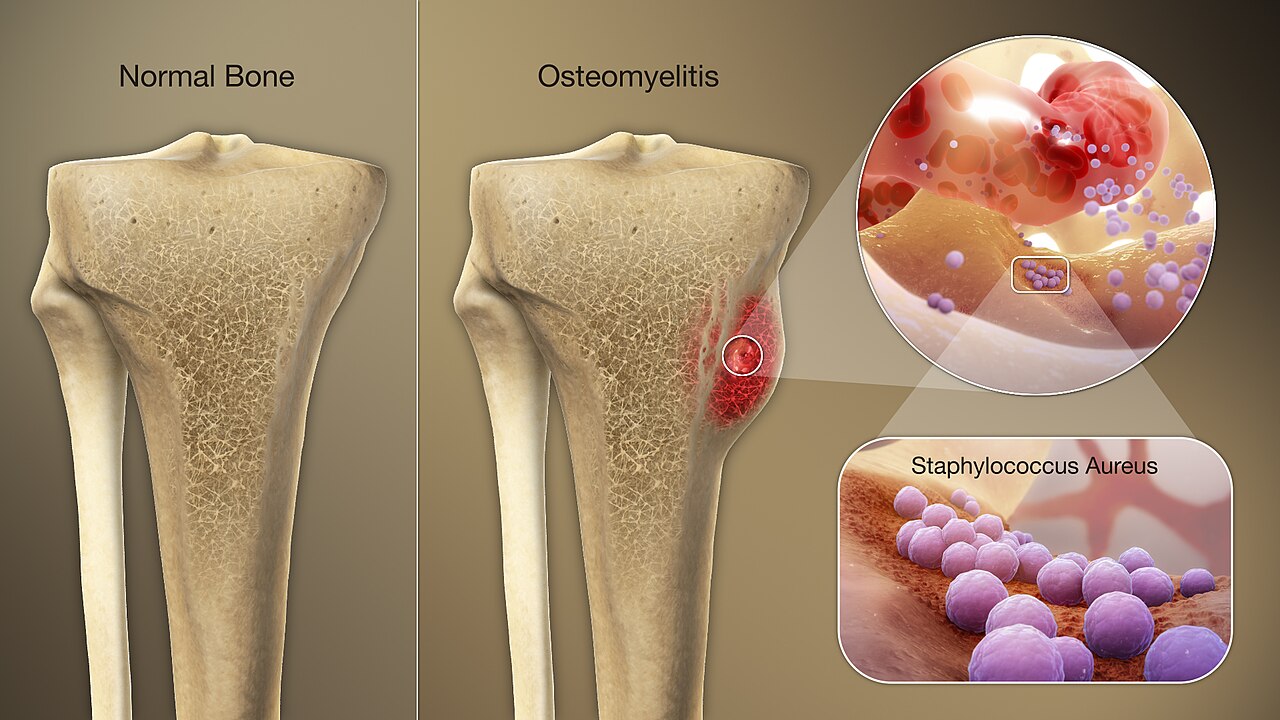
Staphylococcus is a genus of Gram-positive, spherical bacteria that commonly colonize the skin and mucosal surfaces of mammals and birds. Its clinical significance is dominated by Staphylococcus aureus, which can cause community- and healthcare-associated infections ranging from skin and soft-tissue infections to bloodstream infections, pneumonia, endocarditis, osteomyelitis, and infections associated with implanted medical devices. Antibiotic-resistant strains such as methicillin-resistant Staphylococcus aureus (MRSA) can cause serious disease. Coagulase-negative species, including S. epidermidis and S. saprophyticus, are often components of the normal microbiota but can cause opportunistic infections, particularly in healthcare settings. The genus is characterized by a thick peptidoglycan cell wall containing teichoic acids, catalase positivity, and tolerance to elevated salt concentrations. Coagulase activity is an important phenotypic characteristic used to distinguish groups of staphylococci, with nine species conventionally described as coagulase-positive. Horizontal gene transfer contributes to the distribution of antimicrobial-resistance and virulence genes among staphylococcal strains.
Did You Know?
- The name Staphylococcus comes from Greek words meaning 'bunch of grapes' and 'berry', referring to its grape-like clusters.
- Nine species are conventionally described as coagulase-positive, including S. aureus.
- Complete genome sequences of MRSA strains N315 and Mu50 revealed numerous genes associated with virulence and antimicrobial resistance.
Discovery & the Penicillin Paradox
In 1880, Scottish surgeon Alexander Ogston observed clusters of bacteria in pus during a surgical procedure on an abscess, leading him to name the organism Staphylococcus for its grape-like arrangement under the microscope. Four years later, German researcher Friedrich Julius Rosenbach distinguished S. aureus from its relative S. albus, establishing the species we know today. For decades, the bacterium remained a lethal threat; before the 1940s, most patients infected with it did not survive. The arrival of penicillin transformed treatment, yet the triumph was short-lived. By the end of the 1940s, penicillin-resistant strains had spread widely, triggering outbreaks that underscored the bacterium's capacity for rapid adaptation. The diagnostic landscape also evolved: in the early 1930s, clinicians adopted coagulase testing, a streamlined method detecting an enzyme the bacterium produces, to confirm S. aureus infections. This early history set the stage for an ongoing arms race between medicine and a microbe that refuses to stay subdued.
Genetic Architecture & Evolutionary Strategy
S. aureus is organized into ten dominant human lineages, with numerous minor ones circulating less frequently. Within a lineage, genomes remain largely conserved, but mobile genetic elements—bacteriophages, pathogenicity islands, plasmids, transposons, and staphylococcal cassette chromosomes—constantly shuffle the genetic landscape, enabling the bacterium to acquire new traits. Approximately 22% of the genome is non-coding, contributing to substantial variation between individual cells. This diversity is functionally significant: only a handful of strains are linked to human infection, revealing a wide spectrum of pathogenic potential. The species also co-evolves with its human hosts, developing the ability to colonize the nasopharynx asymptomatically and spread through populations. Two key evolutionary brakes exist. The AGR global regulator ties virulence to fitness, forcing a trade-off where reduced virulence can enhance drug resistance. Meanwhile, the Sau1 Type I restriction-modification system digests foreign DNA, permitting gene exchange within a lineage but blocking transfer between different lineages, thereby preserving genetic boundaries.
Clinical Burden & the Resistance Crisis
The clinical footprint of S. aureus spans an extraordinary range, from superficial pimples, impetigo, and boils to devastating conditions including pneumonia, meningitis, osteomyelitis, endocarditis, toxic shock syndrome, bacteremia, and sepsis. It remains one of the five most common causes of hospital-acquired infections and is frequently responsible for post-surgical wound infections. In the United States alone, roughly 500,000 hospitalized patients contract a staphylococcal infection each year, predominantly from S. aureus, and up to 50,000 deaths are attributed to staphylococcal disease annually. The bacterium's capacity to produce potent protein toxins and a cell-surface protein that binds and neutralizes antibodies makes it a formidable pathogen. Its status as a leading cause of antimicrobial-resistance-related deaths is compounded by the emergence of strains like methicillin-resistant S. aureus (MRSA). Despite extensive research, no vaccine has been approved, leaving clinicians dependent on antibiotics that the bacterium continually outmaneuvers. This combination of broad pathogenicity, resistance, and the absence of a preventive vaccine makes S. aureus a persistent global clinical challenge.
The Carrier State & Human-Microbe Co-Evolution
An estimated 21% to 30% of people are long-term carriers of S. aureus, harboring it in the nostrils, on the skin, and in the lower reproductive tract of females without experiencing symptoms. This quiet carriage is a product of co-evolution: over time, the bacterium has adapted to persist in the human nasopharynx, allowing it to pass through populations and enhance its species-level fitness. Yet carriage is not universal. Approximately 50% of humans carry the organism, split into continuous carriers (about 20%) and intermittent ones (roughly 30%). A 1995 study by Hofman and colleagues identified individual-specific factors influencing colonization, including age, sex, diabetes, and smoking status. They also highlighted a genetic variant in the human glucocorticoid receptor gene that increases corticosteroid production and raises the likelihood of carrying S. aureus. Critically, any strain can become invasive, and whether that happens depends heavily on host biology. This intricate interplay means the bacterium's danger is not fixed in its genes alone but is shaped dynamically by the person it inhabits.
Gallery


Frequently Asked Questions
Who is Staphylococcus?
Staphylococcus is a genus of spherical, Gram-positive bacteria in the Staphylococcaceae family, with S. aureus serving as its type species. It is a normal resident of human and animal skin and mucous membranes, usually harmless but capable of shifting into an opportunistic pathogen under the right conditions.
What does Staphylococcus look like?
Its cells are round (cocci) and are most recognizable for piling into irregular, grape-bunch-like clusters rather than neat chains or pairs. The genus name itself is drawn from the Greek word for 'bunch of grapes,' a direct nod to that signature arrangement.
What are Staphylococcus's abilities?
As a facultatively anaerobic organism, it can carry out its metabolism whether oxygen is present or absent. Most species cannot swim or form spores, so they depend on surface colonization and their host environment for persistence.
Why is Staphylococcus important?
It sits at the center of clinical microbiology because certain strains, especially methicillin-resistant S. aureus, create formidable treatment challenges in both hospitals and the community. Its dual identity as everyday commensal and serious pathogen makes it a cornerstone topic in infectious-disease study.
More in Infectious Agents And Pathogens 1-21
Spotted an error? Know more?
Reader corrections go straight into our review queue. Suggest an edit · How this site is sourced