Pseudomonas aeruginosa
Opportunistic pathogen with high antibiotic resistance and versatile metabolism.

DataBase Center for Life Science (DBCLS) · CC BY 4.0
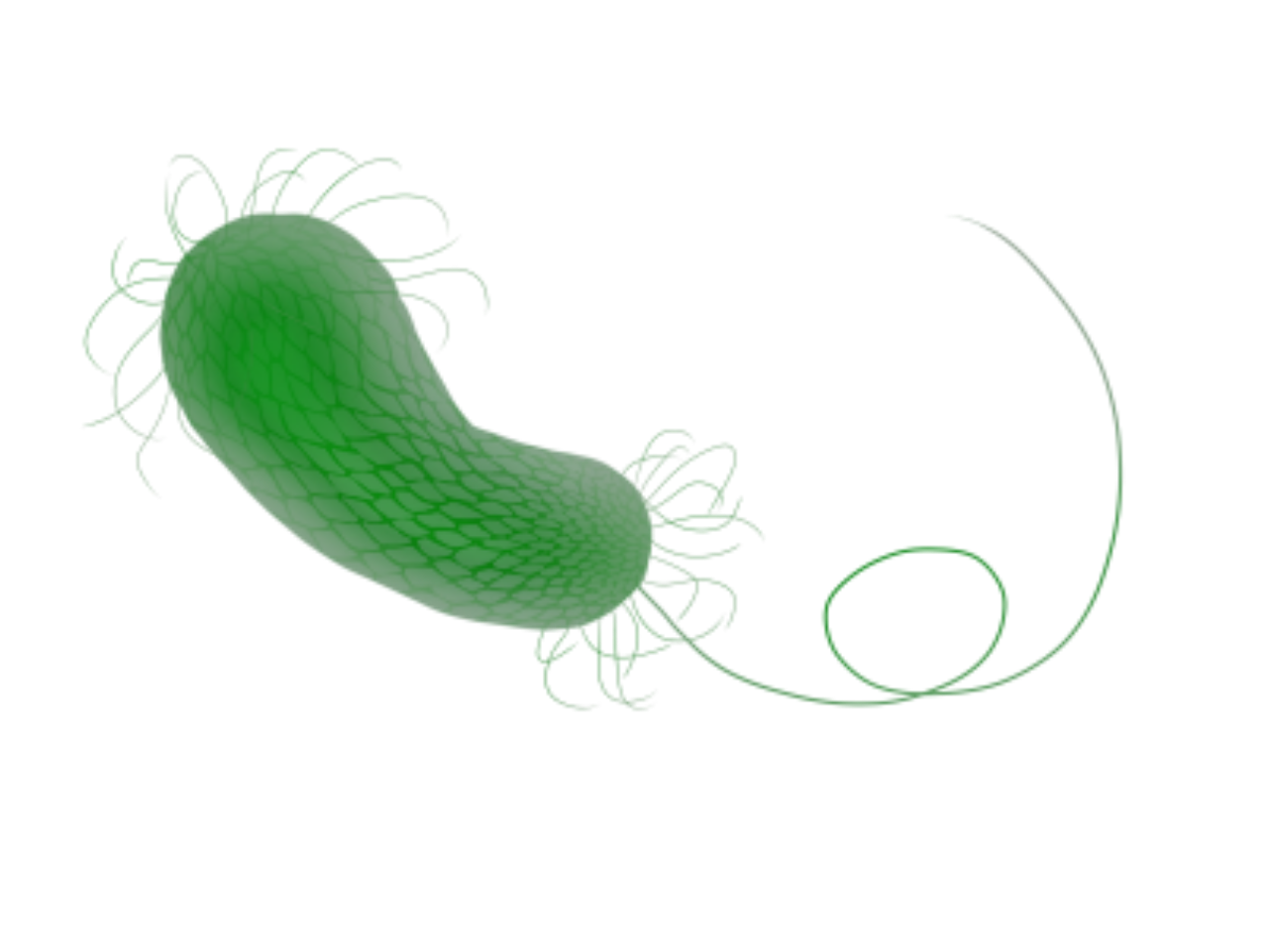
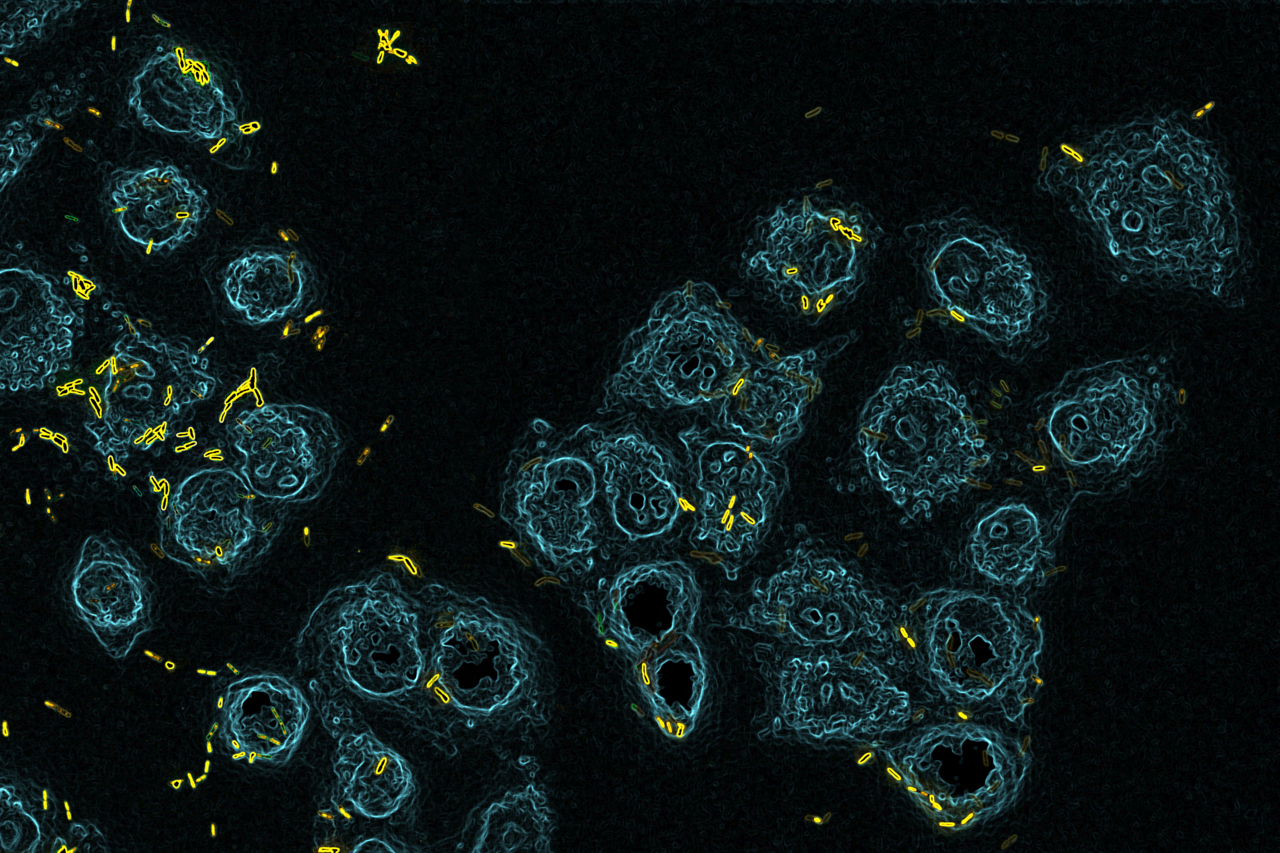
Pseudomonas aeruginosa is a rod-shaped bacterium, encapsulated and Gram-negative, that can survive with or without oxygen and causes illness in plants, animals, and humans. Medically significant, this multidrug-resistant pathogen is known for being widespread, possessing sophisticated natural defenses against antibiotics, and causing severe hospital-acquired infections like ventilator-associated pneumonia and sepsis. The World Health Organization considers it one of the most dangerous threats to human health due to antibiotic resistance.
This organism is opportunistic, often striking people with existing conditions such as cystic fibrosis or severe burns. While it mainly affects those with weakened immune systems, it can also infect healthy individuals, for example causing hot tub folliculitis. Treatment is challenging because of its inherent antibiotic resistance, and stronger drug regimens may lead to side effects.
It tests positive for citrate, catalase, and oxidase. Found globally in soil, water, skin, and many human-made environments, it thrives in varied habitats as a facultative anaerobe. It feeds on a broad range of organic matter, and in animals, this adaptability lets it infect damaged tissues or hosts with low immunity. Infections cause general inflammation and sepsis, and when they reach critical organs like the lungs, urinary tract, or kidneys, they can be fatal.
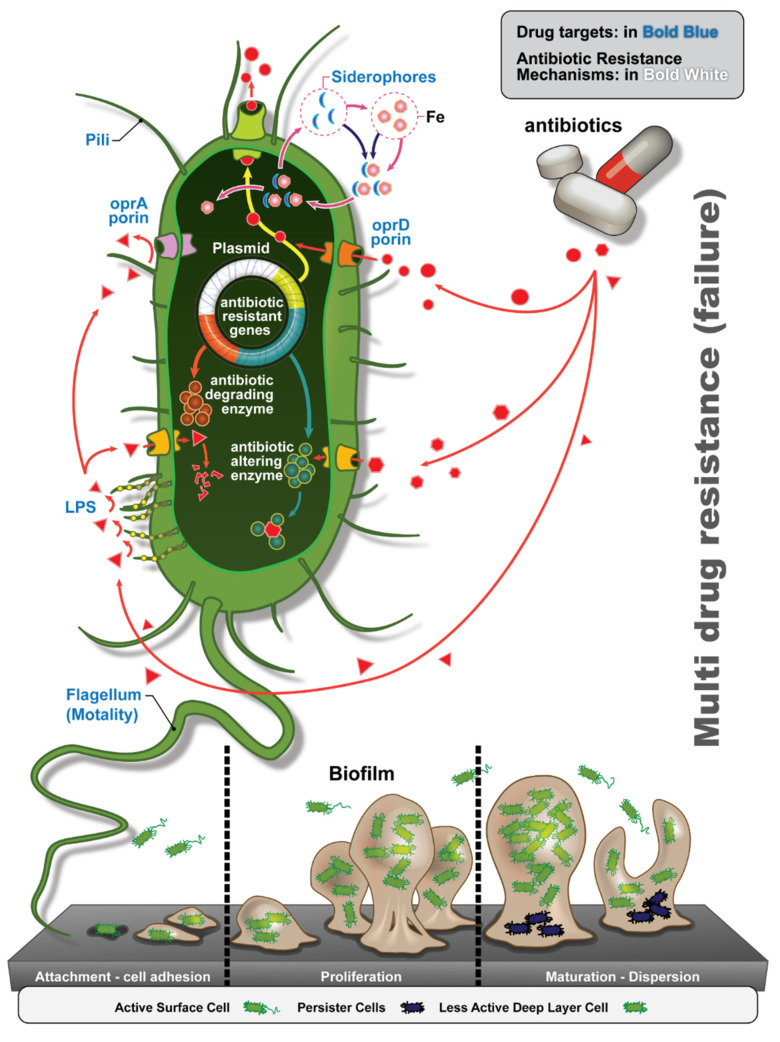
Thriving on damp surfaces, it lives on soap and medical equipment such as catheters, leading to cross-infections in hospitals. It can also break down hydrocarbons and has been used to clean up tarballs and oil spills. Compared to major pathogens like *Staphylococcus aureus* or *Streptococcus pyogenes*, *P. aeruginosa* is not extremely virulent, but it colonizes extensively and forms durable biofilms. Its genome contains many genes for regulation and antibiotic resistance—including efflux pumps and beta-lactamases—boosting its adaptability and ability to cause disease in humans. It produces a sweet, grape-like odor from 2-aminoacetophenone.
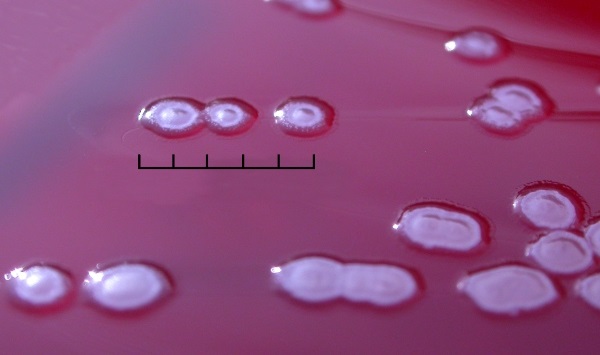
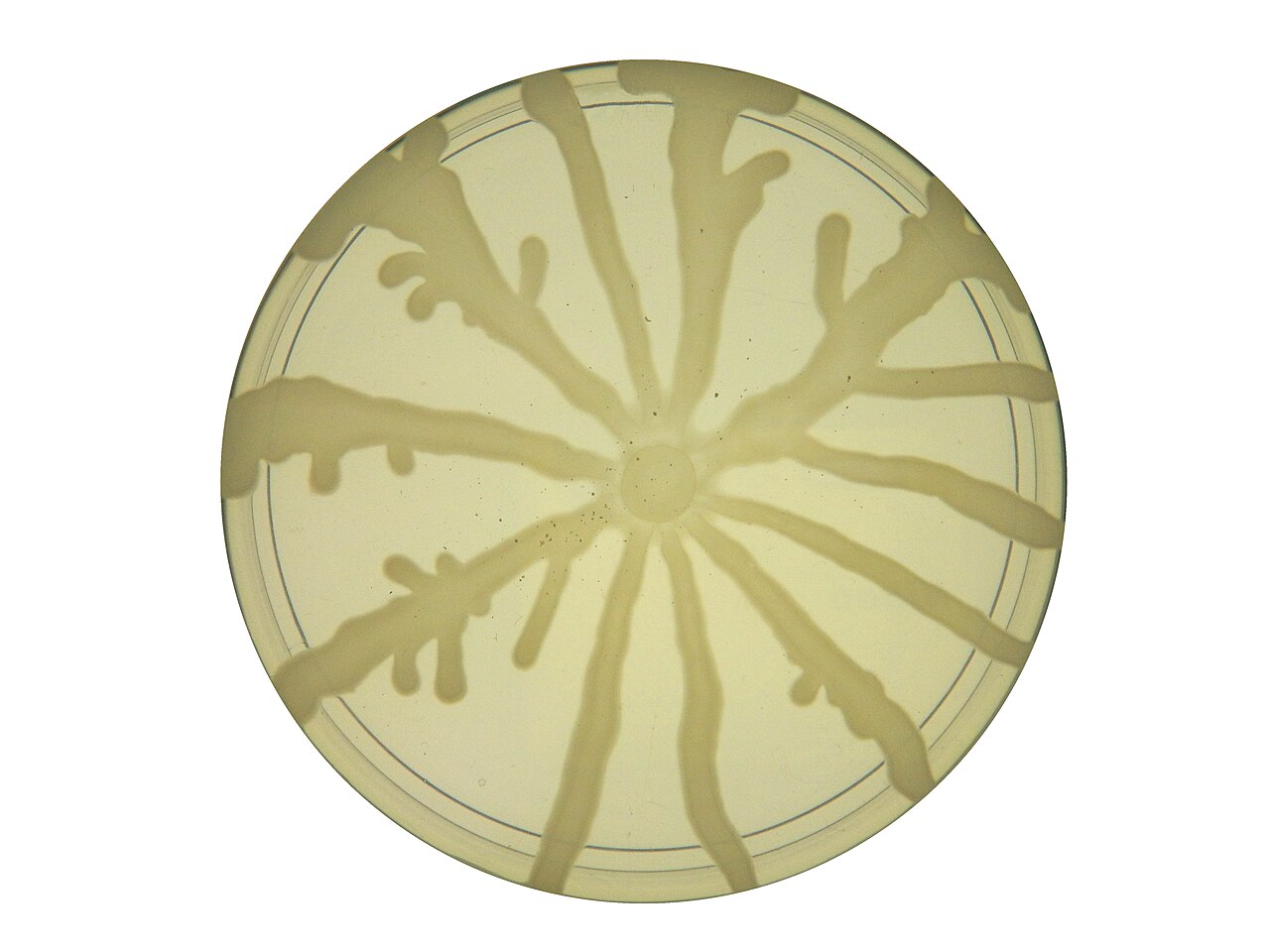
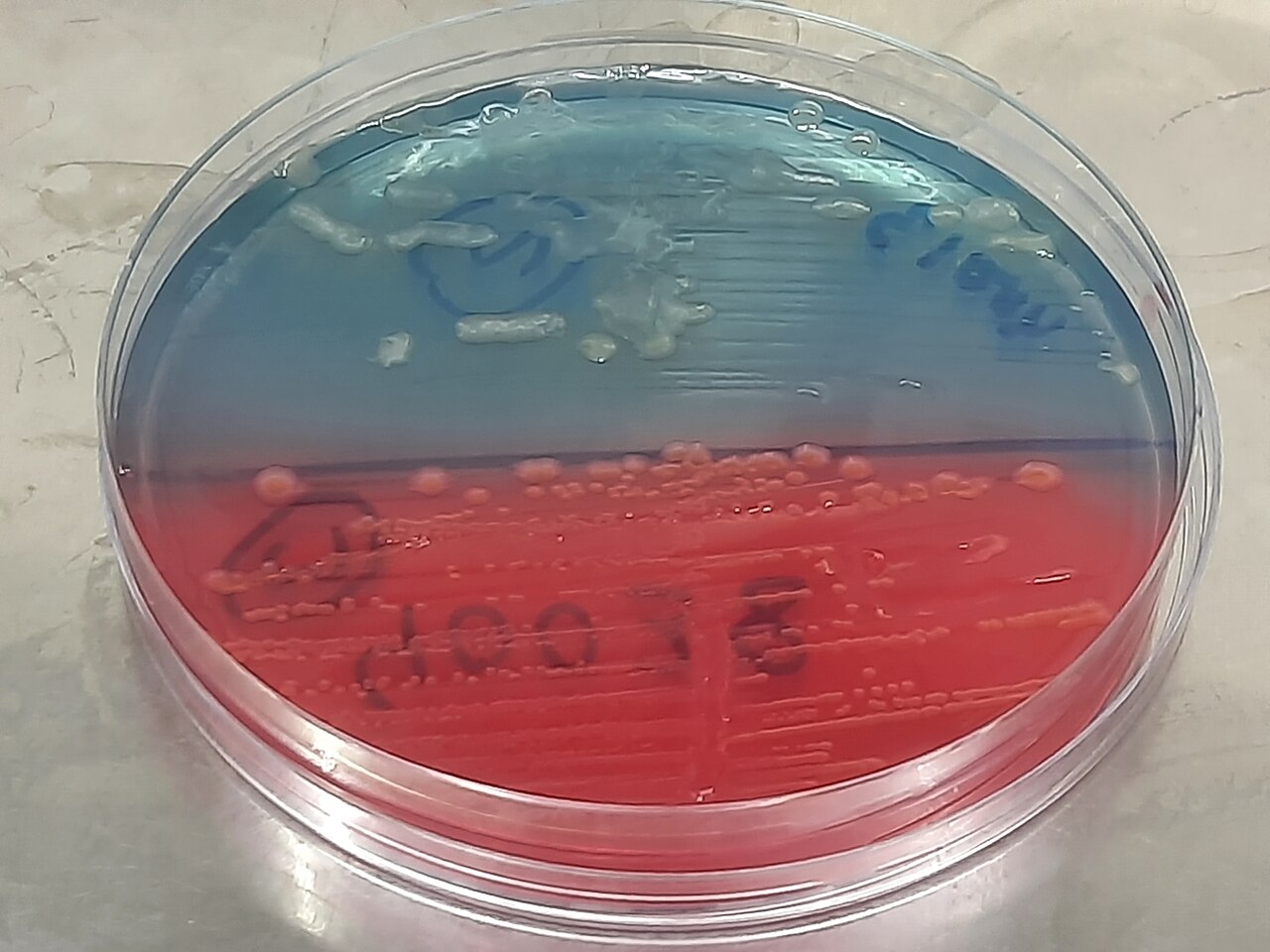
**Nomenclature** The name *Pseudomonas* comes from Greek *pseudēs* (false) and Latin *monas* (a single unit), reflecting early use of *mon* for microorganisms. *Aeruginosa* is Latin for verdigris (copper rust), referring to the blue-green color of lab cultures, which results from two pigments: pyocyanin (blue) and pyoverdine (green).
Quick Facts
- Genus
- Pseudomonas
- Species
- aeruginosa
Facts from the source article.
Lore & Background
Pseudomonas aeruginosa is found in soil, water, skin flora, and most human-made environments worldwide. As a facultative anaerobe, it thrives in diverse habitats and uses a wide range of organic material for food. The organism is considered opportunistic, with serious infection often occurring during existing diseases or conditions—most notably cystic fibrosis and traumatic burns. It generally affects the immunocompromised but can also infect the immunocompetent, as in hot tub folliculitis.
The bacterium produces a characteristic sweet, grape-like odor due to its synthesis of 2-aminoacetophenone. Its blue-green pigment is a combination of two secondary metabolites: pyocyanin (blue) and pyoverdine (green). The genome consists of a relatively large circular chromosome (5.5–6.8 Mb) carrying between 5,500 and 6,000 open reading frames. Comparison of 389 genomes showed that just 17.5% is shared, representing the core genome. The population can be classified in three main lineages, genetically characterised by the model strains PAO1, PA14, and the more divergent PA7.
P. aeruginosa is able to selectively inhibit various antibiotics from penetrating its outer membrane and has high resistance to several antibiotics. Treatment can be difficult due to its natural resistance, and when more advanced antibiotic drug regimens are needed, adverse effects may result. It is citrate-, catalase-, and oxidase-positive. Because it thrives on moist surfaces, it is found on and in soap and medical equipment, including catheters, causing cross-infections in hospitals and clinics. It is also able to decompose hydrocarbons and has been used to break down tarballs and oil from oil spills.
Reader's Guide
Pseudomonas aeruginosa is a significant pathogen due to its multidrug resistance and ability to cause severe infections in healthcare settings. Its intrinsic antibiotic resistance mechanisms, including efflux systems and beta-lactamases, make treatment challenging. The World Health Organization has identified it as posing one of the greatest threats to humans in terms of antibiotic resistance. The bacterium is particularly dangerous for immunocompromised individuals and those with cystic fibrosis or traumatic burns, where it can form enduring biofilms that overwhelm the immune system. Its versatility allows it to infect damaged tissues or those with reduced immunity, leading to generalized inflammation and sepsis. Colonizations in critical organs such as the lungs, urinary tract, and kidneys can be fatal. Despite its low virulence compared to other major pathogens like Staphylococcus aureus and Streptococcus pyogenes, its extensive colonization ability and biofilm formation contribute to its pathogenicity. The species shows surprising genomic diversity, with a dynamic accessory proteome, and industrial strains tend to have the largest genomes. Understanding its population structure and cooperative behaviors, such as siderophore production, may inform future therapeutic strategies.
Did You Know?
- Its blue-green color in culture comes from two secondary metabolites: pyocyanin (blue) and pyoverdine (green).
- Comparison of 389 genomes showed that only 17.5% of the genome is shared among strains, forming the core genome.
A Persistent Medical Adversary
Pseudomonas aeruginosa stands as one of the most consequential bacterial threats in modern medicine. The World Health Organization singles it out among the organisms posing the gravest risk through antibiotic resistance, a designation earned through decades of clinical experience. This rod-shaped, Gram-negative bacterium is a frequent culprit behind hospital-acquired infections, including ventilator-associated pneumonia and multiple forms of sepsis. Its outer membrane can selectively block antibiotic penetration, and its genome carries an arsenal of resistance genes—efflux pumps, beta-lactamases, and numerous transcriptional regulators—that render standard drug regimens often ineffective. When clinicians escalate to more aggressive therapies, the collateral damage to the patient can be severe. The organism is primarily opportunistic, striking patients with cystic fibrosis, traumatic burns, or compromised immune systems, yet it is not limited to the vulnerable; even healthy individuals can contract hot tub folliculitis from it. Once it colonizes critical sites such as the lungs, urinary tract, or kidneys, the outcome can be fatal. Its presence on soap, catheters, and other medical equipment further compounds the challenge by enabling cross-infection within clinical settings.
Metabolic Flexibility and Survival in Hosts
What makes Pseudomonas aeruginosa so tenacious is its extraordinary metabolic range. As a facultative anaerobe, it does not depend on oxygen to survive; when oxygen is scarce, it switches to nitrate or nitrite as terminal electron acceptors, and when even those are unavailable, it ferments arginine and pyruvate through substrate-level phosphorylation. In the dense interior of a biofilm, where oxygen gradients are steep, the bacterium produces phenazine molecules that shuttle electrons between cells, sustaining metabolism deep within the colony. This flexibility allows it to exploit an unusually wide spectrum of organic compounds as food, a trait that in animal hosts translates directly into the ability to infect damaged tissue or areas with weakened immune defenses. The bacterium is citrate-, catalase-, and oxidase-positive, reflecting its broad enzymatic toolkit. It thrives in soil, water, skin flora, and virtually every human-made environment on Earth. During lung infections, adaptation to microaerobic and fully anaerobic niches is essential, enabling the organism to persist where many competitors cannot. The generalized inflammation and sepsis that follow colonization of vital organs underscore how this metabolic versatility becomes a clinical liability.
Genomic Architecture and Lineage Diversity
The genome of Pseudomonas aeruginosa is both large and remarkably variable. Its circular chromosome spans roughly 5.5 to 6.8 megabases and encodes between 5,500 and 6,000 open reading frames, with some strains additionally carrying plasmids of varying sizes. A comparison of 389 genomes revealed that only about 17.5 percent of the sequence is shared across all strains, defining a modest core genome. A broader 2020 study of 494 Pseudomonas genomes, including 189 P. aeruginosa isolates, identified 1,811 core proteins representing more than 30 percent of the proteome, with 41 of those proteins found exclusively in this species. The genus as a whole shows a highly dynamic accessory proteome, and within P. aeruginosa itself, industrial strains tend to harbor the largest genomes, followed by environmental isolates and then clinical ones. Population structure falls into three principal lineages anchored by the model strains PAO1, PA14, and the more divergent PA7. Beyond this framework, certain clones have become specialized pathogens: the Liverpool epidemic strain dominates in the United Kingdom, DK2 circulates in Denmark, and AUST-02 is prominent in Australia, while another clone preferentially infects the reproductive tracts of horses.
Ecological Range and Distinctive Identifying Traits
Pseudomonas aeruginosa is as much an environmental organism as a clinical one. Because it thrives on moist surfaces, it colonizes soil, water, skin, soap, and medical devices worldwide, making it a persistent fixture of human-made environments. Its capacity to decompose hydrocarbons has been harnessed in bioremediation, where it has been deployed to break down tarballs and spilled oil. In the laboratory, the bacterium is instantly recognizable by the blue-green color of its cultures, a hue produced by the combination of two secondary metabolites: pyocyanin, which contributes blue, and pyoverdine, which contributes green. This verdigris-like appearance is the very reason the species was named aeruginosa, a Latin adjective derived from aerugo, meaning copper rust. The genus name Pseudomonas, from Greek roots meaning false unit, reflects early microbiological taxonomy. Beyond color, the organism emits a characteristic sweet, grape-like odor caused by its synthesis of 2-aminoacetophenone. While it is not as inherently virulent as Gram-positive pathogens such as Staphylococcus aureus or Streptococcus pyogenes, its ability to form extensive, enduring biofilms and colonize diverse tissues gives it a persistent and difficult-to-eradicate presence in both nature and medicine.
Gallery
Frequently Asked Questions
Who is Pseudomonas aeruginosa?
P. aeruginosa is a rod-shaped, encapsulated, Gram-negative bacterium that can grow with or without oxygen. It is ubiquitous in soil, water, and clinical environments, and it can infect plants, animals, and humans when the opportunity arises.
What are Pseudomonas aeruginosa's powers and role?
This organism is a survival master, wielding sophisticated innate defenses that let it resist nearly every major antibiotic class while exploiting a remarkably wide metabolic range. It is also famous for its signature blue-green pigment and a distinctive sweet, grape-like aroma.
Why is Pseudomonas aeruginosa important?
The World Health Organization lists it among the most dangerous threats to human health, largely because its antibiotic resistance is escalating worldwide. It is a leading cause of hospital-acquired infections, striking immunocompromised, burned, or mechanically ventilated patients with particular severity.
What makes Pseudomonas aeruginosa different from other pathogens?
Unlike many bacteria, it is a true opportunist that thrives in hospitals, water systems, and soil while simultaneously building layered, multi-mechanism defenses against antibiotics. Its 5.5–6.8 Mb circular genome encodes a versatile metabolic toolkit that lets it colonize almost any niche it encounters.
More in Infectious Agents And Pathogens 1-21
Spotted an error? Know more?
Reader corrections go straight into our review queue. Suggest an edit · How this site is sourced