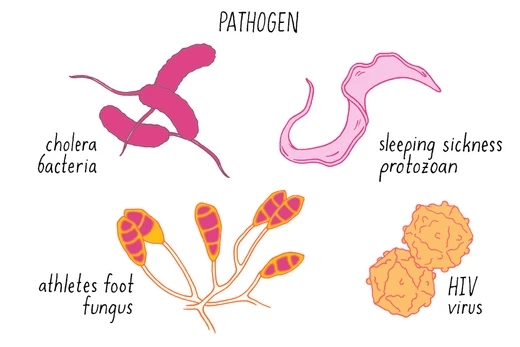
SARS-CoV-2
Virus causing the COVID-19 pandemic, first identified in Wuhan.

DataBase Center for Life Science (DBCLS) · CC BY 4.0
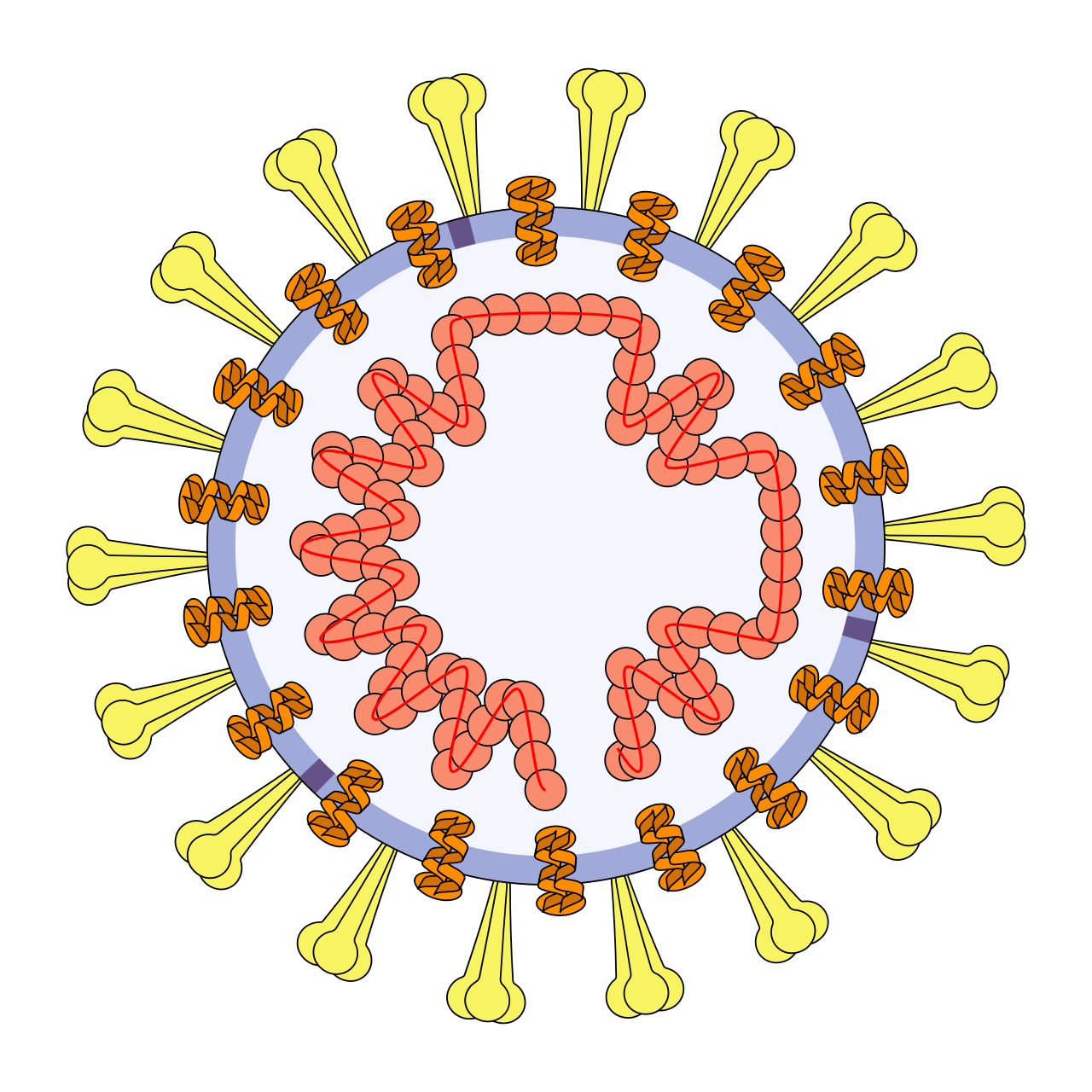
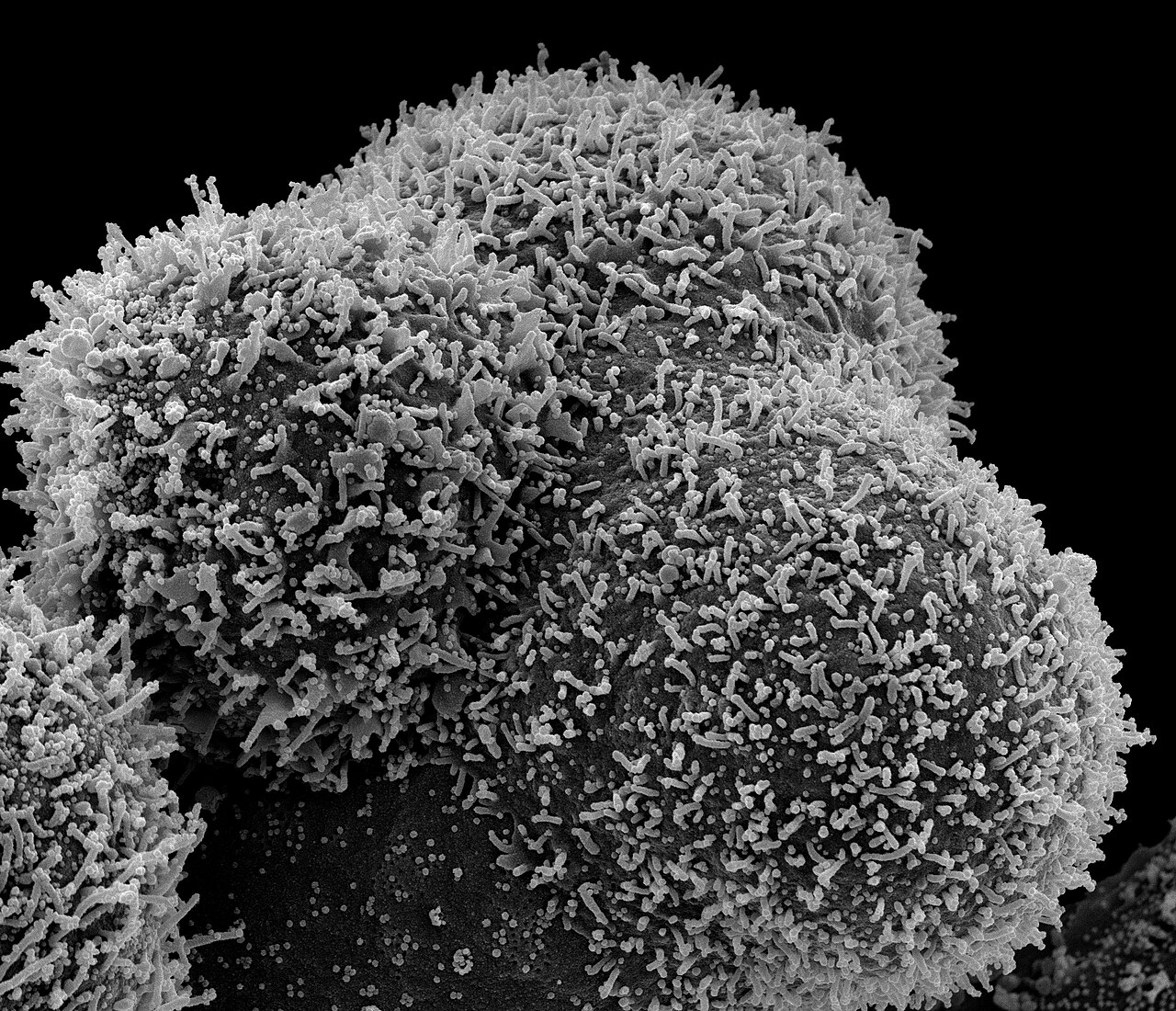
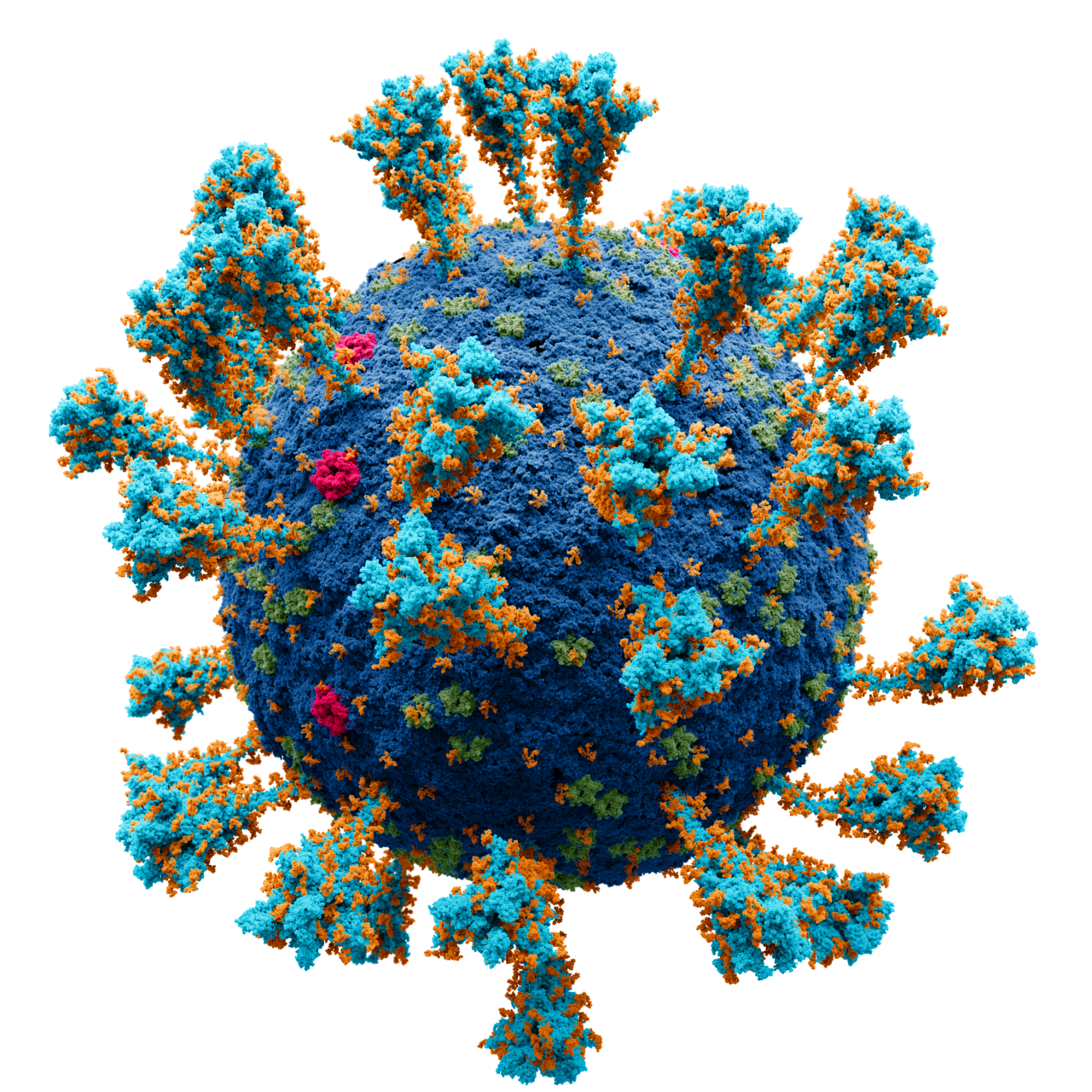
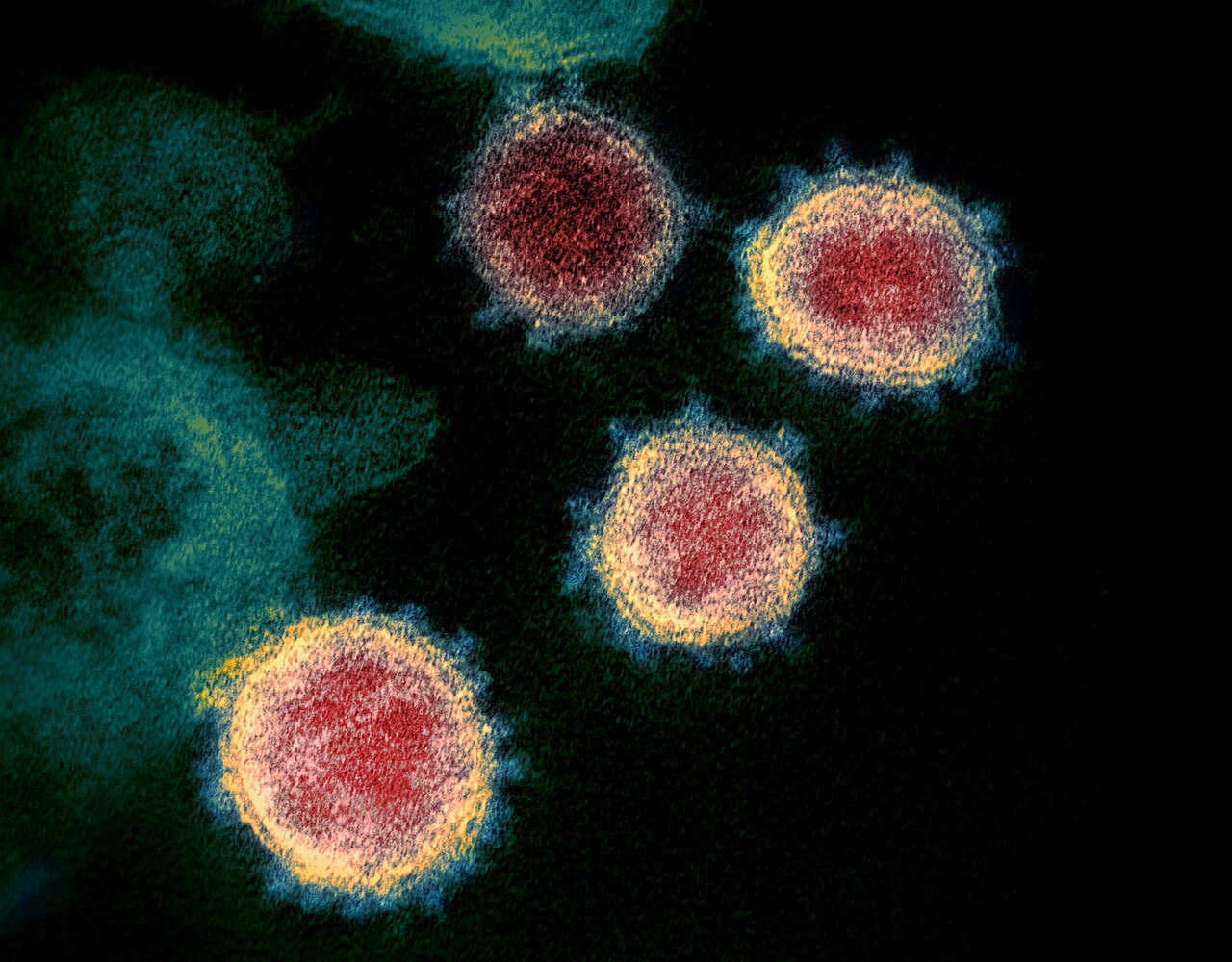
SARS‑CoV‑2 is the coronavirus behind COVID-19, the respiratory disease that sparked the pandemic starting in late 2019. It was first found in Wuhan, China, and is a positive-sense single-stranded RNA virus that spreads among humans. The virus is zoonotic, meaning it jumped from animals to people.
This virus belongs to the species *Betacoronavirus pandemicum* (also called SARSr-CoV), the same species as SARS-CoV-1, which caused the 2002–2004 SARS outbreak. However, some animal coronaviruses are even more closely related to SARS-CoV-2 than SARS-CoV-1 is. The closest known relative is a bat coronavirus called BANAL-52. Its genetic makeup strongly suggests it came from a bat-borne virus, though researchers are still investigating whether it passed directly from bats to humans or through an intermediate animal host. The virus shows little genetic variation, which points to the spillover event that introduced it to humans happening around late 2019.
Before its official name, the virus was provisionally called 2019 novel coronavirus (2019-nCoV) and also referred to as human coronavirus 2019 (HCoV-19). The World Health Organization (WHO) designated the outbreak a public health emergency of international concern from January 30, 2020, to May 5, 2023. During the initial outbreak, various names were used, including "the coronavirus" and "Wuhan coronavirus." In January 2020, the WHO recommended "2019 novel coronavirus" as a temporary name, following its 2015 guidance against using locations, animal species, or groups of people in virus names. On February 11, 2020, the International Committee on Taxonomy of Viruses gave it the official name "severe acute respiratory syndrome coronavirus 2" (SARS‑CoV‑2). To avoid confusion with the disease SARS, the WHO sometimes calls it "the COVID-19 virus" in public communications, and some research articles use HCoV-19. Referring to COVID-19 as the "Wuhan virus" has been criticized as dangerous and xenophobic.
Human-to-human transmission was confirmed on January 20, 2020. The virus is airborne and spreads mainly through close contact, via aerosols and respiratory droplets released when people talk, breathe, cough, or sneeze.
Quick Facts
- Term
- GCF_009858895.2
- Year
- 2020
- Ucsc Assembly
- wuhCor1
Facts from the source article.
Lore & Background
SARS-CoV-2 was first identified in the city of Wuhan, Hubei, China. The World Health Organization designated the outbreak a public health emergency of international concern from January 30, 2020, to May 5, 2023. The virus previously had the provisional name 2019 novel coronavirus (2019-nCoV) and has also been called human coronavirus 2019 (HCoV-19 or hCoV-19). It is a virus of the species Betacoronavirus pandemicum (SARSr-CoV), as is SARS-CoV-1, the virus that caused the 2002–2004 SARS outbreak. The closest known relative is the BANAL-52 bat coronavirus. Research is ongoing as to whether SARS-CoV-2 came directly from bats or indirectly through any intermediate hosts. The virus shows little genetic diversity, indicating that the spillover event introducing SARS-CoV-2 to humans is likely to have occurred in late 2019.
Reader's Guide
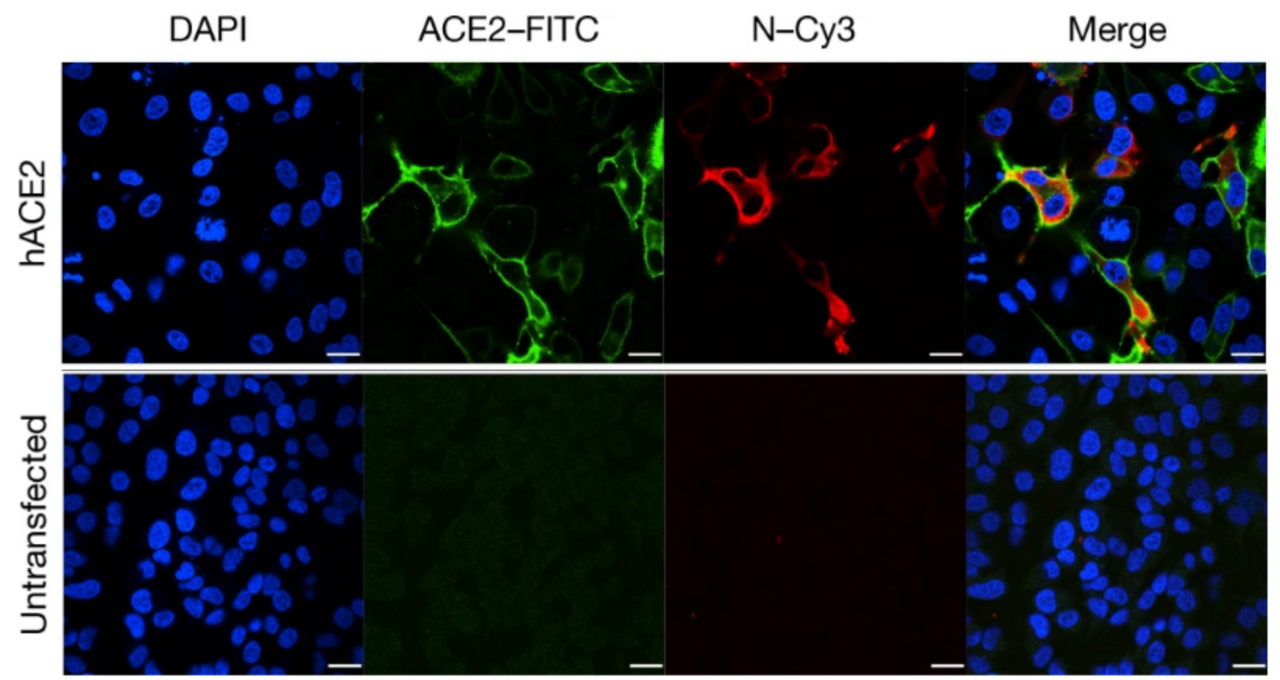
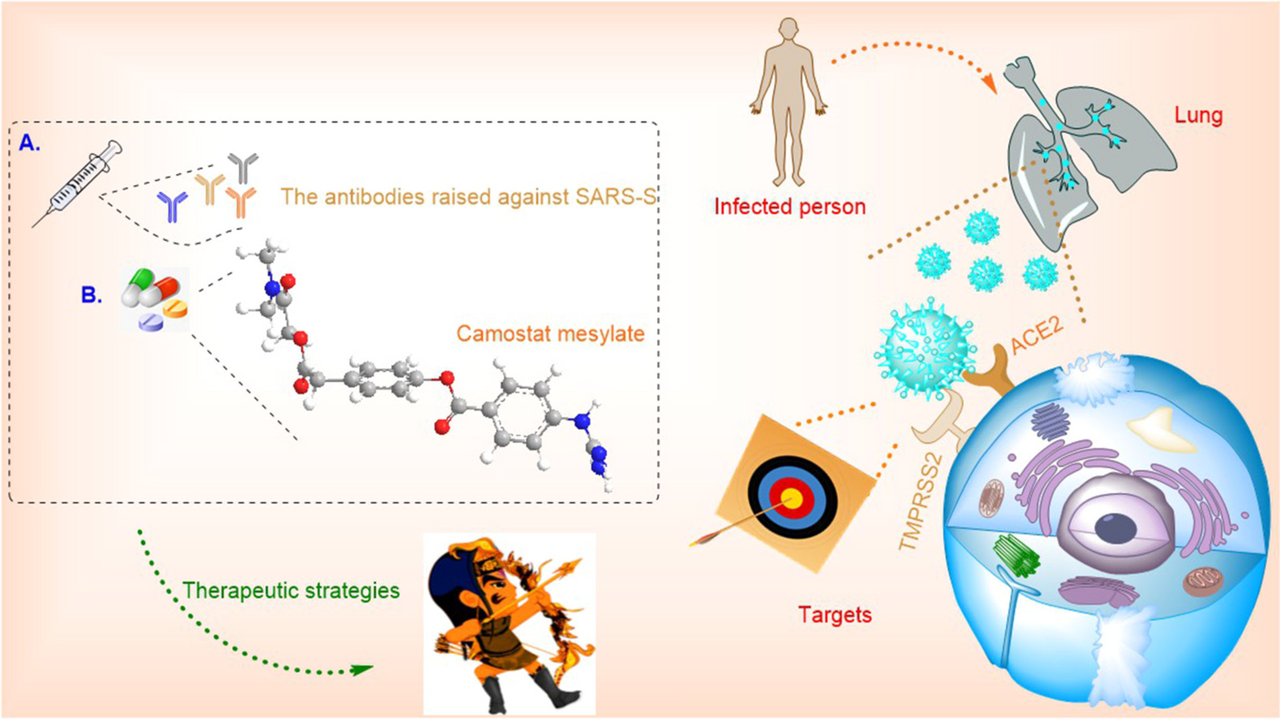
SARS-CoV-2 is significant as the causative agent of the COVID-19 pandemic, which began in late 2019 and led to a global public health emergency from January 30, 2020, to May 5, 2023. The virus is airborne and primarily spreads between people through close contact and via aerosols and respiratory droplets. It enters human cells by binding to angiotensin-converting enzyme 2 (ACE2). Epidemiological studies estimate that in the period between December 2019 and September 2020 each infection resulted in an average of 2.4–3.4 new infections when no members of the community were immune and no preventive measures were taken. The virus's zoonotic origin, with close genetic similarity to bat coronaviruses, underscores the importance of understanding spillover events. Its legacy includes ongoing research into transmission, reinfection, and immunity, as well as debates over its origins and naming. The WHO recommended avoiding geographical names, referring to it as 'the COVID-19 virus' in public health communications.
Did You Know?
- The virus is inactivated by soap, which destabilises its lipid bilayer.
- The first reported case of reinfection was a 33-year-old man from Hong Kong.
- The closest known relative of SARS-CoV-2 is the BANAL-52 bat coronavirus.
Virology and Disease Profile
SARS-CoV-1 is an enveloped virus that carries a positive-sense, single-stranded RNA genome. It specifically targets the epithelial cells lining the lungs, gaining entry into host cells by binding to the angiotensin-converting enzyme 2 receptor on their surface. The virus's natural host range spans three groups of mammals: humans, bats, and palm civets. The disease it produces—severe acute respiratory syndrome—typically begins with a wave of systemic distress, including muscle aches, headaches, and fever. Within two to fourteen days, the clinical picture shifts toward the respiratory tract, bringing on a persistent cough, progressive shortness of breath, and pneumonia. A characteristic laboratory finding in affected patients is a marked decrease in the number of circulating lymphocytes in the blood. During the 2003 outbreak, roughly nine percent of confirmed SARS-CoV-1 infections ended in death. The toll was far steeper among patients over sixty, for whom mortality rates approached fifty percent.
The Race to Identify the Culprit
When the 2002–2003 outbreak swept through Asia and spilled into other continents, the World Health Organization convened a global network of leading laboratories in March 2003 to identify the pathogen. Early findings narrowed the search to members of the paramyxovirus and coronavirus families, with the latter gaining increasing support over the following days. On March 21, researchers at the University of Hong Kong announced the isolation of a novel virus they strongly suspected was responsible for the illness. Just weeks later, on April 12, a team led by Marco Marra and Caroline Astell at the Michael Smith Genome Sciences Centre in Vancouver completed a full genetic map of the virus. Working with samples from infected Toronto patients, they collaborated with the British Columbia Centre for Disease Control and the National Microbiology Laboratory in Winnipeg, Manitoba. Donald Low of Mount Sinai Hospital described the pace of discovery as unprecedented. In parallel, scientists at Erasmus University in Rotterdam demonstrated that the virus fulfilled Koch's postulates by showing macaques infected with it developed the same symptoms as human SARS patients. The CDC and Canada's NML independently confirmed the genome in April 2003, and on April 16 the WHO formally declared the coronavirus the official cause of SARS.
Tracing the Zoonotic Bridge
Epidemiological clues pointed early toward an animal source: more than a third of the first detected cases in Guangdong involved people who handled animals or food. Seroprevalence surveys at local markets found a striking proportion of asymptomatic handlers carrying antibodies against the virus, reinforcing the zoonotic link. In late May 2003, researchers isolated a SARS coronavirus strain from masked palm civets sold as food in a Guangdong market, though the animals often showed no clinical signs. The virus was subsequently detected in raccoon dogs, ferret badgers, and even domestic cats. By 2004, teams from the Chinese CDC, the University of Hong Kong, and the Guangzhou CDC established a genetic link between civet and human strains, confirming cross-species transmission. Infected civets at the market were traced back to farms where no sick animals were found, leaving the original introduction route uncertain. In 2005, two studies identified SARS-like coronaviruses in Chinese bats, and phylogenetic analysis indicated a high probability of bat origin. In 2008, American researchers modified the bat virus's receptor-binding domain and the corresponding mouse receptor, demonstrating a plausible evolutionary pathway for zoonotic spillover. More than ten thousand masked palm civets were culled in Guangdong in the wake of the outbreak.
Containment, Legacy, and the Long Shadow
The 2003 SARS outbreak was ultimately brought under control not by a vaccine or antiviral drug but by straightforward public-health measures. Because SARS-CoV-1 was most transmissible while patients were symptomatic, the strategy of testing anyone presenting with fever and respiratory complaints, isolating confirmed and suspected cases, quarantining close contacts, and restricting travel proved remarkably effective at suppressing further spread. The episode also catalyzed a wave of preparedness research. Programs such as Predict and the Understanding the Risk of Bat Coronavirus Emergence grant were launched with the explicit goal of identifying zoonotic threats before they spill into human populations. The outbreak's echo, however, would not fade quietly. In late 2019, a virus closely related to SARS-CoV-1 emerged and was named SARS-CoV-2, the causative pathogen behind the COVID-19 pandemic. Comparisons of the spike proteins responsible for viral entry and the overall genomes of the two viruses indicate they do not share a very recent common ancestor, underscoring that the bat-to-human transmission corridor identified in 2003 remained a live risk for decades to come.
Gallery
Frequently Asked Questions
What is SARS-CoV-2?
It is a positive-sense single-stranded RNA virus classified under the species Betacoronavirus pandemicum (SARSr-CoV). This pathogen is the agent behind the respiratory illness called COVID-19, which ignited a worldwide pandemic in late 2019.
Where did SARS-CoV-2 first appear and how did it reach humans?
The virus was initially detected in Wuhan, China, at the end of 2019. It is considered zoonotic, meaning it crossed from an animal reservoir into the human population before establishing sustained person-to-person spread.
What is SARS-CoV-2's closest known relative?
The bat coronavirus BANAL-52 is currently identified as its nearest known relative. Certain bat strains actually share a tighter genetic link to SARS-CoV-2 than SARS-CoV-1 does, even though both human-affecting viruses sit within the same species.
How does SARS-CoV-2 differ from the earlier SARS-CoV-1?
Although both belong to the species Betacoronavirus pandemicum, SARS-CoV-1 was responsible for the 2002–2004 outbreak while SARS-CoV-2 drives the ongoing pandemic that began in 2019. Their closest animal relatives also differ, with bat coronaviruses being more tightly tied to the 2019 virus.
Why is SARS-CoV-2 a defining figure in modern virology?
It triggered the most far-reaching global health crisis of the 21st century, upending travel, public-health infrastructure, and everyday life on every continent. As a zoonotic pathogen that adapted to efficient human-to-human transmission, it became a central case study in contemporary infectious-disease research.
More in Infectious Agents And Pathogens 1-21
Spotted an error? Know more?
Reader corrections go straight into our review queue. Suggest an edit · How this site is sourced