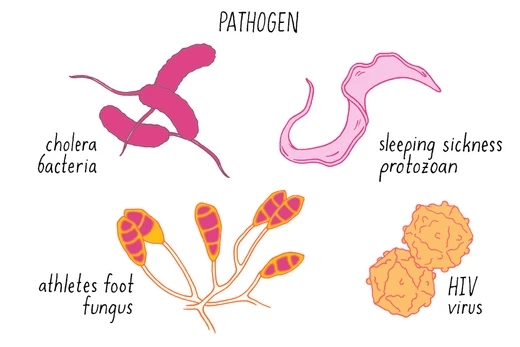
Salmonella enterica
A Gram-negative bacterium causing salmonellosis and typhoid fever.

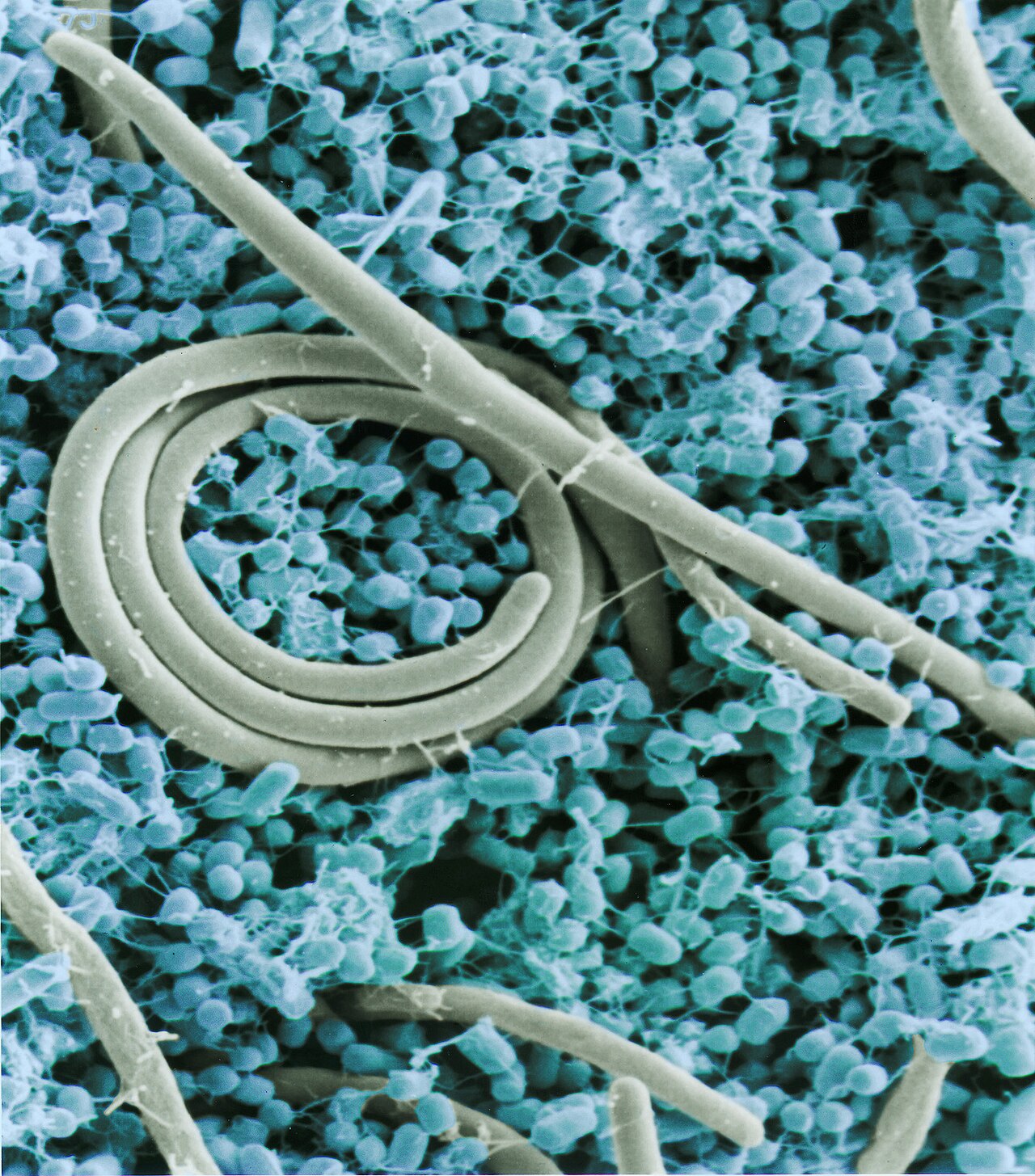
U.S. Department of Agriculture · Public domain
Salmonella enterica, once called Salmonella choleraesuis, is a species of rod-shaped, flagellated bacteria that can live with or without oxygen and stains Gram-negative. It splits into six subspecies: enterica (I), salamae (II), arizonae (IIIa), diarizonae (IIIb), houtenae (IV), and indica (VI). Many of its serovars—especially those under subspecies enterica—cause serious illness in people.
Most human salmonellosis comes from food tainted with S. enterica. Cattle and poultry are common carriers, but domestic cats and hamsters can also pass it to humans. The bacterium lives mainly in the intestines of animals and people, and turns up in feed, soil, bedding, litter, and feces. Poultry is the main reservoir; about 70% of human cases are linked to eating contaminated eggs, chicken, or turkey. Raw chicken and goose eggs may harbor the bacteria, typically introduced through the yolk membrane or from fecal contamination on the shell, not initially in the whites, though most eggs are not infected. As an egg ages at room temperature, the yolk membrane weakens and S. enterica can move into the yolk. Refrigeration and freezing don’t kill all the bacteria but slow their growth. Pasteurization and food irradiation kill Salmonella in commercial products like ice cream that contain raw eggs. Home-prepared foods with raw eggs—mayonnaise, cakes, cookies—can spread the bacteria if not cooked thoroughly. In the United States, Salmonella is the leading foodborne pathogen, causing the most deaths and the highest economic burden. It survives long periods in hot, dry conditions, which helps it persist on farms and in the gastrointestinal tract.
S. enterica genomes have been reconstructed from human remains up to 6,500 years old across Western Eurasia, showing widespread prehistoric infections and suggesting that the Neolithization process may have influenced host adaptation. Reconstructed genomes from colonial Mexico point to S. enterica as the cause of cocoliztli, an epidemic in 16th-century New Spain. In 1545, that outbreak spread explosively across what is now Mexico, and over the next century killed up to 90% of the Indigenous population.
Children under five, the elderly, and immunosuppressed adults face higher risk of systemic disease and need specialized treatment. Extra fluids and antibiotics like fluoroquinolones are typical.
Quick Facts
- Genus
- Salmonella
- Species
- enterica
Facts from the source article.
Lore & Background
Salmonella enterica primarily resides in the intestinal tract of animals and humans and can be found in feedstuff, soil, bedding, litter, and fecal matter. Most cases of salmonellosis are caused by food infected with S. enterica, which often infects cattle and poultry, though other animals such as domestic cats and hamsters have also been shown to be sources of infection in humans. The primary reservoir for the pathogen is poultry, and 70% of human cases are attributed to the consumption of contaminated eggs, chicken, or turkey. Raw chicken eggs and goose eggs can harbor S. enterica, typically introduced through the yolk membrane or from fecal contamination on the shell, not initially in the whites, although most eggs are not infected. As the egg ages at room temperature, the yolk membrane begins to break down and S.
Reader's Guide
Salmonella enterica is a leading foodborne pathogen in the United States, causing the most deaths and having the highest cost burden. It is a resilient microorganism capable of surviving long periods of time in hot and dry environments, increasing its effectiveness as a pathogen and making it able to survive the harsh environments of the gastrointestinal tract and farms. S. enterica genomes have been reconstructed from up to 6,500 year old human remains across Western Eurasia, providing evidence for geographically widespread infections with systemic S. enterica during prehistory, and a possible role of the Neolithization process in the evolution of host adaptation. Additional reconstructed genomes from colonial Mexico suggest S. enterica as the cause of cocoliztli, an epidemic in 16th-century New Spain. In 1545, this outbreak of S. enterica spread explosively across what is now Mexico, and over the next century killed up to 90% of the Indigenous population. The serogroup S. Typhi is the cause of typhoid fever. Secreted proteins are of major importance for the pathogenesis of infectious diseases caused by S. enterica, and regulatory proteins such as IgaA are involved in maintaining envelope integrity and modulating stress responses during pathogenesis.
Did You Know?
- S. enterica has six subspecies: arizonae, diarizonae, houtenae, salamae, indica, and enterica.
- 70% of human cases of salmonellosis are attributed to consumption of contaminated eggs, chicken, or turkey.
- Exposure of S. enterica to bile salts induces the SOS DNA damage response and causes oxidative DNA damage.
The Long Road to a Name
The story of how this bacterium earned its name reads like a chain of small scientific victories stretching across two decades. In 1880, Karl Eberth first spotted the organism inside the Peyer's patches and spleens of patients suffering from typhoid fever. Three years later, Georg Theodor Gaffky managed to cultivate it in pure laboratory conditions, and in 1885 Theobald Smith, then a research assistant in the Veterinary Division of the U.S. Department of Agriculture, identified what we now recognize as Salmonella enterica var. Choleraesuis. Because the bacterium was initially blamed for hog cholera, Smith and his supervisor Daniel Elmer Salmon, a veterinary pathologist, called it the 'Hog-cholera bacillus.' It was not until 1900 that Joseph Leon Lignières formally proposed the genus name Salmonella as a tribute to Salmon. Decades later, in the late 1930s, Australian bacteriologist Nancy Atkinson built one of only three salmonella typing laboratories in the world in Adelaide, where she described new strains such as Salmonella Adelaide in 1943 and published her findings in 1957.
A Taxonomic Labyrinth
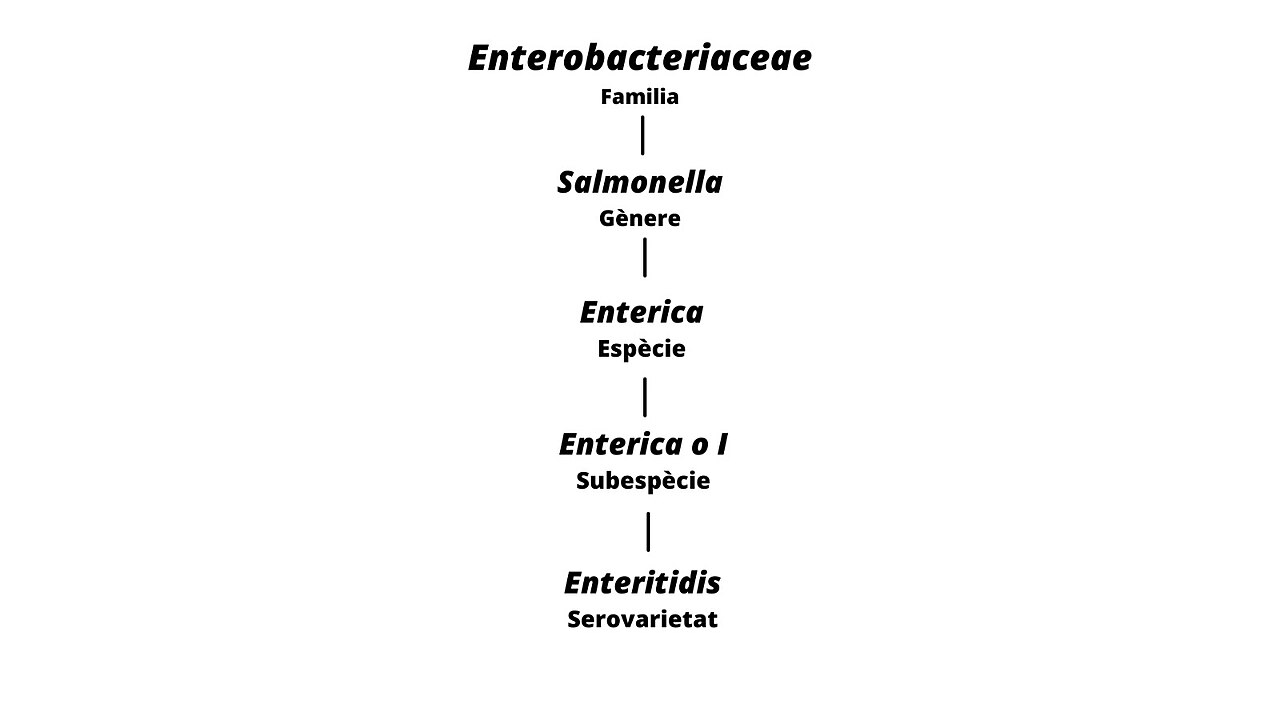
Salmonella occupies a deceptively complex position within the family Enterobacteriaceae. The genus contains just two recognized species—S. bongori and S. enterica—but the latter, which serves as the type species, branches into six distinct subspecies: enterica, salamae, arizonae, diarizonae, houtenae, and indica. Within this framework sit more than 2,650 serotypes, a staggering diversity catalogued through the Kauffman–White system, which classifies strains by their somatic O lipopolysaccharide and flagellar H antigens. A full designation might read 'Salmonella enterica subsp. enterica serotype Typhimurium,' though clinicians often shorten it to Salmonella Typhimurium. For finer epidemiological and clinical resolution, laboratories turn to antibiotic sensitivity profiles, pulsed-field gel electrophoresis, multilocus sequence typing, and increasingly whole genome sequencing. Historically, the organism has been split into two broad clinical camps: invasive typhoidal strains and non-invasive nontyphoidal strains, a distinction rooted in host preference and the pattern of disease they produce in humans.
From Gut to Bloodstream: Two Faces of Infection
Salmonella enterica is an intracellular pathogen, and the way it makes people sick depends heavily on which serotype is involved. Most human infections begin when contaminated food, often tainted by fecal matter, is ingested. Nontyphoidal serotypes are zoonotic, meaning they jump from animals to people and can also pass between humans. In most of the world they remain confined to the gastrointestinal tract, producing salmonellosis—a self-limiting illness that typically resolves without antibiotics. Typhoidal serotypes, by contrast, are restricted to human-to-human transmission and can trigger typhoid or paratyphoid fever. In the septic form, the bacteria breach the intestinal barrier, enter the bloodstream, and disseminate to organs, where they release endotoxins. This cascade can spiral into life-threatening hypovolemic or septic shock, demanding intensive care and aggressive antibiotic therapy. A critical geographic exception exists in sub-Saharan Africa, where nontyphoidal strains can behave invasively and cause paratyphoid fever, a presentation that requires immediate antibiotic intervention rather than watchful waiting.
Tracking the Invisible: Detection and Molecular Serotyping
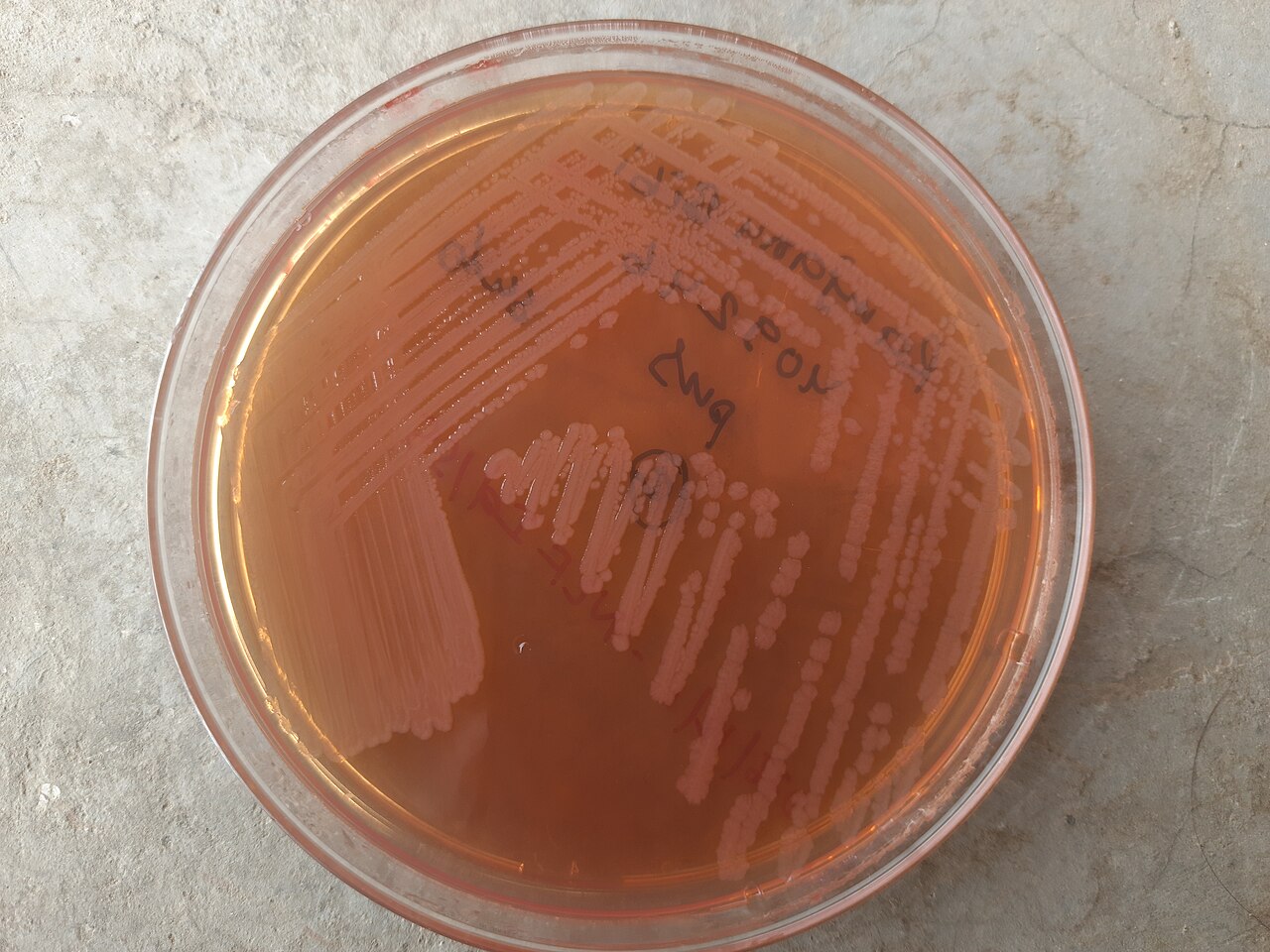
Identifying and tracking Salmonella has evolved from simple antibody reactions to sophisticated genomic tools. Classic serotyping mixes bacterial cells with antibodies directed at a specific antigen, a technique that can pinpoint a contamination source by matching serotypes found in patients to those in a suspected food or environmental origin. It also guides prophylactic choices by revealing a serotype's known antibiotic resistance profile. A 2014 study illustrated the nuance: S. Reading was abundant in young turkey samples yet contributed little to human salmonellosis. Modern molecular serotyping systems such as xMAP and real-time PCR bypass antibody chemistry entirely, instead genotyping the genes that encode surface antigens—potentially faster thanks to advances in sequencing. In the laboratory, most subspecies produce hydrogen sulfide, detectable on ferrous sulfate–containing media like the triple sugar iron test, while RVS broth enriches clinical samples. Multiplex and real-time PCR from extracted DNA now allows rapid detection and subtyping. Mathematical growth-kinetics models have been built for chicken, pork, tomatoes, and melons, and the bacterium divides asexually roughly every 40 minutes under favorable conditions.
Gallery
Frequently Asked Questions
What is Salmonella enterica?
It is a rod-shaped, flagellated bacterium classified as Gram-negative, capable of living with or without oxygen. The organism was formerly known by the name Salmonella choleraesuis before its current taxonomic placement.
What are Salmonella enterica's defining biological traits?
This facultative anaerobe thrives in both oxygen-rich and oxygen-poor environments. Its cells are rod-shaped with flagella for motility, and they take up a Gram-negative staining pattern under the microscope.
How does Salmonella enterica spread to humans?
The primary route is eating food contaminated with the bacterium, with cattle and poultry being the most common animal reservoirs. Domestic cats and hamsters can also transmit the organism to people.
What subspecies make up Salmonella enterica?
The species is divided into six subspecies: enterica (I), salamae (II), arizonae (IIIa), diarizonae (IIIb), houtenae (IV), and indica (VI). Serovars belonging to subspecies enterica (I) are especially notable for triggering severe human disease.
Why is Salmonella enterica medically significant?
It is the causative agent behind salmonellosis and typhoid fever, making it a leading cause of foodborne illness. Its ability to persist in the intestinal tracts of livestock and pets keeps it a constant public-health threat.
More in Infectious Agents And Pathogens 1-21
Spotted an error? Know more?
Reader corrections go straight into our review queue. Suggest an edit · How this site is sourced