Plasmodium
Genus of parasites causing malaria in vertebrates worldwide.

National Institutes of Health (NIH) · Public domain
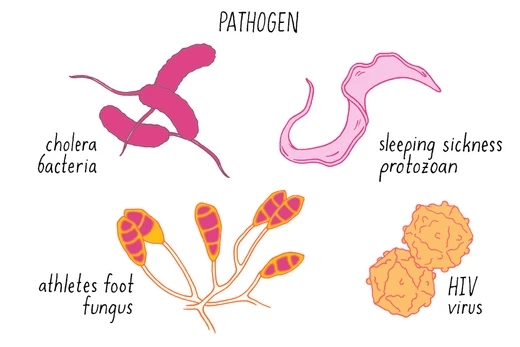
Plasmodium is a genus of unicellular eukaryotes that are obligate parasites of vertebrates and insects such as mosquitoes in the genus Anopheles. The genus includes over 200 species, many of which cause malaria, a disease resulting from the destruction of host red blood cells. Plasmodium species are distributed globally wherever suitable hosts are found, infecting reptiles, birds, and mammals, including five species that regularly infect humans.
Quick Facts
- Taxon
- Plasmodium
Facts from the source article.
Lore & Background
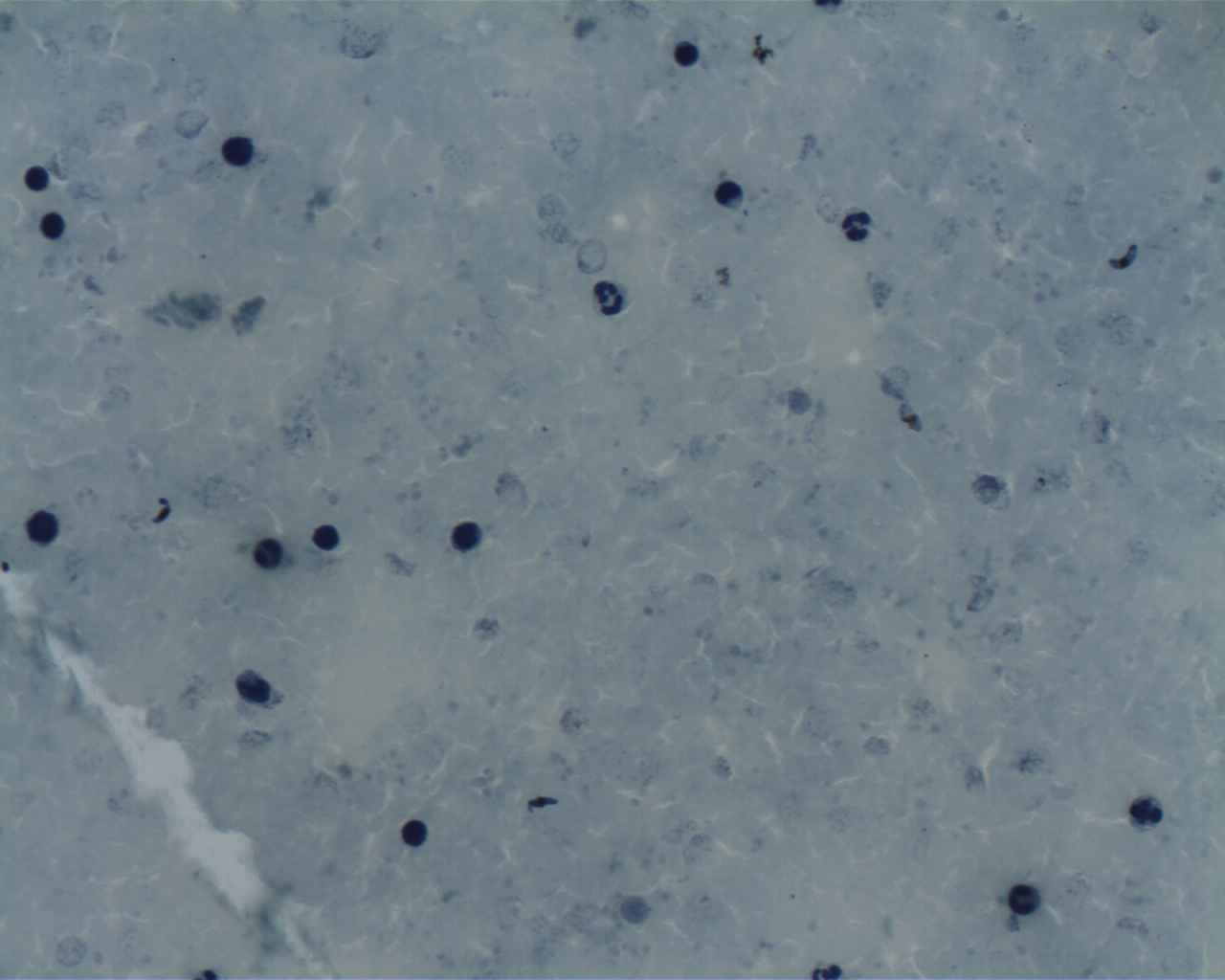
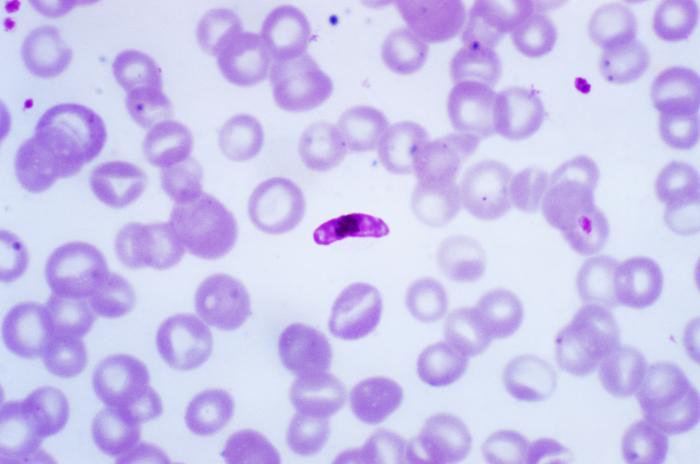
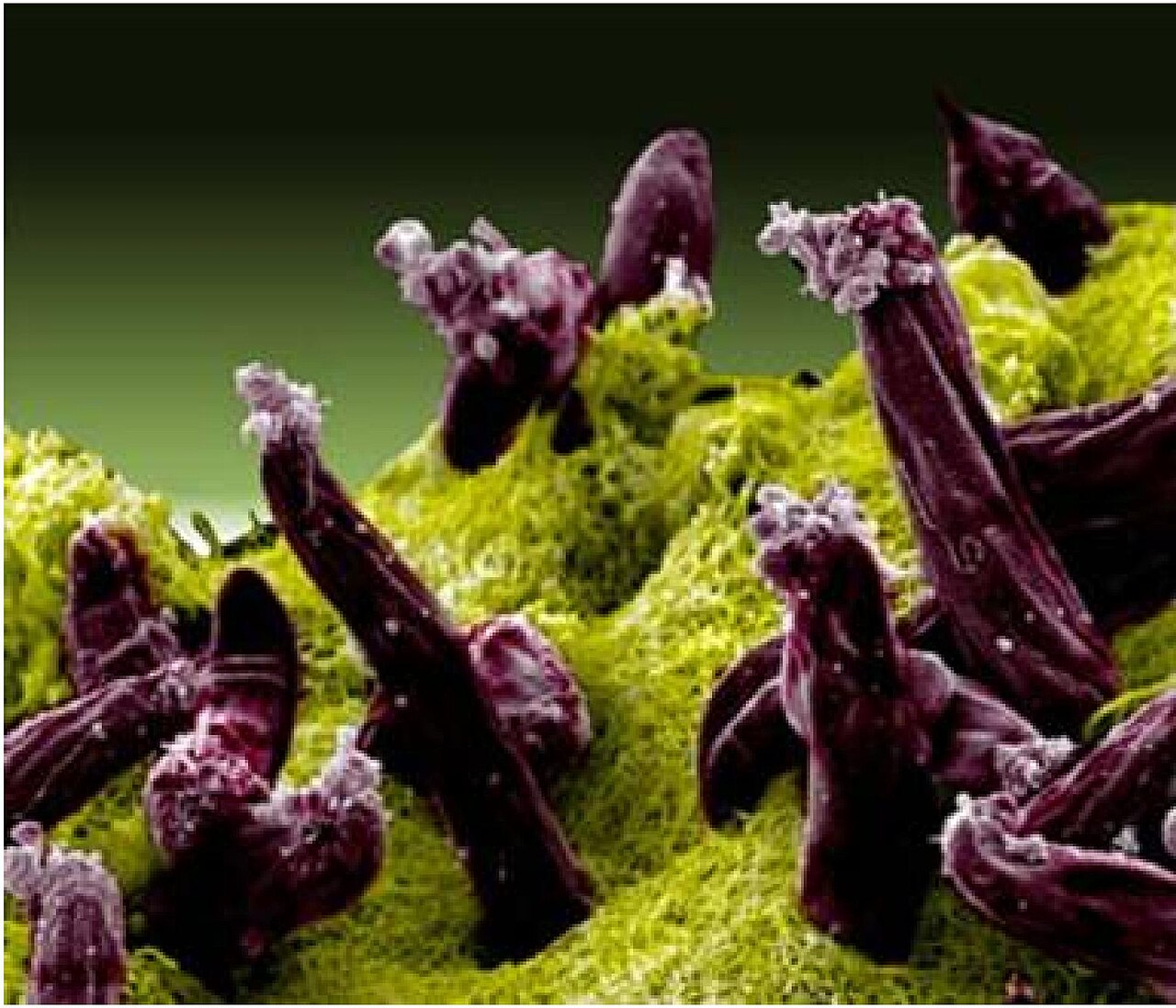
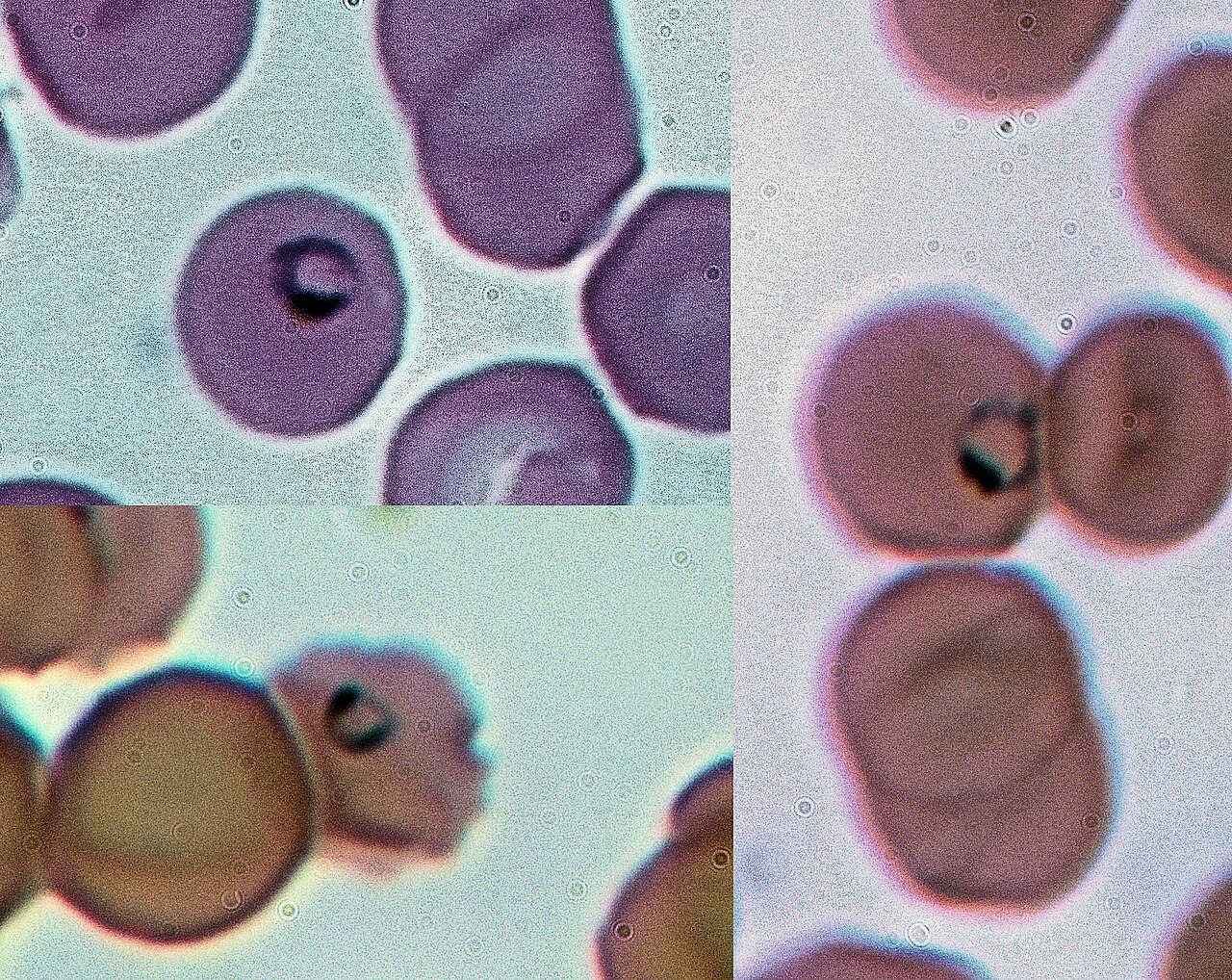
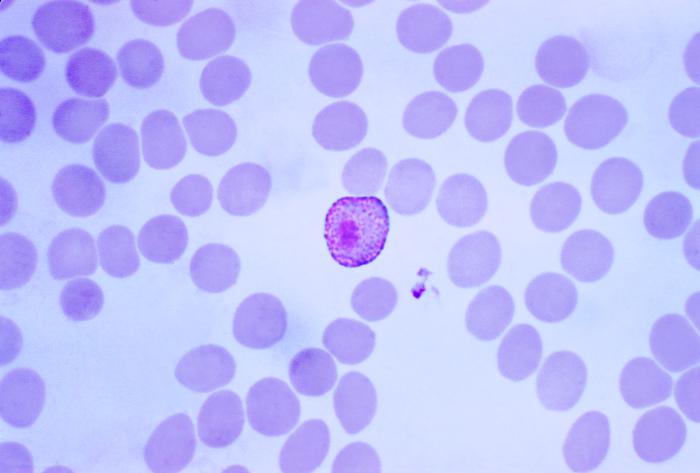
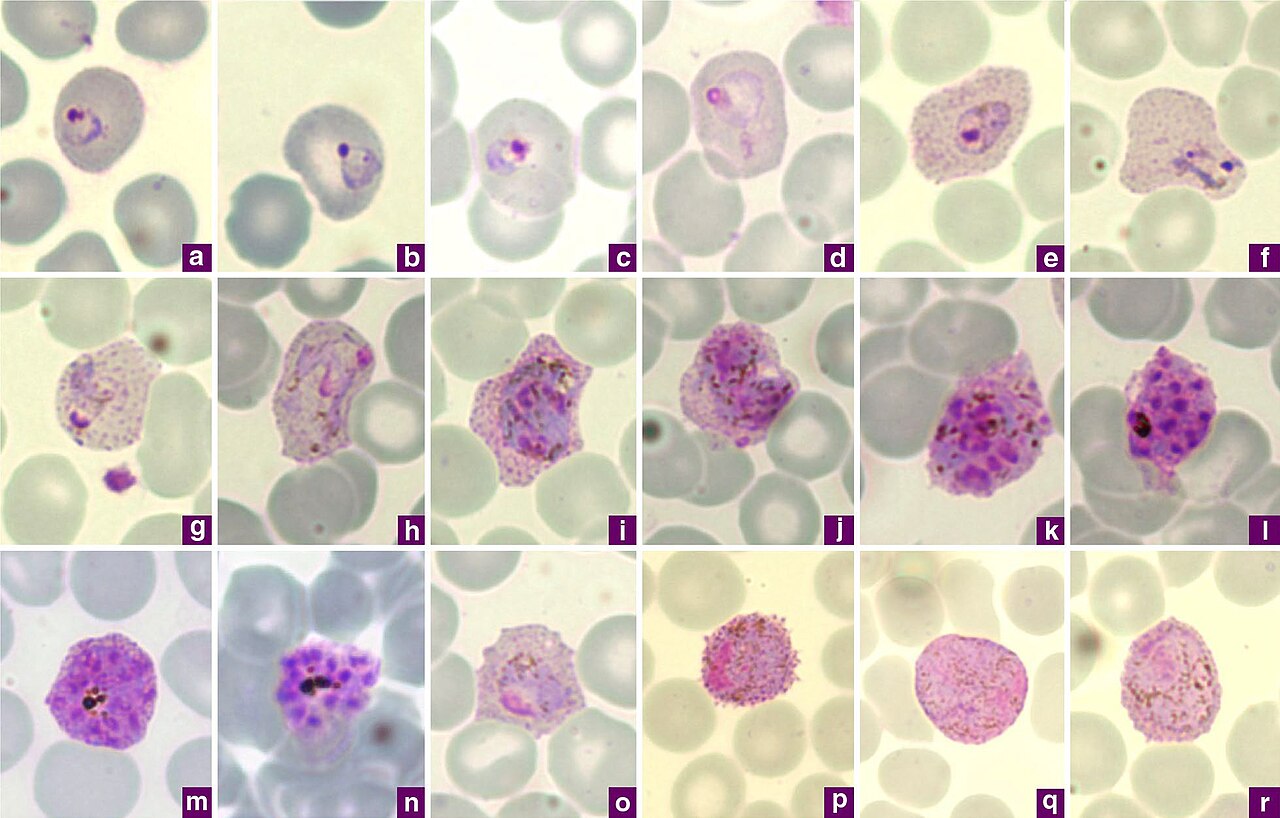
Plasmodium species have complex life cycles involving development in a blood-feeding insect host, most frequently mosquitoes of the genus Anopheles, which inject parasites into a vertebrate host during a blood meal. Parasites first grow within a vertebrate body tissue, often the liver, before entering the bloodstream to infect red blood cells. Within red blood cells, merozoites grow through ring-shaped and trophozoite stages, then mature to schizonts that divide to produce new merozoites, eventually bursting the cell. Some merozoites differentiate into male or female gametocytes, which are taken up by a mosquito during a blood meal, continuing the cycle in the insect's midgut where fertilization occurs and sporozoites eventually migrate to the salivary glands.
Reader's Guide
Plasmodium is significant primarily as the causative agent of malaria, a disease that can be severe and rapidly fatal, particularly with P. falciparum in humans, which results in hundreds of thousands of deaths per year. The genus has been studied extensively since its first identification in the late 19th century by Charles Laveran. Over the 20th century, many species were discovered and classified, including five that regularly infect humans. A number of drugs have been developed to treat Plasmodium infection, but the parasites have evolved resistance to each drug developed. The genus also includes species that can form dormant hypnozoites in the liver, leading to recurrent malaria, and hidden parasites in the spleen and bone marrow can cause relapses even in subclinical infections. Plasmodium cannot be spread from person to person, and transmission via blood transfusion is very rare.
Did You Know?
- Plasmodium species contain a single large mitochondrion that coordinates its division with that of the parasite cell.
- The apicoplast, a second membrane-bound organelle in Plasmodium, is derived from a secondary endosymbiosis event involving a red alga.
- Some Plasmodium species of primates can form a long-lived dormant stage called a hypnozoite, which can remain in the liver for more than a year.
- P. falciparum is the most lethal Plasmodium species in humans, resulting in hundreds of thousands of deaths per year.
Gallery
Frequently Asked Questions
Who is Plasmodium?
Plasmodium is a genus of single-celled eukaryotic parasites classified under the phylum Apicomplexa and the order Haemosporida. It is an obligate parasite, meaning it cannot survive outside the bodies of vertebrate hosts and its Anopheles mosquito vector.
What are Plasmodium's powers or role?
Its defining biological 'power' is the ability to invade, replicate inside, and ultimately rupture red blood cells, which is the mechanism behind malaria. It alternates between a vertebrate host and a mosquito to complete its sexual and asexual reproductive stages.
Why is Plasmodium important?
Five of its species regularly infect humans and are the cause of malaria, a disease that still claims hundreds of thousands of lives each year. It also parasitizes birds, reptiles, and other mammals worldwide, making it a cornerstone subject in parasitology and microbiology research.
How many species are in the Plasmodium 'roster'?
More than 200 described species belong to the genus, all placed within the family Plasmodiidae. The vast majority target non-human vertebrates, and the genus is distributed on every continent wherever suitable Anopheles mosquitoes and warm-blooded hosts coexist.
More in Infectious Agents And Pathogens 1-21
Spotted an error? Know more?
Reader corrections go straight into our review queue. Suggest an edit · How this site is sourced