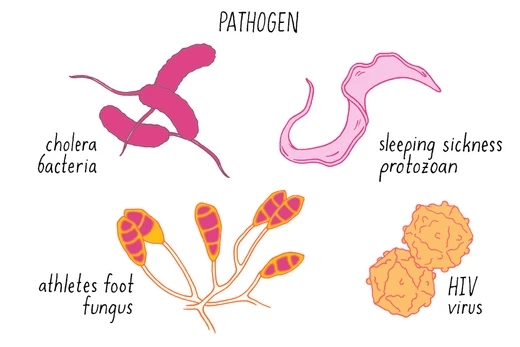
Shigella
Bacterial genus causing dysentery in primates.

Ajay Kumar Chaurasiya · CC0
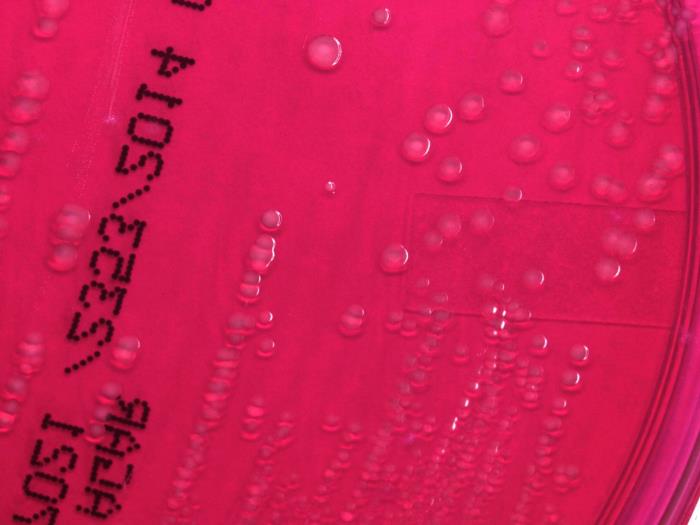
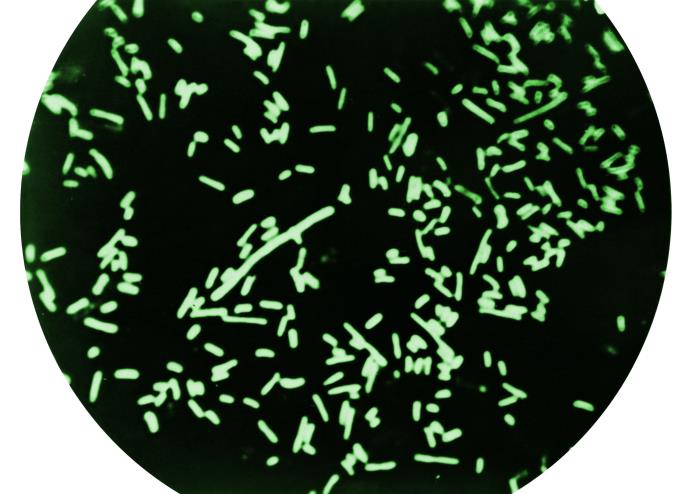
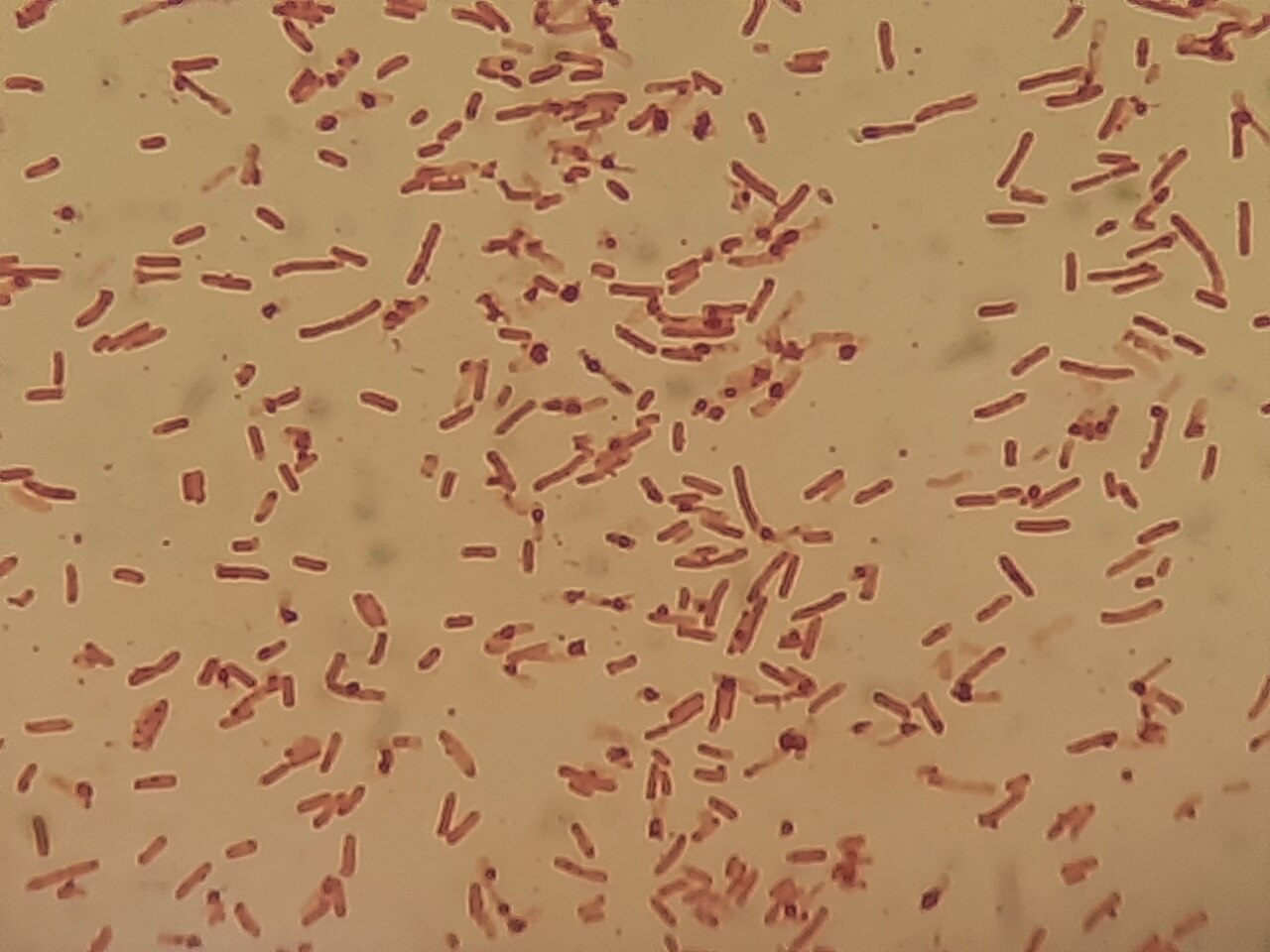
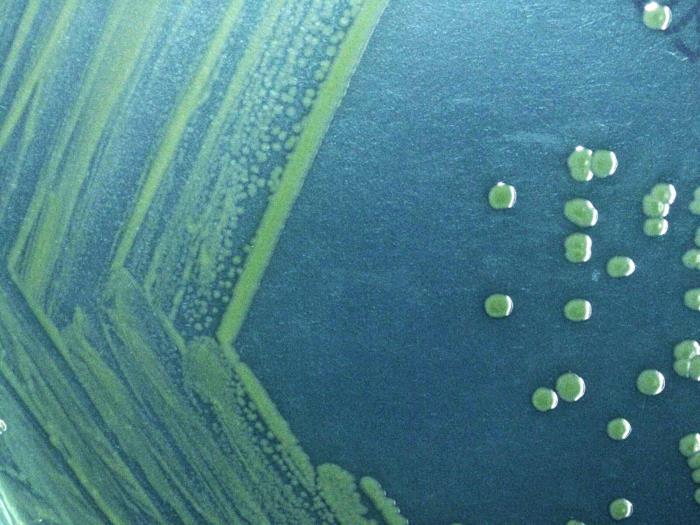
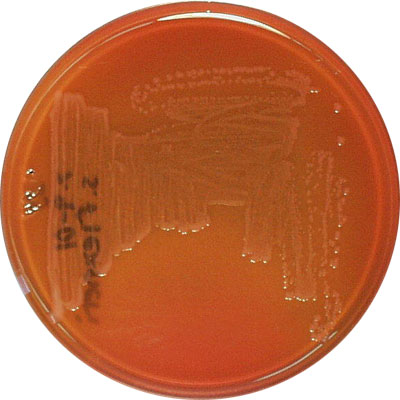
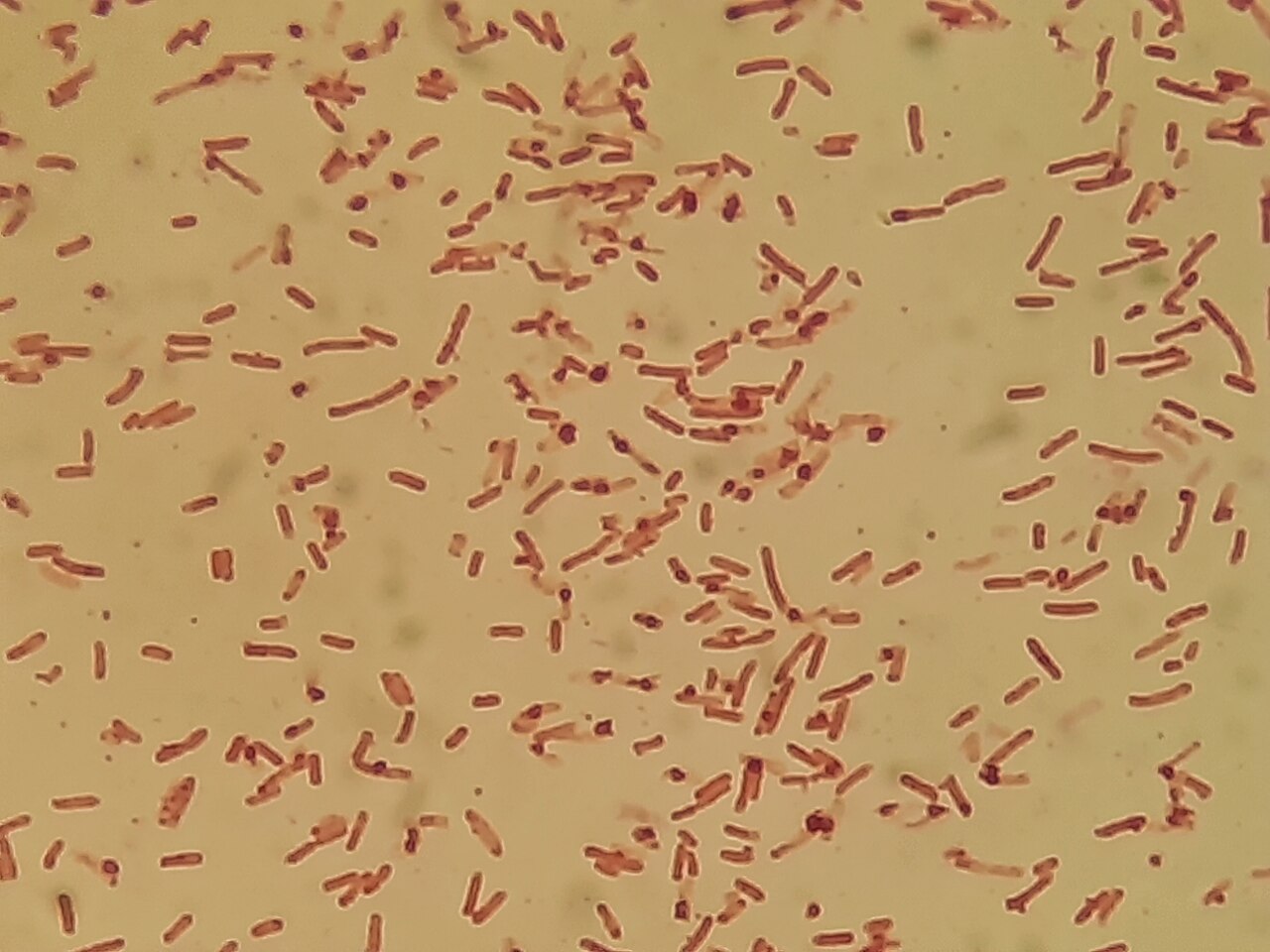
Shigella is a genus of rod-shaped bacteria that are Gram-negative, need oxygen only facultatively, do not form spores, and cannot move on their own. Genetically, they fall within the species *Escherichia coli*. The genus was named for Kiyoshi Shiga, a Japanese doctor who first identified the bacterium in 1897. Shigella causes disease only in primates, including humans and other primates, and is responsible for shigellosis, a form of dysentery. It is a major global cause of bacterial diarrhea, with an estimated 80 to 165 million cases and between 74,000 and 600,000 deaths each year. It ranks among the four leading pathogens behind moderate-to-severe diarrhea in children in Africa and South Asia.
The genus is divided into four serogroups: serogroup A (*Shigella dysenteriae*, 15 serotypes), serogroup B (*Shigella flexneri*, 9 serotypes), serogroup C (*Shigella boydii*, 19 serotypes), and serogroup D (*Shigella sonnei*, one serotype). Groups A through C are physiologically alike, while *S. sonnei* can be told apart by biochemical tests. Three species cause most disease: *S. flexneri* is the most common worldwide and accounts for 60% of cases in developing countries; *S. sonnei* causes 77% of cases in developed nations but only 15% in developing ones; and *S. dysenteriae* typically sparks epidemic dysentery, especially in crowded settings like refugee camps. Every Shigella strain carries a virulence plasmid with key primary virulence factors. Their chromosomes share most genes with the well-studied *E. coli* K12 strain MG1655, and phylogenetic work suggests Shigella is better seen as a subgroup of *E. coli*.
Infection usually happens when someone swallows the bacteria. In a vulnerable person, fewer than 100 cells can cause illness. Shigella invades the colon’s epithelial lining, triggering intense inflammation and cell death, which leads to diarrhea—often dysentery. Some strains produce toxins that worsen disease: *S. flexneri* makes ShET1 and ShET2, which may contribute to diarrhea, while *S. dysenteriae* makes Shiga toxin, similar to the verotoxin from enterohemorrhagic *E. coli*. Both Shiga toxin and verotoxin can cause potentially fatal hemolytic-uremic syndrome.
Shigella does not attach to the top surface of epithelial cells but prefers the basolateral side, so it enters the body through M-cells in the small intestine’s lining.
Quick Facts
- Taxon
- Shigella
Facts from the source article.
Lore & Background
Kiyoshi Shiga entered the Tokyo Imperial University School of Medicine in 1892, where he attended a lecture by Shibasaburo Kitasato. Impressed by Kitasato's intellect and confidence, Shiga became his research assistant at the Institute for Infectious Diseases after graduating. In 1897, Shiga focused on a sekiri (dysentery) outbreak that affected over 91,000 people with a mortality rate exceeding 20%. He studied 32 dysentery patients and used Koch's postulates to isolate and identify the bacterium causing the disease. Shiga continued to characterize the bacterium, identified its methods of toxin production, and worked to create a vaccine.
Reader's Guide
Shigella remains a major global health concern, particularly in developing regions where S. flexneri accounts for 60% of cases, and in developed regions where S. sonnei causes 77% of cases. The genus is notable for its virulence plasmid and its genetic similarity to E. coli, with phylogenetic studies suggesting it should be treated as a subgroup of Escherichia coli. Shigella species invade the colonic epithelium via M-cells, using a type-III secretion system to translocate effector proteins that suppress host interferon signaling. The Shiga toxin produced by S. dysenteriae can cause hemolytic-uremic syndrome. Despite decades of research, Shigella continues to cause epidemics in confined populations such as refugee camps, and is implicated in reactive arthritis worldwide. Its discovery by Kiyoshi Shiga during a devastating 1897 epidemic in Japan laid the foundation for understanding bacterial dysentery.
Did You Know?
- Shigella is named after Japanese physician Kiyoshi Shiga, who discovered it in 1897 during a dysentery outbreak that affected over 91,000 people.
- Shigella is genetically nested within Escherichia coli, and its chromosomes share most genes with E. coli K12 strain MG1655.
- Fewer than 100 Shigella bacterial cells can cause infection, depending on the host's health.
- S. dysenteriae produces Shiga toxin, which is similar to the verotoxin produced by enterohemorrhagic E. coli and can cause hemolytic-uremic syndrome.
The Man Behind the Name: Kiyoshi Shiga's 1897 Breakthrough
In the late nineteenth century, recurring dysentery epidemics — called sekiri in Japanese — devastated communities across Japan. It was against this backdrop that Kiyoshi Shiga, a young physician who had entered the Tokyo Imperial University School of Medicine in 1892, turned his attention to the problem. Shiga had been deeply influenced by a lecture delivered by Shibasaburo Kitasato, whose intellectual confidence left a lasting impression. After graduating, Shiga joined Kitasato's team as a research assistant at the Institute for Infectious Diseases. By 1897, the annual sekiri outbreak had already claimed over ninety-one thousand people, with a mortality rate exceeding twenty percent. Shiga examined thirty-two dysentery patients and, applying Koch's postulates, successfully isolated the responsible bacterium. He went on to characterize the organism's toxin production and began work toward developing a vaccine. The genus that bears his name — Shigella — remains a reminder of how one researcher's determination during a public-health crisis can reshape medical science.
Molecular Warfare: How Shigella Invades and Evades
Shigella infection typically begins when a person ingests as few as one hundred bacterial cells. Rather than attaching to the top surface of intestinal epithelial cells, the bacterium targets the basolateral side, slipping through specialized M-cells scattered along the small intestine. Once inside, it deploys a type-III secretion system — essentially a molecular syringe — to inject toxic effector proteins into the host cell. These proteins can dissolve vacuolar membranes or reorganize actin filaments, enabling the bacterium to propel itself through the cytoplasm and into neighboring cells. The IcsA protein, for example, recruits N-WASP and Arp2/3 complexes to drive actin polymerization, facilitating cell-to-cell spread. Beyond direct invasion, Shigella actively dismantles the immune response: the OspC1 and OspC3 proteins bind calmodulin, mimicking the interaction normally reserved for CaMKII, thereby suppressing the JAK/STAT interferon pathway and silencing interferon-stimulated gene expression. Some strains also manufacture ShET1, ShET2, or the hemolytic Shiga toxin, the latter of which is linked to the potentially lethal hemolytic-uremic syndrome.
A Global Burden: Epidemiology and the Human Toll
Shigella stands as one of the most consequential bacterial pathogens in global public health. Current estimates place annual shigellosis cases between eighty and one hundred sixty-five million, with deaths ranging from seventy-four thousand to six hundred thousand. The bacterium is a leading cause of bacterial diarrhea worldwide and ranks among the top four pathogens responsible for moderate-to-severe diarrhea in children across Africa and South Asia. Its distribution is strikingly primate-specific: it is found naturally only in humans and gorillas, and causes disease in primates but not in other mammals. The species that dominate also vary by setting. S. flexneri is the most frequently isolated species globally and accounts for roughly sixty percent of cases in the developing world. S. sonnei, by contrast, drives seventy-seven percent of infections in developed countries but only fifteen percent in developing ones. S. dysenteriae is the species most often behind epidemic dysentery, particularly in confined populations such as refugee camps. Infection typically manifests two to seven days after ingestion, producing fever, nausea, vomiting, cramping, and bloody or mucoid stools, and in rare cases can trigger seizures in young children or reactive arthritis.
Taxonomy and the E. coli Connection
Despite being recognized as its own genus, Shigella occupies a peculiar taxonomic position. Phylogenetic analyses consistently indicate that the genus is more properly regarded as a subgroup within Escherichia coli, and the two share the vast majority of their chromosomal genes with the well-studied E. coli K12 strain MG1655. Morphologically, Shigella members are Gram-negative, facultatively anaerobic, nonmotile, non-spore-forming rods. The genus is divided into four serogroups: A (S. dysenteriae, with fifteen serotypes), B (S. flexneri, nine serotypes), C (S. boydii, nineteen serotypes), and D (S. sonnei, a single serotype). Groups A through C are physiologically similar, while S. sonnei can be distinguished through biochemical metabolic assays. Every Shigella genome carries a virulence plasmid encoding conserved primary virulence determinants, underscoring that the pathogenic machinery is a shared, stable feature across the genus. This close genetic kinship with a harmless commensal like E. coli highlights how a relatively modest set of acquired virulence factors can transform a benign gut resident into a destructive invasive pathogen.
Gallery
Frequently Asked Questions
Who is Shigella?
Shigella is a genus of small, rod-shaped, Gram-negative bacteria that lack the ability to move independently or produce spores. It was first identified in 1897 by Japanese physician Kiyoshi Shiga, and the genus bears his name in recognition of that discovery.
What are Shigella's powers or role?
Shigella burrows into the intestinal epithelium of primates, provoking a violent inflammatory cascade that produces shigellosis, a bloody form of dysentery. It is restricted to primate hosts and does not colonize or infect non-primate animals.
Why is Shigella important?
Shigella ranks among the leading bacterial causes of diarrhea globally, responsible for an estimated 80 to 165 million cases and roughly 74,000 to 600,000 deaths each year. Its burden falls hardest on young children in low-resource regions where sanitation is limited.
What is Shigella's true identity in the bacterial family tree?
Although it carries its own genus name, Shigella is genetically embedded within the species Escherichia coli, sharing a remarkably close evolutionary lineage with that better-known relative. The separate genus designation is maintained because of its distinct primate-specific pathogenic behavior.
More in Infectious Agents And Pathogens 1-21
Spotted an error? Know more?
Reader corrections go straight into our review queue. Suggest an edit · How this site is sourced