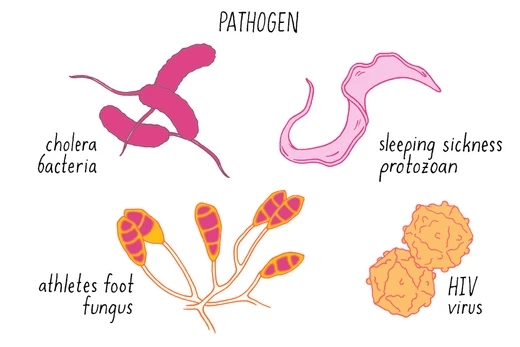
Staphylococcus aureus
A common bacterium that can turn deadly.

DataBase Center for Life Science (DBCLS) · CC BY 4.0
Staphylococcus aureus is a gram-positive, spherically shaped bacterium that is a usual member of the human microbiota, frequently found in the upper respiratory tract and on the skin. It is a facultative anaerobe and often positive for catalase and nitrate reduction. Although it usually acts as a commensal, it can become an opportunistic pathogen, causing a range of illnesses from minor skin infections to life-threatening diseases, and is a leading cause of deaths associated with antimicrobial resistance.
Quick Facts
- Genus
- Staphylococcus
- Species
- aureus
Facts from the source article.
Lore & Background
In 1880, Scottish surgeon Alexander Ogston discovered Staphylococcus in pus from a surgical abscess, naming it for its clustered appearance under a microscope. In 1884, German scientist Friedrich Julius Rosenbach identified Staphylococcus aureus, distinguishing it from Staphylococcus albus. Before the 1940s, S. aureus infections were usually fatal, but penicillin proved effective until resistance became widespread by the end of that decade.
Reader's Guide
Staphylococcus aureus is significant as one of the five most common causes of hospital-acquired infections and a frequent cause of wound infections after surgery. Each year in the United States, around 500,000 hospital patients contract a staphylococcal infection, chiefly by S. aureus, with up to 50,000 deaths linked to such infections. The emergence of antibiotic-resistant strains, such as methicillin-resistant S. aureus (MRSA), has made it a worldwide problem in clinical medicine. Despite extensive research, no vaccine has been approved. The bacterium's ability to acquire mobile genetic elements and evolve new traits, including virulence factors and antibiotic resistance, underscores its ongoing threat to public health.
Did You Know?
- S. aureus is named for its golden-yellow colonies and grape-like clusters under a microscope.
- An estimated 21% to 30% of humans are long-term carriers of S. aureus.
- Up to 50,000 deaths each year in the U.S. are linked to staphylococcal infection.
- No vaccine for S. aureus has been approved despite much research and development.
Identity and Biological Profile
Staphylococcus aureus is a gram-positive bacterium with a spherical morphology, classified within the phylum Bacillota. It thrives as a facultative anaerobe, capable of growing in the absence of oxygen, and typically tests positive for both catalase activity and nitrate reduction. In its most common role, S. aureus lives quietly as a commensal organism, residing in the upper respiratory tract, on the skin, and in the lower reproductive tract of women. Roughly one in five to one in three people carry it long-term in the nostrils or on the skin without ever experiencing symptoms. However, this same organism can shift into an opportunistic pathogen. Pathogenic strains deploy an arsenal of virulence factors, including potent protein toxins and a cell-surface protein that binds and neutralizes antibodies, undermining the host's immune defenses. This dual nature—harmless resident by day, dangerous invader by circumstance—makes it one of the most clinically significant bacteria in medicine.
Clinical Burden and the Resistance Crisis
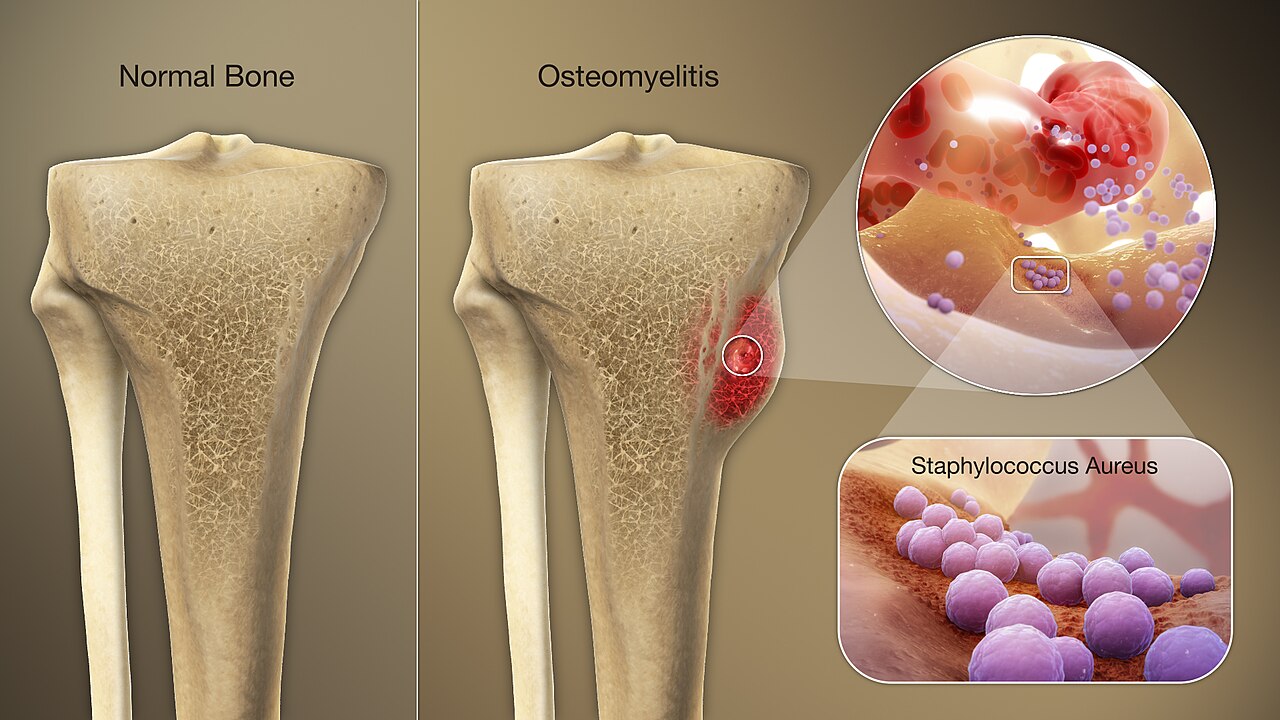
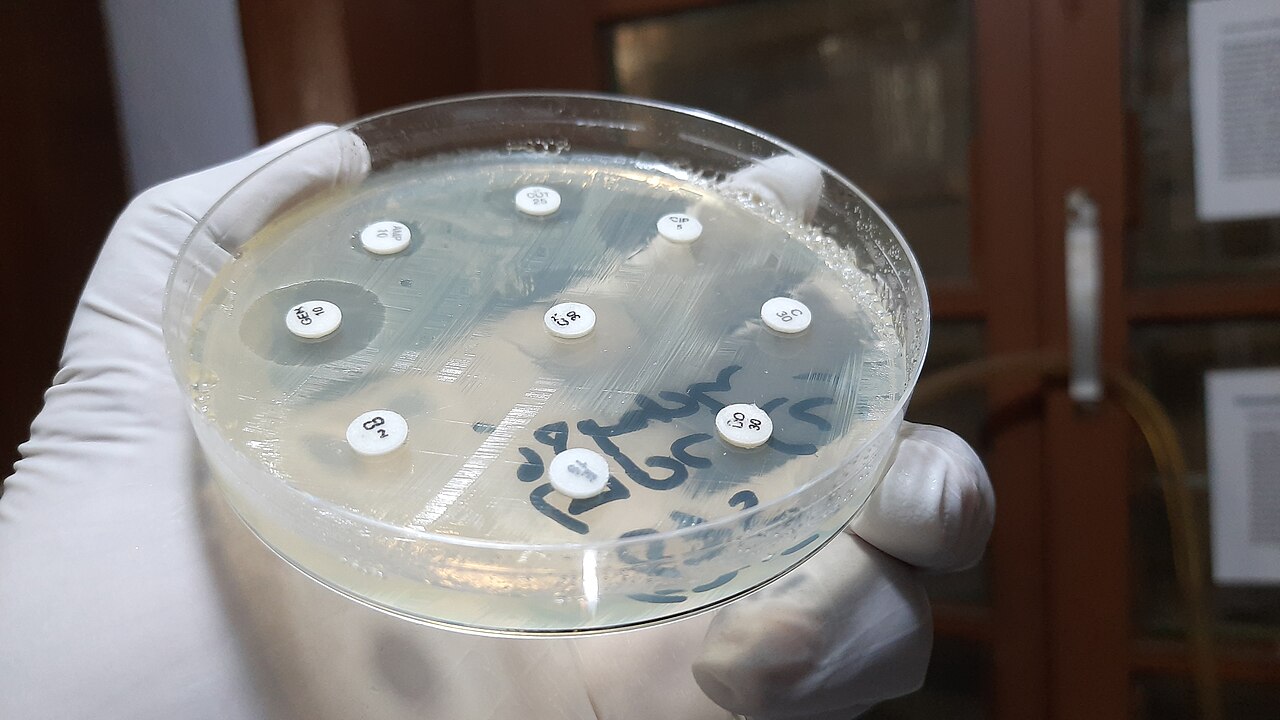
The clinical footprint of S. aureus spans an extraordinary range of severity. At the mild end, it produces familiar skin complaints such as pimples, impetigo, boils, folliculitis, cellulitis, carbuncles, and abscesses. At the extreme, it drives life-threatening conditions including pneumonia, meningitis, osteomyelitis, endocarditis, toxic shock syndrome, bacteremia, and sepsis. It remains one of the five most common causes of hospital-acquired infections and is frequently the culprit behind post-surgical wound infections. In the United States alone, approximately 500,000 hospitalized patients contract a staphylococcal infection each year, and up to 50,000 deaths are linked to such infections annually. The situation is compounded by antimicrobial resistance; methicillin-resistant S. aureus and other resistant variants have made this organism one of the leading pathogens responsible for deaths tied to drug resistance worldwide. Despite decades of research and development, no vaccine has yet been approved to protect against it, leaving clinicians dependent on antibiotics that the bacterium continually outmaneuvers.
From Discovery to the Antibiotic Era
The story of S. aureus in medicine began in 1880, when Scottish surgeon Alexander Ogston observed clusters of bacteria in pus drawn from a surgical abscess. He named the organism Staphylococcus for its grape-like grouping visible under the microscope. Four years later, German scientist Friedrich Julius Rosenbach distinguished S. aureus from the closely related S. albus, formally identifying the species. In the early 1930s, clinicians adopted a streamlined diagnostic approach: coagulase testing, which detects an enzyme the bacterium produces, allowing rapid confirmation of an S. aureus infection. Before the 1940s, staphylococcal infections were fatal in the majority of cases. The arrival of penicillin transformed the prognosis, offering a reliable cure. Yet the triumph was short-lived. By the close of the 1940s, penicillin resistance had spread throughout the S. aureus population, and outbreaks of resistant strains began appearing, foreshadowing the ongoing arms race between antibiotics and this remarkably adaptable pathogen.
Genetic Diversity and Co-Evolution with Humans
S. aureus is organized into ten dominant human lineages, with numerous minor ones circulating less frequently. Within a lineage, genomes are largely conserved, but mobile genetic elements—bacteriophages, pathogenicity islands, plasmids, transposons, and staphylococcal cassette chromosomes—constantly shuffle new traits into the population. About 22% of the genome is non-coding and varies from one bacterium to the next, contributing to a wide spectrum of virulence; only a handful of strains are truly associated with human infection. The species also co-evolves with its human hosts. Over time, it learned to colonize the nasopharynx asymptomatically, ensuring transmission through the population. Yet only about half of humans carry it, with roughly 20% as continuous carriers and 30% as intermittent ones. Human factors such as age, sex, diabetes, smoking status, and even a polymorphism in the glucocorticoid receptor gene that increases corticosteroid production all influence colonization likelihood. Two internal barriers temper evolution: the AGR global regulator, whose loss-of-function mutations trade reduced virulence for greater drug resistance, and the Sau1 Type I restriction-modification system, which digests foreign DNA and blocks gene exchange between different lineages while permitting it within the same one.
Gallery

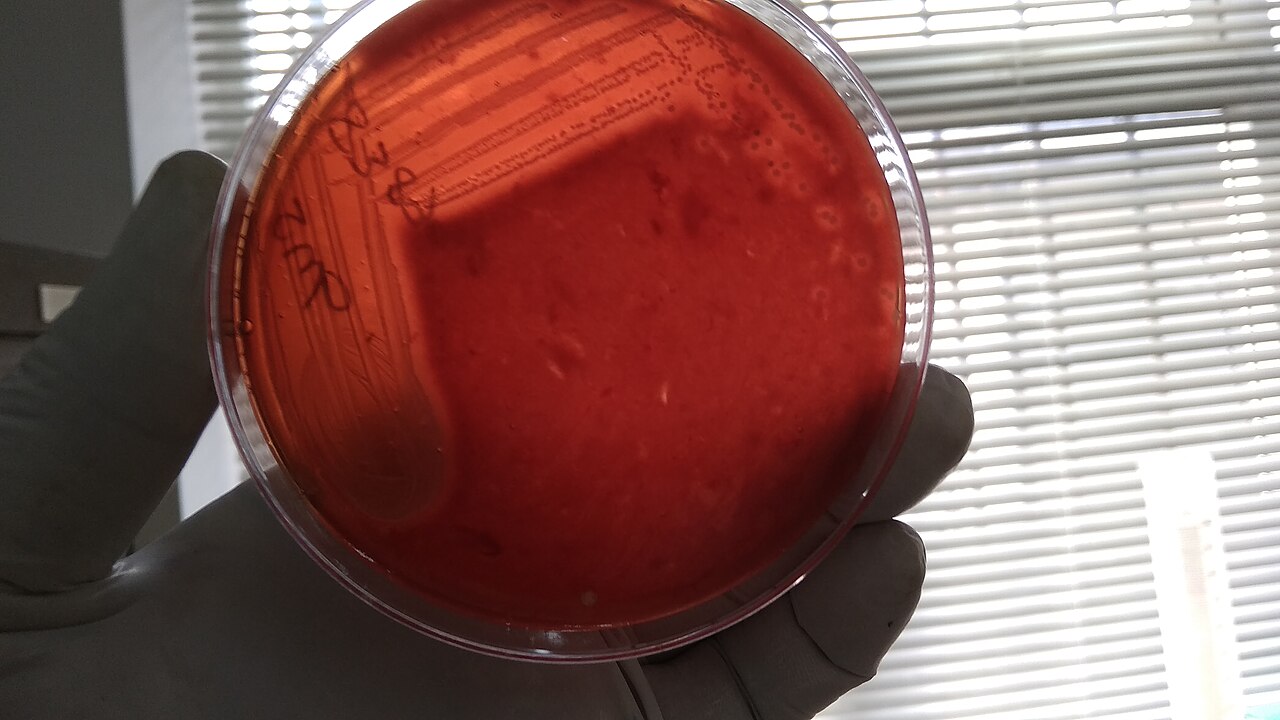

Frequently Asked Questions
Who is Staphylococcus aureus?
Staphylococcus aureus is a gram-positive, spherical bacterium that serves as a routine member of the human microbiome, most often colonizing the upper respiratory tract and skin. It is a facultative anaerobe that tests positive for catalase and nitrate reduction, and roughly 21–30 percent of people carry it long-term without ever falling ill.
What are Staphylococcus aureus's powers/role?
Its signature ability is versatility: it can flip from a harmless commensal to an opportunistic pathogen, deploying a range of toxins and enzymes that produce everything from a minor skin boil to sepsis or toxic-shock syndrome. It also carries a striking capacity to acquire resistance to multiple antibiotic classes, making it one of the leading drivers of antimicrobial-resistance mortality worldwide.
Why is Staphylococcus aureus important?
It sits at the crossroads of everyday microbiology and serious clinical danger: a bacterium that most of us host harmlessly can, in the wrong clinical context, become a leading cause of hospital-acquired infections and antimicrobial-resistance deaths. That dual commensal-pathogen identity makes it a cornerstone teaching organism and a persistent challenge for infectious-disease medicine.
What's Staphylococcus aureus's backstory?
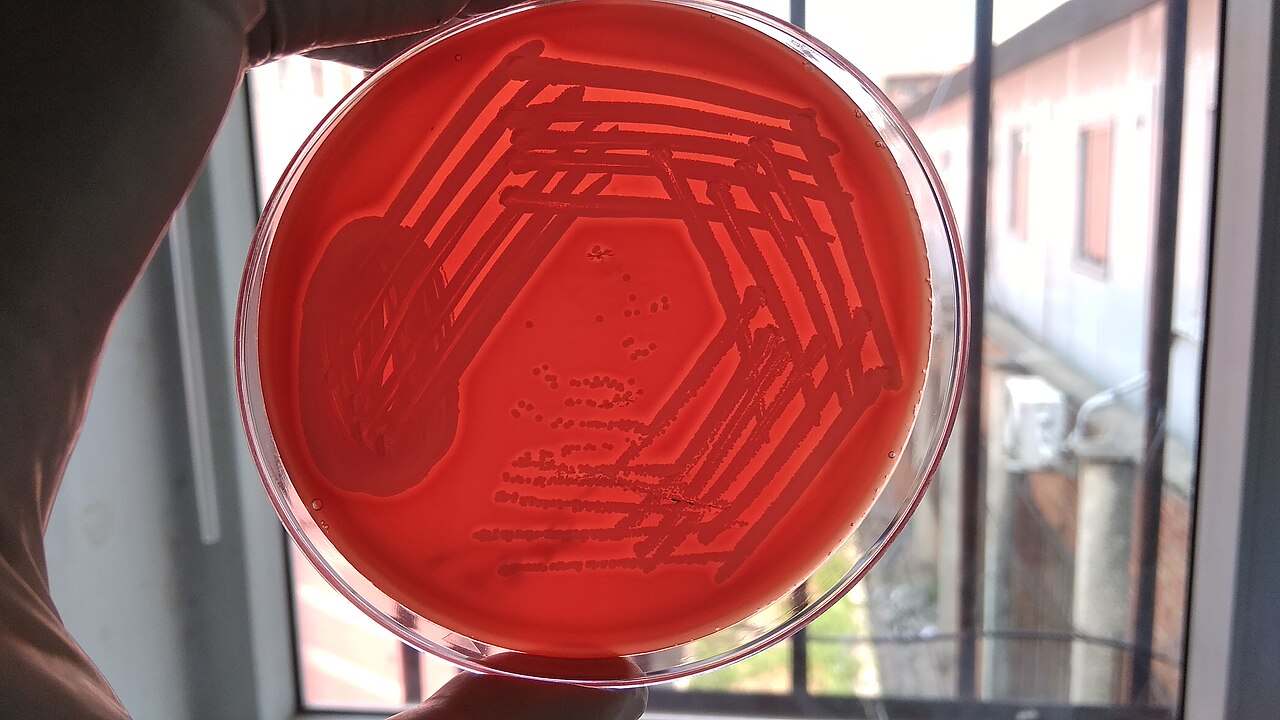
The organism was first described by Alexander Ogston in 1880, and the species epithet 'aureus' (Latin for golden) was assigned by Friedrich Julius Rosenbach in 1884, a nod to the characteristic golden-yellow pigment of its colonies. That pigment is also the origin of the fan-favorite nickname 'Golden Staph.'
More in Infectious Agents And Pathogens 1-21
Spotted an error? Know more?
Reader corrections go straight into our review queue. Suggest an edit · How this site is sourced