Respiratory syncytial virus
A respiratory virus causing syncytia and severe illness in infants and elderly.

NIAID · CC BY 2.0
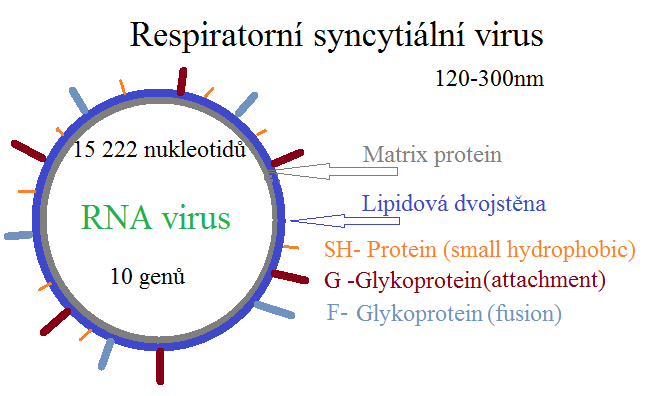
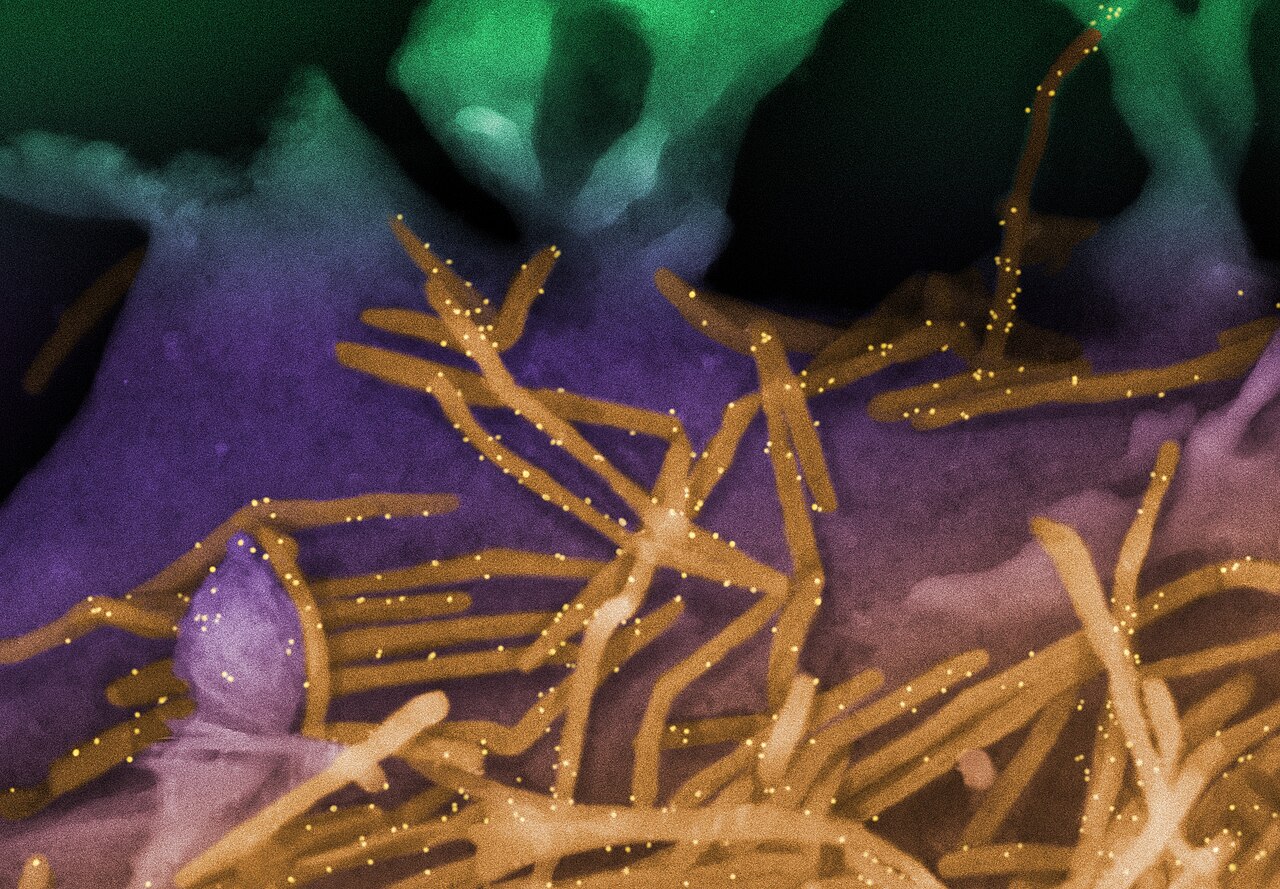
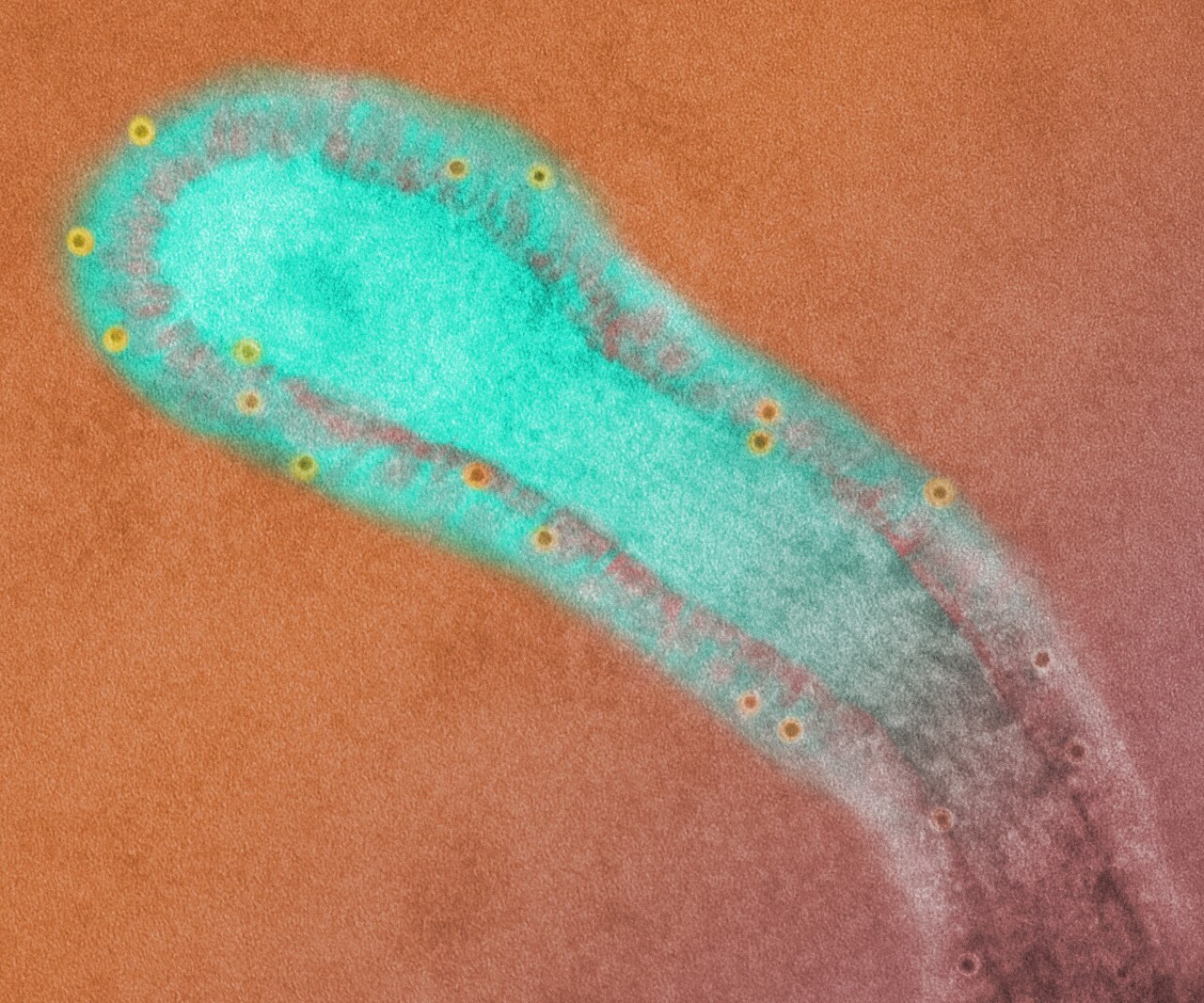
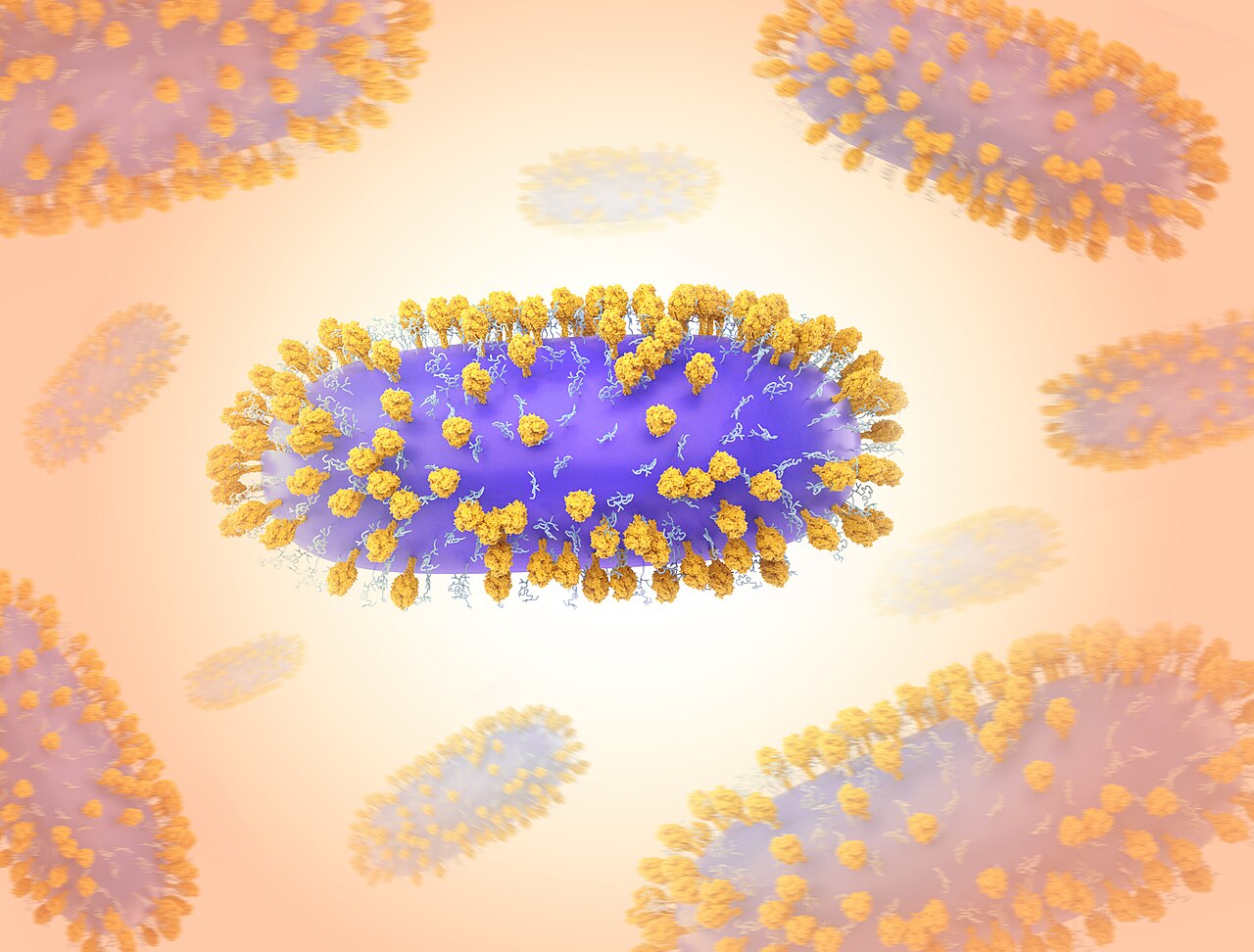
Respiratory syncytial virus (RSV), also known as human respiratory syncytial virus or human orthopneumovirus, is a negative-sense, single-stranded RNA virus that infects the respiratory tract. It gets its name from the large, multinucleated cells called syncytia that appear when infected cells fuse together. RSV is a leading cause of respiratory hospitalizations in infants and affects people of all ages, with reinfections happening frequently throughout life.
Infection rates tend to rise during cold winter months. In infants, RSV often causes bronchiolitis; in adults, it typically results in common colds. Older individuals and those with weakened immune systems—such as those with cardiopulmonary disease—may develop more serious illnesses like pneumonia. Outbreaks can occur in both community and hospital settings. The virus enters through the eyes or nasal passages and then infects epithelial cells in the upper and lower airways, leading to inflammation, cell damage, and airway blockage. Diagnosis can be made using antigen testing, molecular testing, or viral culture.
Prevention includes hand-washing and avoiding close contact with infected people. Evidence that RSV spreads through respiratory aerosols, including fine and ultrafine particles produced during normal breathing, talking, and coughing, suggests that airborne precautions may be needed for reliable protection. In May 2023, the FDA approved the first RSV vaccines: Arexvy (from GSK plc) and Abrysvo (from Pfizer). For high-risk infants, monoclonal antibody treatments like palivizumab or nirsevimab can prevent infection. Treatment for severe cases is mainly supportive, involving oxygen therapy, continuous positive airway pressure (CPAP), or nasal high-flow oxygen. If respiratory failure occurs, intubation and mechanical ventilation may be necessary. Ribavirin is an antiviral drug approved for treating RSV in children.
**History** RSV was first discovered in 1956 when researchers isolated a virus from chimpanzees with respiratory illness, naming it chimpanzee coryza agent (CCA). In 1957, Robert M. Chanock identified the same virus in children with respiratory illness. Studies of human antibodies in infants and children showed that infection was common early in life. The virus was later renamed human orthopneumovirus, or human respiratory syncytial virus (hRSV).
- Discovered
- 1956
- Type
- Negative-sense, single-stranded RNA virus
- Genus
- Orthopneumovirus
- Family
- Pneumoviridae
- Order
- Mononegavirales
- Known for
- Leading cause of bronchiolitis in infants and respiratory illness in older adults
Lore & Background
RSV was discovered in 1956 when researchers isolated a virus from a population of chimpanzees with respiratory illness, naming it chimpanzee coryza agent (CCA). In 1957, Robert M. Chanock identified the same virus in children with respiratory illness. Studies of human antibodies in infants and children revealed that the infection was common in early life. The virus was later renamed human orthopneumovirus, or human respiratory syncytial virus (hRSV).
Reader's Guide
RSV is a significant pathogen because it causes widespread respiratory infections, particularly severe in infants, older adults, and immunocompromised individuals. Nearly all children in the United States experience at least one RSV infection before two years of age, and it is responsible for about 70% of bronchiolitis cases. In older adults, RSV leads to 60,000–160,000 hospitalizations and 6,000–10,000 deaths annually in the United States. The virus can cause outbreaks in both community and hospital settings. In May 2023, the US FDA approved the first RSV vaccines, Arexvy and Abrysvo. Prophylactic monoclonal antibody treatments (palivizumab or nirsevimab) can prevent infection in high-risk infants. Treatment for severe illness is primarily supportive, including oxygen therapy and mechanical ventilation if needed. Bovine RSV shares approximately 80% of its genome with hRSV and serves as an important animal model for research.
Did You Know?
- RSV was first isolated in 1956 from chimpanzees with respiratory illness and was initially called chimpanzee coryza agent.
- The virus's name comes from the large, multinucleated cells called syncytia that form when infected cells fuse.
- Bovine RSV shares about 80% of its genome with human RSV and causes similar symptoms in calves.
Origins and Naming
The story of RSV begins in 1956, when researchers working with a group of chimpanzees suffering from respiratory illness managed to isolate a previously unrecognized virus. They initially labeled it the chimpanzee coryza agent, or CCA. The following year, Robert M. Chanock made the critical connection by identifying this same agent in children presenting with respiratory disease. Subsequent antibody studies in infants and young children confirmed that exposure to this virus was a near-universal event in early childhood. Over time the pathogen received its more formal designations—human orthopneumovirus and human respiratory syncytial virus—reflecting both its taxonomic family and its most striking cellular effect. The name "syncytial" comes from the large, multinucleated cells called syncytia that form when virus-infected cells merge with their neighbors. Genetically, RSV is a negative-sense, single-stranded RNA virus. Its close relative, bovine RSV, shares roughly eighty percent of its genome and produces nearly identical clinical signs in calves under six months, making young bovines a valuable laboratory model for studying the human disease.
A Spectrum of Illness Across the Lifespan
RSV occupies a remarkable position in respiratory medicine because its clinical face changes dramatically depending on the age and immune status of the person infected. In the United States, virtually every child encounters the virus at least once before their second birthday. For most, the episode resembles a straightforward cold—nasal congestion, a runny nose, mild cough, and a low-grade fever—though conjunctival redness and throat inflammation may also appear. Yet fifteen to fifty percent of young patients progress to lower airway disease, and RSV accounts for roughly seventy percent of all bronchiolitis cases. Infants under six weeks, particularly those born prematurely, may present with surprisingly nonspecific signs: listlessness, poor feeding, irritability, or brief apneic pauses rather than the classic wheeze. In adults, reinfection is a lifelong possibility, usually producing only a mild upper-respiratory syndrome or even no symptoms at all. However, RSV stands out among common cold viruses for its tendency to trigger new-onset wheeze, and about a quarter of infected adults develop bronchitis or tracheobronchitis. The elderly and immunocompromised face the gravest risk, with pneumonia and respiratory failure representing the most dangerous outcomes.
Prevention and the Vaccine Era
For decades, the primary defenses against RSV were behavioral: diligent hand-washing and minimizing close contact with symptomatic individuals. The virus spreads readily in both community and hospital environments, and because normal breathing, talking, and coughing generate fine and ultrafine respiratory aerosols that can carry the pathogen, a growing body of scientific consensus suggests that airborne precautions may be necessary for truly reliable protection. A watershed moment arrived in May 2023, when the US Food and Drug Administration granted approval to the first two RSV vaccines—Arexvy, developed by GSK plc, and Abrysvo, produced by Pfizer—marking the first time active immunization became an option. For the most vulnerable infants, passive immunization with the monoclonal antibodies palivizumab or nirsevimab can shield those with high-risk predispositions from infection. Together, these tools represent a fundamental shift: RSV, long one of the most common causes of infant respiratory hospitalization and a persistent threat to the elderly, now has dedicated preventive strategies beyond simple hygiene.
Diagnosis and the Limits of Treatment
Once infection takes hold—typically entering through the eyes or nasal passages—RSV targets the epithelial cells lining both the upper and lower airways. The resulting inflammation, cellular damage, and progressive airway obstruction define the clinical course and drive the need for intervention. Confirming the diagnosis is straightforward in a modern laboratory: antigen-based assays, molecular nucleic-acid testing, and traditional viral culture are all available options. When illness becomes severe, however, therapeutic options remain essentially supportive. Oxygen supplementation is the first line, escalating to continuous positive airway pressure or nasal high-flow oxygen as respiratory distress deepens. In the most critical cases of respiratory failure, endotracheal intubation and mechanical ventilation become necessary to sustain the patient. Ribavirin, an antiviral agent, holds a licensed indication for treating RSV infection in children, but it does not fundamentally alter the supportive-care paradigm. There is no broadly approved antiviral that cures RSV in adults, which underscores why prevention—through vaccination, monoclonal antibodies, and infection-control measures—remains the most powerful strategy in the clinical armamentarium.
Gallery
Frequently Asked Questions
Who is Respiratory syncytial virus?
RSV is a negative-sense, single-stranded RNA virus classified under the family Pneumoviridae and genus Orthopneumovirus. It targets the respiratory tract and earned its name from the giant fused cells—syncytia—that form when infected cells merge together.
What are Respiratory syncytial virus's powers/role?
RSV specializes in triggering bronchiolitis in infants and lower-respiratory illness in older adults, making it a top driver of pediatric respiratory hospitalizations. It tends to surge during cold winter months and can reinfect the same person repeatedly across a lifetime.
Why is Respiratory syncytial virus important?
RSV stands out as the single leading cause of bronchiolitis in babies under one year and a major contributor to winter respiratory illness in seniors. Its ability to evade lasting immunity means reinfections are common, keeping it a persistent public-health concern.
When was Respiratory syncytial virus first discovered?
The virus was first identified in 1956, when researchers isolated it from chimpanzees showing cold-like symptoms. That discovery opened the door to decades of study into its role as a dominant respiratory pathogen affecting people of every age.
More in Infectious Agents And Pathogens 1-21
Spotted an error? Know more?
Reader corrections go straight into our review queue. Suggest an edit · How this site is sourced