Front electric sustainer
Electric sustainer for gliders with removable batteries and foldable propeller.

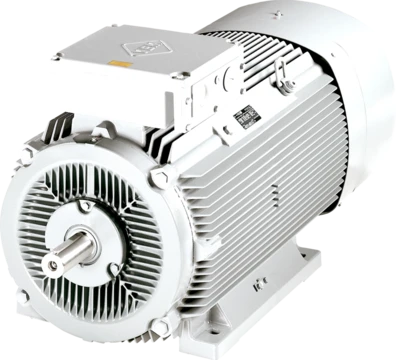
The Front electric sustainer (FES) is a glider propulsion system built by LZ Design d.o.o., based in Logatec, Slovenia. It relies on a 22 kW compact outrunner brushless DC electric motor mounted in the sailplane’s nose, powered by two lithium-ion battery packs. The motor drives a one-metre carbon-fibre propeller that folds across the nose when not in use; the blades open by centrifugal force once rotation begins. Each blade weighs 260 grams and is slightly bent to match the front fuselage shape of the specific glider model it is fitted to.
Lighter gliders can self-launch using FES, while heavier ones use it as a sustainer—allowing them to climb and cruise far enough to avoid an out-landing. Under power, gliders with FES have a shorter range (70–100 km) than those with two-stroke gasoline sustainer engines (120 km at 10 litres, 8.5 L/h at 100 km/h) or jet sustainers (150–200 km), but the electric motor is expected to start reliably as long as the batteries hold sufficient charge.
Unlike some electric gliders (such as the Lange Antares or Schleicher AS 34Me), the FES batteries can be removed from the glider for off-site charging, so no power supply is needed near the glider itself. Each of the two battery packs contains 28 Kokam lithium polymer cells wired in series, operating at 90–116V. Together, the packs store 4.2 kWh of energy. Each pack weighs 15.7 kg and is mounted in a reinforced area of the fuselage behind the wings, balancing the motor and propeller weight. Reinforced carrying cases are used to transport the packs to a charging location.
More than 240 gliders of eleven different types, from seven manufacturers, are already equipped with FES. These include the Schempp-Hirth Ventus 3 and Ventus 2, Schempp-Hirth Discus 2, Schempp-Hirth Duo Discus, DG Flugzeugbau DG-1000, Rolladen-Schneider LS8, LAK-17 and Mini-LAK, HPH 304, Diana Sailplanes Diana, Alisport Silent 2, and Albastar AS.
- Motor power
- 22 kW
- Motor type
- compact outrunner brushless DC electric motor
- Propeller diameter
- 1 metre
- Propeller material
- carbon fibre
- Battery energy
- 4.2 kW⋅h total
- Battery pack weight
- 15.7 kg each
- Range under power
- 70–100 km
Lore & Background
The FES system is designed for gliders, allowing lighter gliders to self-launch and heavier gliders to use it as a sustainer to climb and cruise sufficiently to avoid out-landing. The one-metre diameter propeller is made of carbon fibre and folds across the nose, opening using centrifugal force when rotation starts. Each propeller blade weighs 260 grams and is slightly bent to take the shape of the front surface of the fuselage of each glider type.
Unlike some electric gliders such as the Lange Antares and Schleicher AS 34Me, the batteries can be removed from the glider for charging off-site, requiring no power supply near the glider itself. The two battery packs each contain 28 Kokam lithium polymer cells wired in series, operating at a voltage range of 90–116V. The packs are mounted in a reinforced area in the fuselage behind the wings to balance the weight of the motor and propeller, and are transported in reinforced carrying cases.
More than 240 gliders of eleven different types, from seven manufacturers, are already equipped with this system. Compatible glider types include the Schempp-Hirth Ventus 3, Ventus 2, Discus 2, Duo Discus, DG Flugzeugbau DG-1000, Rolladen-Schneider LS8, LAK-17, Mini-LAK, HPH 304, Diana Sailplanes Diana, Alisport Silent 2, and Albastar AS.
Reader's Guide
The Front electric sustainer is notable as a practical electric propulsion option for gliders, offering reliable starting provided sufficient battery energy is available. Its removable battery packs distinguish it from integrated-electric glider designs, allowing charging away from the aircraft. The system's range under power (70–100 km) is shorter than that of two-stroke gasoline sustainer engines (120 km) or jet sustaining engines (150–200 km), but it provides an electric alternative. The foldable carbon-fibre propeller, which opens centrifugally and is custom-shaped to each glider's fuselage, is a key design feature. With over 240 units installed across eleven glider types from seven manufacturers, the FES has achieved significant adoption in the gliding community. The system's configuration—motor in the nose, batteries behind the wings—balances weight distribution. The use of lithium polymer cells in two 15.7 kg packs, each with 28 cells wired in series operating at 90–116V, provides a total of 4.2 kW⋅h of energy. The FES is produced by LZ Design d.o.o. in Logatec, Slovenia.
Did You Know?
- The FES uses a 22 kW compact outrunner brushless DC electric motor located in the nose of the sailplane.
- The propeller is made of carbon fibre, is one metre in diameter, and folds across the nose, opening by centrifugal force.
More in Electric Motors 1-24
Spotted an error? Know more?
Reader corrections go straight into our review queue. Suggest an edit · How this site is sourced