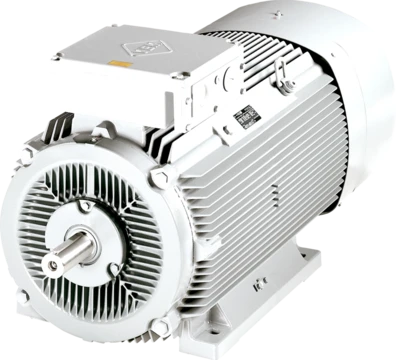
Field weakening
Speed control by reducing magnetic field strength in brushed DC motors.

Field weakening is a technique used in brushed DC motors to vary speed by altering the strength of the magnetic field. According to the source article, brushed DC motors can be varied in speed by changing the operating voltage or the strength of the magnetic field. This method allows the motor to achieve higher speeds than its rated base speed by reducing the field flux, which in turn reduces the back EMF and allows more current to flow, increasing rotational speed.
- Speed control methods
- changing the operating voltage or the strength of the magnetic field
- Motor type
- brushed DC electric motor
- Power source
- direct current power source
- Commutation type
- internal commutation via electric brush
Lore & Background
The source article describes that brushed DC motors were the first commercially important application of electric power to driving mechanical energy, and DC distribution systems were used for more than 100 years to operate motors in commercial and industrial buildings. Field weakening is one of the two methods mentioned for varying motor speed, the other being changing the operating voltage. The article notes that depending on the connections of the field to the power supply, the speed and torque characteristics of a brushed motor can be altered to provide steady speed or speed inversely proportional to the mechanical load.
In the context of the simple two-pole DC motor described, the article explains that when a current passes through the coil wound around a soft iron core inside an external magnetic field, forces cause rotation. The back EMF generated by the spinning motor opposes the applied voltage, and the current through the motor is given by I = (V_applied - V_cemf) / R_armature. Reducing the magnetic field strength would lower the back EMF, allowing higher current and thus higher speed for a given applied voltage.
The article also discusses that brushed motors continue to be used for electrical propulsion, cranes, paper machines and steel rolling mills, though brushless DC motors using power electronic devices have displaced brushed motors from many applications. Field weakening remains a relevant technique for speed control in these remaining applications.
Reader's Guide
The significance of field weakening in brushed DC motors, as described in the source article, lies in its role as one of two primary methods for speed variation—the other being voltage adjustment. The article states that brushed DC motors can be varied in speed by changing the operating voltage or the strength of the magnetic field. This technique is notable because it allows motors to exceed their base speed without increasing voltage, which is particularly useful in applications like electrical propulsion, cranes, paper machines, and steel rolling mills where variable speed is required. The article emphasizes that the speed and torque characteristics can be altered to provide steady speed or speed inversely proportional to the mechanical load, depending on field connections. However, the article also notes that brushless DC motors using power electronic devices have displaced brushed motors from many applications, implying that field weakening is now less common in newer designs. The legacy of field weakening is tied to the historical dominance of brushed DC motors in commercial and industrial buildings for over 100 years, as mentioned in the article. While the technique remains valid for existing brushed motor installations, its practical use has diminished with the rise of brushless alternatives.
More in Electric Motors 1-24
Spotted an error? Know more?
Reader corrections go straight into our review queue. Suggest an edit · How this site is sourced