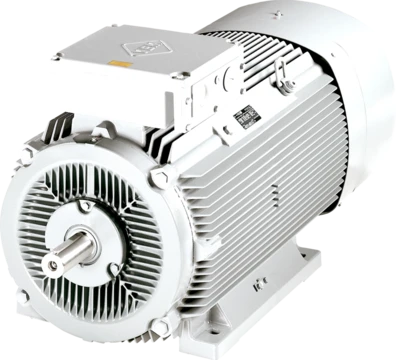
Cogging torque
Undesirable torque from magnet-stator slot interaction.

Cogging torque, also known as detent or no-current torque, is the torque resulting from the interaction between the permanent magnets of the rotor and the stator slots in a permanent magnet machine. It is position-dependent, with its periodicity per revolution determined by the number of magnetic poles and the number of teeth on the stator. This torque is an undesirable component, especially prominent at lower speeds, where it causes jerkiness.
- Also known as
- detent or no-current torque
- Position dependent
- True
- Periodicity depends on
- number of magnetic poles and number of teeth on the stator
- Prominent at
- lower speeds
- Symptom
- jerkiness
- Filtered by
- motor moment of inertia at high speed
Lore & Background
Cogging torque arises from the magnetic interaction between permanent magnets on the rotor and the slots on the stator. Its periodicity per revolution is a function of the motor's pole count and stator tooth count. The torque is most noticeable at low speeds, where it manifests as jerkiness in operation. At high speeds, the motor's moment of inertia filters out the effect of cogging torque, though it still contributes to torque and speed ripple.
Reader's Guide
Cogging torque is a significant consideration in the design of permanent magnet motors because it degrades smooth operation, particularly at low speeds. The article notes that reducing cogging torque often involves techniques such as skewing the stator stack or magnets, using fractional slots per pole, or optimizing the magnet pole arc or width. However, almost all these techniques also reduce the motor's counter-electromotive force, thereby reducing the resultant running torque. A slotless and coreless permanent magnet motor completely eliminates cogging torque. The article references work by Islam, Mir, and Sebastian on issues in reducing cogging torque in mass-produced permanent-magnet brushless DC motors, indicating practical manufacturing challenges. The legacy of cogging torque research lies in balancing torque ripple reduction against maintaining motor performance.
Did You Know?
- Cogging torque is also called detent or no-current torque.
- Its periodicity per revolution depends on the number of magnetic poles and stator teeth.
- A slotless and coreless permanent magnet motor has no cogging torque.
More in Electric Motors 1-24
Spotted an error? Know more?
Reader corrections go straight into our review queue. Suggest an edit · How this site is sourced