Coat of arms of Serbia
Heraldic emblem of Serbia featuring eagle, cross, and crown.

This vector image includes elements that have been taken or adapted from this fi · CC BY-SA 4.0
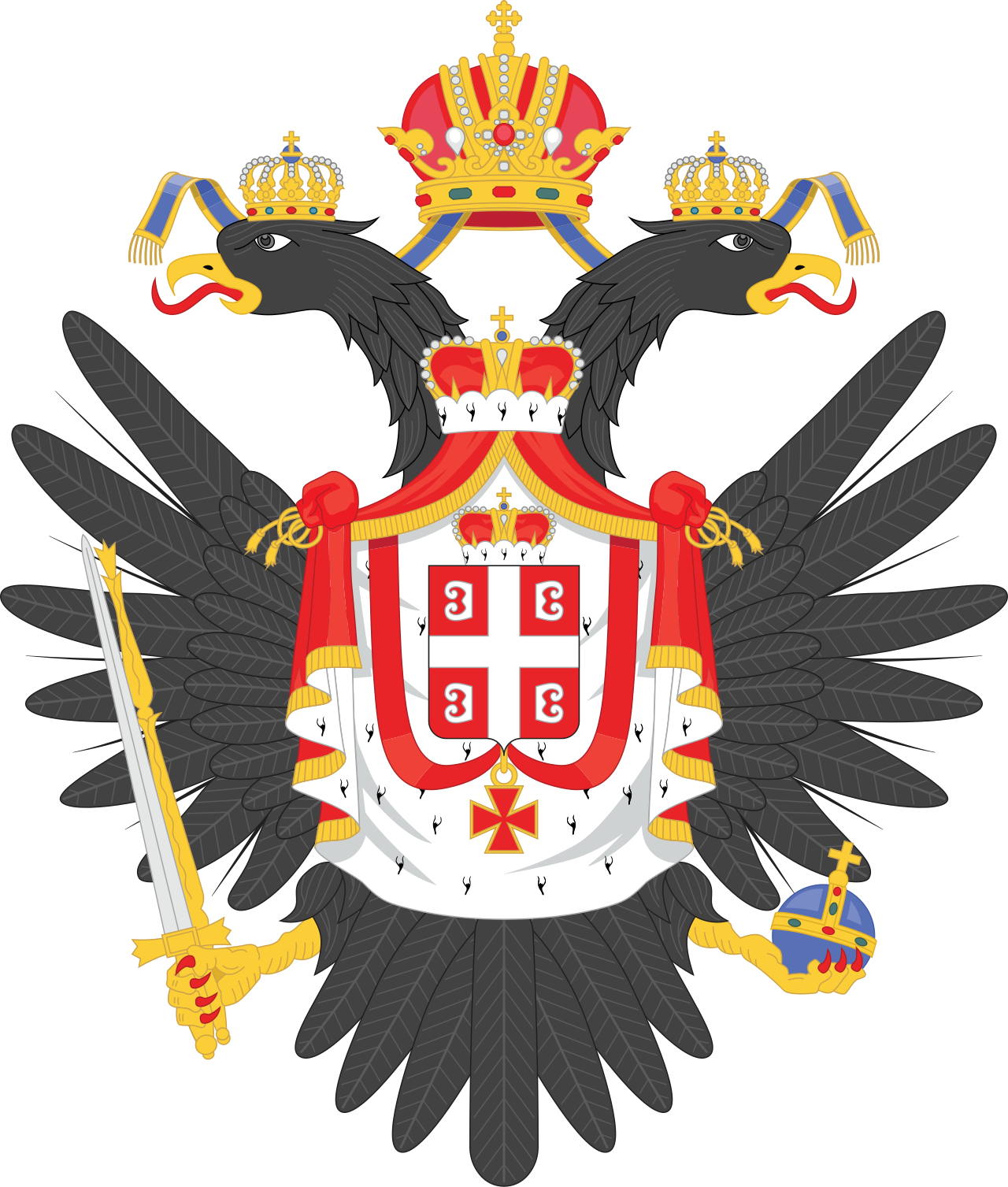
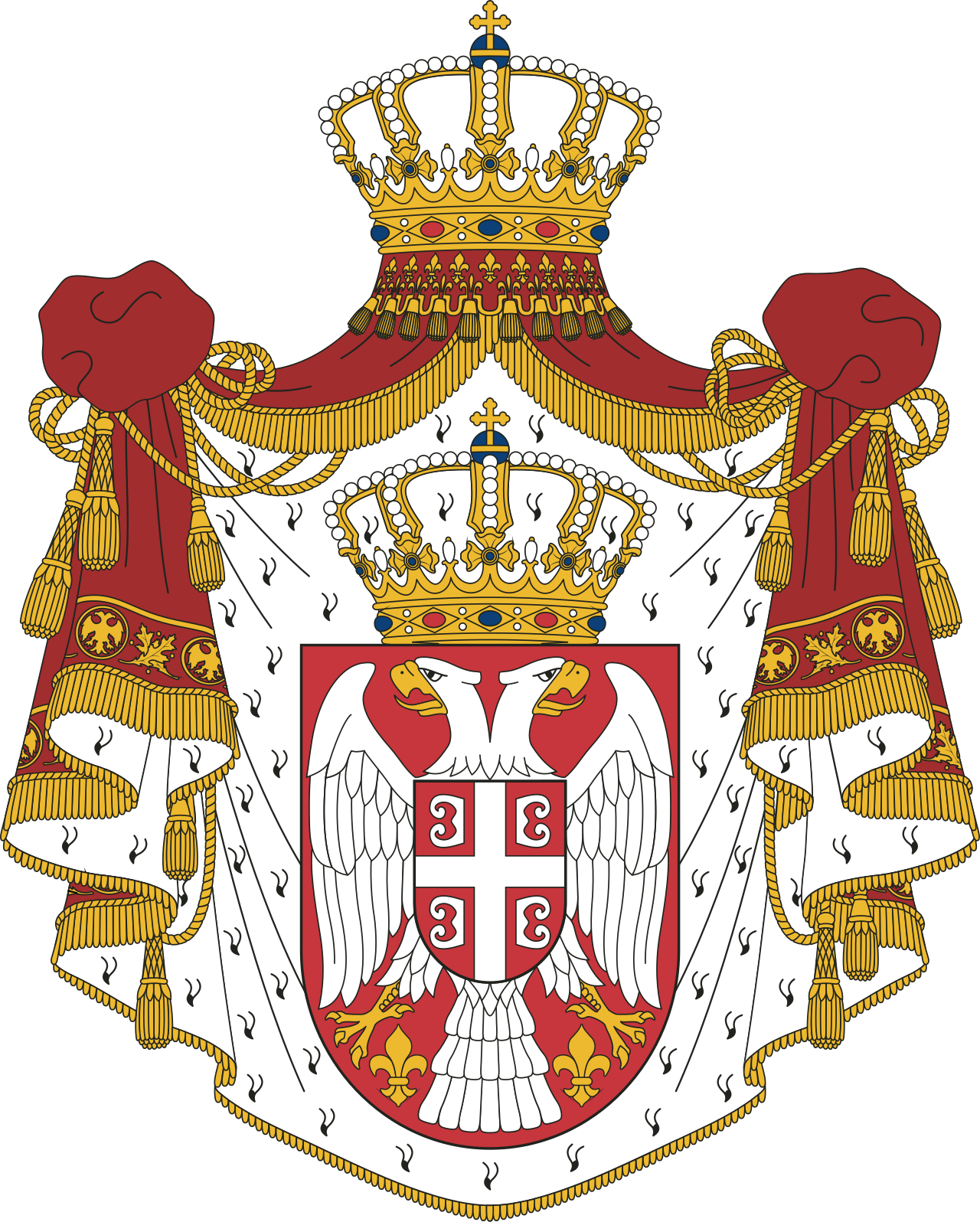
The coat of arms of the Republic of Serbia uses two primary heraldic symbols that have long represented the Serbian state and people: the Serbian eagle, a silver double-headed eagle inherited from the Nemanjić dynasty, and the Serbian cross, which is a cross accompanied by four firesteels. The design also includes the Serbian historical crown. While a crown is unusual for a republic, it is not without precedent, appearing in the coats of arms of several other European republics, including Russia, Poland, Romania, Hungary, Bulgaria, Montenegro, and San Marino. However, Serbia’s version retains stronger monarchist features than those other republics, notably the mantle and pavillon present in the greater coat of arms, elements found in many modern and historical monarchies. The coat of arms appears in two forms—the greater and the lesser—as specified in Article 7 of the Serbian Constitution.
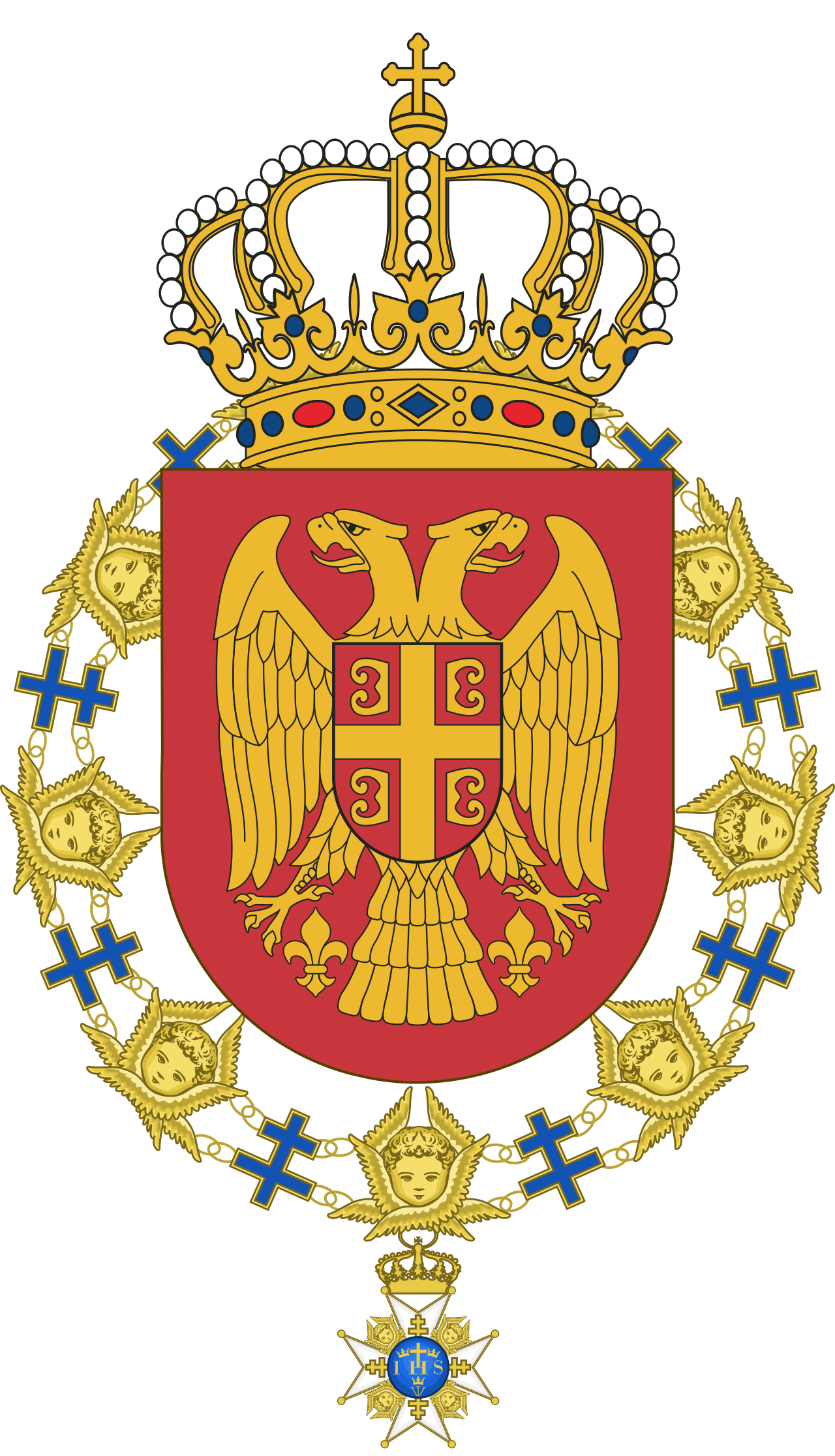
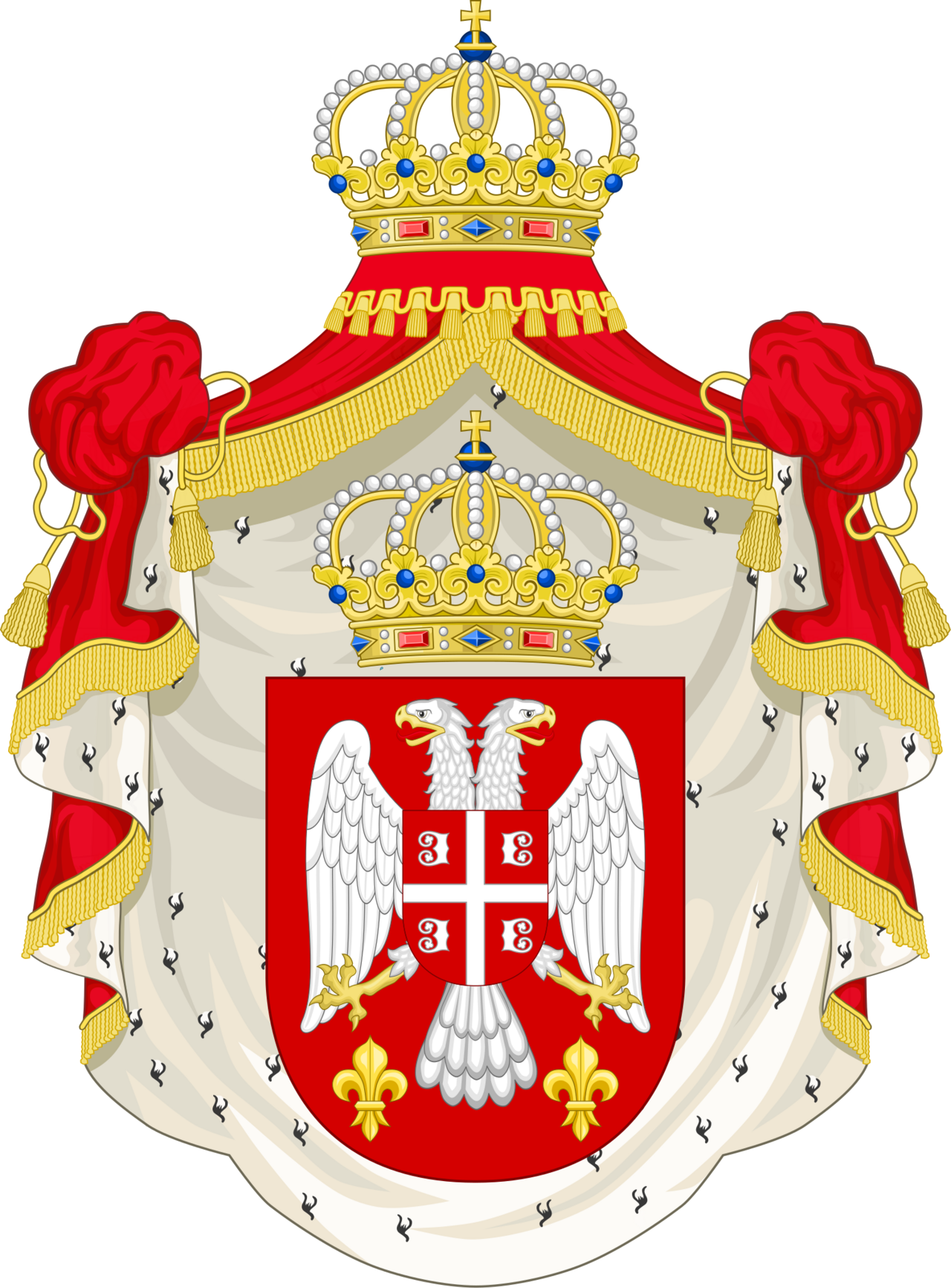
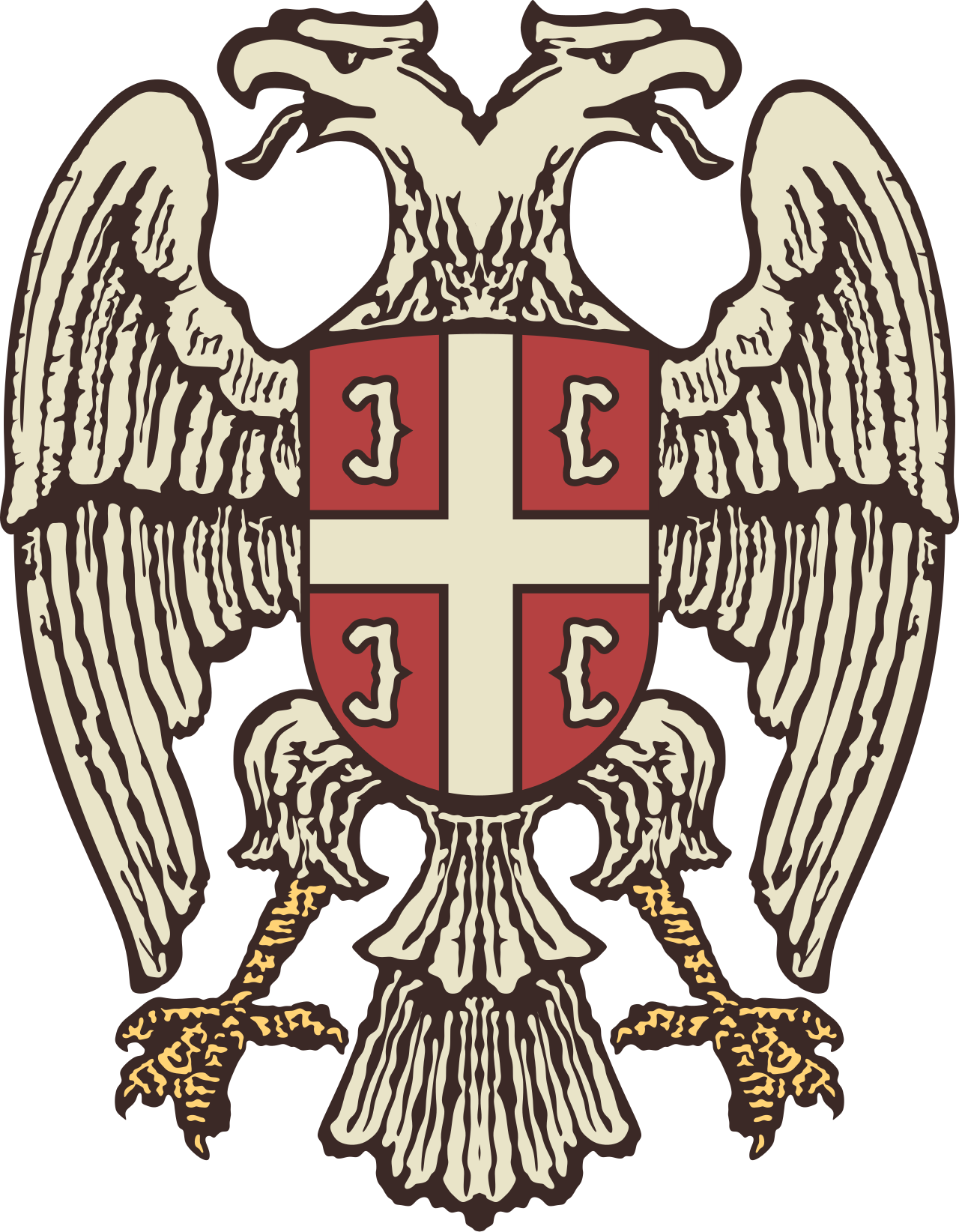
The shield is red and bears a silver, stylized double-headed eagle. Above the shield sits a crown. Each of the eagle’s heads has nine feathers along its border and faces outward from the shield. The beaks are golden and wide open. The neck feathers are arranged in four rows of seven feathers each. The wings are spread, and together with the tail and heads they form a cross shape. Each wing has four rows of feathers: the first row has seven feathers, the second has nine (two large and seven smaller), the third has seven, and the fourth has seven (four large and three smaller). The eagle’s legs stretch diagonally across the shield, with a fleur-de-lis beneath each claw; the legs and claws are golden. The leg feathers are white, seven in number. The tail sits along the shield’s vertical axis, with seven feathers arranged in three rows; all feather tips are rounded. On the eagle’s chest is a small red semicircular shield divided by a white cross into four fields, each containing a white firesteel facing outward. The crown is centered above the shield and the eagle’s heads. It is golden, decorated with forty white pearls, eight blue sapphires, and two red rubies, and topped with a cross.
The blazon describes the greater coat of arms as a red shield topped with a golden crown and set upon porphyry embroidered with gold, edged with gold fringe, tied with a gold cord and matching tassels, lined with ermine, and crowned again with a golden crown. The lesser coat of arms is simply a red shield with a golden crown above it—the same inescutcheon used by Serbian states and the Serbian church since the Middle Ages.
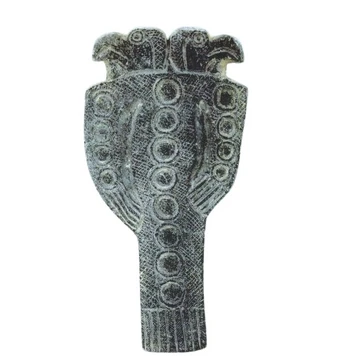
The double-headed eagle has been in use since the 11th century, appearing on inscriptions, medieval frescoes, and embroidery on clothing of Byzantine and Serbian royalty. Grand Prince Stefan Nemanja was among the first in Serbia to use the symbol, and the Nemanjić dynasty, which he founded, adopted it as its coat of arms. A surviving golden ring of Queen Teodora from 1321–1322 bears the engraving. Under Emperor Stefan Dušan, the double-headed eagle appeared on everyday objects and state documents, including tax stamps and proclamations. In 1339, mapmaker Angelino Dulcert marked the Serbian Empire with a flag showing a red double-headed eagle. Later Serbian noble families, such as the Mrnjavčević and Lazarević, also used the symbol to show continuity. Prince Lazar engraved the double-headed eagle on the northern wall of the Hilandar monastery on Mount Athos during its renovation. The Codex Monacensis Slavicus 4, from around 1371–1389, contains rich artwork of the Serbian eagle. The symbol was officially adopted by Stefan Lazarević after he received the title of despot from John VII Palaiologos in 1402 at the imperial court in Constantinople. The Serbian Orthodox Church also adopted it; the entrance of the Žiča monastery, seat of the Archbishop of the Serbs from 1219 to 1253 and traditional coronation church for Serbian kings, is engraved with the double-headed eagle.
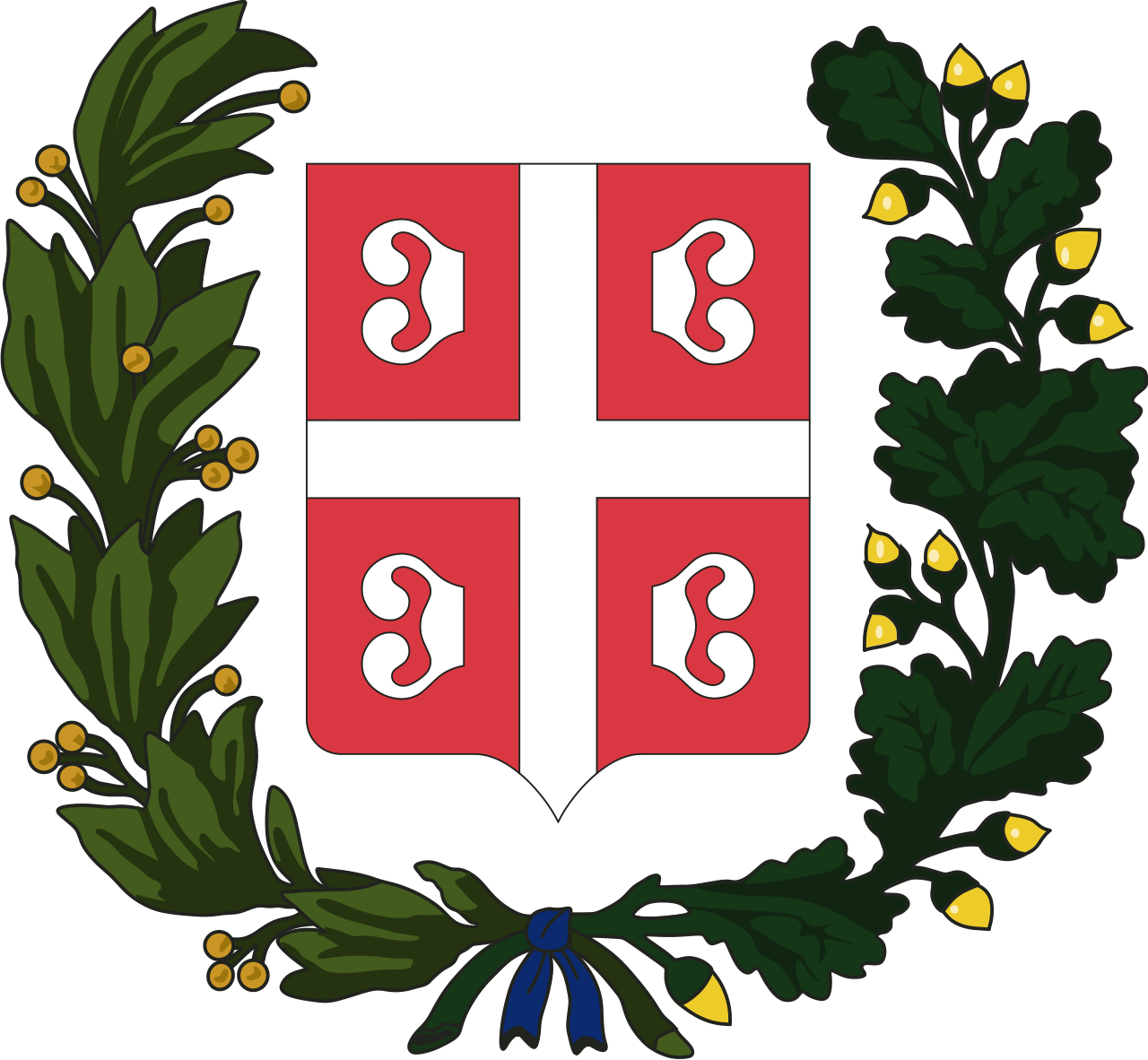
The Serbian cross, with four firesteels, may also come from a Byzantine emblem. It closely resembles the imperial emblem used on Byzantine flags during the late Palaiologan period, but as a Byzantine symbol it could date back several centuries earlier. Historian Stanoje Stanojević argues it was officially adopted as a Serbian symbol as early as 1345, when Stefan Dušan was crowned emperor. In contrast, Stojan Novaković says recorded use as a national symbol began in 1397, under Stefan Lazarević. It may have been derived from a candle chandelier at Visoki Dečani. The Serbian cross later appears in the Korenić-Neorić Armorial of 1595, which shows the coat of arms of Serbia as a white cross on a red and gold background, and also depicts the Mrnjavčević noble house with the same design but inverted colors and a Serbian eagle at the cross’s center. According to Mavro Orbini in 1607, the cross was used by Vukašin Mrnjavčević and Prince Lazar. The Palaiologan cross as the Serbian coat of arms first appeared in Pavao Ritter Vitezović’s book *Stemmatografia* in 1701, and after its publication, the Serbian church began using it.
Quick Facts
- Armiger
- Republic of Serbia
- Year Adopted
- 1882 / 2004 (readopted) / 2010 (standardised)
- Other Elements
- The shield is ensigned with a crown Or. The whole is within a mantle Gules fringed and tasselled Or, lined ermine and crowned Or
- Use
- Governmental
Facts from the source article.
Lore & Background
The double-headed eagle dates back to the 11th century, appearing on inscriptions, medieval frescoes, and embroidery of Byzantine and Serbian royalty. Grand Prince Stefan Nemanja was among the first in Serbia to use the symbol, and the Nemanjić dynasty used it as its coat of arms. The surviving golden ring of Queen Teodora (1321–1322) has the symbol engraved. During the reign of Emperor Stefan Dušan (r. 1331–1345), the eagle was used on everyday objects and state documents. In 1339, map-maker Angelino Dulcert marked the Serbian Empire with a flag bearing a red double-headed eagle. The symbol was officially adopted by Stefan Lazarević after he received the title of despot from Manuel II Palaiologos in 1402.
Reader's Guide
The coat of arms of Serbia is significant as a national symbol representing the identity of the Serbian state and people across centuries. Its use of the double-headed eagle and Serbian cross connects modern Serbia to its medieval heritage, particularly the Nemanjić dynasty and the Serbian Empire. The inclusion of the historical crown, mantle, and pavillon in the greater coat of arms retains strong monarchist elements, distinguishing it from other republican coats of arms. The lesser coat of arms is widely used on national flags, public documents, and uniforms, while the greater coat of arms appears on buildings of high state institutions. The current design is based on the 1882 coat of arms of the Kingdom of Serbia, readopted in 2004 and standardized by 2010.
Did You Know?
- The Serbian cross with firesteels was removed from the coat of arms of the Socialist Republic of Serbia in 1947, leaving only four stylised firesteels.
- The double-headed eagle was engraved at the entrance of the Žiča monastery, the seat of the Archbishop of the Serbs between 1219–1253.
- The Serbian cross first appeared as the Serbian coat of arms in the 16th-century Korenić-Neorić armorial, predating Pavao Ritter Vitezović's Stemmatografia (1701).
- The crown on the coat of arms is a heraldic symbol of Serbian statehood, but its specific decoration with pearls, sapphires, and rubies is not part of the official blazon.
Heraldic Composition and Visual Language
The emblem of the Serbian state is built around a silver, stylised double-headed eagle set against a red shield, with a golden crown hovering above. The eagle's two heads, each bordered by nine feathers, turn outward toward the shield's edges, their golden beaks open wide. The neck feathers are organised into four neat rows of seven, while the outstretched wings—arranged in four rows of seven, nine, seven, and seven feathers respectively—combine with the tail and heads to form a cross shape. Golden legs stretch diagonally across the shield, each claw grasping a fleur-de-lis, with seven white feathers on the legs. The tail carries seven rounded-tip feathers in three rows along the vertical axis. At the eagle's breast sits a small red semicircular shield, quartered by a white cross, each quadrant holding a white firesteel oriented outward. The crown itself is golden, studded with forty white pearls, eight blue sapphires, and two red rubies, and is topped by a small cross.
Byzantine Roots and Dynastic Adoption
The double-headed eagle's presence in Serbian heraldry stretches back to the eleventh century, where it surfaces in inscriptions, medieval frescoes, and royal embroidery shared between Byzantine and Serbian courts. Grand Prince Stefan Nemanja, ruler from 1166 to 1196, was among the earliest Serbian figures to employ the symbol, and the Nemanjić dynasty he founded carried it as their dynastic emblem. A surviving golden ring belonging to Queen Teodora, dated 1321 to 1322, bears the eagle in engraving. Under Emperor Stefan Dušan (r. 1331–1345), the motif migrated onto everyday objects and official documents, including tax stamps and royal proclamations. In 1339, the cartographer Angelino Dulcert depicted the Serbian Empire with a red double-headed eagle flag. Later noble houses, the Mrnjavčević and Lazarević, continued the tradition. Prince Lazar had the eagle carved into the northern wall of Hilandar monastery on Mount Athos. Stefan Lazarević formally adopted the symbol in 1402 after receiving the Byzantine title of despot from John VII Palaiologos in Constantinople. The Serbian Orthodox Church also embraced it, engraving the eagle on the entrance of Žiča monastery, the traditional coronational church of Serbian kings.
The Cross, the Firesteels, and Contested Origins
The four firesteels surrounding a cross—often called the Serbian cross—may trace their lineage to a Byzantine imperial emblem seen on late Palaiologan-era flags, though as a Byzantine motif it could be far older. Serbian historian Stanoje Stanojević contends the cross was formally embraced as a national symbol as early as 1345, coinciding with Stefan Dušan's elevation to emperor. Stojan Novaković, by contrast, places the earliest recorded national use in 1397, during Stefan Lazarević's rule, and suggests the design may have been inspired by a candle chandelier at Visoki Dečani. The symbol appears in the 1595 Korenić-Neorić Armorial as a white cross on a red-and-gold field, and the sixteenth-century writer Mavro Orbini attributed it to Vukašin Mrnjavčević and Prince Lazar. Its first printed appearance as a Serbian coat of arms came in Pavao Ritter Vitezović's Stemmatografia of 1701, after which the Serbian church began incorporating it. Prince Miloš Obrenović made it the official emblem of the Principality of Serbia in 1838. It has appeared on every subsequent Serbian coat of arms except the 1947 Socialist Republic version, where Yugoslav authorities removed the cross, leaving only the four firesteels.
Republican Form, Monarchist Substance
Serbia's constitution, specifically Article 7, mandates two versions of the national emblem: the greater coat of arms and the lesser coat of arms. The lesser version is simply the red shield bearing the golden crown—a design long used by Serbian states and the Serbian church since the Middle Ages as an inescutcheon. The greater coat of arms adds a porphyry mantle embroidered in gold, trimmed with gold fringes, secured by a gold cord with matching tassels, lined with ermine, and itself crowned with a golden crown. The inclusion of a crown on a republic's heraldry is unusual but not unique; Russia, Poland, Romania, Hungary, Bulgaria, Montenegro, and San Marino all feature crowns on their republican emblems. What distinguishes Serbia, however, is the persistence of overtly monarchist elements—the mantle and pavillon—that are characteristic of the greater coats of arms of modern and historical monarchies, yet largely absent from the heraldry of other European republics.
Gallery
Frequently Asked Questions
What does the coat of arms of Serbia actually look like?
The central figure is a silver double-headed eagle standing on a red shield, surmounted by a golden crown. On the eagle's breast sits a smaller red shield displaying a white cross surrounded by four crossed iron rods called firesteels.
Why does Serbia, a republic, still put a crown on its coat of arms?
The historical crown is a deliberate nod to Serbia's medieval monarchical past, kept as a national symbol rather than a statement about current government. Several other European republics, including Russia, Poland, Romania, and Hungary, make the same choice with their own heraldic crowns.
When was Serbia's current coat of arms officially adopted?
The design went through three stages: it was first put forward as a recommendation in 2004, codified by law in 2009, and then standardized in its final form in 2010.
What's the difference between the greater and lesser coats of arms of Serbia?
Article 7 of the Serbian Constitution provides two versions: the greater coat of arms, which carries the full eagle, cross, crown, and additional ornamental details, and the lesser coat of arms, a simplified rendering used in routine administrative settings.
What do the four firesteels on the Serbian cross symbolize?
The four crossed iron rods are a heraldic motif inherited from the Nemanjić dynasty and have appeared on Serbian emblems for centuries. Their precise meaning has never been officially fixed, though they are commonly read as a reference to the four cardinal directions or to the forging of the nation's identity.
More in Double-headed eagle 1-22
Spotted an error? Know more?
Reader corrections go straight into our review queue. Suggest an edit · How this site is sourced