Boggle
A word game of lettered dice and timed discovery.

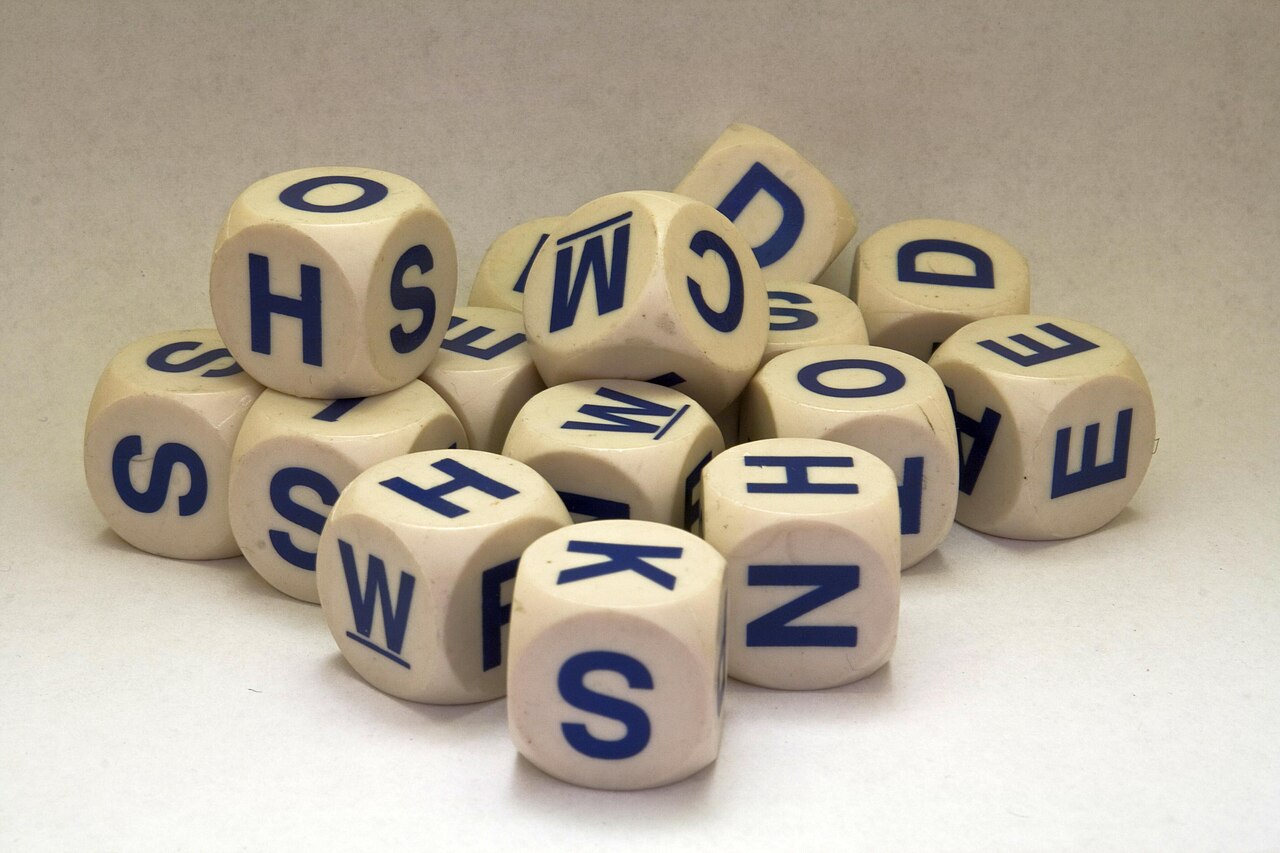
Amit6 · CC BY-SA 3.0
Boggle is a word game where players race to spot as many words as possible from a grid of lettered dice before time runs out. It first appeared in 1973, created by Allan Turoff and initially sold by Parker Brothers.
Turoff, a designer from New York who studied at the Pratt Institute, started out in industrial design before moving into toys and games in 1964, looking for more inventive work. After his first toy idea was scrapped due to high production costs, he kept brainstorming. By 1969, he had built a prototype for a letter-grid word game in his workshop, originally called Find-A-Word. It was meant for both kids and adults. Parker Brothers turned it down at first, but in 1972, when the company was developing a line of word games, they came back to Turoff’s design. They polished it, renamed it Boggle, and released it for the 1973 holiday season alongside two other word games, Fluster and Grapple.
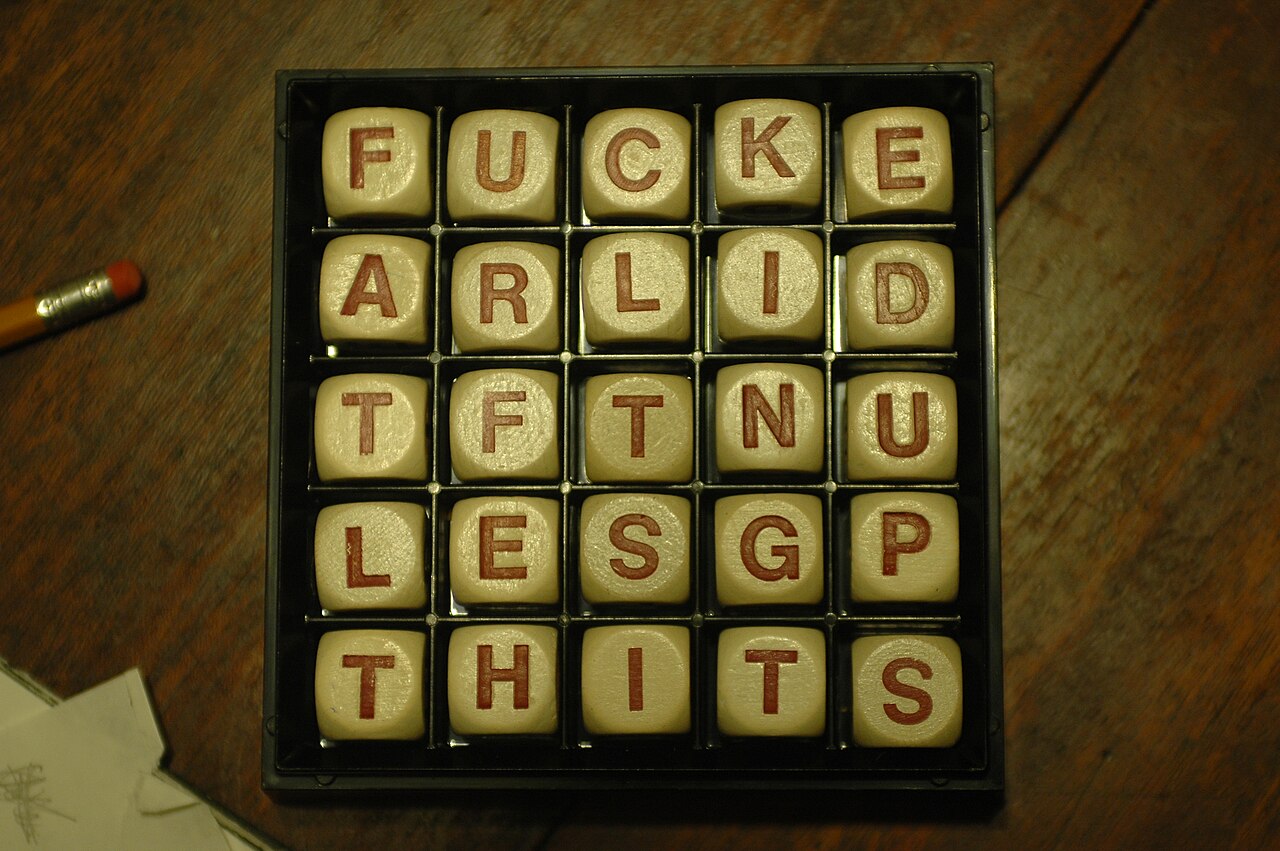
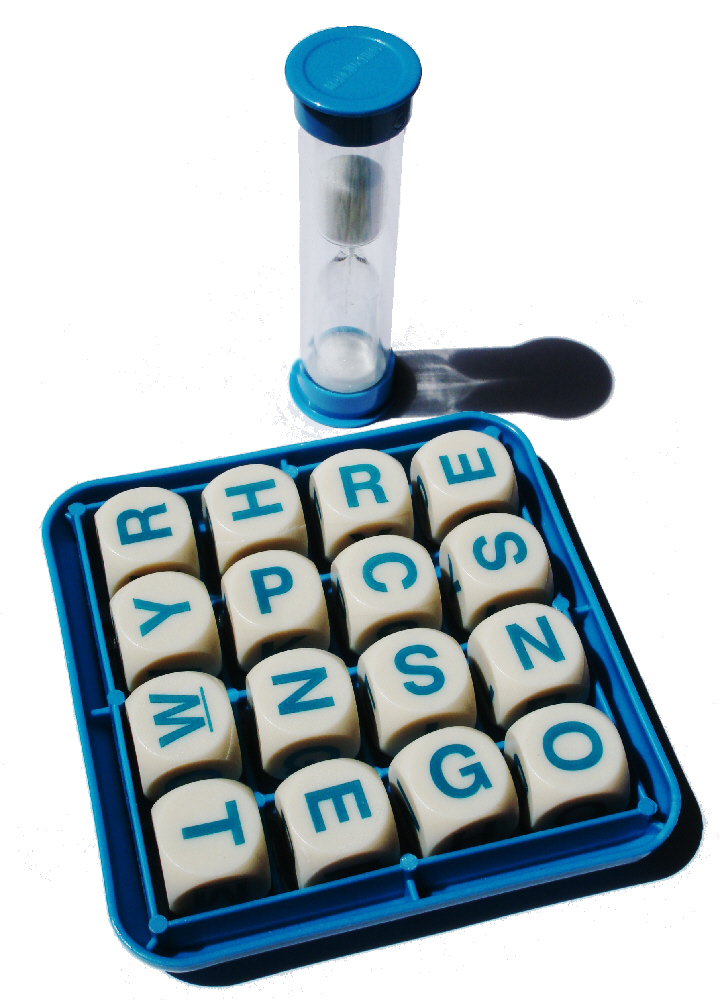
To play, one player shakes a covered tray holding sixteen cubic dice, each side printed with a different letter. The dice settle into a 4×4 tray, showing only the top letter of each cube. Once they’re in place, a three-minute sand timer is flipped, and everyone starts searching at the same time. Words must be at least three letters long. Each letter after the first must be a horizontal, vertical, or diagonal neighbor of the previous one, and no cube can be used more than once in a single word. Capitalized or hyphenated words are not allowed. Different forms of the same word—like singular and plural—are fine. Players write their finds on private sheets. When time’s up, everyone stops. During scoring, players read their lists aloud. If two or more people wrote the same word, it’s crossed off everyone’s list. Any word can be challenged, and a designated dictionary settles the dispute. After duplicates and invalid words are removed, points are given based on word length. The player with the highest total wins; ties are usually broken by counting longer words.
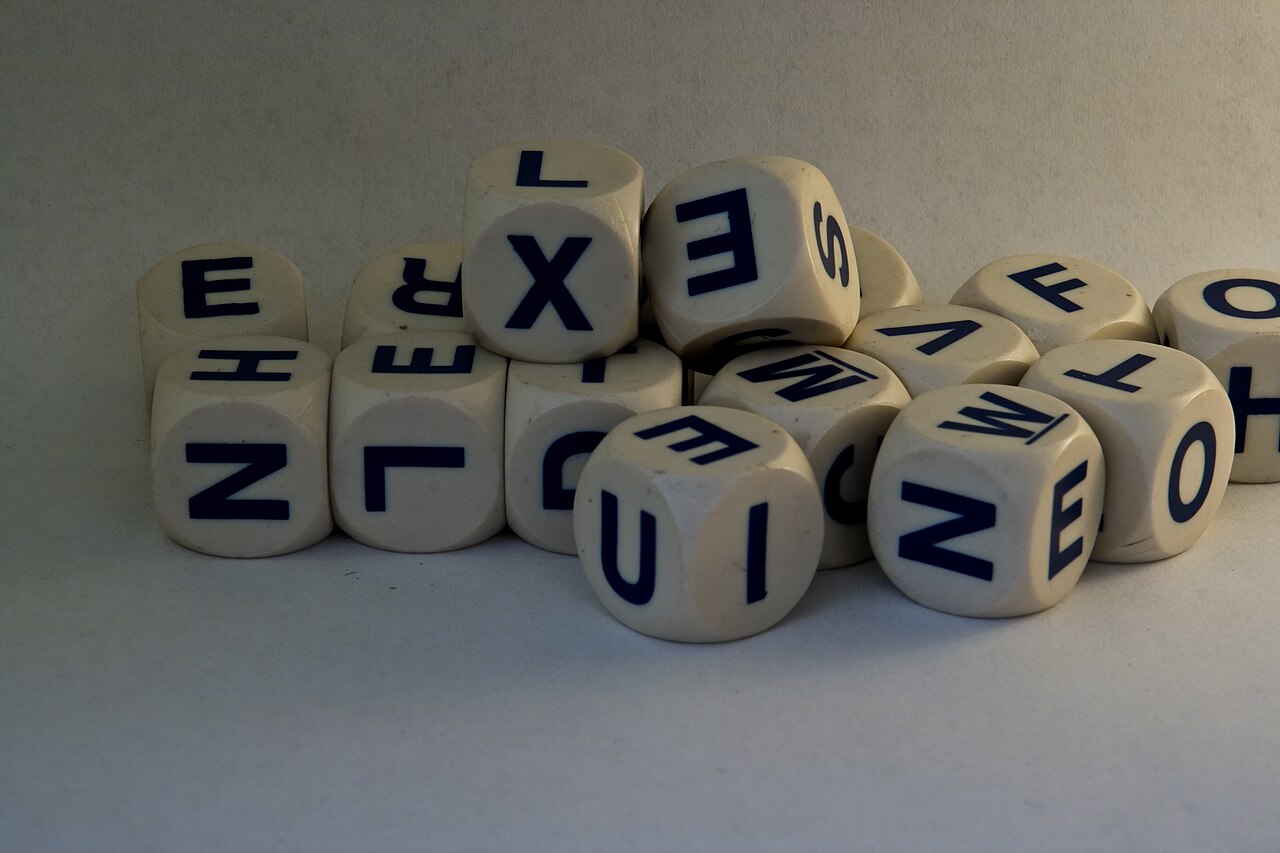
One cube has “Qu” printed on it. This is because Q in English is almost always followed by U, and a lone Q would be hard to use without a U nearby. For scoring, Qu counts as two letters—so “squid” scores as a five-letter word even though it uses only four cubes. Standard Boggle has always used 'Qu' on one die, not a standalone 'Q'. Different Boggle sets have different letter distributions.
Quick Facts
- Italic Title
- yes
- Manufacturer
- Parker Brothers (now Hasbro) / Winning Moves Games USA
- Designer
- Allan D. Turoff (Inventor)
- Genre
- Word game / Dice game
- Players
- 2+
- Setup Time
- 1 minute
- Skills
- Language
- Materials
- Paper and writing utensil
Facts from the source article.
Lore & Background
Allan Turoff, a New York–based designer trained at the Pratt Institute in Brooklyn, worked in industrial design before shifting to toy and game development in 1964. After creating and selling his first toy idea—which was never manufactured due to production cost concerns—he continued developing new concepts. In 1969, Turoff built a prototype of a letter-grid word game in his workshop, originally titled Find-A-Word, designed to appeal to both children and adults. He initially presented the game to Parker Brothers, but the company rejected it. In 1972, when Parker Brothers began developing a line of word games, the company revisited Turoff’s design. The game was refined, renamed Boggle, and released commercially for the 1973 holiday shopping season alongside two other Parker Brothers word games, Fluster and Grapple.
One cube in the standard set is printed with 'Qu' because
Reader's Guide
Boggle has remained a popular word game since its 1973 release, with numerous variants introduced by Parker Brothers and later by Winning Moves Games USA. Variants include Boggle Jr. (1988) for young children, Big Boggle (5×5 grid, later marketed as Boggle Master and Boggle Deluxe), Super Boggle (2004, UK), and Super Big Boggle (2012, 6×6 grid). A self-contained version with sealed dice and an integrated timer was released in 2008. The game has also inspired electronic versions, a 1994 interactive game show hosted by Wink Martindale, and numerous unofficial computer versions. While not as institutionally established as Scrabble, Boggle clubs exist at several educational institutions, including Dartmouth College and Western Oregon University. The game's influence extends to mobile apps such as Ruzzle (2013) and other word games like Bananagrams, Bookworm, and SpellTower.
Did You Know?
- Allan Turoff originally titled the game Find-A-Word before it was renamed Boggle.
- One cube in the standard set is printed with 'Qu' to make the letter Q more usable.
- The longest words possible in a standard set include inconsequentially, quadricentennials, and sesquicentennials.
- A 1994 interactive game show version of Boggle aired on The Family Channel, hosted by Wink Martindale.
From Find-A-Word to Boggle: Turoff's Creative Journey
Allan Turoff, a New York designer who studied at the Pratt Institute in Brooklyn, initially worked in industrial design before pivoting to toy and game development in 1964. His motivation was a desire for more creative and innovative work. After his first toy concept failed to reach production due to cost concerns, he shifted his focus toward word-based games. In 1969, he built a prototype in his workshop called Find-A-Word, which asked players to form words from randomly arranged letters within a confined grid, targeting both children and adults. Parker Brothers initially rejected the design. However, in 1972, when the company began developing its own line of word games, they revisited Turoff's concept. The game was refined, renamed Boggle, and released for the 1973 holiday season alongside two other Parker Brothers word titles, Fluster and Grapple.
The Three-Minute Sprint: Core Gameplay Mechanics
A single player shakes a covered tray containing 16 cubic dice, each bearing a different letter on every face. Once the dice settle into the 4×4 grid, only the top letter of each cube is visible, and a three-minute sand timer is started. All players simultaneously hunt for words meeting specific criteria: a minimum of three letters, each successive letter must be a horizontal, vertical, or diagonal neighbor of the previous one, no cube may be reused within a single word, and no capitalized or hyphenated entries are permitted. Multiple derivations of the same root word are allowed. Players write their discoveries on private sheets. When time expires, everyone stops, reads their lists aloud, and any word shared by two or more players is removed from all lists. A nominated dictionary settles any validity challenges. Points scale with word length, and ties are typically broken by counting longer words. Notably, the cubes and board must not be touched during the timed phase.
The Qu Cube and the Art of Letter Distribution
One of Boggle's most distinctive design choices is the Qu cube. Because Q in English is almost invariably followed by U, a standalone Q die would be nearly unusable unless a U happened to land adjacent by chance. Turoff solved this by printing Qu on a single face, treating it as two letters for scoring purposes. For instance, squid scores as a five-letter word despite using only four cubes. Early editions did include a plain Q without the accompanying U. Letter distributions also vary across versions and regions. A more modern UK edition features a gentler mix with only one K, while an older 1986 yellow-box version carries two Ks and a generally more awkward distribution. The sixteen standard cubes make possible some remarkably long words—seventeen-letter entries like inconsequentially, quadricentennials, and sesquicentennials—all enabled by the Qu face allowing those chains to form.
A Growing Family: Boggle Variants and Expansions
Parker Brothers and later Hasbro expanded Boggle into a family of variants. Boggle Jr, introduced in 1988, simplified the rules for young children. Boggle Travel packaged the standard 4×4 set into a zippered case with pencils, small paper pads, an electronic timer, and a soft-plastic cover that dampened the noise of shaking. Big Boggle, later rebranded as Boggle Master and Boggle Deluxe, expanded the grid to 5×5 and eliminated three-letter words; some editions included an adapter to convert it back to 4×4. In 2004, Hasbro UK released Super Boggle with both grid sizes and a flashing electronic timer. A 2008 sealed plastic version with an integrated timer was marketed as Boggle Reinvention. In 2012, Winning Moves Games USA launched Super Big Boggle with a 6×6 grid, two-letter dice for combinations like Th and In, solid-square word-stop faces, a four-minute timer, no three-letter words, and a modified scoring scheme. A Windows CD-ROM version also existed, supporting 4×4, 5×5, and 3-D modes for up to four players.
Gallery

Frequently Asked Questions
What is Boggle?
Boggle is a competitive word game in which players scan a square arrangement of lettered dice to find as many valid words as possible within a strict time limit. The core challenge is balancing speed with vocabulary recall.
Who created Boggle?
The game was devised by Allan Turoff, a New York designer who attended the Pratt Institute. He transitioned from industrial design into the toy and game industry in the mid-1960s after seeking more creative work.
What was Boggle's original name?
Before it became Boggle, Turoff's prototype was called Find-A-Word. He had a working version of the letter-grid concept built in his own workshop by 1969.
When did Boggle first hit the market?
The game was introduced to the public in 1973, roughly four years after Turoff completed his initial prototype. Parker Brothers served as the original publisher and distributor.
What is the standard Boggle grid size?
A classic Boggle board consists of sixteen lettered dice arranged in a 4×4 square. Players must trace adjacent letters within that grid to form their words.
More in Dice games 1-24
Spotted an error? Know more?
Reader corrections go straight into our review queue. Suggest an edit · How this site is sourced