Balut (game)
Dice game created by U.S. soldiers as a poker alternative.

Judgefloro · CC0
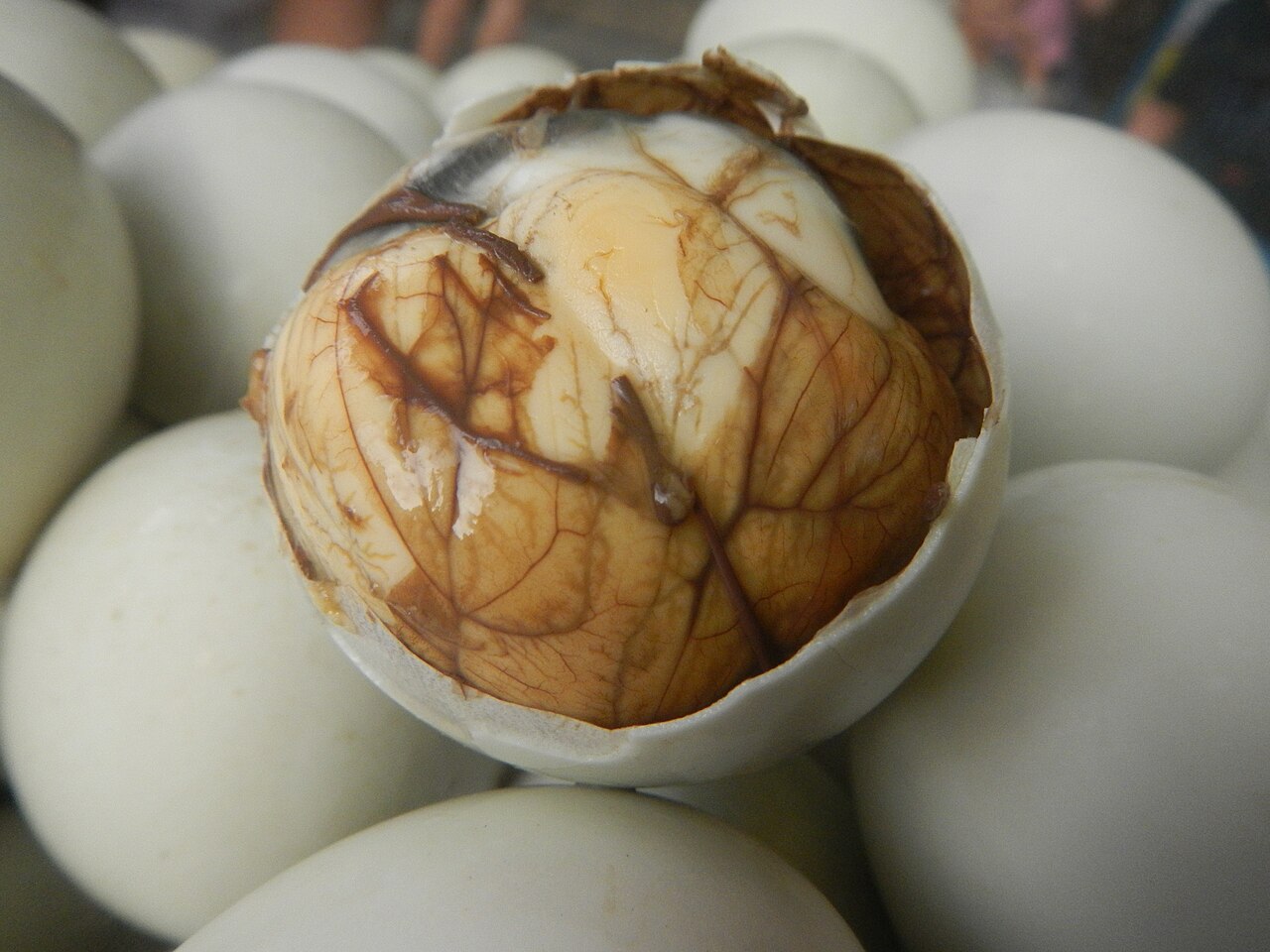
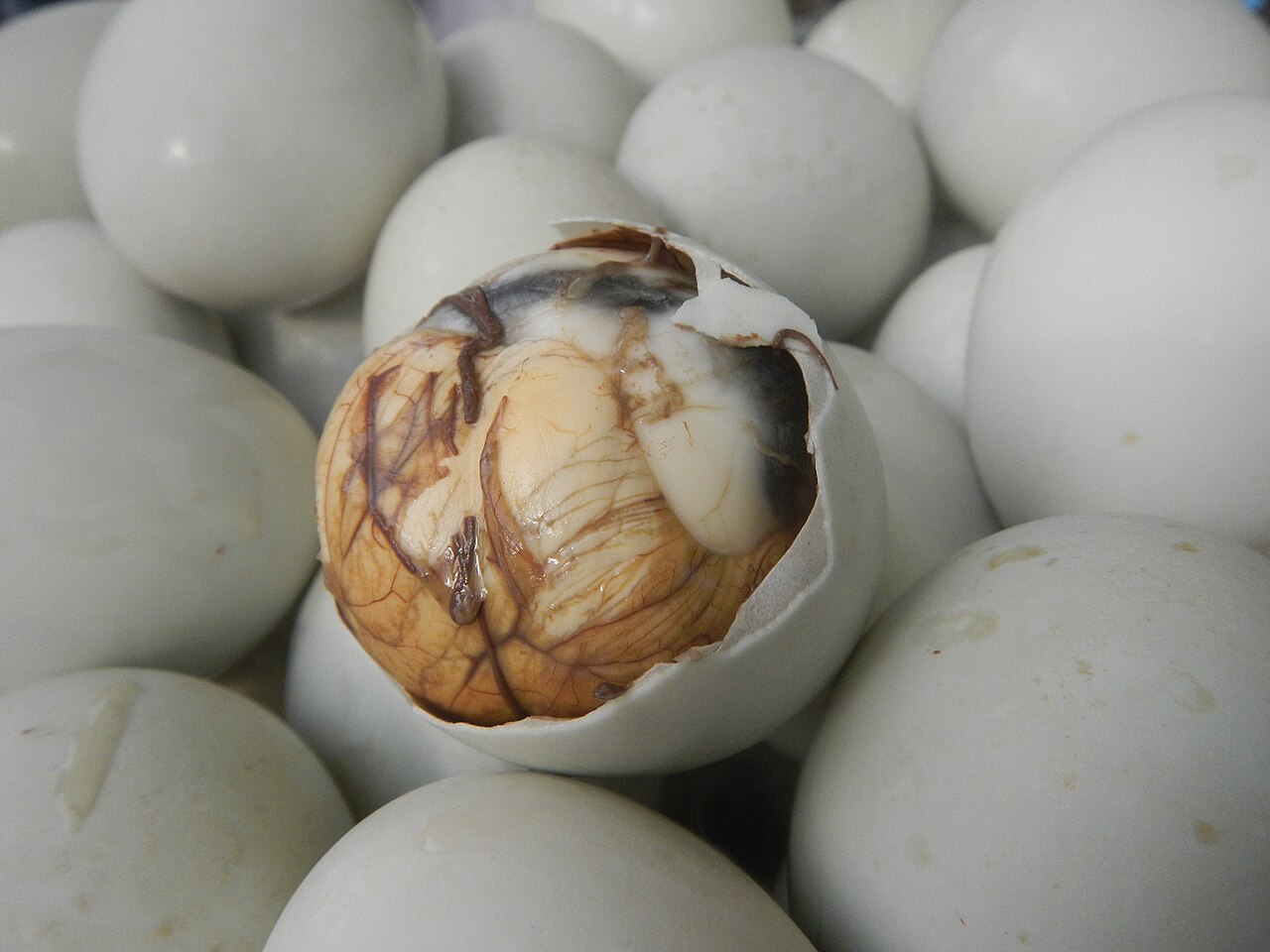
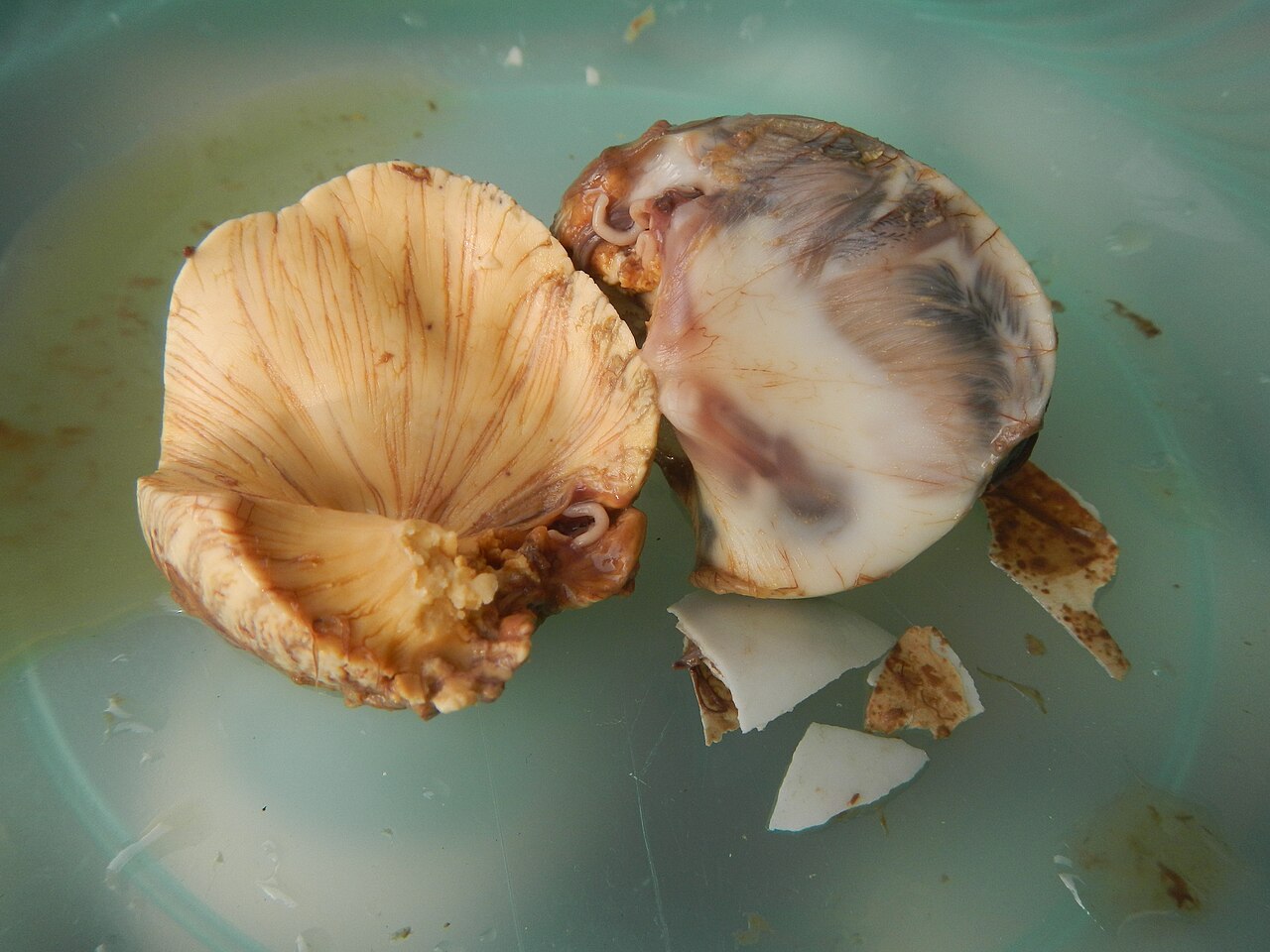
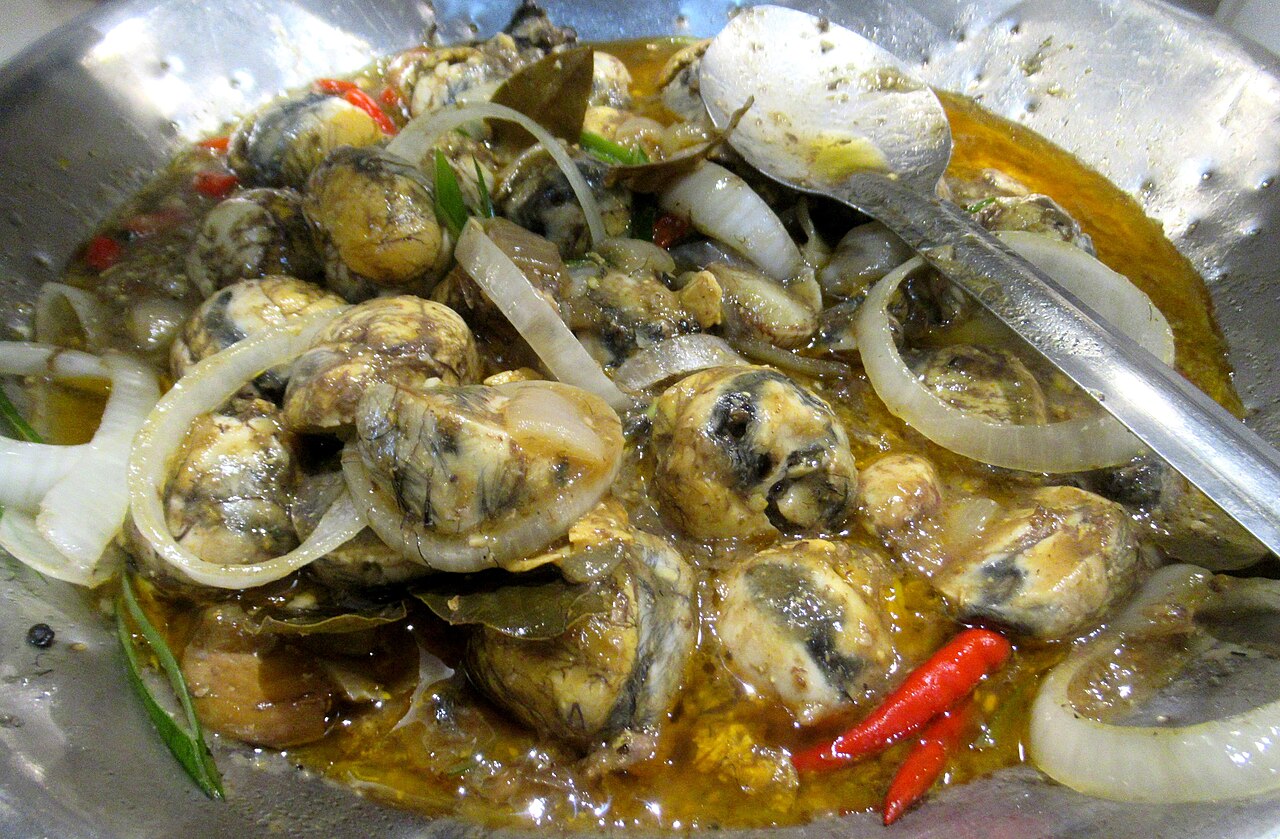
Balut is a dice game similar to Yahtzee, created by United States soldiers as an alternative to poker. It is a popular pastime of businessmen overseas, named after a delicacy made from fetal duck eggs available in some Southeast Asian countries.
- Field
- Dice game
- Known for
- Alternative to poker, popular among businessmen and expatriates
- Nationality
- United States (origin)
- Created by
- Edgar 'Eddie' Woolbright and U.S. soldiers
Lore & Background
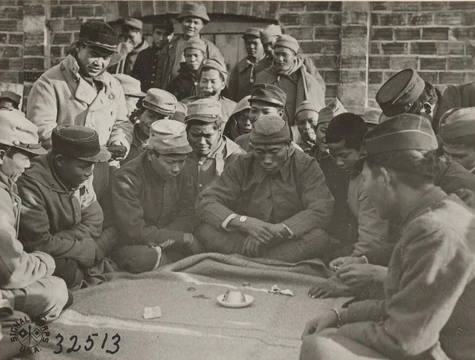
The origin story recounted by players is that two U.S. soldiers were in one of Edgar 'Eddie' Woolbright's early establishments in Tacloban, the Woolbright Tacloban Airline Hotel, stuck for a drinking/gambling game because they had no playing cards but wanted to play poker. They settled on playing poker with dice, inventing what they initially called 'poker dice'. Originally the game only extended to two players, but some Europeans staying at the same hotel who also wanted to play extended it to more than two players. The game gained its current name when Woolbright and some players out on a walk one day, hearing the cries of 'balut!' by balut egg vendors, decided that would be the name of the game.
Woolbright took the game from Tacloban to his later establishments in the Philippines as his businesses grew, and also played it at the British Club in Cebu City. Other people exported it elsewhere: a British captain to Singapore, and some expatriate Scandinavians to Thailand. An International Balut Federation was created in 1978. The international Danish community has taken the game as a popular method of social interaction abroad and at home, with Danish expatriates and businessmen gathering to play monthly. Rules, code of conduct including dress code are enforced by participants and gamemasters, and games are organized by members of the International Balut Federation.
Reader's Guide
Balut holds significance as a cultural artifact of American military presence in the Philippines and subsequent global spread through expatriate networks. The game originated from a practical need for a gambling game without playing cards, evolving from two-player poker dice to a multi-player format. Its naming after a local delicacy reflects the cross-cultural environment of its creation. The game's spread was facilitated by Woolbright's business expansion and by individuals such as a British captain to Singapore and Scandinavian expatriates to Thailand. The formation of the International Balut Federation in 1972 formalized the game's organization, and the Danish community adopted it as a social tradition. The Singapore Town Club established a set of rules in 1978, leading to regular local and international tournaments, including the STC Balut Interport Championship. The game's scoring system, with seven combinations and the distinctive 'Balut!' call for five-of-a-kind, creates a structured yet social gambling experience. Its legacy continues through organized clubs and annual competitions in Southeast Asia, maintaining a niche but dedicated following among businessmen and expatriates.
Did You Know?
- The game was originally called 'poker dice' before being renamed after hearing balut egg vendors' cries.
- A Balut (five-of-a-kind) scores only 30 points, unlike in Yahtzee where it is a high score.
Origins: From a Cardless Hotel Room to a Named Game
Balut was born out of a simple frustration: two American soldiers sitting in the Woolbright Tacloban Airline Hotel in the Philippines, eager for a round of poker but completely out of playing cards. Their solution was to adapt poker's logic to a set of dice, giving rise to what they first called "poker dice." The hotel belonged to Edgar "Eddie" Woolbright, a U.S. soldier who had stayed in the Philippines after his service and built a successful local business empire. The game's format initially supported only two players, but a group of Europeans lodging at the same establishment wanted in, prompting the expansion to larger tables. The name that stuck came from an unlikely source: during a walk with Woolbright and fellow players, the group heard street vendors hawking balut—fetal duck eggs, a local delicacy in parts of Southeast Asia—and the cry of "balut!" became the game's identity. Woolbright carried the pastime to his other properties across the country, including the British Club in Cebu City, seeding its early popularity among the expatriate community.
Scoring, Scratches, and the Iconic Call
A round of Balut centers on five dice and a scorecard listing seven distinct scoring categories. On each turn a player may roll all five dice up to three times, setting aside any dice they wish to keep between rolls. The seven combinations—Fours, Fives, Sixes, Straight, House, Choice, and Balut—can each be scored only once per game. Fours, Fives, and Sixes award points equal to the face value of each matching die. A Straight, either 1-2-3-4-5 or 2-3-4-5-6, is worth a flat fifty points. House, a triple plus a pair, and Choice both score the sum of all five dice. The most iconic category, Balut itself—five of a kind—paradoxically yields only thirty points, a deliberate departure from Yahtzee where five-of-a-kind carries far greater weight. When a player lands a Balut, tradition demands a loud shout of "Balut!" to the table, echoing the excitement of calling "Bingo!" If a player cannot complete a combination, they must scratch an unfulfilled category, removing it from play for the rest of the game. Before play begins, participants may wager on how many Baluts will appear across the entire session, with correct guesses earning a prize.
The Danish Community and the International Balut Federation
From its Philippine roots, Balut traveled along expatriate and trade routes across Southeast Asia. A British captain carried the game to Singapore, while Scandinavian expatriates introduced it to Thailand, establishing footholds in multiple countries. In 1972, the International Balut Federation was founded to standardize rules and coordinate play across borders. The game found an especially devoted following within the Danish expatriate community, where it became a popular method of social interaction both abroad and back home in Denmark. Danish businessmen and expatriates gather monthly for organized sessions, treating the game with a formality that extends well beyond the dice. Participants and appointed gamemasters enforce a code of conduct that includes specific dress requirements, lending an air of tradition to what is essentially a social pastime. The IBF organizes these gatherings, ensuring that the rules remain consistent whether the table is in Bangkok, Singapore, or a Danish town. For the overseas business community, Balut functions as more than entertainment—it is a ritual of camaraderie, a shared language among expatriates scattered across the globe.
The STC Interport Championship and the Southeast Asian Circuit
In 1973, Balut arrived in Singapore, and by 1978 a formalized set of rules had been codified at the Singapore Town Club. That rulebook spread to private clubs throughout Singapore and further into Malaysia, Thailand, and the Philippines, creating a unified competitive framework across the region. Although the Singapore Town Club itself ceased to exist in 2000, its name endured as the banner for the region's premier tournament: the STC Balut Interport Championship. Member clubs organize regular local and international competitions, and the Interport event brings them together annually. The 28th edition was hosted at the British Club in Bangkok in 2008, followed by the 29th at the Sabah Golf & Country Club in 2009. The 30th competition took place at the British Club Bangkok from November 19 to 21, 2010. By 2017, the international competition had moved to the Sarawak Club in Kuching, Sarawak, Malaysia, demonstrating the tournament's geographic reach. What began as a dice game improvised by two bored soldiers in a Tacloban hotel has grown into a structured, multi-nation competitive circuit with decades of institutional history.
Gallery
Frequently Asked Questions
What is Balut (game)?
Balut is a dice game that shares structural DNA with Yahtzee but was designed specifically as a casual poker alternative. It originated in the United States and gained a following among social gaming groups who wanted a simpler, dice-based option.
Who created Balut (game)?
The game was developed by U.S. soldiers, with Edgar "Eddie" Woolbright credited as a key figure in its creation. It was born out of military social life as a way to fill the gap left by poker in group settings.
Why is the dice game called Balut?
The name is borrowed from a Southeast Asian delicacy made from fetal duck eggs. The soldiers likely chose the term for its memorable, slightly exotic sound, giving the game a distinctive identity separate from other dice pastimes.
How does Balut (game) differ from Yahtzee or poker?
While Balut uses dice-rolling mechanics reminiscent of Yahtzee, it was built with the specific goal of replacing poker as a social table game. It strips away poker's hand-ranking complexity while keeping the quick, round-based pace that makes it easy to pick up mid-conversation.
Who is Balut (game) most associated with?
The game became a staple pastime among businessmen and expatriates working overseas, particularly in Southeast Asian regions. Its low learning curve and social-friendly format made it a go-to option for after-work gatherings and travel downtime.
More in Dice games 1-24
Spotted an error? Know more?
Reader corrections go straight into our review queue. Suggest an edit · How this site is sourced