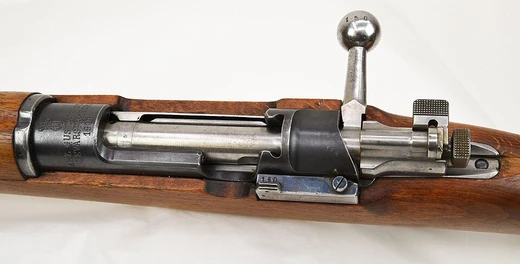
Mauser M71/84
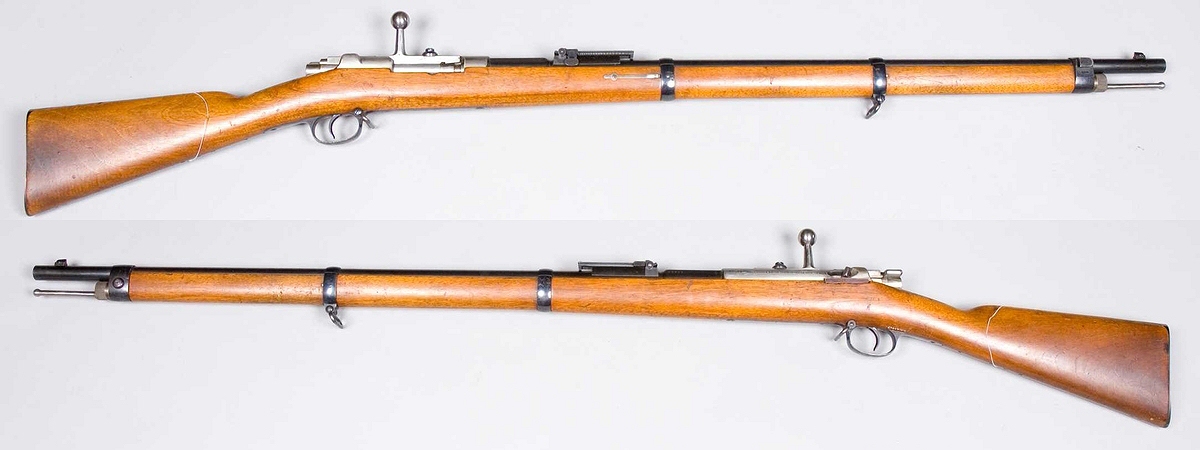
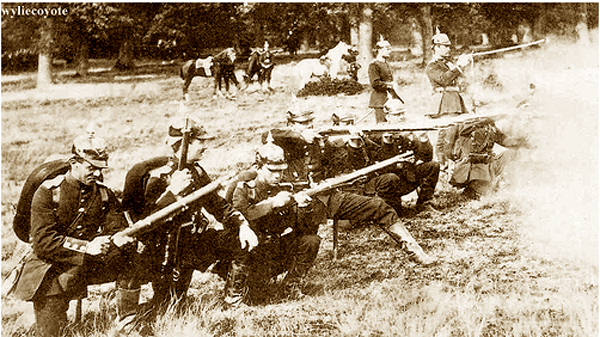
The German Army's first repeating rifle, adopted in 1884.

Jim Miles · CC BY-SA 4.0
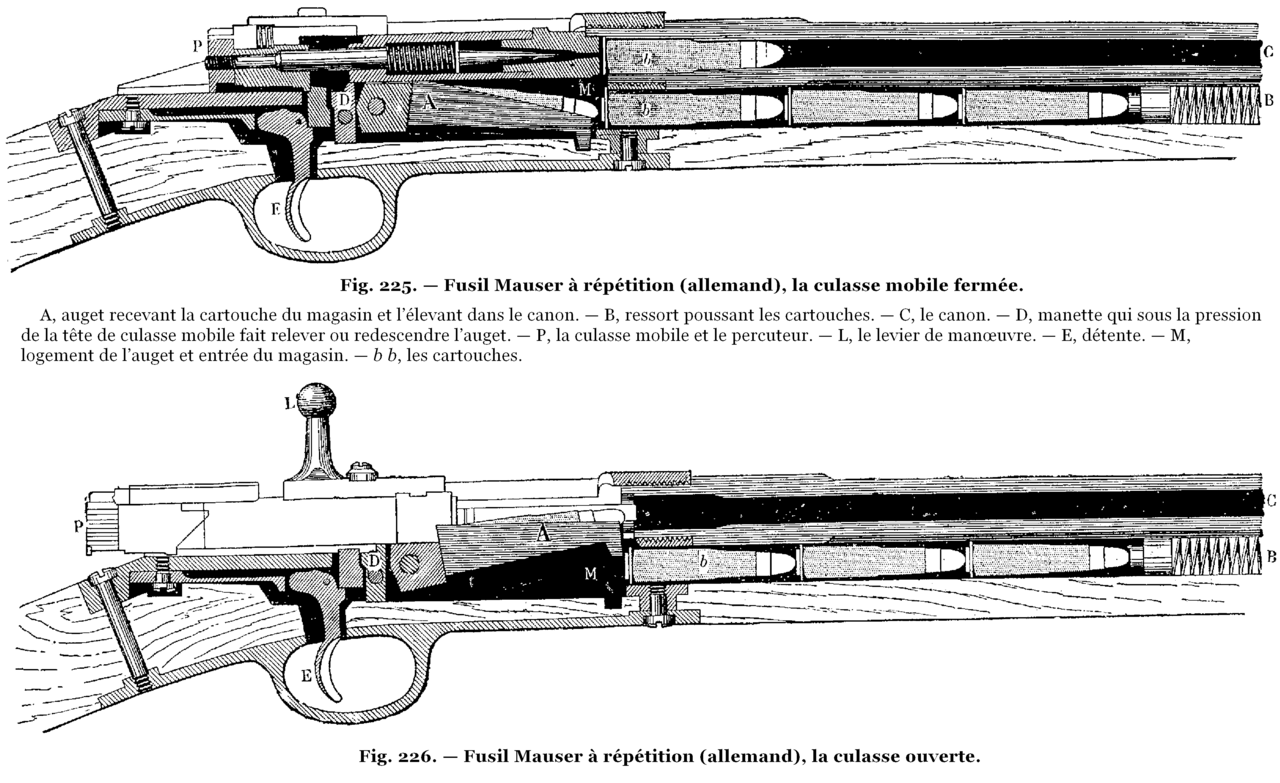
The Mauser Model 71/84, stamped "I.G.Mod.71/84" on the rifles themselves, was the second model in the Mauser brothers' rifle line. Paul and Wilhelm Mauser designed it, and it was later mass-produced at the Spandau arsenal. It became the German Army's first repeating rifle after Alfred von Kropatschek's 8-round tubular magazine was added to the design in 1884. Troop trials in 1882 and 1883 had preceded this update; a prototype of the M1871 with a tubular magazine had been shown to Wilhelm II as early as September 1881. Over a million examples were produced.
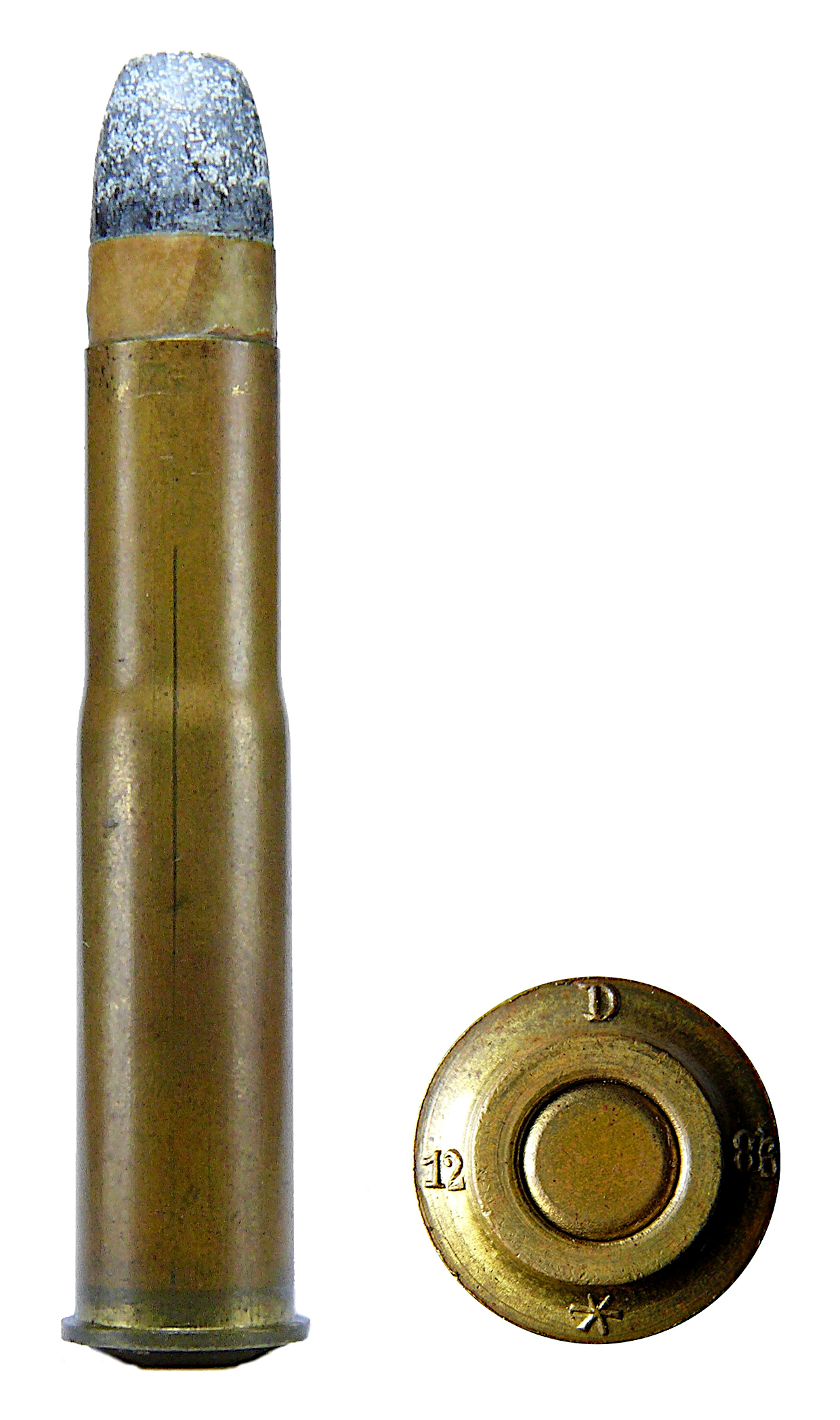
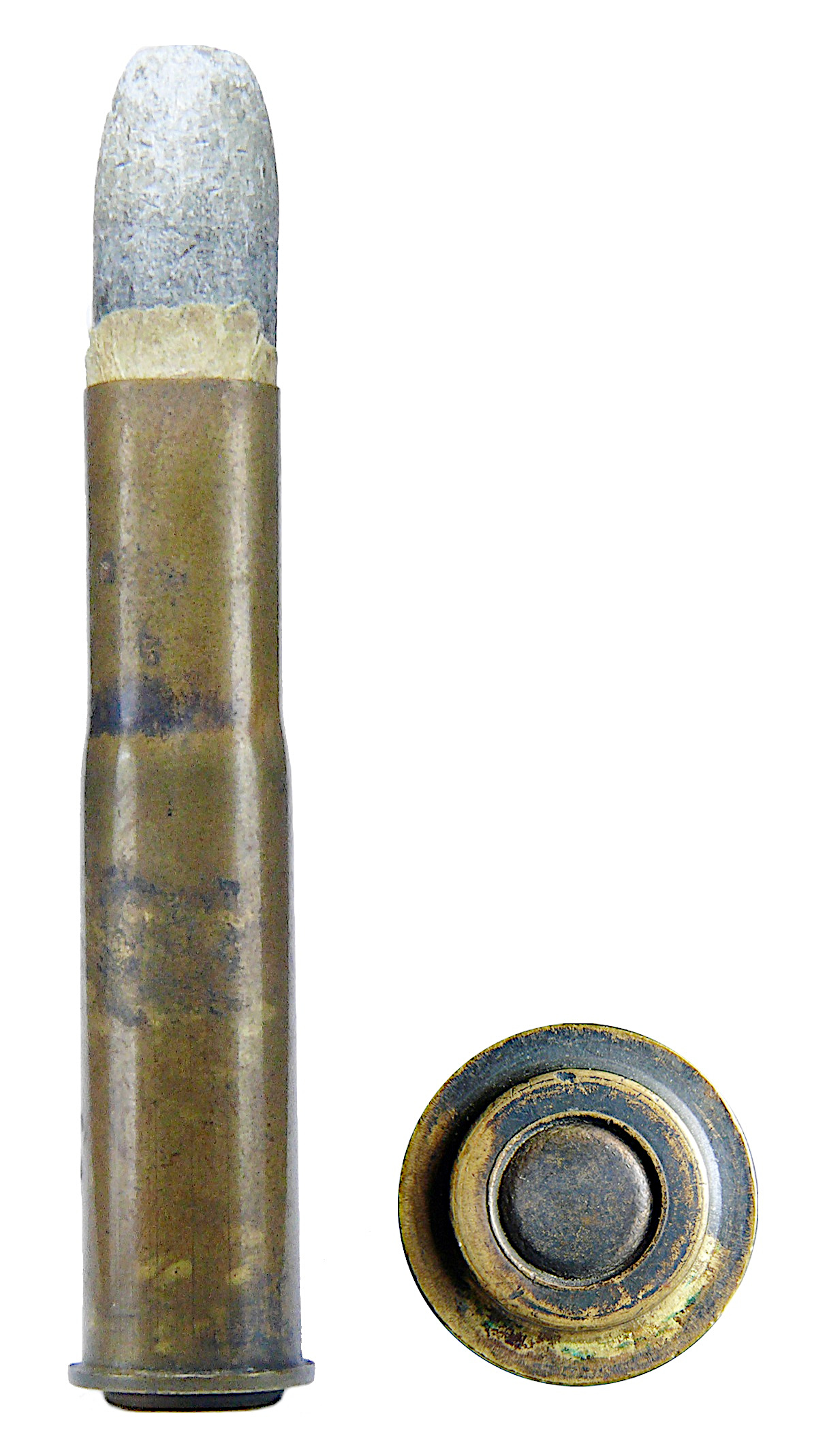
The Jäger variant was identical to the standard infantry rifle but added a sling swivel at the butt. The Ottoman Empire adopted the M1887 variant, which used a 9.5×60mmR cartridge—Paul Mauser called it the most efficient black powder round—and featured a side-mounted cleaning rod, only two barrel bands, and a second locking lug on the rear of the bolt. A total of 270,000 rifles and 4,000 carbines were delivered before the Ottomans adopted the M1890. In 1911, the Ottomans considered converting these rifles to 7.65×53mm smokeless at the Mauser factory and Steyr, but ultimately declined; a few conversions were made.
In 1884, Serbia purchased 4,000 artillery and cavalry carbines from the Oberndorf plant, chambered in their proprietary 10.15×63mmR cartridge. By 1937, all remaining Model 1884 carbines were converted to the older 11×59mmR Gras cartridge, which was plentiful in Yugoslav Army depots after the Balkan War. The Quebec Home Guard used rifles marked "Q.H.G."; the M1887 was used by the Ottoman Empire; and Serbia used the carbines.
Quick Facts
- Origin
- German Empire
- Is Ranged
- yes
- Service
- 1884–1888 (as the standard German service rifle) / 1884–1945 (limited and foreign use)
- Designer
- Mauser
- Design Date
- 1881–1883
- Manufacturer
- Mauser · Steyr
- Production Date
- 1884–1890
- Variants
- M1878/80 Carbines (Serbia) · M1887 (Turkey)
- Weight
- 4.5 kg (9.92 lbs)
- Length
- 1,350 mm
- Part Length
- 855 mm
- Cartridge
- 11.15×60R · 10.15×63R (Serbia) · 11x59R Gras (Serbia) · 9.5×60R (Turkey) · 7.65×53 (Turkish Trials)
Facts from the source article.
Lore & Background
After troop trials in 1882 and 1883, the design was updated in 1884 with an 8-round tubular magazine designed by Alfred von Kropatschek, making this the German Army's first repeating rifle. A prototype of an M1871 with a tubular magazine had been displayed to Wilhelm II as early as September 1881. This version was designated the Gewehr 1871/84, of which over a million examples were produced.
Variants include the Jäger, which had the same configuration as the standard infantry rifle but with the addition of a sling swivel at the butt. The M1887 was adopted by the Ottoman Empire and differed in having a side-mounted cleaning rod, only two barrel bands, a second locking lug on the rear of the bolt, and chambering in 9.5×60mmR. A total of 270,000 rifles and 4,000 carbines were delivered before adopting the M1890. In 1911, the Ottomans looked into converting their rifles to 7.65×53mm smokeless by the Mauser factory and Steyr, though they ultimately turned down the proposal; a few were made.
In 1884, Serbia purchased 4,000 Artillery & Cavalry Carbines each at the Oberndorf plant for use by Serbian cavalry and artillery in their proprietary 10.15×63mmR cartridge. In 1937, all remaining Model 1884 carbines were converted to the 1870s vintage 11×59mmR Gras cartridge, which was in good supply in Yugoslav Army depots after the Balkan War.
Reader's Guide
The Mauser Model 71/84 holds significance as the German Army's first repeating rifle, marking a transition from single-shot to magazine-fed infantry arms. Its adoption in 1884, following troop trials in 1882 and 1883, reflected the military's interest in increased firepower. The design, by Paul Mauser and Wilhelm Mauser, incorporated Alfred von Kropatschek's tubular magazine, a feature that would influence later repeating rifles. Over a million examples were produced, primarily at Spandau arsenal, indicating widespread use.
Its legacy extends through several variants adopted by other nations. The Ottoman M1887, chambered in 9.5×60mmR, saw substantial deliveries before being superseded by the M1890. The Serbian Artillery & Cavalry Carbine, in 10.15×63mmR, was later converted to 11×59mmR Gras in 1937, demonstrating the rifle's long service life and adaptability to available ammunition. The M71/84 thus represents a key step in the evolution of military bolt-action rifles, bridging the gap between earlier single-shot designs and the magazine-fed systems that would dominate the early 20th century.
Did You Know?
- The M71/84 was the German Army's first repeating rifle.
- Its 8-round tubular magazine was designed by Alfred von Kropatschek.
- Over a million examples of the Gewehr 1871/84 were produced.
Gallery
Frequently Asked Questions
Who designed the Mauser M71/84?
Paul and Wilhelm Mauser developed the rifle as the second model in their bolt-action series. After their design phase, it was handed over to the Spandau arsenal for large-scale military production.
Why is the Mauser M71/84 considered a milestone?
Adopted in 1884, it was the first repeating rifle the German Army ever fielded. The critical change was adding Alfred von Kropatschek's 8-round tubular magazine to the earlier single-shot M1871, turning it into a practical repeater after 1882–1883 troop trials.
What magazine does the Mauser M71/84 use and how many rounds does it hold?
It features an 8-round tubular magazine designed by Alfred von Kropatschek. A prototype with this magazine had been shown to Wilhelm II as early as September 1881, well before the final 1884 adoption.
How many Mauser M71/84 rifles were produced?
More than one million examples were manufactured at the Spandau arsenal. The rifle also saw service beyond Germany through export and specialized variants for other armies.
What variants of the Mauser M71/84 are known?
Documented variants include the Jäger (rifleman) model, the M1887 adopted by the Ottoman Empire, and an Artillery and Cavalry Carbine version supplied to Serbia. The Jäger variant was essentially the same as the standard infantry rifle in layout and function.
More in Bolt-Action Rifles, Part 3 1-24
Spotted an error? Know more?
Reader corrections go straight into our review queue. Suggest an edit · How this site is sourced