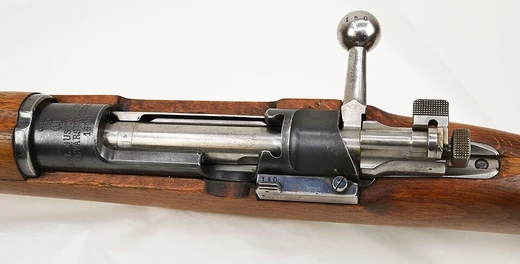
FN Model 30-11
Belgian sniper rifle derived from the Mauser action, used by police and military.

TruncateVirus99 · CC BY-SA 4.0
The FN Model 30-11 is a Belgian bolt-action sniper rifle that FN produced from 1976 to 1986. It is derived from the FN Model 30, itself based on the Mauser action from the G98, and uses a three-piece bolt with a five-round internal magazine. The rifle was marketed mainly to law enforcement by FN’s Departement Police, though it was also presented to military buyers. It is no longer in production but still sees service with Belgian police and military forces.
FN kept a stock of these rifles and parts on hand, rather than building them to order, because many components came from outside contractors. Parts and accessories were sourced from various vendors, including the US, Germany, and Anschütz. Customers could buy the rifle as a complete package—with a travel case, sling, scope, and bipod—or select individual components. The standard iron sights were micrometer-adjustable, but the usual optic was an Anschütz four-power 28 mm telescope; a nightscope could also be fitted. The stock was made of walnut and was adjustable via butt spacers, and the trigger was adjustable as well. The rifle included a flash hider and a rear-folding bipod identical to that of the FN MAG.
The Model 30-11 was offered with either an internal five-round magazine or a removable ten-round magazine. The ten-round magazine was a modified FN FAL magazine that fit a special trigger guard, but these magazines would not work in an FAL rifle. The rifle’s stability came from its heavy barrel and wide bipod. Though FN borrowed parts from other product lines, they were specifically finished or altered for this sniper rifle. Early bolts were left in the white, but within a few years the bolt handles, sleeves, and cocking pieces were blued. The rifle was finished in FN’s black enamel paint.
FN purchased accessories known for quality and accuracy. The UIT mounting rail for the bipod and sling came from Anschütz, a standardized size long before Picatinny rails became common. The removable front and rear sights were from Anschütz’s competition line, intended for training operators, and this system has remained largely unchanged for decades, still used in biathlon shooting.
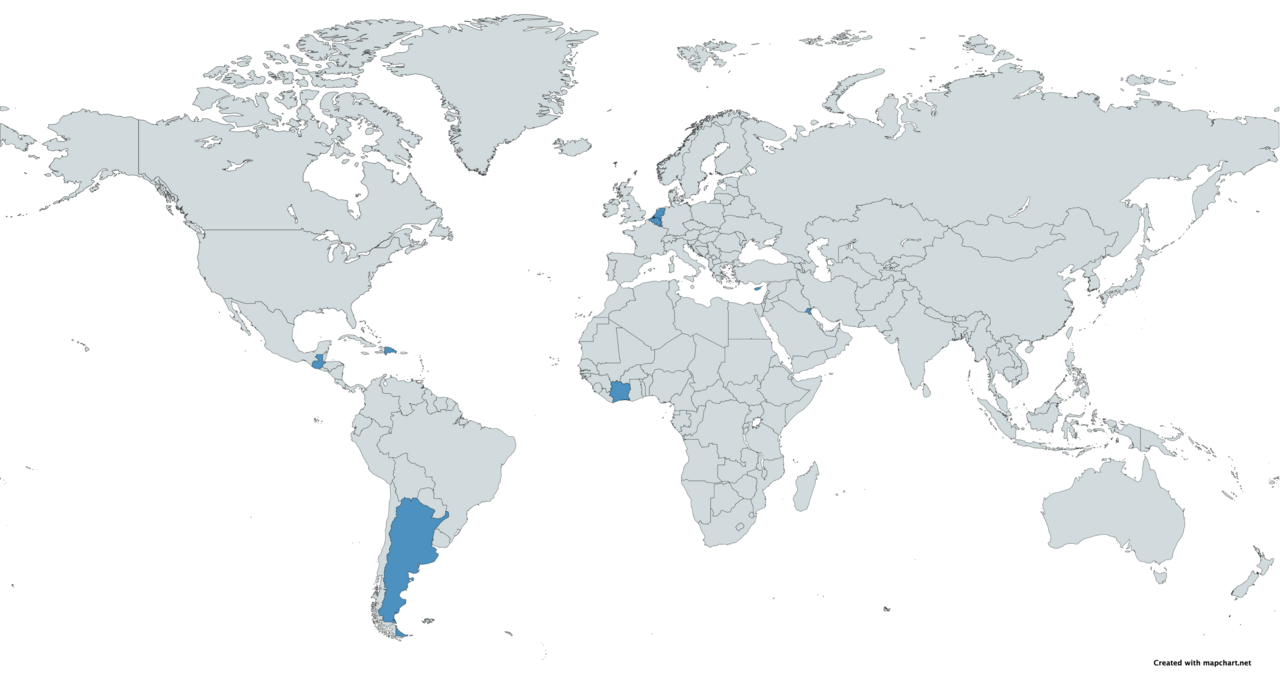
Various countries purchased the Model 30-11 in small quantities. An unknown number were used by Argentine Air Force snipers with a 6X scope. Belgium bought 64 rifles in three configurations between 1975 and 1981.
Quick Facts
- Origin
- Belgium
- Is Ranged
- yes
- Wars
- Cold War
- Manufacturer
- Fabrique Nationale de Herstal
- Production Date
- 1976–1986
- Variants
- 1975, 1978, 1981
- Weight
- 4.85 kg empty, without scope or bipod
- Length
- 1117 mm / barrel 502 mm
- Cartridge
- 7.62×51mm NATO
- Velocity
- 850 m/s
- Action
- Bolt action
- Rate
- Single
Facts from the source article.
Lore & Background
The FN Model 30-11 was introduced in 1975, with production running from 1976 to 1986. Unlike standard FN Mauser contracts, it was not built to order; FN kept an amount of rifles and parts in stock due to specialized features and components sourced from contractors. Parts were purchased from vendors including the US, such as the Model 1907 pattern sling, the German built 4×24mm scope, the night vision scope, Anschutz target sights, a UIT rail system with removable sling swivel, and a travel case from US suppliers. Customers could purchase the rifle with an internal 5-round magazine or a removable 10-round magazine, the latter being a modified FN FAL magazine that fit in a special trigger guard. The removable 30-11 magazines did not function with the FAL rifle. The rifles were given serial numbers, not contract numbers. FN offered the entire system as a package, with the option to buy the complete package or select specific components.
The rifle's stability was achieved by a heavy barrel and wide bipod. Parts were borrowed from other FN product lines but were specifically finished, altered, or made for the 30-11. The rifles were finished in FN's black enamel paint. Early bolts were left in the white, but within a few years bolts, bolt sleeves, and cocking pieces were blued. The custom walnut stock was made by FN. The UIT mounting rail for the bipod and sling was manufactured by Anschutz, a standardized size long before picatinny rails became standard. The removable front and rear sights came directly from Anschutz' competition line and were meant for training operators; this system has remained almost unchanged for decades and is still used in biathlon shooting.
Reader's Guide
The FN Model 30-11 occupies a specific niche as a law enforcement-oriented sniper rifle built on a classic Mauser action. Its significance lies in FN's approach of offering a complete system package rather than a custom-order rifle, with components sourced from specialized vendors such as Anschutz for sights and rails. The rifle's adjustable trigger and stock, heavy barrel, and wide bipod were intended to provide stability for precision shooting. The use of a modified FN FAL magazine for a 10-round capacity was a practical adaptation, though the internal spring of the FAL magazine was noted as too strong for smooth action. The rifle saw service with various users, including the Argentine Air Force, Belgium, the Netherlands, and others, with quantities ranging from fewer than 10 to 170 rifles reported. The Dutch experience highlighted concerns with the Swarovski 6X42mm optics and standard ammunition accuracy, which was remedied by using FN Match ammunition; ultimately, the Dutch replaced the 30-11 with the H&K PSG1 after 1985. The Model 30-11 remains in service with Belgian police and military, and its design elements—such as the Anschutz sight system—have persisted in biathlon shooting. FN no longer manufactures the rifle.
Did You Know?
- The FN Model 30-11 uses a modified FN FAL magazine for its 10-round capacity, but the FAL magazine's internal spring is too strong for smooth action.
- The rifle's UIT mounting rail for bipod and sling was manufactured by Anschutz, long before picatinny rails became standard.
- Dutch officials traded their 34 fielded FN 30-11 rifles to Heckler & Koch for the acquisition of the PSG1.
Gallery
More in Bolt-Action Rifles, Part 2 1-24
Spotted an error? Know more?
Reader corrections go straight into our review queue. Suggest an edit · How this site is sourced