Theodore Freeman
First NASA astronaut killed in a training accident.

Wikimedia Commons · Public domain
Theodore Cordy Freeman was an aeronautical engineer, a U.S. Air Force officer, a test pilot, and a NASA astronaut. He became part of NASA’s third astronaut group in 1963, but died the following year when his T-38 jet crashed—the first death in the NASA Astronaut Corps. At the time, he held the rank of captain.
Freeman was born in Haverford, Pennsylvania, on February 18, 1930. His first name 'Theodore' came from his father, and his middle name 'Cordy' was his mother's maiden name. He was one of five children and grew up in Lewes, Delaware, attending Lewes Elementary School from 1936 to 1944. His father was a farmer and his brother a carpenter, so a blue-collar path seemed likely. As boys, Freeman and his brother saved money for plane rides. He worked part-time refueling and repairing aircraft, spending most of his earnings on flying lessons. By age 16, he had logged over 450 hours and earned his pilot’s license. “I sort of grew up at the airport,” he recalled.
In high school, Freeman played baseball and football. A hard football hit knocked his teeth out of alignment. He served as student body president and head of the local National Honor Society chapter, graduating third in his class with honors in 1948. He was a Boy Scout who reached the rank of First Class.
During his senior year, Freeman applied to the U.S. Naval Academy. He passed the scholarship test but failed the medical exam because of his crooked teeth. Told he could be admitted the next year if he fixed them, he spent that year at the University of Delaware in Newark, earning money by spotting fish schools for local fishermen. He had his teeth ground down and wore braces for several months. On June 17, 1949, he entered the Naval Academy as part of the Class of 1953, graduating with a Bachelor of Science degree. In 1960, he earned a Master of Science in aeronautical engineering from the University of Michigan.
Freeman chose to join the U.S. Air Force, training at Hondo Air Force Base, Bryan Air Force Base, and Nellis Air Force Base. He received his pilot wings in February 1955, shortly after being promoted to first lieutenant. He then served in the Pacific and at George Air Force Base, California. Promoted to captain in June 1960 while studying for his master’s, he went to Edwards Air Force Base in February 1960 as an aerospace engineer.
Quick Facts
- Birth Name
- Theodore Cordy Freeman
- Birth Date
- 1930-02-18
- Birth Place
- Haverford, Pennsylvania, U.S.
- Death Date
- 1964-10-31
- Death Place
- Houston, Texas, U.S.
- Resting Place
- Arlington National Cemetery
- Education
- University of Delaware / United States Naval Academy (BS) / University of Michigan (MS)
- Rank
- Captain, USAF
- Selection
- NASA Group 3 (1963)
Facts from the source article.
Lore & Background
Theodore Cordy Freeman was born in Haverford, Pennsylvania, on February 18, 1930, and raised in Lewes, Delaware. His first name 'Theodore' was his father's name, and his middle name 'Cordy' was his mother's maiden name. He earned his pilot's license by age 16 after saving money for flying lessons and working part-time at an airport. He graduated as an honors student ranked third in his high school class in 1948. After initially failing the Naval Academy medical exam due to crooked teeth, he had corrective surgery and was admitted to the U.S. Naval Academy, graduating in 1953 with a Bachelor of Science degree. He later earned a Master of Science in aeronautical engineering from the University of Michigan in 1960.
Freeman entered the U.S. Air Force, earned his pilot wings in February 1955, and served in the Pacific and at George Air Force Base, California.
Reader's Guide
Theodore Freeman's significance lies in being the first member of the NASA Astronaut Corps to die in the line of duty, a tragic milestone that underscored the risks of the space program. His death prompted NASA to change its policy for notifying families of astronaut fatalities, ensuring that future notifications would be made by fellow astronauts rather than reporters. Freeman's legacy is commemorated through several honors: the Clear Lake City-County Freeman Branch Library in Texas, an artificial island named for him in Long Beach Harbor (one of four 'Astronaut Islands' built for oil drilling), a temporary crater on the far side of the Moon named by the Apollo 8 crew, and the Theodore C. Freeman Highway in Lewes, Delaware. A plaque was unveiled at the Lewes ferry terminal in 2014. His story is also featured in Oriana Fallaci's 1965 book 'If the Sun Dies.' Freeman's career as an aeronautical engineer, test pilot, and astronaut, cut short by a bird strike, serves as a reminder of the hazards faced by early space explorers.
Did You Know?
- Freeman earned his pilot's license by age 16 with over 450 hours of flying training.
- He was a Boy Scout and earned the rank of First Class.
- His death was the first fatality among the NASA Astronaut Corps.
- An artificial island off Long Beach is named for him, one of four 'Astronaut Islands' built for oil drilling.
Roots in the Airfield: A Working-Class Path to the Sky
Born in Haverford, Pennsylvania, on February 18, 1930, Theodore Cordy Freeman grew up in a working-class household in Lewes, Delaware, where his father farmed and his brother worked as a carpenter. As one of five children, a blue-collar future seemed the natural path. Yet from a young age, Freeman and his brother saved every spare dollar for the chance to ride in a small plane. He took part-time work refueling and maintaining aircraft at the local airfield, and poured nearly all his earnings into flying lessons. By sixteen, he had logged more than 450 hours of training and earned his pilot's license, later recalling that he simply grew up at the airport. In high school he played baseball and football, served as student body president, led the local National Honor Society chapter, and graduated third in his class in 1948. A Boy Scout who reached First Class rank, Freeman also suffered a hard hit during a football game that knocked his teeth out of alignment—an injury that would briefly derail his path to the Naval Academy.
From Annapolis to the Mojave: Forging a Test-Pilot Career
The crooked teeth that knocked Freeman out of Naval Academy consideration as a high school senior became the catalyst for a detour rather than a dead end. He spent a year at the University of Delaware in Newark, earning extra income by spotting schools of fish for local fishermen, while undergoing dental surgery and months of braces. Admitted to Annapolis on June 17, 1949, he graduated in 1953 with a Bachelor of Science. He then elected to join the U.S. Air Force, completing flight training across Hondo, Bryan, and Nellis bases before earning his wings in February 1955. After service in the Pacific and at George Air Force Base, he was promoted to captain in June 1960 while pursuing a Master of Science in aeronautical engineering at the University of Michigan. His final Air Force posting placed him at Edwards Air Force Base in the Mojave Desert as a flight test aeronautical engineer and experimental flight test instructor. There he specialized in performance and stability testing, accumulating more than 3,300 total flight hours, over 2,400 of them in jet aircraft, and graduating from both the Experimental Flight Test Pilot School and the Aerospace Research Pilot School.
One Year in the Astronaut Corps: Selection and the Ellington Crash
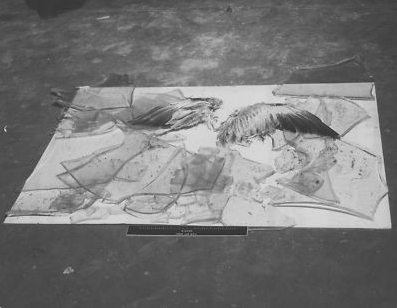
Selected in October 1963 as a member of NASA's third astronaut group, Freeman was tasked with aiding the development of rocket boosters. His assignment at McDonnell facilities in St. Louis placed him at the center of the emerging space program, yet his career in the Astronaut Corps lasted barely a year. On the morning of October 31, 1964, he was piloting a NASA-modified T-38A Talon back from St. Louis to Houston after a weekend of training. A fog delay had grounded him, and upon departure, reports of geese swarming near the airfield proved ominous. During final approach to Ellington Air Force Base, a goose struck the port-side air intake, causing the engine to flame out. Freeman realized he was too short to reach the runway and risked crashing into military housing, so he banked away and ejected. The jet had nosed down sharply, and he went out nearly horizontally. His parachute failed to deploy in time, and he struck the ground with a fractured skull and severe chest injuries, becoming the first astronaut to die in the line of duty.
A Name Carved in Stone, Steel, and Sky
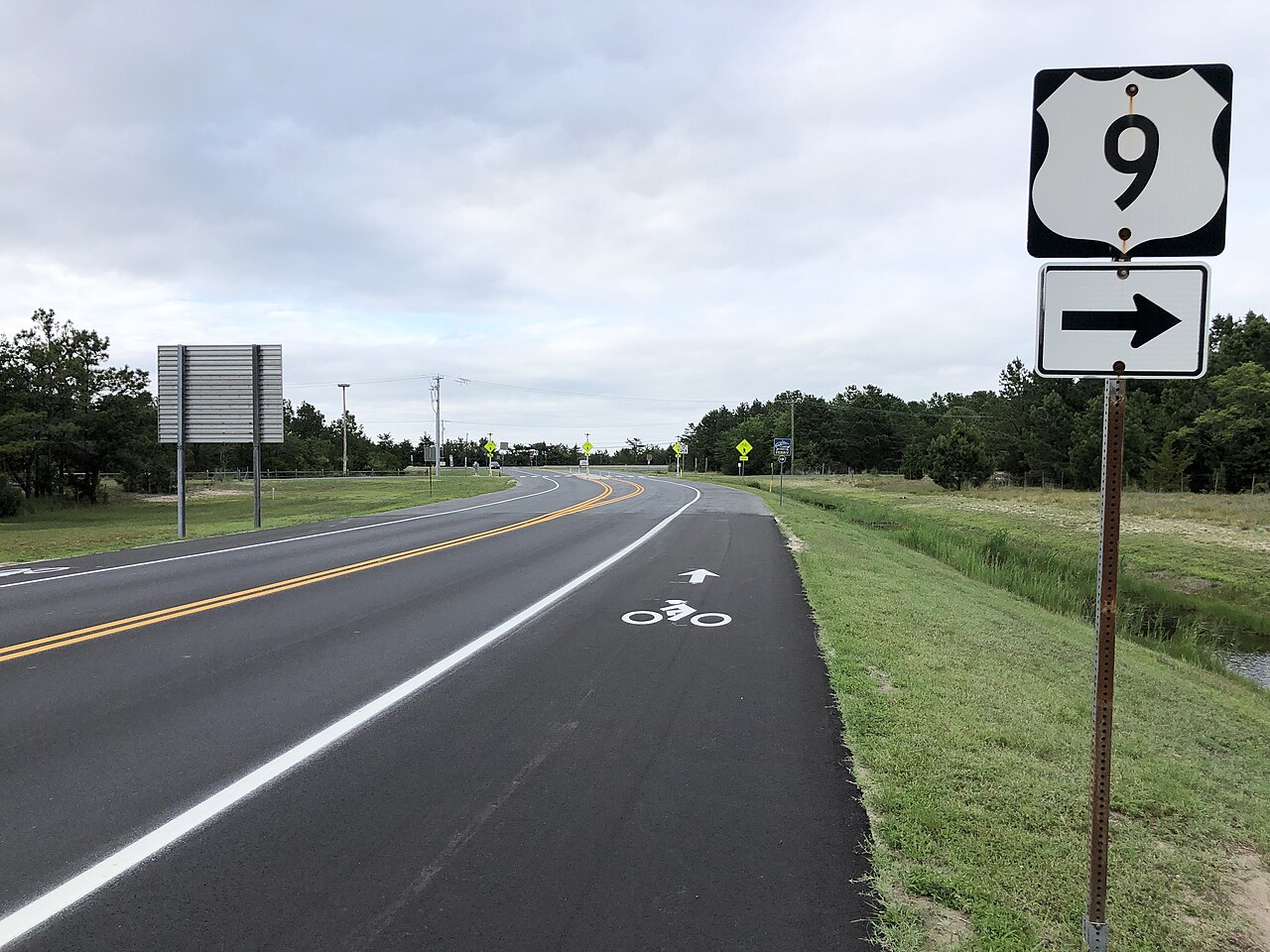
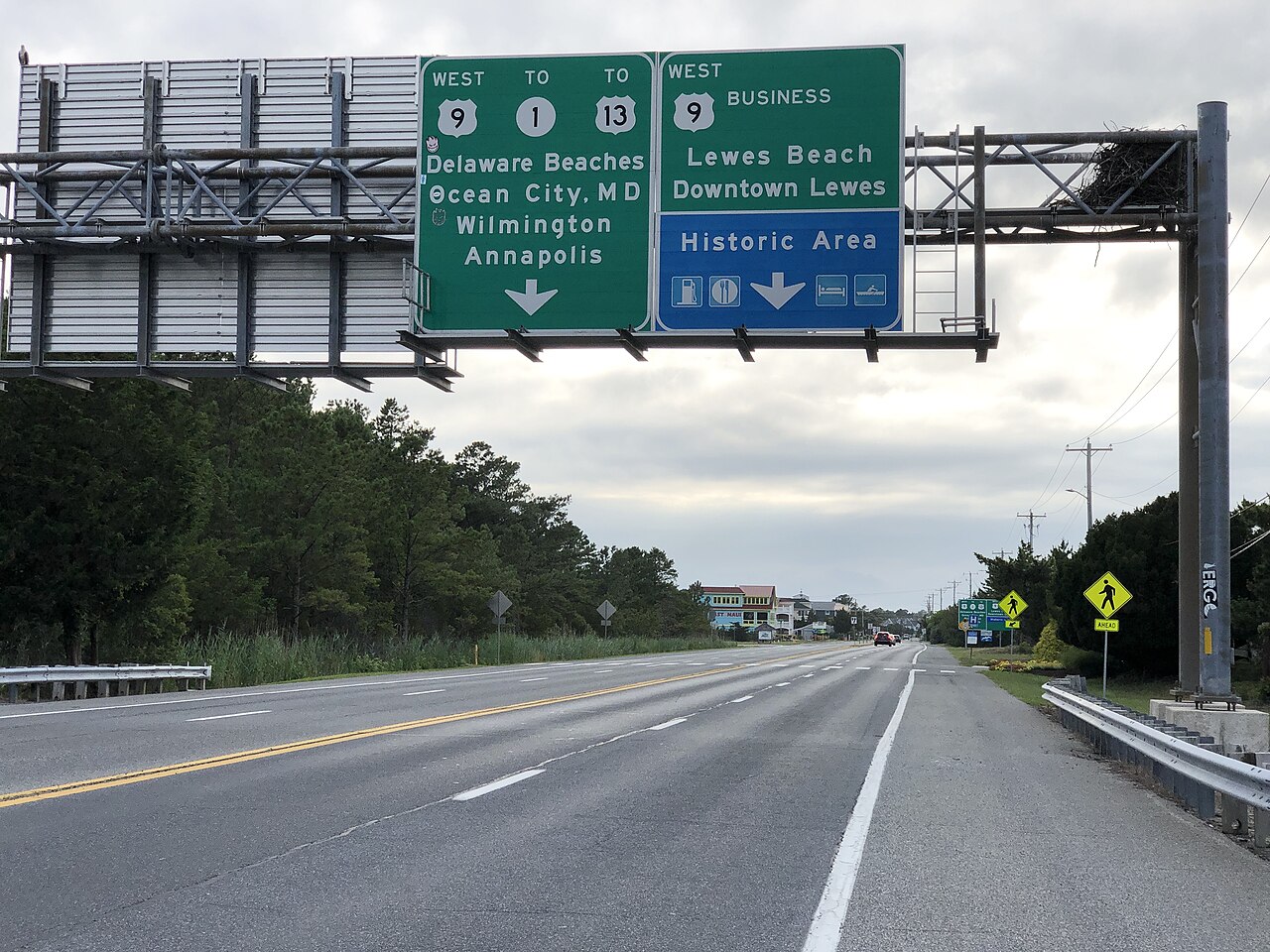
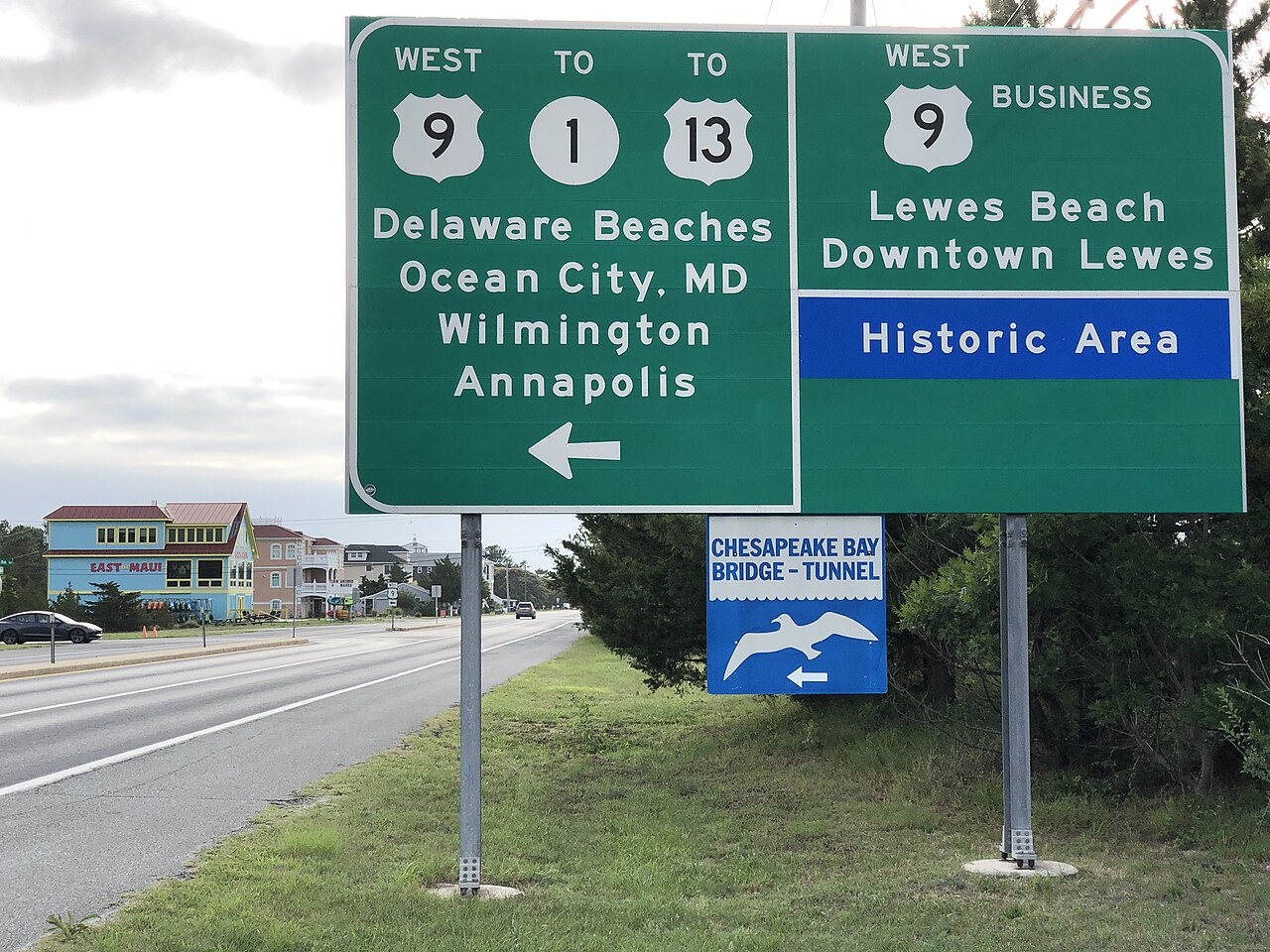
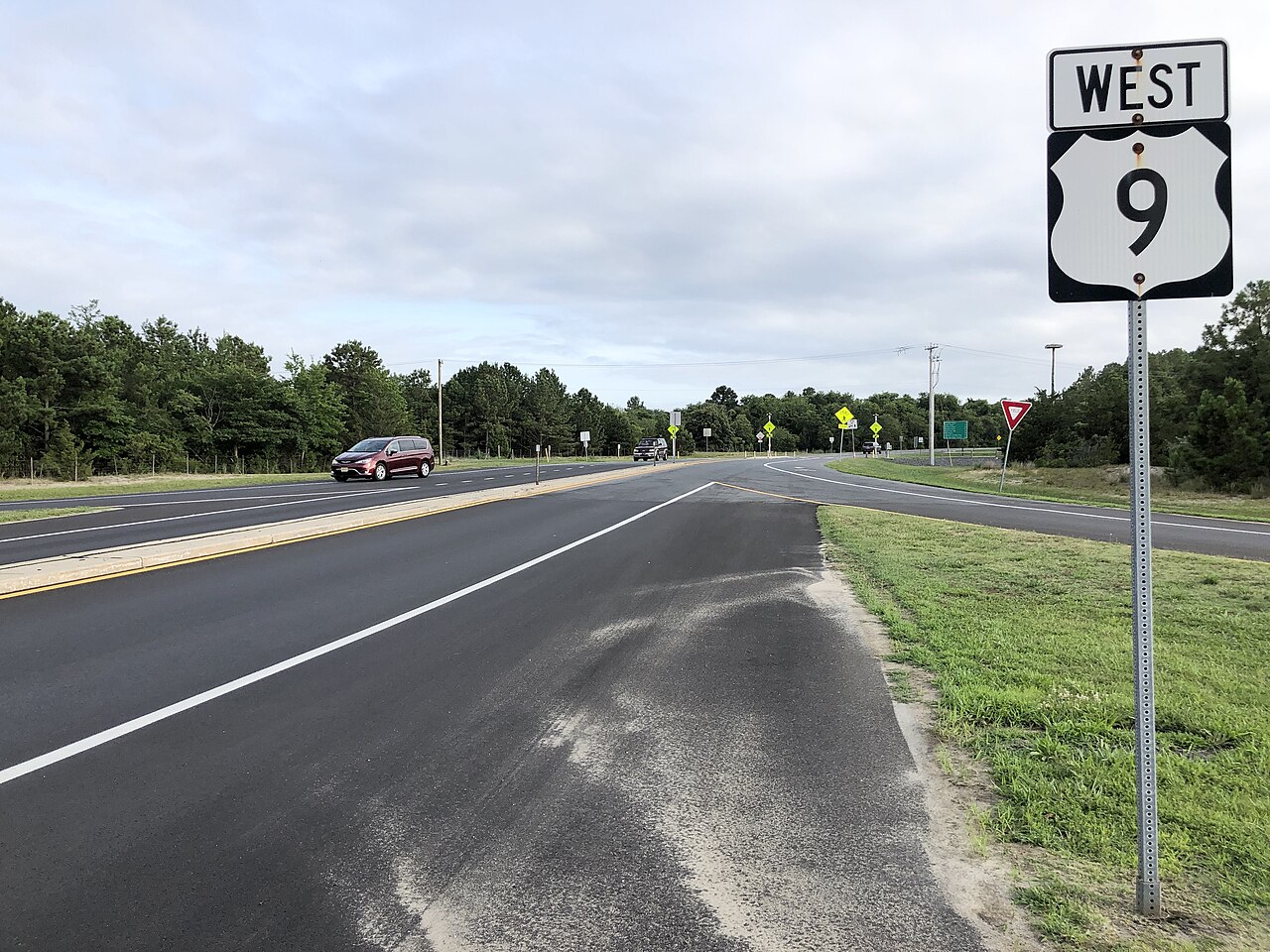
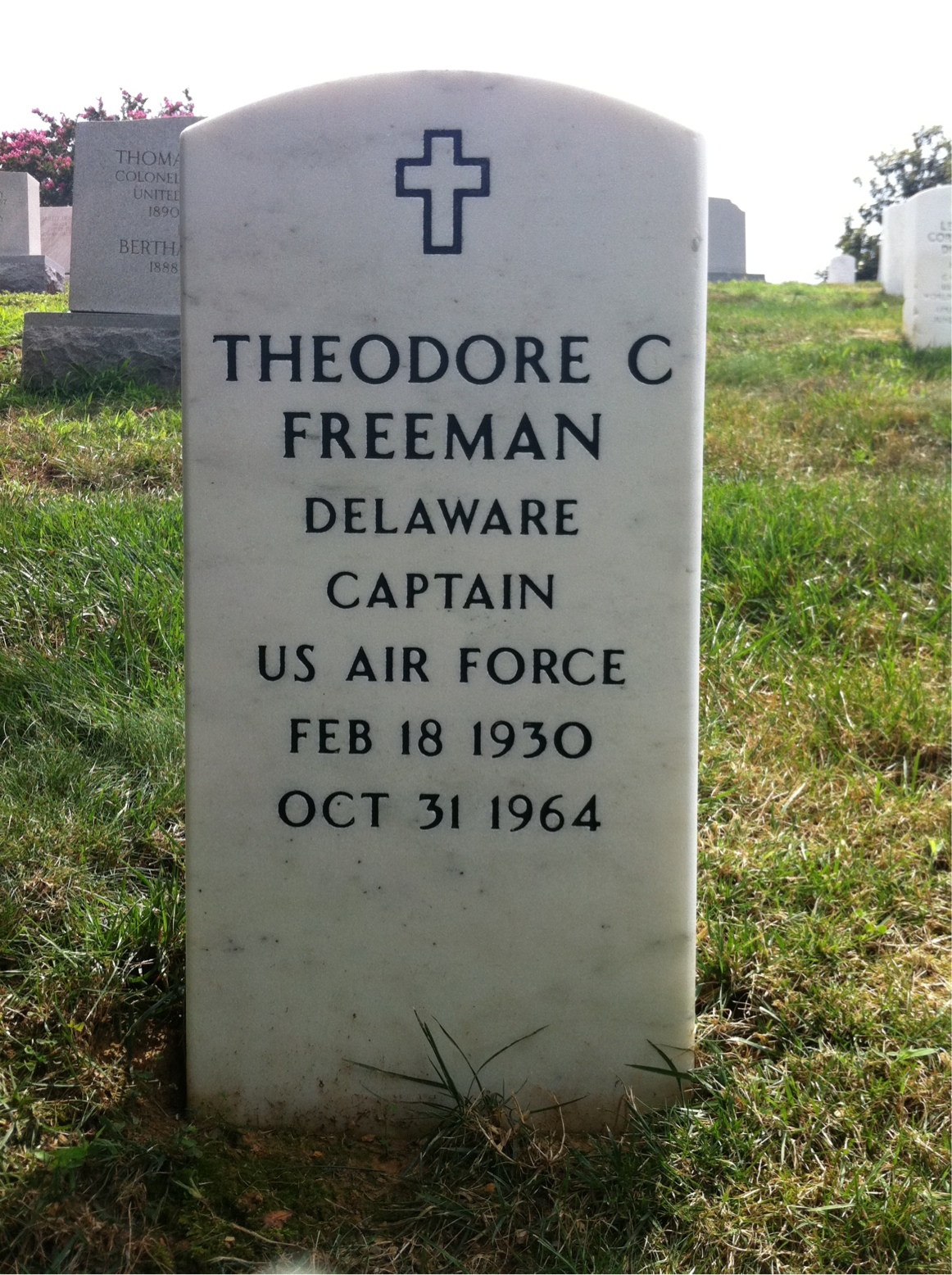
Freeman's death left an immediate institutional mark. His wife learned of his passing not from a fellow astronaut but from a Houston reporter who showed up at her doorstep. NASA responded by establishing a protocol ensuring that, in any future astronaut fatality, the family would be notified by a colleague as swiftly as possible. He was buried with full military honors at Arlington National Cemetery, where five astronauts served as pallbearers. His name endures in numerous public dedications: a branch library in the Harris County and Houston Public Library systems, a Theodore C. Freeman Highway in his hometown of Lewes, Delaware (named by the state Senate in December 1965), and an artificial island in Long Beach Harbor, one of four Astronaut Islands built in the late 1960s as unsinkable oil-drilling platforms alongside Grissom, White, and Chaffee. The Apollo 8 crew temporarily named a far-side lunar crater for him, and Oriana Fallaci included an account of Freeman in her 1965 book about the early space program. A commemorative plaque was unveiled at the Cape May–Lewes Ferry terminal in Lewes on June 18, 2014, attended by Governor Jack Markell and Freeman's family.
Gallery
Frequently Asked Questions
Who is Theodore Freeman?
Theodore Cordy Freeman was an American aeronautical engineer, U.S. Air Force test pilot, and member of NASA's third astronaut group, selected in 1963. He is best remembered as the first person in the NASA Astronaut Corps to lose his life.
How did Theodore Freeman die?
On October 31, 1964, Freeman was killed when his T-38 jet crashed during a training flight. He held the rank of captain in the U.S. Air Force at the time of the accident.
Why is Theodore Freeman's death considered significant?
His T-38 crash made him the very first fatality in the history of the NASA Astronaut Corps. Because he died while still in the training pipeline, he never had the chance to fly a space mission.
What was Theodore Freeman's career path before joining NASA?
Freeman trained as an aeronautical engineer and went on to serve as a U.S. Air Force officer and test pilot. His technical and flight experience led to his selection into NASA's third astronaut group in 1963.
Where and when was Theodore Freeman born?
He was born on February 18, 1930, in Haverford, Pennsylvania, and spent his childhood in Lewes, Delaware, where he attended Lewes Elementary School. He was one of five children in his family.
More in Space program fatalities 1-24
Spotted an error? Know more?
Reader corrections go straight into our review queue. Suggest an edit · How this site is sourced